Explore Hobart with a Local Expert
Customize or have an expert craft one from scratch
Hobart, Tasmania's capital, offers a compact base for exploring Australia's southern edge, with a cooler climate, working waterfront, and quick access to wilderness that set it apart from mainland cities. It earns a place on a multi-day itinerary for travelers who want short travel times between urban, coastal, and mountain experiences.
This region suits journeys that prioritize food, history, and the outdoors over long driving days. In a wider Tasmania route, Hobart typically works as a start or end point, pairing city time with side trips to nearby areas before continuing to other parts of the island.
Why visit Hobart?
Hobart offers an intimate, slow-burn introduction to Tasmania that feels different from mainland Australian cities. The River Derwent, forested hills, and shifting southern light give simple moments: a morning coffee on the waterfront or an evening walk through sandstone lanes, a quietly dramatic feel. Old warehouses, working fishing boats, and bold contemporary art sit side by side, creating a rare mix of maritime grit and creative experimentation.
What you experience here that is hard to find elsewhere in Australia is this tight weave of small-port life, cool-climate food, and quick access to wild landscapes, all within a compact, easily walkable setting. In a few days you can get to know favorite corners, recognize faces at markets, and watch weather roll in from the river, leaving with the sense of having briefly belonged to a southern harbor town rather than ticking off a big-city stop.
Who is Hobart best for?
You’ll probably enjoy Hobart if you like compact, walkable cities where you can combine relaxed food experiences, short outings, and time to simply wander rather than ticking off a long list of sights. It works especially well for couples and friends who enjoy small galleries, markets, and lingering over good coffee or local wine.
If you value cooler weather, layered history, and easy access to nature without committing to multi-day treks, you’re likely to feel at home here. Returning visitors to Australia often appreciate Hobart as a contrast to larger mainland cities.
You may prefer another destination if your priority is a classic beach holiday with hot weather, resort-style nightlife, and long stretches of swimming beaches steps from your hotel. Families wanting theme parks and high-energy attractions might be happier elsewhere.
If you’re seeking intensive adventure travel with back-to-back adrenaline activities, or you want a dense lineup of big-city museums and shopping districts, another Australian city or a different part of Tasmania could be a better match.
How does Hobart fit into an itinerary?
Hobart often works well as a gentle bookend to a wider Tasmanian holiday, either as a first stop after flying in or as a final pause before departing. Many travelers spend two to four nights here, long enough to settle into the city's rhythm while leaving space for other regions.
Because driving times in southern Tasmania are relatively short, Hobart can also serve as a practical base for day outings, letting you explore different landscapes without changing accommodation every night. On some routes it becomes a mid-trip pause where you slow down after more remote stays, catch your breath, and reorganize plans before continuing onward.
Including Hobart usually softens the pace of your journey. Instead of packing and unpacking daily, you can linger for a few nights, building in flexible side trips around a core urban stay. This balance of stability and easy access to nearby areas keeps your itinerary varied without feeling rushed, especially when paired with one or two contrasting overnight stops elsewhere in Tasmania.

The Pinnacle Observation Shelter and Boardwalk on Mount Wellington, Hobart Tasmania, Australia.
How many days do you need?
Most travelers give Hobart two to four days, using the city as a gentle introduction or a slow-down point within a wider Tasmanian route. With just one full day, you can focus on the historic waterfront and a single highlight such as MONA or kunanyi / Mount Wellington.
Two days allow you to balance city wandering with a short coastal or rural excursion. Three days make it realistic to add a full-day trip to nearby peninsulas or valleys without feeling rushed. Longer stays suit travelers who prefer unpacking once and using Hobart as a base for repeated day trips rather than changing hotels every night.
| Days | Recommended focus |
|---|---|
| 1 day | Waterfront, historic core, and one major sight |
| 2 days | City highlights plus a short coastal or hillside outing |
| 3 days | Deeper neighborhood exploring and one full-day excursion |
| 4+ days | Hobart as a relaxed base for multiple day trips |
Best region combinations
Hobart combines naturally with the Tasman Peninsula and Port Arthur, roughly 1.5 hours' drive away, for a mix of city atmosphere, dramatic sea cliffs, and convict history. Starting in Hobart, continuing to Port Arthur, then looping back via coastal lookouts creates a compact road trip with short daily drives.
Pairing Hobart with the Huon Valley south of the city creates a quieter food-and-landscape journey, moving from waterfront cafés to orchards, forests, and rivers within about an hour's drive.
Travelers on longer itineraries often link Hobart with Freycinet Peninsula or the east coast, using Hobart as the urban bookend before following a scenic coastal route north toward beaches and national parks.
When is the best time to visit Hobart?
The best time to visit Australia for Hobart is from late spring to early fall, when longer days make it easier to combine city sightseeing with nearby coasts and hills. Summer brings festivals and a lively atmosphere, but also more visitors and higher prices, so central accommodations should be booked early.
Spring and fall offer cooler temperatures and fewer crowds, suiting travelers who enjoy walking, galleries and cozy evenings. Winter gives Hobart an atmospheric feel, with quieter streets, dramatic mountain views and more time for indoor cultural attractions, although outdoor plans may need to remain flexible.
Seasonal planning can balance waterfront walks, scenic drives and indoor experiences according to weather and daylight hours.

Wineglass Bay Freycinet, Tasmania @ Shutterstock
Experiences to include in Hobart
Hobart combines a historic waterfront, creative culture and easy access to Tasmania’s mountains and coast. Its compact center and nearby natural attractions make it an ideal base for a wider Tasmanian itinerary.
Stroll the historic Salamanca waterfront
Allow half a day to wander Salamanca Place and Brooke Street Pier, where sandstone warehouses, dockside cranes, and working fishing boats capture Hobart's port-town character. It suits travelers who enjoy atmospheric streets, casual dining, and easy, mostly level walking.
Ride to the summit of kunanyi / Mount Wellington
Set aside half a day to travel up Pinnacle Road to kunanyi / Mount Wellington for wide views across the River Derwent and distant peninsulas. Short boardwalks and lookouts make the mountain accessible to most visitors without requiring serious hiking.
Immerse yourself in art at MONA
MONA is one of the top attractions in Australia for contemporary art, striking architecture and riverside scenery. Take the ferry from Hobart’s Brooke Street Pier to Berriedale and allow half a day or a full day to explore the museum’s bold collections and grounds. Its provocative modern character provides a memorable contrast to Hobart’s historic streets and waterfront.
Explore Battery Point's village streets
Spend a couple of hours wandering Battery Point's narrow lanes between Hampden Road and Arthur Circus. The mix of cottages, gardens, and small cafes gives a sense of Hobart's early European history and suits travelers who enjoy slow, self-guided neighborhood walks.
Sample local produce at Farm Gate or Salamanca Market
Dedicate a morning to browsing Farm Gate Market on Bathurst Street or Salamanca Market along Salamanca Place. These weekly markets are ideal for tasting Tasmanian cheeses, berries, seafood, and baked goods while meeting growers and makers in a compact, walkable setting.
Take a river or coastal cruise on the Derwent
Allow a few hours for a cruise departing from Hobart's central ferry terminals to see the River Derwent, passing landmarks like the Tasman Bridge and Bellerive Bluff. Gentle schedules, seating, and shelter make this a relaxed option for most travelers.
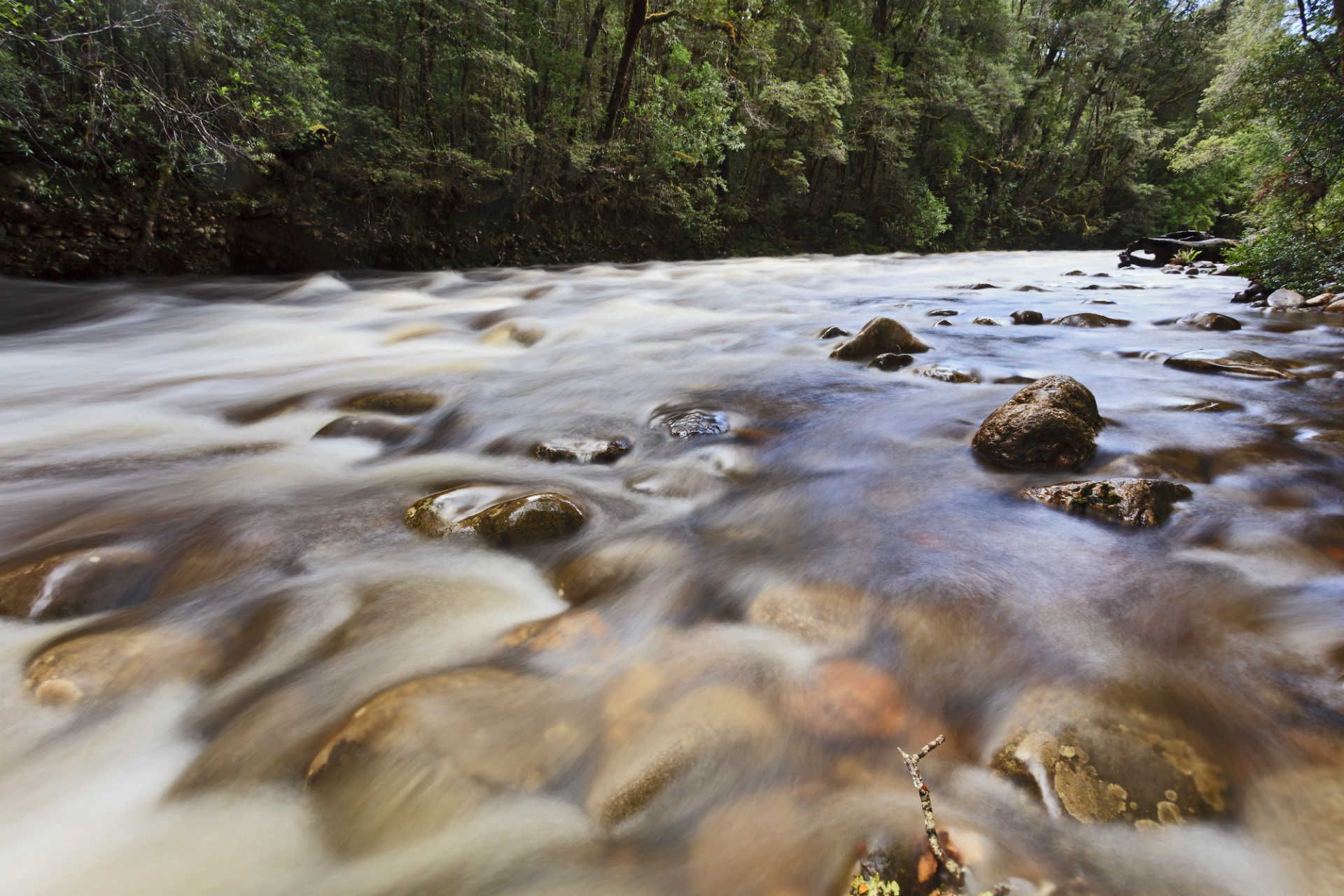
Franklin River, Tasmania, Australia @ Shutterstock
Planning Hobart with local expert tips
Hobart brings together a compact waterfront city and easy access to southern Tasmania, making it useful both as a destination and as the beginning of a longer island journey. Local specialists can balance time in the city with nearby landscapes and historic areas, then arrange your departure in the direction of your next Tasmanian stop.
Where to stay in Hobart
The waterfront around Sullivan’s Cove is convenient for restaurants, harbor walks and central sights, while Battery Point offers a quieter historic setting within easy reach of the center.
Properties farther from the waterfront can provide more space, but location becomes more important when you have early departures or only a short stay. Your local expert can choose a hotel that suits the rhythm of your itinerary rather than changing accommodation for nearby excursions.
Places such as the Tasman Peninsula and the Huon Valley can be explored from Hobart, although an overnight farther south may make sense when that area is a major focus. If Hobart is followed by a journey across Tasmania, your expert can also keep the city stay concise and reserve additional nights for regions that require more travel time.
How transportation can be arranged
Hobart Airport lies outside the city, so a private transfer can take you directly to your accommodation or begin the regional journey immediately when there is no need to enter central Hobart first. Within the center, many places can be reached on foot, while private transportation is more useful for Mount Wellington, the Tasman Peninsula and other destinations beyond the city.
Hobart can also work as the starting point for a one way journey through Tasmania rather than a base you repeatedly return to. If your plans continue toward Freycinet and Launceston, for example, your expert can arrange the road route north from Hobart with suitable stops along the way, finishing near your onward flight instead of retracing the journey south.