Shanghai is one of China’s most outward-looking regions, combining a dense urban core with nearby water towns and modern infrastructure. It stands apart from other parts of the country for its international business environment, efficient public transport, and straightforward logistics, which makes planning a multi-day stay simpler.
This region suits travelers who want a city-focused journey with manageable cultural sightseeing rather than long overland routes. Shanghai typically serves as a gateway at the start or end of a wider China itinerary, providing convenient arrival and departure points, comfortable adjustment days, and easy access to short excursions into the surrounding Yangtze River Delta cities.
Why visit Shanghai?
Shanghai offers a vision of contemporary China that you will not find elsewhere in the country: historic lilong alleyways just a few streets from cutting-edge towers and the glow of the Bund skyline. Walking its riverside promenades at night, you sense a port city that has long looked outward, shaped by international influences yet still distinctly Chinese.
Time here is about immersion in an urban rhythm - sipping coffee in a restored lane house, browsing independent boutiques, or stepping into small galleries and rooftop bars that feel firmly of the present.
Beyond headline sights, you notice how everyday life in street markets, pocket parks, and back lanes coexists with rapid change. You leave with a tactile impression of how China feels at its most experimental and forward-moving, grounded by traces of its layered past.
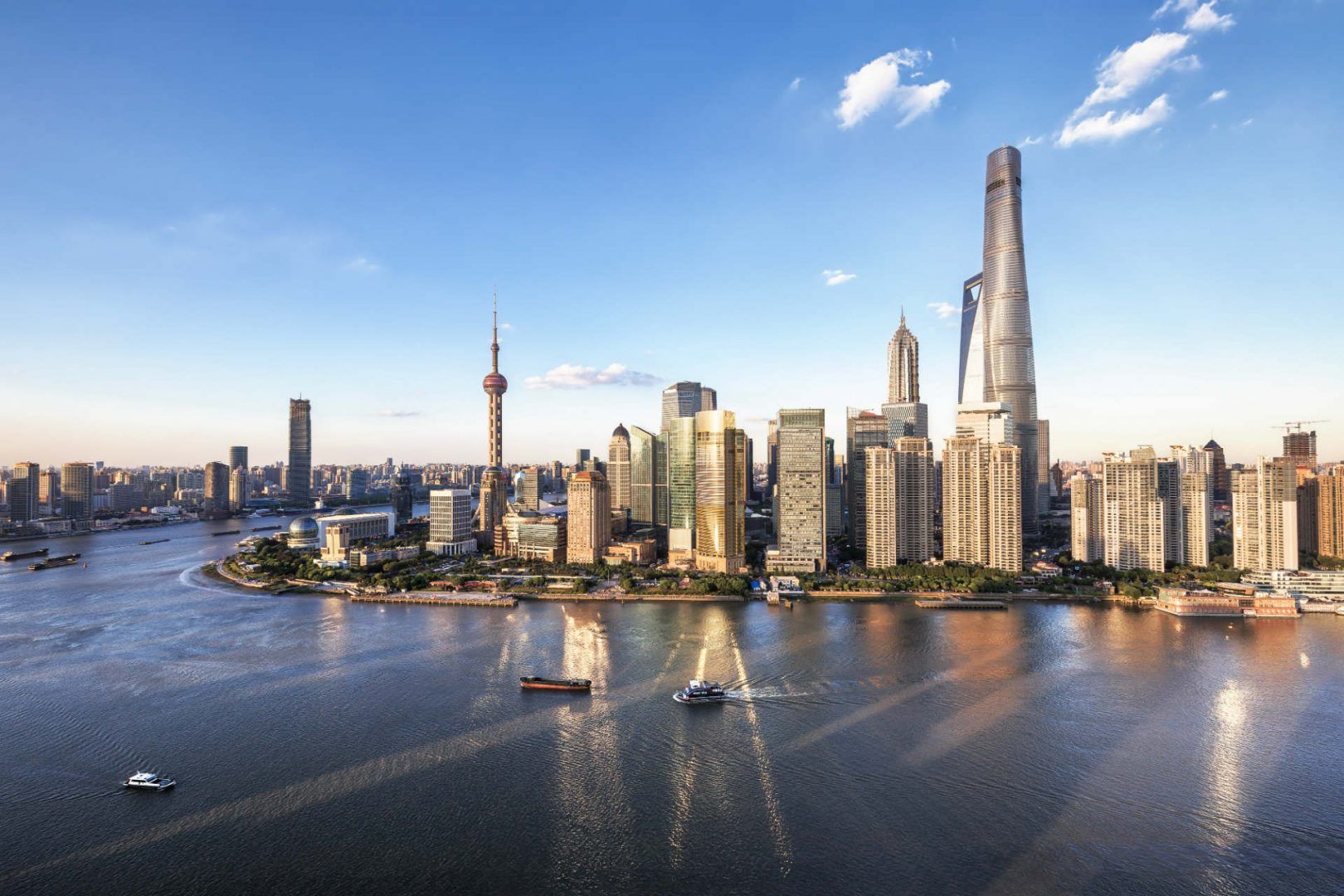
Lujiazui Financial District, Shanghai, China @ Shutterstock
Who is Shanghai best for?
You will probably enjoy Shanghai if you like energetic cities, varied dining, and the option to dip into culture without committing your whole trip to museums and monuments. First-time visitors to China who want an accessible introduction, business travelers adding a few extra days, and couples who enjoy skyline views, cocktails, and design-led hotels tend to get the most from time here. Older children and teens often respond well to the city lights, shopping streets, and interactive attractions, so Shanghai can work for urban-minded families too.
You may prefer another destination if your ideal holiday centers on beaches, dramatic natural scenery, or remote hiking. Travelers who want traditional villages as their main focus, or who dislike big-city pace, may feel more at home in smaller historic cities or countryside regions elsewhere in China.
If your priority is long adventure journeys, high mountains, or desert landscapes, Shanghai is better kept as a short stop at the beginning or end of a wider itinerary rather than the core of your trip.
How does Shanghai fit into an itinerary?
Shanghai usually works best at the beginning or end of your time in China, thanks to its major international airport links and smooth onward connections by high-speed rail and domestic flights.
Many travelers fly in, spend two to three nights adjusting to the time zone and settling into the rhythm of urban China before moving on to other regions. Others prefer to end their route here, using the city for last-minute shopping, flexible dining options, and a comfortable final night close to departure.
Because transport is efficient and straightforward, Shanghai also functions well as a base for one or two-day trips to nearby areas, without the need to repack frequently. Slotting it mid-trip can add a change of pace after time in more traditional or rural destinations, giving you a few days of comparative comfort and convenience before continuing.
A tailored itinerary can place Shanghai at the start, middle, or end of your route, depending on your flight schedule, preferred pace, and the mix of regions you want to include.

Shanghai skyline, Huangpu River, China @ Shutterstock
How many days do you need?
Most travelers spend two to four days in Shanghai. A single full day lets you concentrate on one or two core areas, such as the Bund and a nearby historic neighborhood, with an evening skyline walk.
With two days, you can balance classic riverside views with time in contemporary districts, trying different restaurants and cafés without rushing. Three days add space for slower exploration of contrasting neighborhoods or a flexible half-day side trip.
Longer stays work well if you want an unhurried base at the start or end of a wider China journey, using Shanghai for recovery time, easy logistics, and day trips.
| Days | Recommended focus |
|---|---|
| 1 day | Iconic Bund skyline and one characterful neighborhood |
| 2 days | Riverside walks, contrasting old and new districts, varied dining |
| 3 days | Deeper neighborhood exploration plus a flexible excursion |
| 4+ days | Slow-paced city stay and day trips before or after other regions |
Best region combinations
Shanghai pairs naturally with nearby water towns such as Zhujiajiao or Tongli for a contrast between dense city life and canalside streets.
Many travelers also combine Shanghai with Hangzhou, linking high-speed train travel with time by West Lake for a greener, slower-paced interlude.
Suzhou works well in the same way, adding classical gardens and historic lanes to an otherwise modern itinerary.
For longer trips, you might start in Shanghai and continue inland to Huangshan for mountain scenery before looping back via Hangzhou. These combinations create itineraries that move from urban energy to quieter historic or natural settings in an efficient route.
When is the best time to visit Shanghai?
The best time to visit China for Shanghai is during spring, from March to May, or fall, from late September to November. Mild temperatures and manageable humidity make riverside walks and exploring contrasting neighborhoods on foot more comfortable.
Summer can be hot, humid and occasionally stormy, but longer evenings suit skyline views, indoor dining, galleries and shopping. Winter is colder and grayer, yet crowds are thinner and hotel availability may improve, making it a practical time to begin or end a longer China itinerary.
Major holidays, especially Chinese New Year and Golden Week, bring larger crowds and higher prices. Seasonal planning may shift more time indoors during extreme heat or cold, favor early-morning walks in warmer months and use quieter districts or day trips when central areas are busiest.

Food in Shanghai @ Shutterstock
Experiences to include in Shanghai
Shanghai combines futuristic architecture, historic neighborhoods and a dynamic waterfront shaped by global trade. Its mix of heritage, food, design and modern city life makes it an essential stop on a wider China itinerary.
Stroll the Bund and cruise the Huangpu at night
Reserve an evening to walk the Bund promenade between Waibaidu Bridge and Yanan Road, then take a short Huangpu River cruise to see Pudong's skyline lit up. It suits first-time visitors and gives a strong sense of Shanghai's waterfront drama.
Explore contrasting neighborhoods from the Former French Concession to Xintiandi
Spend half a day on the tree-lined streets around Yongkang Road and Fuxing Middle Road in the Former French Concession, then contrast them with the redeveloped shikumen lanes of Xintiandi. This slow neighborhood exploration rewards café-hopping travelers who enjoy architecture and people-watching.
Take in the city views from Lujiazui's towers
Lujiazui is one of the top attractions in China for panoramic views of Shanghai’s futuristic skyline. Spend an evening visiting an observation deck in Shanghai Tower or the Shanghai World Financial Center, then have dinner nearby at IFC Mall. The elevated views help first-time visitors understand the city’s scale and rapid vertical growth.
Unwind in classical gardens and historic lanes in Yu Garden area
Set aside a morning around Yu Garden and the surrounding Yuyuan Old Street to experience traditional pavilions, ponds, and busy market lanes in one compact district. This suits travelers who want accessible heritage without leaving the city center.
Sample regional Chinese cuisines around People's Square and Jing'an
Use evenings near People's Square and Jing'an Temple to try restaurants specializing in Shanghainese dishes, Sichuan cooking, and dim sum in a single stay. This approach suits food-focused travelers who prefer varied, walkable options over a single destination restaurant.
Add a day trip to Zhujiajiao or Suzhou for canalside history
Dedicate one full day to a canalside town such as Zhujiajiao or the historic quarters of Suzhou. Both offer narrow lanes, stone bridges, and slower rhythms that contrast with central Shanghai, justifying an extra night in the city for easy rail or road access.

Shanghai by night © ESB Professional/Shutterstock
Planning Shanghai with local expert tips
Shanghai is vast, but many visits revolve around a relatively small number of neighborhoods on either side of the Huangpu River. A local expert can choose a base around the atmosphere you prefer, then plan transfers and excursions so the city fits naturally with Suzhou, Hangzhou or the next stop on your China itinerary.
Where to stay in Shanghai
The Bund puts the riverfront and historic architecture close by, while areas around the former French Concession offer tree lined streets, restaurants and a more residential feel. Pudong can be convenient for travelers with business or plans around Lujiazui, although staying there creates a different experience from being among the older neighborhoods west of the river. Your local expert can recommend one area based on how you expect to spend your days rather than moving hotels across the city.
Shanghai also works well as a gateway to the Lower Yangzi region, but not every nearby destination needs to become a return excursion. If Suzhou or Hangzhou is important to you, your expert can place an overnight there instead of repeatedly traveling out from Shanghai.
How transportation can be arranged
Shanghai has two major airports, Pudong and Hongqiao, as well as several railway stations, so the location of your arrival and departure matters when planning transfers.
Hongqiao is particularly useful for many high speed rail services, while Pudong handles a large share of international flights. Within Shanghai, the extensive metro is practical for many journeys, with private transportation useful when several stops or luggage are involved.
A local expert can coordinate airport and station transfers with your confirmed services and avoid unnecessary journeys across the city. If Shanghai is followed by Suzhou, for example, they can arrange the appropriate station transfer and onward train, then adapt the timing around your hotel check out and plans for your final morning.