Northern Taiwan combines the country’s main urban hub with quick access to coasts and mountains, making it a practical anchor for a multi-day itinerary. Travelers often start or end their trip here, using Taipei’s international connections and transport links to reach other regions.
The area suits first-time visitors who want a mix of city neighborhoods, night markets, short hikes, and straightforward day trips. Within a longer Taiwan route, it usually fills a three- to five-day slot before continuing down the west coast, cutting across central Taiwan, or following the rail line to the east.
Why visit northern Taiwan?
Northern Taiwan stands out for the way Taipei's neon-lit streets, steaming food stalls, and contemporary art spaces sit within an hour of wave-battered cliffs, tea-covered hillsides, and sulfur-scented volcanic landscapes. Few other parts of Taiwan let you ride a metro line in the morning and be soaking in a mountainside hot spring or walking an old mining street by afternoon.
Making time here lets you feel the island's modern pulse while still catching glimpses of Japanese-era alleyways, temple courtyards thick with incense, and fishing harbors serving seafood straight from the boats.
Even a short stay leaves you with vivid scenes of late-night market tastings, mist rolling across forested ridges, and the glow of lanterns reflected in narrow lanes, a compact way to experience Taiwan's tight weave of city life and raw coastal and mountain scenery.

Beitou Hot Springs, Taiwan
Who is northern Taiwan best for?
You'll probably enjoy northern Taiwan if you like combining city energy with low-effort day trips. First-time visitors who want an easy introduction to Taiwan, with clear transport and straightforward logistics, tend to find this region reassuring. It works particularly well if you enjoy exploring different neighborhoods, sampling street food in the evenings, and adding short walks or viewpoints rather than committing to full-day treks.
Families and mixed-age groups often appreciate how flexible days can be, with options to split time between museums, kid-friendly attractions, and relaxed cafe stops. Couples who enjoy food-focused travel, night markets, and atmospheric old streets rather than secluded beach resorts also tend to feel at home here. Short stays are especially rewarding for travelers who like to keep a loose plan and decide on the day which area to explore.
You may prefer another destination if you're picturing a classic beach holiday with long days on the sand, or if you want multi-day wilderness trekking far from urban areas. Travelers seeking ultra-remote, off-grid experiences or high-adrenaline adventure sports might be happier focusing on Taiwan's central mountains or more rural coasts instead.
How does northern Taiwan fit into an itinerary?
Northern Taiwan usually anchors your route, with Taipei as the main arrival and departure point before you continue south or fly onwards in Asia. Many travelers begin with a few nights here to adjust to the time zone and get used to local transport, then move on to central or eastern Taiwan by high-speed rail, regular trains, or private transfers. Others end their holiday in the north, returning for last-minute shopping and straightforward access to the international airport.
Because distances are short, northern Taiwan often works best as a hub-and-spoke base rather than a point-to-point road trip. Travelers typically spend three to five days here within a longer Taiwan plan, using the metro and occasional drivers or trains for short hops between districts and nearby towns.
With more time, a tailor-made route can weave the north into a broader loop that also includes the west coast, central mountains, and the east coast, balancing faster-moving city sections with slower stays in quieter areas.

Waiao Beach in northern Yilan County of Taiwan © Shutterstock
How many days do you need?
Most travelers allow three to five days for northern Taiwan, using Taipei as a base and adding nearby coastal or mountain towns. Shorter visits focus on a few city districts and one easy day trip, while longer stays weave in more varied scenery without feeling rushed.
| Days | Suggested route | Ideal pace |
|---|---|---|
| 2 days | Taipei highlights plus one half-day side trip (e.g., Beitou hot springs or Maokong) | Fast, best for stopovers |
| 3 days | Taipei neighborhoods, temples, night markets, and a full-day trip to Jiufen or Yangmingshan | Balanced but busy |
| 4-5 days | Deeper Taipei exploration with two or three day trips to Jiufen, Pingxi, Tamsui, or the North Coast | Comfortable, time for cafe stops and evening strolls |
Extra days let you slow down in old streets, try more night markets, and explore different landscapes, from volcanic hills to fishing harbors, rather than rushing between viewpoints.
Best region combinations
A classic combination links northern Taiwan with Hualien and Taroko Gorge on the east coast, traveling by scenic train from Taipei and suiting travelers who want city energy followed by dramatic marble canyons and coastal views.
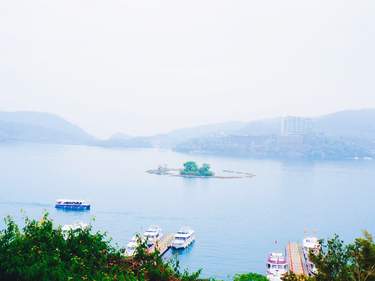
Another option pairs Taipei with Sun Moon Lake in central Taiwan, ideal for couples who enjoy lakeside cycling and quieter evenings after night-market crowds.
Families often combine northern Taiwan with Taichung plus nearby Rainbow Village and Gaomei Wetlands, keeping transfers to around one to two hours by high-speed rail plus local transport.
Food-focused travelers might add Tainan in the southwest, moving from Taipei's street stalls to historic alleyways and snack culture further south.
Those with more time can loop north-east-central, returning to Taipei for an easy departure.
When is the best time to visit northern Taiwan?
March to May and October to November are generally the best times to visit Taiwan for travelers exploring the north, with warm temperatures, manageable humidity and fewer heavy downpours. These seasons are well suited to combining city sightseeing, temple visits and light hikes.
Summer is hotter and more humid, with afternoon showers and larger school-holiday crowds, though longer evenings suit night markets and festivals. Winter is cooler, cloudier and often drizzly, but hot springs, museums and teahouses make the region rewarding year-round.

Taipei, Taiwan
Experiences to include in Northern Taiwan
Northern Taiwan combines lively cities, historic towns, hot springs and a rugged coastline within easy reach of Taipei. Visitors can explore temples, markets, mountain trails, coastal rock formations and traditional teahouses across a compact and varied region.
Wander Taipei's contrasting neighborhoods
Balance time between Ximending's neon streets, Dadaocheng's historic shophouses around Dihua Street, and Yongkang Street's cafes. A day or two lets you mix food stops, boutique browsing, and easy walks, ideal for first-time visitors and relaxed explorers.
Sample night markets and street food
Dedicate at least one evening to grazing through Shilin Night Market or Raohe Street Night Market, trying snacks like pepper buns, oyster omelets, and bubble tea. It suits curious eaters and families who enjoy informal, lively dinners and people-watching.
Ride Maokong Gondola into Taipei's green hills
From Taipei Zoo Station, the Maokong Gondola climbs into tea-growing hills above the city. Allow half a day for short walks, teahouses, and views back to Taipei 101. It is gentle, scenic, and easy to fit between urban sightseeing days.
Take a coastal day trip to Jiufen and Jinguashi
Jiufen Old Street and nearby Jinguashi rank among the top attractions in Taiwan for their hillside teahouses, narrow lanes and sweeping sea views. Allow a full day for slow walks, photo stops and a quieter small-town contrast to Taipei.
Explore volcanic landscapes around Yangmingshan
Yangmingshan National Park, north of Taipei, offers steaming vents at Xiaoyoukeng, short boardwalk trails near Qingtiangang, and seasonal flowers. A half or full day here suits walkers who prefer gentle gradients, with access by bus or private transfer.
Unwind in Beitou hot springs
On Taipei's MRT line, Beitou combines the Hot Spring Museum, Thermal Valley, and public or private baths. Reserve several hours to soak and pause between busier sightseeing days; it is especially appealing in cooler months or on cloudy afternoons.

Neipi Beach in Nanfangao of Suao Township, Yilan, Taiwan © Shutterstock
Planning Northern Taiwan with local expert tips
Northern Taiwan extends beyond Taipei to historic towns, mountain landscapes, hot springs, and a rugged coastline shaped by the Pacific. Local experts can use the capital as a convenient starting point while identifying which places work well as excursions and where an overnight stay gives you a more rewarding change of pace.
Where to stay in Northern Taiwan
Taipei can remain your base for many northern excursions, particularly when visiting places with good rail connections. Jiufen offers a different experience, with hillside lanes and coastal views that become quieter after many daytime visitors have left.
Beitou is convenient for travelers who want a hot spring stay without moving far from Taipei, while the northeast coast offers smaller bases for those who prefer sea views and a slower pace.
Changing hotels for every destination is unnecessary. Your local expert can add one overnight outside Taipei when it creates a genuine contrast, perhaps choosing Jiufen for atmosphere or a hot spring property for relaxation, while keeping other northern sights as carefully grouped day trips.
How transportation can be arranged
Taiwan’s rail network makes many parts of the north accessible from Taipei, with local buses and private transportation filling the gaps between stations and more remote sights.
Private road travel becomes particularly useful when combining mountain villages, the northeast coast, and geological landscapes that would otherwise require several separate connections. Weather can influence coastal walks and mountain plans, so some flexibility is worthwhile.
Your expert can arrange a route that leaves Taipei by rail or private vehicle, combines complementary stops such as Jiufen and the northeast coast, and returns by a different route when practical. If you are continuing to Hualien, they can also position your final northern stop around the most convenient east coast rail connection.