The Ayeyarwady Delta is one of Burma-Myanmar's most distinctive natural regions, a flat labyrinth of rivers, creeks and paddy fields spreading out from the lower Ayeyarwady River. Its low-lying, waterlogged landscape contrasts clearly with the country's hill regions and dry central plains.
This area is for understanding rural life, rice cultivation and river transport rather than visiting major monuments. It deserves time in a multi-day itinerary if you prioritize slow travel, village visits and boat trips. The delta is usually combined with Yangon and central Myanmar, adding a practical, everyday perspective that balances more temple-focused parts of a route.
Why visit Ayeyarwady Delta?
The Ayeyarwady Delta offers an unusually intimate window onto Myanmar's relationship with water. Here you can drift along narrow creeks where palm-fringed banks are just an arm's length away, watching farmers and fishermen work within the same tidal rhythms that shape their villages.
Dawn and dusk on the water reveal a quiet, reflective side of rural life, with monks taking boats between monasteries and riverside hamlets. Because the delta is crisscrossed by countless small channels rather than one grand river, you can follow everyday routes used by locals instead of set sightseeing circuits.
Seasonal flooding, rice planting and harvest rituals structure the year, so your time on the water aligns closely with agricultural cycles. This close, continuous contact with working waterways is hard to experience with the same intensity in Myanmar's hill regions, cities or major temple zones.
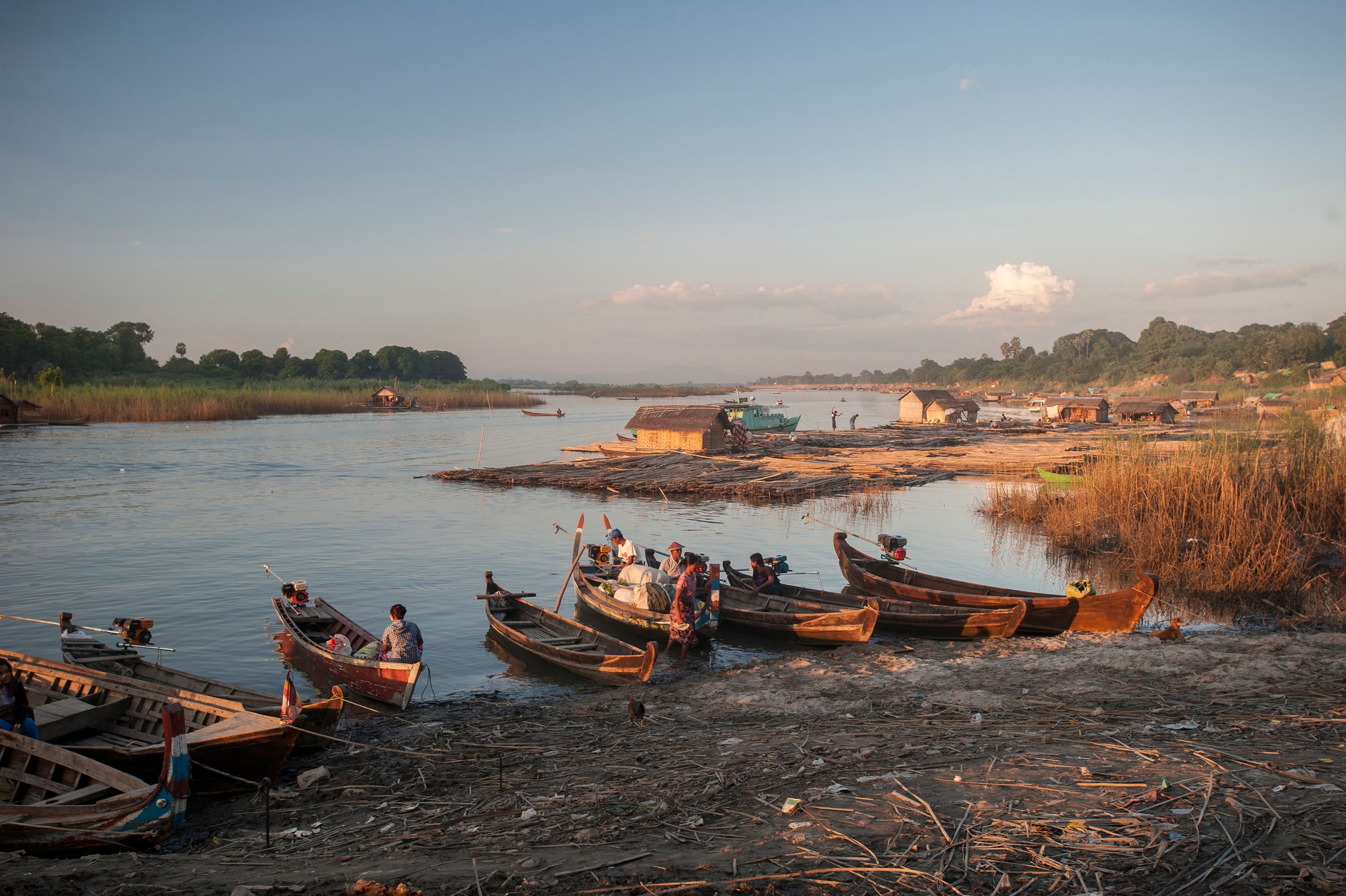
Myanmar, Mandalay region, Mandalay, Ayeyarwady River
Who is the Ayeyarwady Delta best for?
You'll probably enjoy the Ayeyarwady Delta if you like unhurried, people-focused journeys more than checking off famous landmarks. Photographers who favor candid scenes of everyday life, soft dawn or dusk light on waterways and small-boat markets will find plenty to capture.
Culturally curious visitors who enjoy chats in teashops, local ferry rides and informal village walks tend to get the most from time here. This region also works well for families or small groups who are comfortable with simple accommodation and want children to see how river-based communities live and work.
You may prefer another destination if you want long hikes, big viewpoints or concentrated wildlife watching; Myanmar's hill regions and national parks are better choices. Travelers focused on sleek resorts, gourmet dining and spa time are usually happier on the coast or around higher-end lakes.
If you prefer fast-paced touring with major monuments every day, it makes more sense to center your trip on Bagan, Mandalay and Inle Lake.
How does Ayeyarwady Delta fit into an itinerary?
The Ayeyarwady Delta is usually woven into a broader Myanmar route rather than planned as a standalone destination. Many travelers add one or two nights here after time in Yangon, before continuing towards classic highlights such as Bagan, Mandalay or Inle Lake. It often works best as a gentle mid-trip interlude, breaking up a sequence of temple visits and city stays with slower, water-based days.
Most itineraries rely on a combination of road transfers from Yangon and local boats to move between small towns and riverside villages, keeping distances short and manageable. One overnight stop is enough for a brief taste, while two to three nights suit those who want unhurried exploration by boat and on foot.
Including the delta typically softens the overall pace of your journey, encouraging longer stays in fewer places and more relaxed daily planning, with flexible time built around ferry schedules and tidal conditions.

Sunset at U Bein bridge in Myanmar © Shutterstock
How many days do you need?
The Ayeyarwady Delta lends itself to short, unhurried stays. Many travelers devote 1-2 days as an extension from Yangon, using a local base for boat trips along narrow creeks and unpaved village lanes.
With 3-4 days, you can explore different branches of the delta, alternate between boat and walking excursions, and build in time for markets and teashops without feeling rushed.
Longer stays suit travelers who enjoy getting to know a single community in depth rather than ticking off sights.
| Days | Recommended focus |
|---|---|
| 1 | Introductory boat trip and village walk from a single base |
| 2 | Two contrasting creeks or towns, sunrise and sunset on the river |
| 3-4 | Slower exploration, markets, school or monastery visits |
| 5+ | In-depth immersion in one area, photography and seasonal activities |
Short visits work well when you mainly want a taste of river life, while extra days reward curious travelers who value repeated encounters and flexible plans.
Best region combinations
The Ayeyarwady Delta combines naturally with Yangon, just a few hours away by road. A common route is Yangon - Ayeyarwady Delta - Bagan - Mandalay, starting with colonial streets and pagodas before shifting to river villages, then finishing with Myanmar's classic temple and royal city highlights.
Adding Inle Lake after Bagan or Mandalay creates a journey that traces water-based life from tidal creeks to highland lakes.
Travelers with more time can include the coast around Ngwe Saung Beach or Ngapali Beach at the end, using the delta as a bridge between urban Yangon and the sea.
These combinations work because travel times are manageable and each step adds a different side of Myanmar: city, river plains, ancient capitals, and lakes or beaches.
When is the best time to visit Ayeyarwady Delta?
The best time to visit Myanmar for the Ayeyarwady Delta is from November to February, when cooler, drier weather brings clearer skies, easier village walks and more comfortable boat journeys. This is also the most popular period for exploring the region.
March to May is hotter and more humid, so early-morning and late-afternoon outings are usually more comfortable than midday activities. From June to October, monsoon rains can swell creeks, flood paths and disrupt ferry or overland access.
The rainy season brings vivid green rice fields and dramatic skies, but itineraries need greater flexibility. Boat trips can still operate, although routes often shift toward shorter journeys between nearby villages rather than longer circuits across the delta.
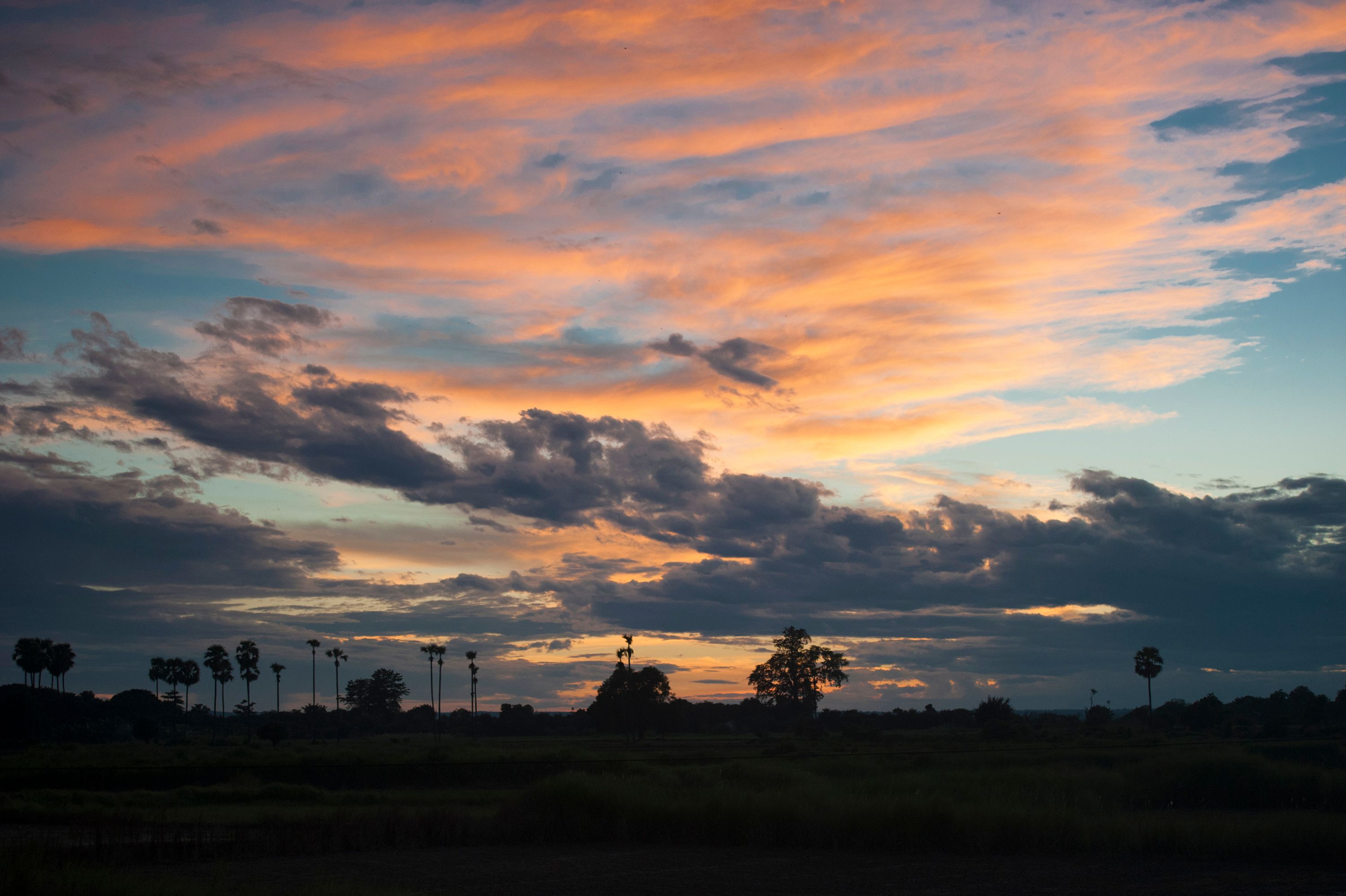
Myanmar, around Mandalay, Monywa, sunset over the river
Experiences to include in Ayeyarwady Delta
The experiences below highlight the Ayeyarwady Delta's slow, water-based rhythms, from creek-side villages to rice fields and fishing grounds, helping you choose the most rewarding ways to spend time in this river-woven landscape.
Drift along the creeks near Bogale
The waterways south of Bogale are among the top attractions in Myanmar for quiet boat journeys through stilted villages, rice fields and working fishing communities. Allow half a day to explore narrower branches and stop in small riverside hamlets. Simple jetties and local teashops add to the experience, making this especially rewarding for photographers and culturally curious travelers.
Join river life around Pyapon
Base yourself in Pyapon for a half- or full-day on local ferries and chartered boats along the Ayeyarwady's distributaries. Watch cargo barges, fish markets and village jetties in action. This suits travelers who enjoy informal encounters and observing everyday routines from the water.
Walk through rice villages near Dedaye
From Dedaye, spend a few hours walking raised paths between rice paddies and irrigation channels. Visit small monasteries and village teashops, learning how seasonal flooding shapes agriculture. Paths can be muddy and basic, suiting active travelers happy with simple conditions and flexible plans.
Sunrise and sunset boat trips from Maubin
Use Maubin as a base for short dawn and dusk cruises on nearby creeks, when fishing boats, monks and market boats animate the water. Allow two to three hours each outing. Light is beautiful for photography, and river breezes make conditions more comfortable.
Market and monastery visit in Hinthada
Combine Hinthada's riverside market with a visit to a local monastery on the Ayeyarwady's banks. Spend a morning browsing produce stalls, then continue on foot or by trishaw to monastic compounds. This gentle outing suits families and travelers interested in daily commerce and religious life.
Follow the river roads between Nyaungdon and Danubyu
Drive or cycle the rural road between Nyaungdon and Danubyu, stopping at small villages, pagodas and river viewpoints. Allow a half-day with frequent pauses for photos and short walks. Surfaces can be rough, so it best fits flexible travelers who enjoy unscripted, low-key exploration.

Bagan transport, Myanmar, Burma @ Shutterstock
Planning the Ayeyarwady Delta with local expert tips
The Ayeyarwady Delta is a landscape of rivers, farming communities and waterways spreading southwest from Yangon toward the Andaman Sea. Travel here depends heavily on road and river connections, so Local experts can shape the route around the places that are realistically accessible during your dates rather than trying to cover too much of the delta.
Where to stay in Ayeyarwady Delta
Pathein is one of the main urban centers of the delta and can provide a practical base when traveling through the region. Accommodation becomes more limited away from the larger towns, making the location of each overnight particularly important. Your local expert can choose stops that support the route rather than adding long detours simply for a different hotel.
If the journey extends toward the coast, it may be worth moving closer to your next destination instead of returning to Pathein each evening. A shorter itinerary may be better focused on one part of the delta, especially when road conditions and river crossings increase travel time. Your expert can adjust the number of overnight stops to your pace and to current local access.
How transportation can be arranged
Road travel from Yangon is a common way to approach the delta, with private transportation offering greater flexibility once the journey moves beyond the principal towns. Ferries and local boats may form part of some routes because waterways remain central to the region, although the usefulness of individual connections depends on current operating conditions. A local expert can check those arrangements close to your travel dates and avoid building the itinerary around a connection that is unreliable or unavailable.
Travel times can also vary with weather and road conditions, so generous margins are preferable when an onward flight is involved. If your trip continues back through Yangon, your expert can arrange the final delta overnight and departure time around your confirmed flight rather than relying on a tight same day connection.