Bagan is a logical stop on a wider journey through Burma-Myanmar because it concentrates many of the country’s historic temples and pagodas in a compact area that is easy to navigate. Travelers can quickly see why it is often used to represent the country’s cultural heritage in a single skyline.
In practical terms, Bagan works best as a short stay of two or three nights rather than a simple day trip. This allows time to see key temple areas at different times of day, fit in a river cruise or e-bike tour, and adjust plans around heat or weather without having to rush between sites.
Why visit Bagan?
Bagan offers an almost otherworldly concentration of ancient temples rising from the plains, giving you a sense of scale and immersion in history that you will not find elsewhere in Burma-Myanmar. Beyond simply viewing monuments, you experience the landscape shifting throughout the day: cool, misty dawns, golden late-afternoon light, and quiet evenings among shadowed brick stupas.
From riverbanks where pagodas line the Ayeyarwady to dusty tracks leading to frescoed interiors and towering, cavernous halls, the temples feel woven into the everyday landscape. Murals, carved stone, and weathered stucco reveal changing beliefs and royal ambitions over centuries in a single compact area.
You leave Bagan with the impression of a vast sacred city spread under open skies, and a concrete sense of how religion, power, and river life have shaped Burma-Myanmar's historic heartland.
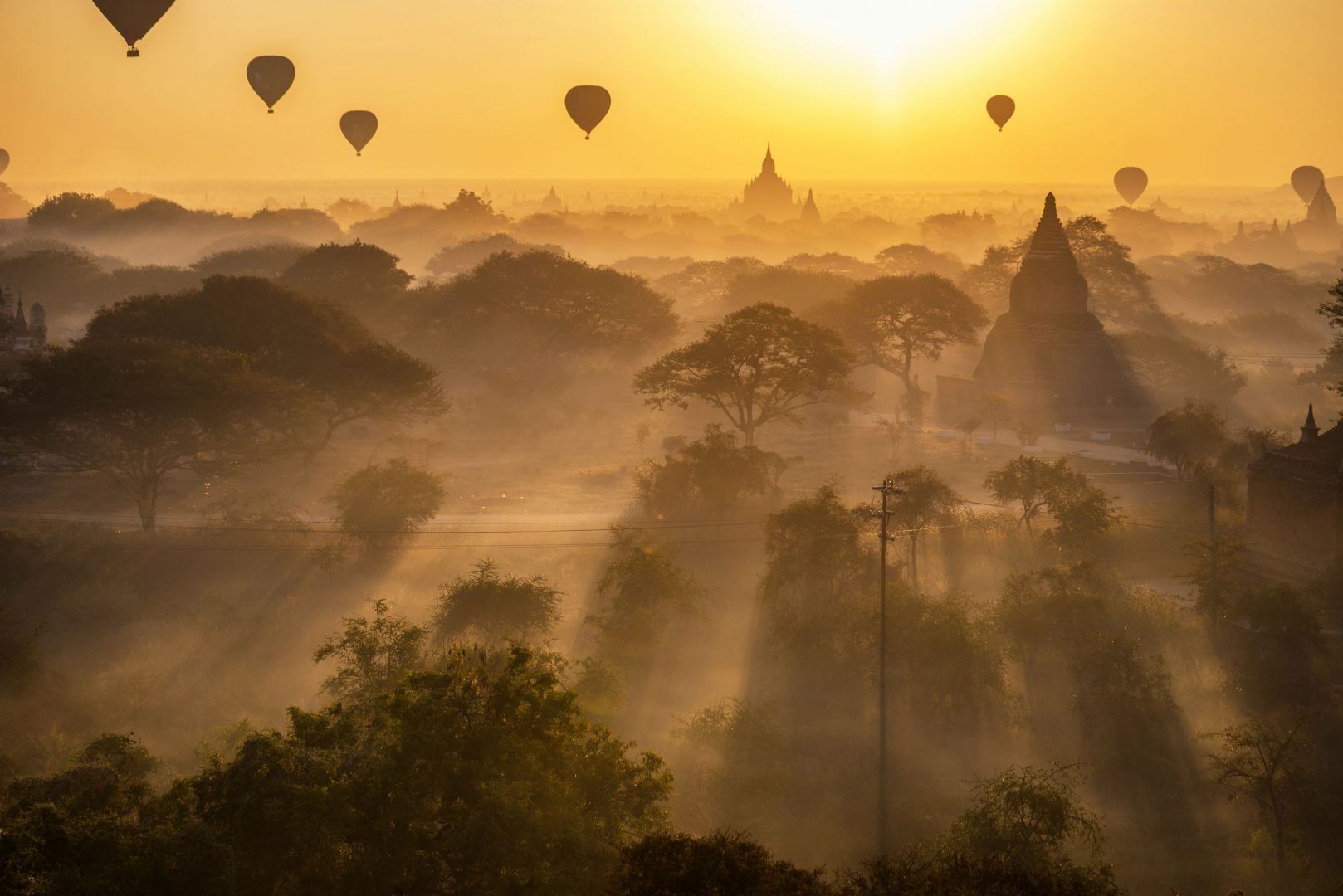
Bagan, Myanmar
Who is Bagan best for?
You will probably enjoy Bagan if you prefer reflective, unhurried travel to ticking off lots of modern attractions. Culture lovers and history enthusiasts who like to linger over details, climb viewpoints, or dip in and out of smaller temples at their own pace tend to get the most from a stay here.
Couples often value the shared quiet of early starts and evening outings, while photographers and other creative travelers find plenty of material in the changing light and silhouettes. Older children and teens who are curious about the past and can cope with heat and some walking usually do well.
Another destination may be a better fit if you want nightlife, shopping streets, or varied dining right outside your hotel, or if younger kids in your group need playgrounds, pools, and frequent structured activities.
When your schedule is tight, consider visiting Bagan as a single, intensive day with a focused tour, then spending your nights in places that match your preferred pace and amenities elsewhere in Burma-Myanmar.
How does Bagan fit into an itinerary?
Bagan usually sits at the heart of a tailor-made trip in Burma-Myanmar, acting as a natural pause between the bustle of Yangon and the cooler highlands around Inle Lake or Kalaw. Travelers typically arrive by short domestic flight or an overland transfer from Mandalay, then spend two or three nights to break up longer travel days and rebalance the pace of their journey. Rather than a quick day trip, it works best as an unhurried stay that allows time for early starts, long midday breaks, and relaxed evenings.
In many custom routes, Bagan follows an initial city stay in Yangon or Mandalay before you continue onward to lakes, hills, or beach time at Ngapali. Adding it encourages a slower rhythm overall, with fewer hotel changes and longer stops in each place.
This makes Bagan a cornerstone of itineraries planned for thoughtful travel rather than fast-paced box-ticking, and it often becomes the point in your journey where you can settle into the country and its culture.

Burmese man with traditional dress in Bagan, Myanmar © Shutterstock
How many days do you need?
Bagan rewards at least two full days, but shorter stops can still be worthwhile. In half a day, you might focus on one or two major pagodas and a viewpoint for sunset. A single full day lets you add a broader temple circuit by e-bike or car plus a riverfront stop.
With two or three nights, you can spread visits across cooler early mornings and late afternoons, fit in a sunset cruise or village visit, and still enjoy relaxed breaks at your hotel.
| Time | Recommended focus |
|---|---|
| Half day | Highlight temple and sunset viewpoint |
| One day | Main temples, simple e-bike loop, sunset |
| One night | Sunset on arrival, sunrise temples next morning |
| Two-three nights | Sunrise and sunset, quieter temples, river or village experiences |
Extra time mainly adds flexibility around heat, space for side trips, and the chance to appreciate Bagan's atmosphere without rushing.
Best region combinations
A classic cultural route links Yangon, Bagan and Mandalay, usually flying Yangon-Bagan-Mandalay in 3-5 hours of combined travel, with Bagan as a two- or three-night stay. Bagan also pairs well with Inle Lake: fly Bagan-Heho in about 1 hour, then drive to Nyaung Shwe, placing Bagan before or after a cooler lakeside stay.
Overland travelers might connect Mandalay-Bagan by road or riverboat, using Bagan as an overnight hub before continuing to Monywa or Pyay.
For trekking, combine Bagan with Kalaw, routing Bagan-Heho by air then driving to Kalaw, keeping Bagan as a restorative stop after hikes.
Beach time at Ngapali can bookend a trip with Yangon and Bagan in between, with short flights and Bagan again best as a two- or three-night cultural centerpiece.
When is the best time to visit Bagan?
The best time to visit Myanmar for Bagan is from November to February, when clear skies, lower humidity and comfortable temperatures suit temple visits and early starts. This is also the busiest period, so crowds and prices are usually higher.
March to May brings intense heat, making longer midday breaks, air-conditioned transport and shorter sightseeing circuits especially helpful. From June to October, showers are more common, the landscape turns greener and visitor numbers fall. Some dirt tracks can become muddy, while changing river levels may affect cruises.
October and late February often offer a good balance of favorable weather and fewer visitors. Seasonal planning may also shift temple visits to cooler times of day, prioritize shaded sites and adjust river trips or rest days around local conditions.

Bagan, Myanmar
Experiences to include in Bagan
These experiences highlight the most rewarding ways to use limited time in Bagan, focusing on varied perspectives on the temple plain and nearby villages rather than trying to see every monument.
Sunrise and sunset over the Bagan plains
Watching first light or dusk from viewpoints near Shwesandaw Pagoda or around the Taung Guni temples is one of Bagan's defining experiences. Allow 2-3 hours including travel and wandering. It can be paired with daytime temple circuits or an evening river cruise.
E-bike exploration between Old Bagan and Nyaung U
Riding sandy tracks between Ananda Temple, Dhammayangyi Temple, and the smaller shrines around Minnanthu by e-bike offers flexible, low-effort exploration. Allow a half day. It combines easily with a long lunch in Nyaung U and a sunset stop.
Ayeyarwady River cruise at Bupaya Pagoda
A sunset boat trip from the jetty below Bupaya Pagoda is one of the top attractions in Myanmar, offering a different perspective on Bagan’s temples and riverside life. Allow two to three hours, ideally in the late afternoon as the light softens across the landscape. Combine the cruise with a morning temple circuit or a quiet evening in Old Bagan.
Village visit around Myinkaba
Time in Myinkaba village, known for lacquerware workshops and traditional houses near Gubyaukgyi Temple, adds human context to the temple landscapes. Allow 2-3 hours. It fits well into a broader southern temple circuit or an afternoon e-bike ride back toward New Bagan.
Exploring less-visited shrines near Sulamani Temple
Wandering the back lanes and small brick shrines around Sulamani Temple offers quieter, more reflective exploration than the busiest monuments. Set aside 2-3 hours in cooler morning or late afternoon. It can sit within a wider central plain loop the same day.
Evening stroll in New Bagan
An evening wandering New Bagan's small streets, teashops, and simple restaurants balances temple time with local daily life. Allow 2-3 hours for dinner and a walk. It combines naturally with a late-afternoon temple visit or river cruise beforehand.

Irrawaddy Ayeyarwady River, Bagan, Myanmar @ Shutterstock
Planning Bagan with local expert tips
Bagan’s temples and monasteries are scattered across a broad archaeological landscape rather than concentrated around a single center. Myanmar specialists can plan your stay around the areas you most want to explore, while allowing for current access conditions and changes to transportation within Myanmar.
Where to stay in Bagan
Old Bagan places you close to many important monuments, while New Bagan has a broader selection of accommodation and restaurants. Nyaung U is another practical base, particularly for travelers who prefer a livelier local center.
The distances are manageable, so changing hotels within Bagan usually offers little advantage. Instead, your local expert can select one base and organize each day geographically, reducing unnecessary journeys across the archaeological zone.
Accommodation standards and availability can change, making current local knowledge especially useful when choosing a property. If Bagan forms part of a wider Myanmar itinerary, your expert can also decide whether an extra night here is more useful than adding another brief stop elsewhere, then adapt the stay to your interests and the places accessible during your dates.
How transportation can be arranged
Bagan can be approached by road and, when operating, other domestic transportation services, but connections within Myanmar can change and should be confirmed close to departure. Once in Bagan, private vehicles are useful for covering the archaeological area, particularly when several temple groups are planned in one day. A local expert can arrange the order of visits around distances, opening conditions and any local restrictions rather than relying on a fixed circuit.
Road transfers can also connect Bagan with other destinations in central Myanmar where conditions permit. If your next stop is Mandalay, for example, your expert can review the available connection for your travel dates and arrange the Bagan departure around the safest practical route instead of assuming that previously published schedules are still operating.