Mandalay is central Burma-Myanmar's cultural and religious core, distinct from coastal areas or remote highland trekking hubs. As the last royal capital, it concentrates monasteries, craft neighborhoods, and historic sites in and around a compact urban area, making it efficient for travelers who want to understand the country's traditions without long internal journeys.
The region suits travelers focused on temples, everyday street life, and short excursions rather than remote adventure. It is typically combined with Yangon and Bagan on a multi-day route, often acting as a practical base for visiting nearby former royal capitals and Ayeyarwady river journeys.
Why visit Mandalay?
Mandalay offers an intensity of living Buddhist culture that feels different from anywhere else in Myanmar. Dawn brings the soft echo of monastery bells and barefoot monks collecting alms along quiet side streets, while teak monasteries and neighborhood teashops sit beside gold-leaf workshops and marble-carving yards.
You do not just see temples here; you watch craftsmen beat gold by hand, hear novice monks chanting in schoolyards, and walk through residential lanes scented with incense and cooking fires.
Evenings center on a quiet atmosphere: pastel light over the Ayeyarwady, hilltop sunsets framed by pagoda spires, and family-run eateries spilling onto the pavements. Time in Mandalay leaves you with a sense of Myanmar as a living, evolving culture rooted in royal tradition yet shaped every day by artisans, monks, and river life.

Sunset at U Bein bridge in Myanmar © Shutterstock
Who is Mandalay best for?
You will probably enjoy Mandalay if you are drawn to immersive cultural trips where daily rituals and craftsmanship matter more than ticking off major sights. Travelers returning to Myanmar often appreciate basing themselves here to go deeper into monastery life, local markets, and low-key evenings rather than racing between landmarks.
Couples and solo travelers who like unhurried city wandering, photography at sunrise or dusk, and simple but characterful guesthouses tend to find Mandalay rewarding. Curious families with older children who are comfortable with heat, noise, and modest infrastructure can also have meaningful experiences.
You may prefer another destination if your ideal break is centered on beaches, resort facilities, and poolside downtime, or if you are looking for polished nightlife and wide international dining choices.
First-time visitors to Myanmar who want a softer introduction with more obvious icons might feel happier starting in Yangon or Bagan, then adding Mandalay once they know they enjoy the country's pace and conditions.
How does Mandalay fit into an itinerary?
Mandalay typically works best as a mid-trip stop within a wider journey through Myanmar, often following Yangon or Bagan rather than serving as the main arrival or departure point. Many travelers spend two to three nights here, which allows enough time to settle into the city's rhythm while keeping the overall route moving.
It is frequently used as a practical base for nearby excursions, so adding an extra night can make sense if you prefer to unpack once and explore out and back rather than changing hotels repeatedly. Including Mandalay generally slows the pace of your itinerary positively, shifting emphasis toward unhurried city wandering and short outings instead of long travel days.
Local experts usually link Mandalay to other key destinations by short domestic flights or manageable overland legs, creating a logical flow that balances travel time with restorative pauses in one place.
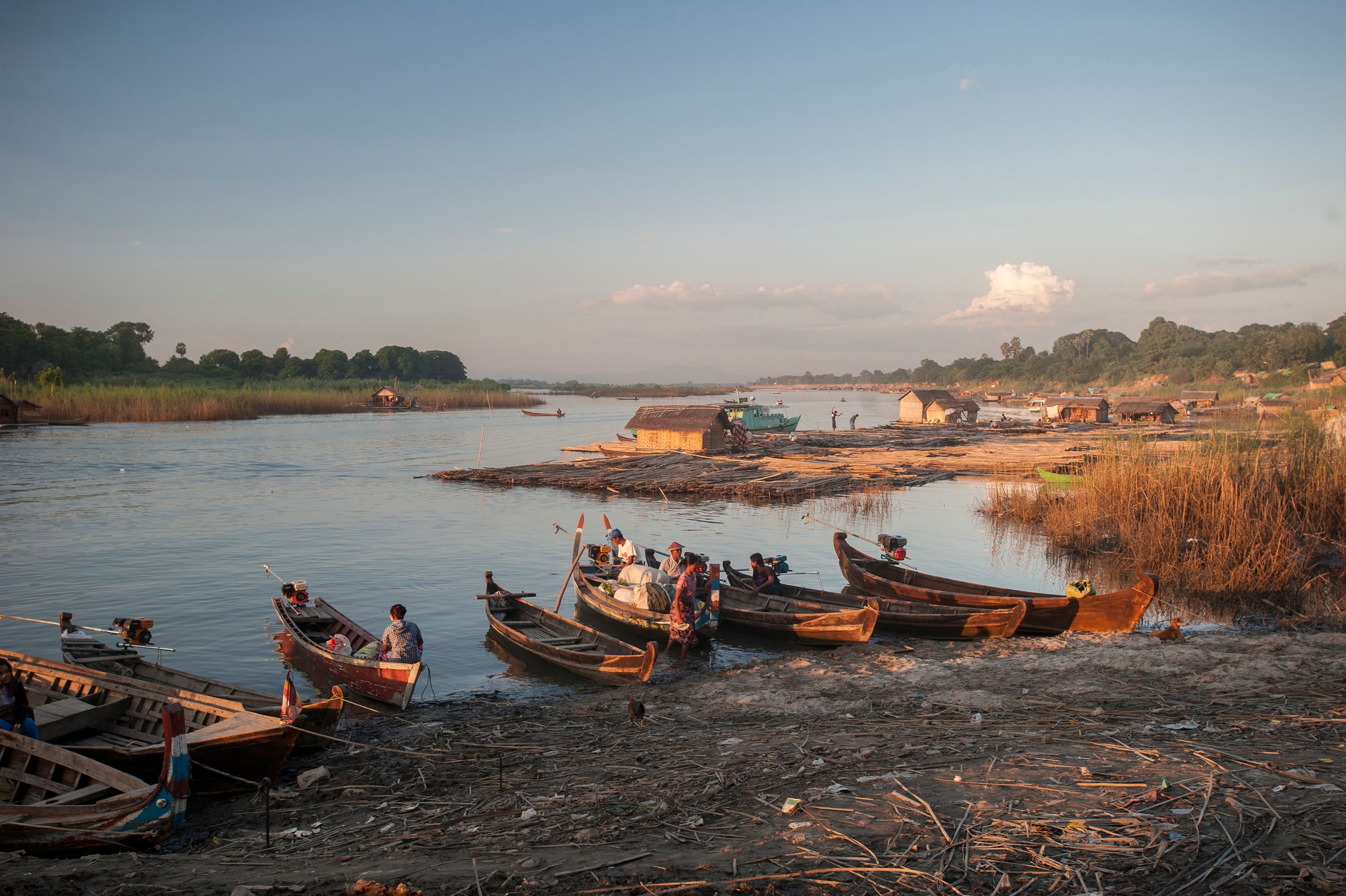
Myanmar, Mandalay region, Mandalay, Ayeyarwady River
How many days do you need?
Mandalay rewards an unhurried stay, with most travelers spending two or three nights to balance city exploration and nearby excursions. One full day lets you focus on a few highlights within the city, such as key pagodas, a monastery visit, and an evening viewpoint, but you will need to keep a steady pace.
With two days, you can slow down, revisit favorite neighborhoods at different times of day, and still have energy for sunset at a nearby former royal capital. Three or more days open up relaxed half-day trips along the Ayeyarwady, plus deeper dives into artisan quarters and quieter temples.
Shorter stops suit tightly timed itineraries, while longer stays work well for photographers and those who enjoy observing daily rhythms.
| Days | Recommended focus |
|---|---|
| 1 day | Core city highlights, one sunset viewpoint, and an introductory walk through monastic or craft districts. |
| 2 days | City sights at a gentler pace, with time for artisan workshops and riverfront wandering. |
| 3 days | Full city immersion plus a nearby former royal capital or a short river trip. |
| 4+ days | Deeper cultural focus, multiple day trips, and ample time for photography and street life. |
Best region combinations
Yangon, Bagan, and Mandalay form a natural cultural triangle, usually linked by short domestic flights or overnight trains. A common order is Yangon - Bagan - Mandalay, moving from colonial-era streets to temple-dotted plains and then to a monastic and craft center, ideal for a first-time, culture-focused trip.
Adding Inle Lake creates a four-stop route, often Yangon - Bagan - Inle - Mandalay, blending stilt-village life, vineyards, and lake markets with urban heritage
Travelers with more time might start in Mandalay, take a leisurely Ayeyarwady river journey down to Bagan, then continue to Inle Lake, creating a slower-paced itinerary that emphasizes river landscapes.
Those keen on overland travel can connect Mandalay with Pyin Oo Lwin or nearby hill areas for cooler air and colonial-era architecture before looping back to major hubs.
When is the best time to visit Mandalay?
The best time to visit Myanmar for Mandalay is from November to February, when warm days, clear skies, and lower humidity make city sightseeing more comfortable. These months attract more visitors, but Mandalay’s spread-out attractions often feel less crowded than those in larger capitals.
March to May brings more intense heat, so earlier starts, shaded monastery visits and air-conditioned breaks become especially useful. From June to October, heavier showers and higher humidity are more common, although the river landscape becomes greener and visitor numbers fall.
The rainy season can suit travelers who value atmosphere and do not mind flexible plans. Seasonal planning may shift activities to cooler mornings and late afternoons, add more rest time, and favor accommodations near covered markets or teashops.

Yadanarsemi Pagoda
Experiences to include in Mandalay
Mandalay combines royal history, active Buddhist traditions and a lively riverside setting. Its cultural depth and connections to nearby ancient capitals make it an essential stop on a wider Myanmar itinerary.
Climb Mandalay Hill at sunset
Walking up Mandalay Hill via covered stairways lined with shrines gives wide views over the city, the Ayeyarwady River, and pagoda-dotted plains. Allow around two hours in late afternoon for a gentle climb and sunset light.
Explore the teak monasteries of Amarapura and Sagaing
Bagaya Monastery in Amarapura and Soon U Ponya Shin Pagoda on Sagaing Hill are among the top attractions in Myanmar for intricate teak architecture, hilltop views and active monastic life. Allow half a day to visit both sites at a relaxed pace. This quieter circuit suits culturally curious travelers looking for a contrast to central Mandalay.
Stroll across U Bein Bridge
Time on U Bein Bridge, stretching across Taungthaman Lake near Amarapura, is about joining local commuters and monks on their daily route. Sunrise or late afternoon bring softer light, cooler temperatures, and an easy walk of about an hour.
Take a river trip to Mingun
A boat ride along the Ayeyarwady to Mingun combines calm river scenery with visits to Mingun Pahtodawgyi and the white Hsinbyume Pagoda. It suits travelers who enjoy unhurried half-day excursions and glimpses of riverside village life.
Discover traditional crafts around Mahamuni Pagoda
The neighborhoods around Mahamuni Pagoda host gold-leaf workshops, bronze casting, and marble-carving yards where artisans work in open-fronted studios. A guided half day here suits travelers interested in traditional techniques, conversation, and candid street photography.
Ride the colonial-era train to Pyin Oo Lwin
The slow train from Mandalay up to Pyin Oo Lwin passes rural villages, small stations, and cooler highland scenery. A full day or overnight in Pyin Oo Lwin rewards travelers who value scenic rail journeys and historic hill-station ambience.
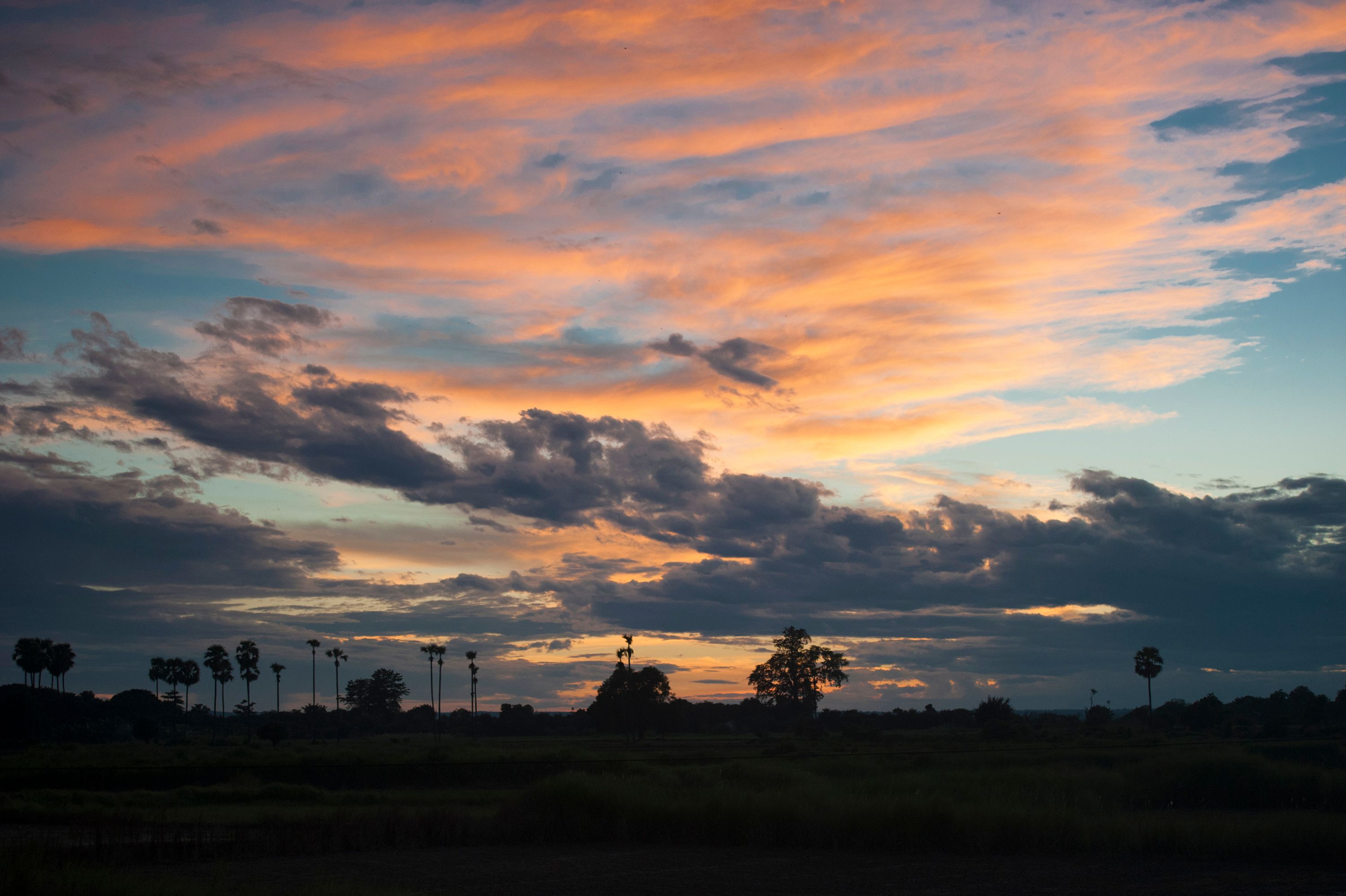
Myanmar / Around Mandalay / Monywa / sunset over river
Planning Mandalay with local expert tips
Mandalay is a useful base for exploring central Myanmar, with former royal capitals and important religious sites spread around the city and surrounding countryside. Local experts can organize these places into sensible routes while checking current access and transportation conditions for your travel dates.
Where to stay in Mandalay
Central Mandalay provides the broadest choice of accommodation and keeps restaurants and city sights relatively accessible. A quieter property farther from the busiest streets may appeal if you prefer more space, although additional driving will be needed each day. Your local expert can choose a base according to the places included in your itinerary, since excursions to Amarapura, Sagaing and other surrounding areas can involve considerable time on the road.
There is rarely a strong reason to change hotels within Mandalay itself. Instead, it can be more useful to keep one base and group visits by location. If your schedule is limited, your expert can also reduce the number of excursions around Mandalay and leave more time for the places that matter most to you.
How transportation can be arranged
Private road transportation is useful in and around Mandalay because many significant sites lie outside the central city. A local expert can arrange a driver for visits around Amarapura and Sagaing, grouping stops to reduce repeated journeys through the same areas.
Mandalay has historically been connected with Yangon, Bagan and other destinations by domestic flights, trains, buses and river services, but availability can change and should be verified for your specific dates.
Current road conditions and local restrictions also need to be considered before longer transfers are confirmed. If Bagan follows Mandalay, for example, your expert can review the practical connections available at the time and arrange the departure around your preferred pace and onward plans rather than relying on an outdated timetable.