The northeast of Burma-Myanmar is a good choice if you want to go beyond the classic Yangon-Bagan-Mandalay loop without venturing into very remote areas. The region’s appeal lies in its mix of hill landscapes, minority communities and cross-border trade towns, which feels different from the central plains and coastal zones.
It works best for travelers who are comfortable with simple infrastructure and some longer road transfers. Many itineraries add the northeast after Mandalay or Inle Lake, using it as a 3-5 day extension to experience cooler highland climates, light trekking and a more low-key, everyday side of the country.
Why visit the northeast?
The northeast of Burma-Myanmar stands apart for its cool upland landscapes, everyday border-town life and minority cultures that feel closer to Yunnan or northern Laos than to the central plains.
It is worth making time for if you want to trade grand monuments and big-city buzz for misty hillsides, rustic markets and slow journeys along winding mountain roads. Here, watching a morning truck unload goods at a frontier trading post or sharing tea-leaf salad in a wooden teahouse can be as memorable as any formal sightseeing.
This is the part of a trip where you pause, follow narrow village footpaths and notice the small details of daily life, from tea bushes on the slopes to monks collecting alms at dawn. You are likely to leave with quiet, unhurried impressions rather than a list of famous sights.
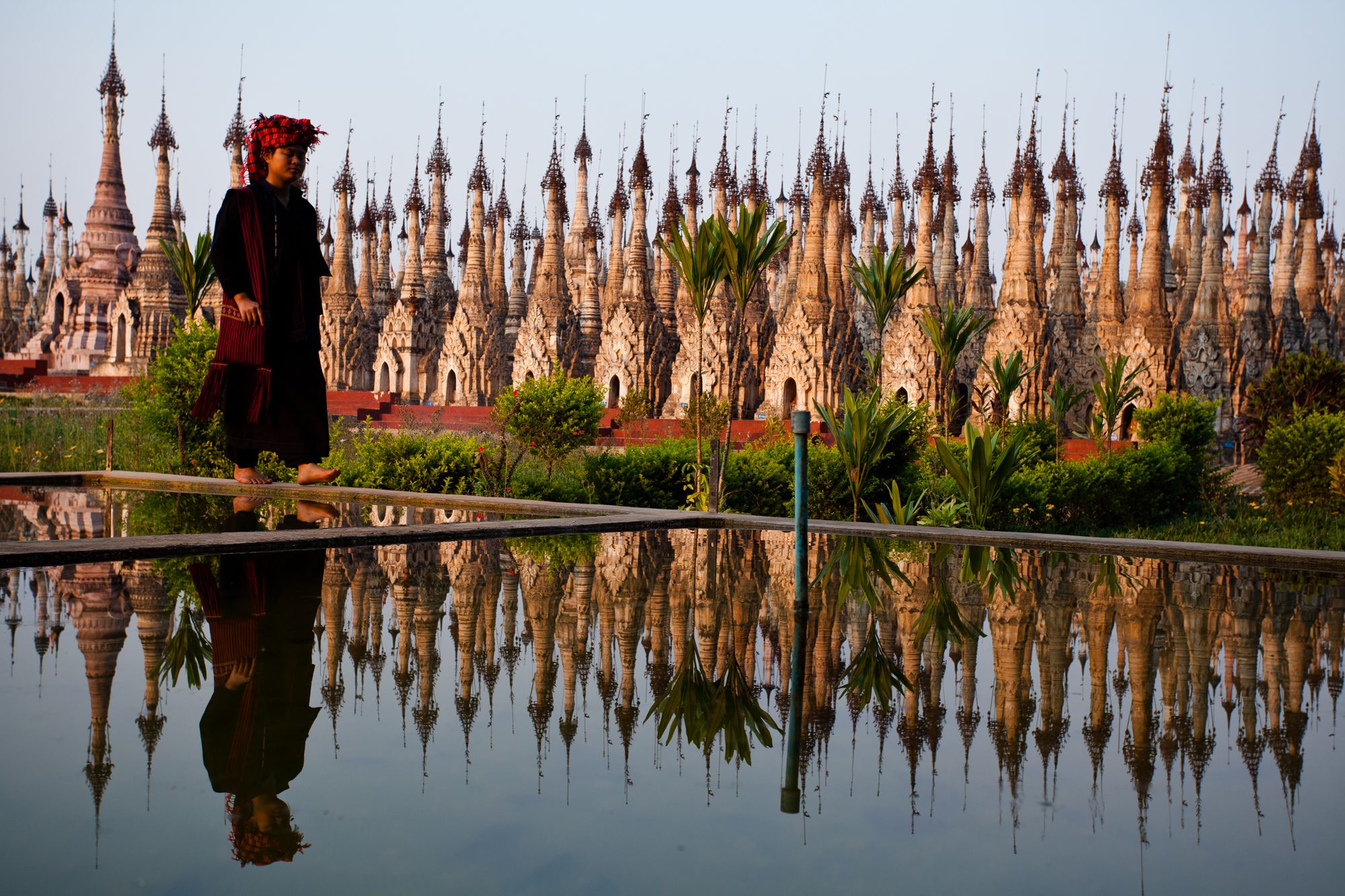
A woman at the stupa complext in Kakku, Myanmar
Who is the Northeast best for?
You'll probably enjoy the Northeast if you like unhurried journeys, simple guesthouses, and the space to wander without ticking off a long list of "must-sees." Travelers who have already visited Burma-Myanmar's main highlights often appreciate coming here next, especially if they enjoy walking between villages, chatting in teahouses, and experiencing everyday life at a gentle pace.
It can work well for patient families with older children who are happy on long drives, and for couples or friends looking for quiet evenings rather than nightlife. More adventurous travelers who are curious about minority cultures and comfortable with basic comforts tend to find this region rewarding.
You may prefer another destination if you want short transfers, polished resorts and a wide choice of restaurants and bars. First-time visitors with only a week in Burma-Myanmar are usually better focusing on the classic route. Those seeking beach time, high-end spas or packed sightseeing schedules will generally be happier elsewhere.
How does the northeast fit into an itinerary?
The northeast usually works as an add-on once you have explored the main hubs such as Yangon, Bagan, Mandalay, or Inle Lake. Many travelers head north or east from Mandalay, or link it after time around Inle, using this region as a quieter phase before flying back to a gateway city. Overland routes commonly loop between a couple of small towns rather than focusing on a single base, with simple road transfers forming part of the experience.
Given the distances and basic infrastructure, it typically deserves three to five days as part of a longer tailor-made trip, slotting naturally into the middle or latter half of your journey when a slower rhythm feels welcome.
Travelers tend to move gradually through the hills, combining one- or two-night stops rather than rushing from point to point. Local experts can advise on which sections to cover by road and when it is worth adding a short domestic flight to keep your overall itinerary balanced.

Goteik Viaduct, Hsipaw
How many days do you need?
Most travelers allow three to five days to move through the northeast rather than basing themselves in a single town. Distances are not huge, but road speeds are slow, and part of the appeal lies in lingering in markets, teahouses and hill villages rather than rushing between sights.
| Days | Suggested route | Ideal pace |
|---|---|---|
| 3 days | Mandalay - one hill town - return or fly out | Snapshot of upland scenery and local markets with one full day to explore. |
| 4 days | Mandalay - two linked hill towns - onward to Inle Lake or back | Time for gentle walks, a market visit and unhurried road journeys. |
| 5 days | Loop through three towns before flying or driving south | Good for adding village walks, extra viewpoints and flexible stops en route. |
Adding more days lets you include quieter side valleys, secondary markets and extra village walks, and gives leeway for weather, road conditions and spontaneous stops.
Best region combinations
A classic combination is Mandalay and the northeast hills, starting with Mandalay's monasteries and river life before driving into cooler upland towns for two to four nights; it suits travelers who like to balance culture with simple walks.
Another popular pairing links Inle Lake with the northeast, beginning with boat days on the lake and vineyards, then continuing overland into less visited hill country; this works well for couples and friends on a longer itinerary.
Confident travelers with more time sometimes combine Hsipaw, Pyin Oo Lwin and the wider northeast in a loop from Mandalay, using scenic though occasionally bumpy road journeys; this suits those comfortable with basic guesthouses and slower travel.
When is the best time to visit the northeast?
The best time to visit Myanmar for the northeast is from November to February, when dry, clear days and cooler evenings suit village walks, market visits and stays in simple guesthouses. These months also offer more comfortable conditions for longer road journeys and hill-country exploration.
March to May can be hotter, hazier and dustier on routes from Mandalay, although hill towns usually remain cooler than the plains. From June to October, monsoon rains can bring muddy paths, road delays and occasional landslides, while the landscape turns lush and visitor numbers fall.
Seasonal planning may avoid known wet-season trouble spots, allow extra time for overland travel and favor towns with better drainage and more reliable utilities. In the cooler dry months, itineraries can place greater emphasis on viewpoints, longer walks and markets timed for their busiest trading days.
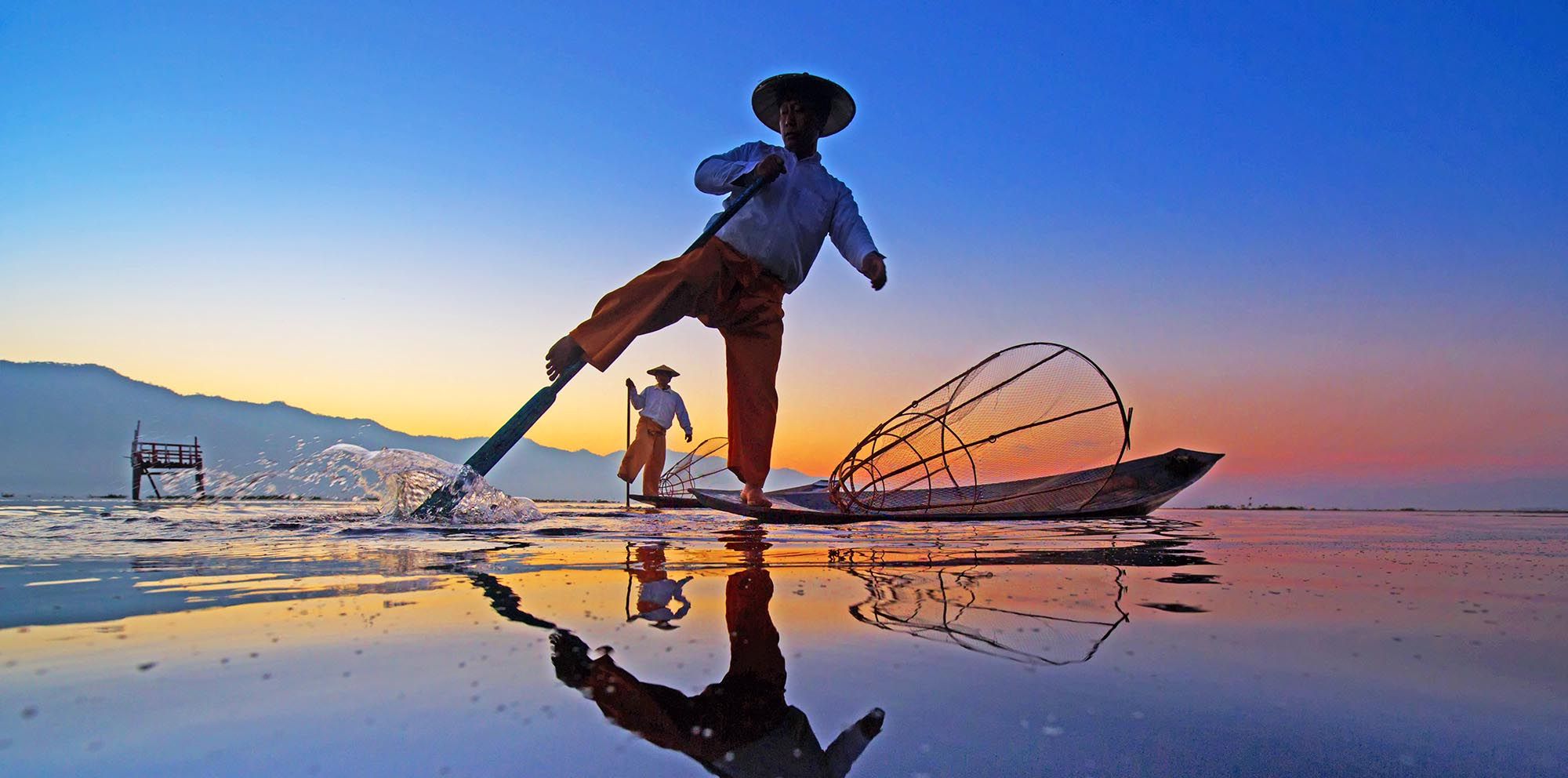
Fishermen in Inle lakes sunset, Myanmar © Shutterstock
Experiences to include in the Northeast
Journeys through northeast Burma-Myanmar are less about big-name sights and more about slow travel: hill walks, small-town markets and classic train or road journeys that link Mandalay with upland communities near the Chinese and Shan borders.
Ride the train from Pyin Oo Lwin across the Gokteik Viaduct
Taking the slow train from Pyin Oo Lwin over the Gokteik Viaduct is a classic way to experience hill scenery and village life from an open window. Allow a full day and expect simple conditions, bumpy tracks and plenty of time to watch the landscape unfold.
Stroll colonial-era streets and gardens in Pyin Oo Lwin
Pyin Oo Lwin is one of the top attractions in Myanmar for its cool climate, British-era villas and the National Kandawgyi Gardens. Spend one or two nights exploring leafy streets, stopping for tea in old shopfronts and enjoying gentle walks at a relaxed pace. Its upland setting offers a refreshing contrast to the heat and bustle of Mandalay.
Walk between village trails around Hsipaw
The hills around Hsipaw are ideal for light treks that link Shan and other minority villages without needing expedition-level fitness. Spend one or two days on half- or full-day walks, with simple countryside lunches and time to pause at monasteries and tea-growing slopes.
Explore morning markets in Lashio and Hsipaw
Early visits to Hsipaw's central market or Lashio's morning stalls reveal trading rhythms shaped by Shan, Chinese and other communities. Allow a couple of unhurried hours to wander produce alleys, snack at noodle stands and watch trucks loading for distant hill villages.
Drive the hill road between Mandalay, Pyin Oo Lwin and Hsipaw
The winding road from Mandalay up to Pyin Oo Lwin and on towards Hsipaw offers shifting views from dusty plains to cool pine-fringed slopes. Plan half- or full-day transfers with photo stops, roadside teahouses and flexibility for occasional delays on narrow bends.
Unwind in teahouses and simple eateries in Hsipaw
Quiet evenings in Hsipaw are best spent lingering in wooden teahouses or family-run noodle shops near the Dokhtawaddy River. One or two nights give time to slow down after travel days, try local Shan dishes and watch town life ebb and flow around you.
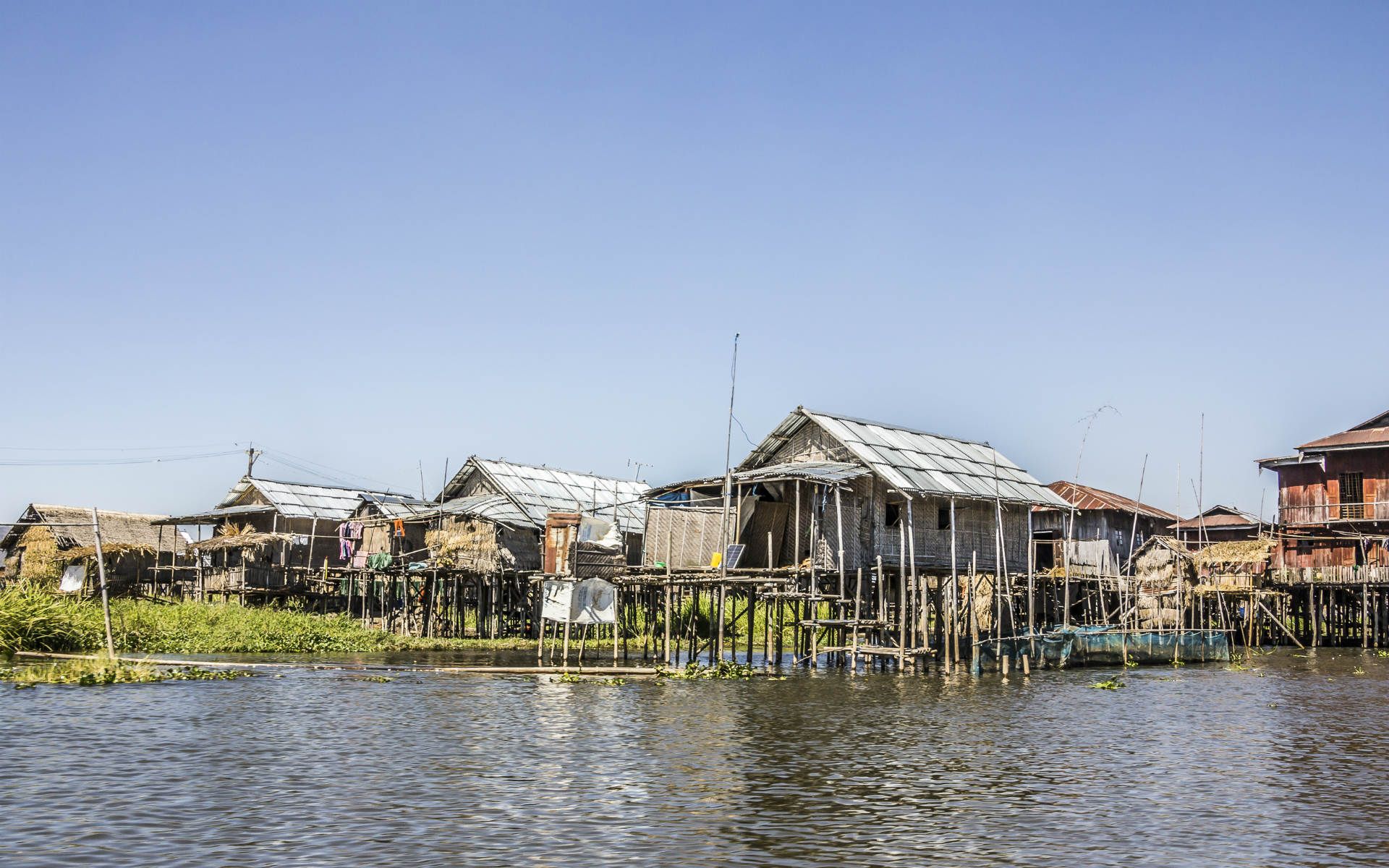
Inle Lake, Myanmar @ Shutterstock
Planning Myanmar’s Northeast with local expert tips
Myanmar’s northeast includes upland landscapes, Shan communities and destinations scattered across a region where journeys can be considerably slower than distances suggest. Local experts can build the itinerary around places that are accessible during your visit, while adapting the route to current travel restrictions and transportation conditions.
Where to stay in Myanmar’s Northeast
Accommodation choices vary considerably across the northeast, with the widest selection generally found in established towns and regional centers. In more rural areas, options may be simpler and fewer, making it important to place overnight stops where they genuinely support the journey. Your local expert can select suitable properties according to current availability rather than relying on older recommendations.
Spending longer in one accessible base may also be preferable to adding several short stays linked by demanding road journeys. This is particularly relevant in a region where access can change and some routes may not be appropriate for visitors. Once your priorities are clear, your expert can concentrate the itinerary on the parts of the northeast that can be visited responsibly and comfortably during your dates.
How transportation can be arranged
Road travel has traditionally linked many destinations across northeastern Myanmar, while domestic air and rail connections have served selected regional centers. Current services, road access and restrictions can vary substantially, however, so transportation should be confirmed close to the time of travel. A local expert can check which routes are operating and arrange private transportation where conditions allow, leaving realistic margins for longer journeys.
Rather than designing a fixed circuit months in advance, the route can retain some flexibility until local conditions are clearer. If part of your intended itinerary becomes inaccessible, for example, your expert can adjust the sequence around your dates and redirect those nights to an accessible area without forcing an impractical detour.