The Western Cape is one of South Africa's most accessible regions, with Cape Town, nearby wine areas, and coastal towns all linked by manageable drives. It deserves a place in a multi-day itinerary if you want varied scenery and culture without multiple internal flights.
The region suits travelers planning a balanced journey with time for city neighborhoods, vineyard visits, and coastal stops rather than constant moving. It usually forms the opening or closing section of a wider South Africa route, pairing smoothly with safari areas in the Eastern Cape or Kruger that you reach by domestic flight.
Why visit the Western Cape?
The Western Cape stands apart in South Africa for the way dramatic ocean, mountain, and vineyard landscapes sit side by side within a few hours' drive. Nowhere else in the country lets you watch the sun rise over Table Mountain, taste cool-climate wines at their source, and end the day on a wild Atlantic beach swept by the Cape's winds.
Time here is rewarded with contrasts: rugged coastal viewpoints near the tip of the continent, historic Cape Dutch estates framed by craggy peaks, and city neighborhoods where contemporary African art and food scenes thrive beneath a cinematic skyline.
You leave with a sense of how South Africa's natural beauty, layered history, and creative energy intersect in daily life, not just as separate sights. Simple moments: a seaside coffee, a sunset drive, a vineyard lunch, become distinctive memories shaped by this tight-knit mix of landscapes and culture.

August in Jonkershoek Nature Reserve, Stellenbosch, Western Cape, South Africa
Who is the Western Cape best for?
You'll probably enjoy the Western Cape if you like combining gentle city exploring with unhurried side trips. It works particularly well for first-time visitors who want a soft introduction to South Africa, with time to linger over lunches and coastal views rather than rush between attractions.
Food and wine enthusiasts, couples looking for scenic drives and atmospheric dinners, and friends who enjoy browsing markets and galleries between coffee stops are likely to feel at home here. Families who value straightforward logistics, shorter drives, and a mix of outdoor time and relaxed downtime also tend to find it rewarding.
You may prefer another destination if your priority is intensive wildlife viewing, long wilderness hikes far from any town, or back-to-back high-adrenaline activities. Travelers seeking a purely beach-focused escape with consistently warm water, or those who want a more rugged, off-the-grid adventure every day, might be happier building their trip around other parts of South Africa and keeping time in the Western Cape shorter.
How does the Western Cape fit into an itinerary?
The Western Cape often anchors the beginning or end of your time in South Africa, offering a gentle introduction or a relaxed finale before international flights. Many travelers fly into Cape Town, spend a few nights in and around the city, then continue onwards to safari regions such as the Eastern Cape, the Kruger area, or even neighbouring countries. Others reverse the flow, ending with a slower few days here after more intensive wildlife or overland sections elsewhere.
Within the Western Cape, your route usually links two or three bases rather than a single stay, with manageable drives between city, coast, and countryside. It works well as a compact road trip section within a longer holiday, shaping the overall pace of your plans: you can stretch this stage for a more leisurely feel with extra nights, or keep it shorter and more focused if your itinerary centers on safari time and longer overland journeys in other regions.
Trips that include the Western Cape
The Northern Cape self-drive South Africa tour begins in Cape Town, with opportunities to explore the city's cultural heritage and enjoy panoramic views from Signal Hill. The journey continues along the Cape Peninsula to the Cape of Good Hope and Boulders Beach, with lunch at the Two Oceans Restaurant.
The Best of South Africa trip explores Cape Town's historic landmarks, including City Hall and the Castle of Good Hope, before taking the Table Mountain Aerial Cableway for sweeping views of Devil's Peak and Lion's Head.
The South Africa safari, culture, and wine trip includes a boat cruise from Hout Bay to Duiker Island, followed by a visit to the Cape of Good Hope Nature Reserve and Boulders Beach, home to a colony of African penguins.
Our local experts can enrich your time in Cape Town with a guided visit to the colorful Bo-Kaap neighborhood, offering insights into its Cape Malay heritage and distinctive architecture.

Franschhoek, Western Cape
How many days do you need?
Most travelers give the Western Cape between four and eight days, using two or three bases rather than a single stay. This allows time to balance Cape Town's urban highlights with wine country, coastal towns, and one slower-paced rural stop.
| Days | Suggested route | Ideal pace |
|---|---|---|
| 3-4 days | Cape Town with a day trip to the Cape Peninsula or nearby wine estates | Taster of the region, best if the Western Cape is a short add-on to a longer safari |
| 5-6 days | Cape Town, Stellenbosch/Franschhoek, and one coastal stop such as Hermanus | Balanced mix of city, vineyards, and sea with some downtime |
| 7-8 days | Cape Town, Winelands, coastal town, plus a countryside retreat in the Overberg or Little Karoo | Unhurried pace with time for scenic drives and relaxed meals |
Additional days mean you can linger in cafes and galleries, plan leisurely coastal drives, and add lesser-known towns or farm stays without compressing your schedule.
Best region combinations
A classic combination is Cape Town, the Cape Winelands around Stellenbosch or Franschhoek, and the whale coast near Hermanus, traveling in that order by car over a week. It suits first-time visitors who want varied but easy-to-reach scenery and good food and wine. A slightly longer loop adds the Overberg countryside or Swellendam after Hermanus, ideal for travelers who enjoy quiet farm stays and mountain views.
Many itineraries pair the Western Cape with a safari in the Eastern Cape, flying or driving from Cape Town to reserves near Gqeberha (Port Elizabeth); this works well for families and first-time safari-goers thanks to shorter internal travel.
Others route from Cape Town along the Garden Route via Mossel Bay and Knysna to end near Plettenberg Bay, a good fit for those who like coastal walks and gentle adventure activities.
When is the best time to visit the Western Cape?
The best time to visit South Africa for the Western Cape is from November to March, when warm, dry weather suits city sightseeing, wine estates and beach sunsets. Longer days support outdoor dining and coastal drives, though Cape Town and the Winelands are busiest around Christmas and New Year.
April to May and September to October bring milder temperatures, fewer crowds and softer light for walking tours and road trips. These shoulder seasons work especially well for itineraries linking Cape Town, the Winelands and rural stays.
From June to August, conditions are cooler and wetter, but quieter attractions, cozy vineyard stays and whale watching near Hermanus remain rewarding. Flexible scheduling and a mix of indoor and outdoor activities help make the most of clearer weather windows.
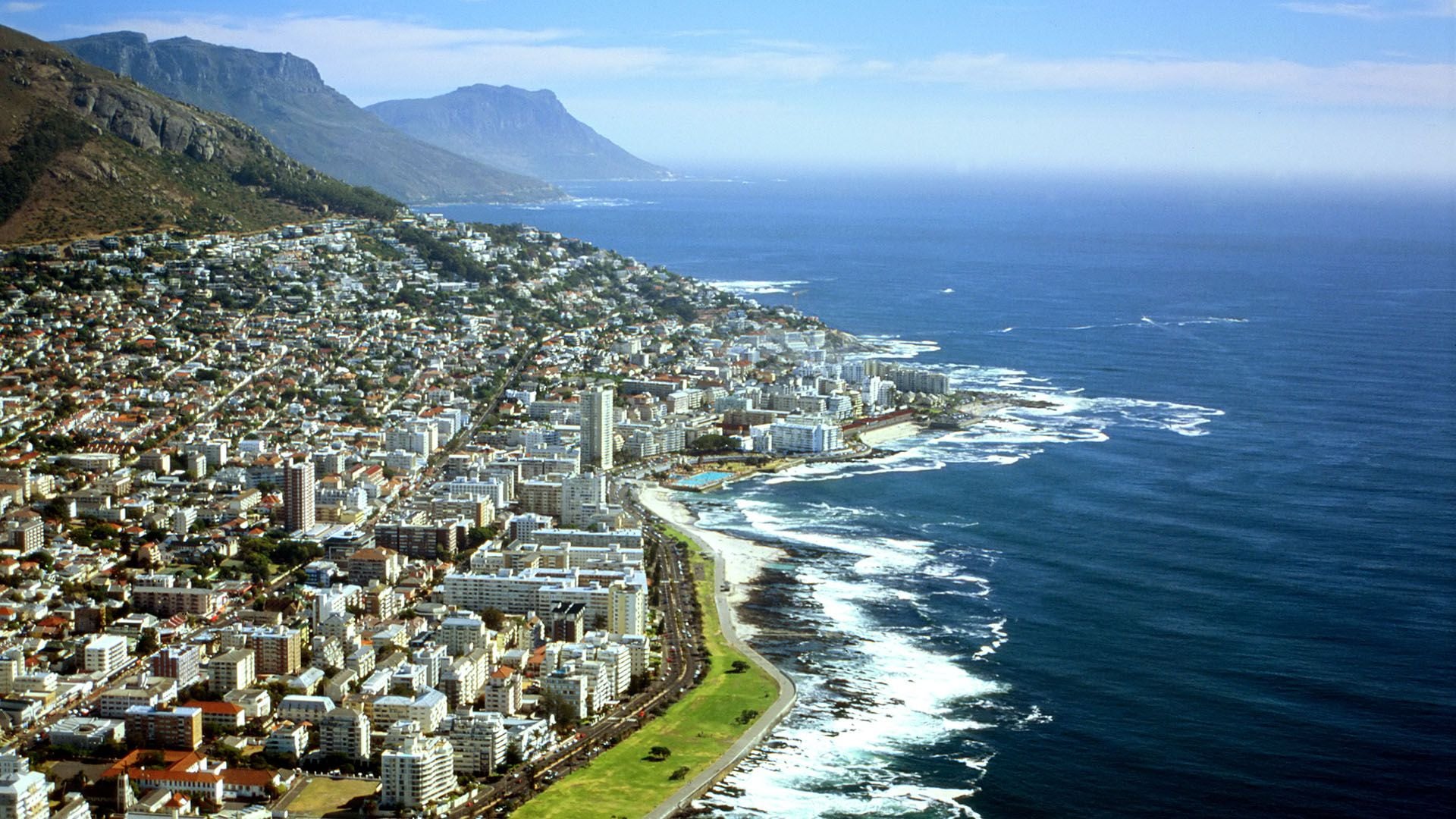
Cape Town, South Africa - aerial view © Mark Van Overmeire/Shutterstock
Experiences to include in the Western Cape
The Western Cape combines cosmopolitan cities, renowned wine regions, dramatic coastlines and scenic mountain landscapes. Its variety makes it one of South Africa’s most rewarding regions for city breaks, road trips and outdoor adventures.
Drive the Cape Peninsula to Cape Point
Following Chapman's Peak Drive from Hout Bay to Cape Point packs ocean panoramas, cliffside viewpoints, and small stops like Noordhoek and Kalk Bay into a single day. It is a scenic introduction to the Western Cape coastline that suits most travelers.
Sample wine in Stellenbosch and Franschhoek
The Cape Winelands around Stellenbosch and Franschhoek rank among the top attractions in South Africa, combining mountain scenery with relaxed tastings, long vineyard lunches and short walks between historic buildings. Allow at least a full day, though an overnight stay gives you more time to enjoy the region’s slower pace.
Follow the whale coast from Hermanus
Base yourself in Hermanus to walk the Cliff Path, watch southern right whales in season, and drive the coastal route towards De Kelders and Gansbaai. The mix of viewpoints, cafés, and sea air works well over two or three unhurried days.
Explore the landscapes of the Cederberg
North of Cape Town, the Cederberg offers rust-red rock formations, walking trails around Clanwilliam, and dark night skies. It rewards travelers willing to drive further for hiking, stargazing, and off-the-beaten-path farm stays over a few relaxed days.
Discover small towns on Route 62
Driving Route 62 between Worcester and Oudtshoorn links vineyards, mountain passes, and small Karoo towns such as Montagu, Barrydale, and Calitzdorp. It suits travelers who enjoy slow road trips, stopping for farm stalls, short walks, and simple countryside charm.
Walk the coastal paths around Knysna and Plettenberg Bay
Spending time in Knysna and Plettenberg Bay adds lagoon views, forest drives, and coastal walks in places like Robberg Nature Reserve. Two to three days here balance gentle activity with easy access to cafés, viewpoints, and relaxed seaside evenings.

A Southern Right whale showing its tail flukes in Walker Bay, Hermanus, South Africa.
Planning the Western Cape with local expert tips
The Western Cape extends far beyond Cape Town, taking in wine country, mountain passes, farming towns and long stretches of coast. A local expert can select a route that reflects what you want to see, rather than trying to cover every corner of the province, and connect it naturally with the Garden Route or your onward flight.
Where to stay in the Western Cape
Accommodation can become part of the experience here, from vineyard properties around Stellenbosch and Franschhoek to guesthouses in smaller towns and coastal hotels. The challenge is deciding which places justify an overnight. Cape Town can serve as a base for some nearby excursions, but staying in the Winelands gives you a different pace and avoids traveling back to the city after dinner or a full day of exploring.
Farther afield, another overnight may make sense when it moves the route toward the Garden Route or a quieter section of coast. Your local expert can keep hotel changes purposeful. If food and wine are a priority, for example, they can give you a dedicated Winelands stay while leaving out a less relevant overnight elsewhere in the province.
How transportation can be arranged
Private road transport gives you considerable freedom in the Western Cape, particularly once the journey moves beyond Cape Town. A local expert can arrange a driver for the Winelands and then continue the same broader route toward coastal or inland destinations, avoiding repeated returns to the city. This also means scenic roads and smaller towns can be included when they genuinely add to the journey rather than becoming compulsory stops.
Driving distances increase considerably when the itinerary reaches farther across the province, so the route needs to remain selective. If you are ultimately heading for the Garden Route, your expert can arrange the Western Cape as a progressive eastbound journey, adjusting the overnight stops around your interests and pace instead of bringing you back to Cape Town before setting out again.