Northern Tanzania's safari circuit is one of the country's most concentrated areas for big-game viewing, with several major parks linked by relatively short drives. Landscapes range from open savannah and volcanic highlands to soda lakes and wooded escarpments, giving it more ecological variety than most other regions in Tanzania and justifying several dedicated days in a longer itinerary.
The region delivers largely vehicle-based wildlife viewing with seasonal migrations, predator activity and the option for limited walking safaris or cultural visits in some areas. It usually forms the core safari segment of a Tanzania trip, then connects easily by road or light aircraft to coastal areas or Zanzibar, or to quieter parks for travelers prioritising lower visitor numbers.
Why visit the Northern Safari Circuit?
Northern Tanzania’s safari circuit stands apart for the sheer concentration and drama of its wildlife spectacles. Nowhere else in the country offers such reliable chances to see vast migratory herds crossing open plains one day, then observe big cats hunting on crater floors or along escarpment edges the next.
The geological variety here creates distinctive scenes: flamingo-lined soda lakes beneath volcanoes, forests clinging to ancient calderas, and lookouts where you can scan several habitats in a single view. This tight cluster of volcanic highlands, grasslands and lakes supports dense predator-prey interactions, large mixed herds and varied birdlife.
Experiencing so many different ecosystems and high-intensity wildlife moments within short driving distances is specific to this northern circuit and hard to match elsewhere in Tanzania.
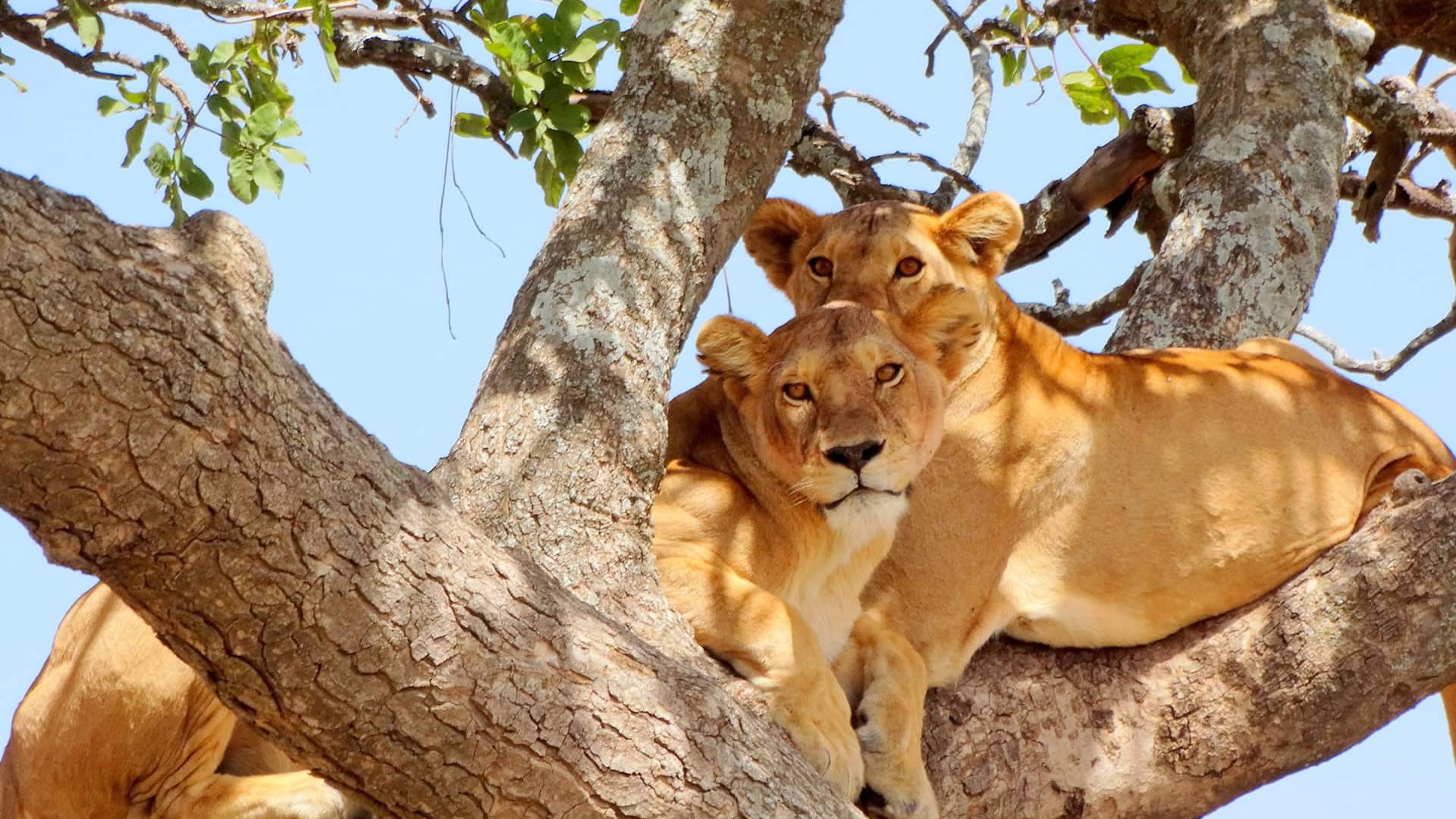
Lake Manyara National Park
Who is the Northern Safari Circuit best for?
You'll probably enjoy the northern safari circuit if you want intensive, predictable wildlife viewing without complicated logistics. It works especially well for people who like clear daily routines, including first-time safari-goers who appreciate structured game drives and guidance.
Photographers benefit from frequent sightings and varied scenes, while active travelers can combine drives with shorter walks, viewpoint stops and optional cultural visits. Families often value the comfort of lodge-based stays, set mealtimes and the ability to adjust drive length to different ages. Luxury-minded visitors also find plenty of choice in higher-end camps, private vehicles and flexible guiding.
You may prefer another destination if you mainly seek multi-day wilderness treks, canoe or boat-led safaris, or very low visitor numbers with a strong sense of solitude. Travelers who dislike spending several hours in vehicles, or who prioritize spontaneous, unstructured days, might be better matched with more walk-focused areas, remote southern or western parks, or coastal regions where time on the road is shorter.
How does the Northern Safari Circuit fit into an itinerary?
The northern safari circuit usually forms the backbone of a trip to Tanzania, often placed at the start of your itinerary before a slower coastal or island stay. It works best as a dedicated section of your route, with two or three overnight bases that you link by road or short internal flights. This keeps packing and unpacking to a minimum while still changing landscapes.
Most travelers allow four to eight nights here, with stays of two to three nights in each location to settle into a routine with the same guide and vehicle. The flow is typically an arrival night near Arusha, followed by a loop through the main parks and a final transfer to the beach or another region.
Early starts, long but manageable game-drive days, and structured mealtimes make this phase of your journey more active and time-focused than a beach or city stay.
Trips that include Northern Safari Circuit
The Luxury Tanzania tour: private safari and culture begins with a cultural experience in Monduli Juu, introducing travelers to Maasai traditions. The journey continues to Tarangire National Park, known for its elephant herds and baobab trees, and Lake Manyara, famous for its tree-climbing lions. A visit to the Ngorongoro Crater offers opportunities to spot the Big Five.
The Tanzania Serengeti safari tour: Great Migration explores Tarangire and Lake Manyara before continuing to the Ngorongoro Conservation Area and Serengeti National Park, where travelers may witness the spectacular Great Migration.
The Classic Serengeti safari takes travelers through Lake Manyara and the Ngorongoro Conservation Area before reaching the Serengeti, known for its vast plains and exceptional wildlife viewing.
Our local experts can help arrange a sunrise hot air balloon safari over the Serengeti, offering a unique perspective on the sweeping landscapes and wildlife below.

Wild giraffes in the African savannah. Tanzania. Serengeti National Park.
How many days do you need?
Most travelers spend four to eight days on the northern safari circuit, allowing time to link two or three key parks without rushing game drives. With fewer days, you will need to prioritise just one or two areas and accept longer travel days.
| Days | Recommended focus |
|---|---|
| 3-4 days | One flagship park (often Serengeti or Ngorongoro) plus a short stop in a nearby reserve. |
| 5-6 days | Two main bases, for example Serengeti and Ngorongoro, or Serengeti and Tarangire in season. |
| 7-8 days | Three contrasting areas, balancing big-cat country, crater or lake scenery, and quieter bush. |
| 9+ days | Unhurried stays, multiple sectors of the Serengeti, or time in smaller conservancies. |
Shorter visits suit travelers adding a quick safari to a broader trip, while extra days help photographers, families and keen wildlife watchers spend longer at sightings and revisit productive areas.
Best region combinations
The northern circuit combines naturally with Zanzibar or Pemba Island, using Arusha or Kilimanjaro as the handover point. A common flow is 5-7 nights on safari followed by 4-6 nights on the coast, with a direct flight from a bush airstrip to the islands in around 2-3 hours. The move from savannah and crater landscapes to palm-fringed beaches gives a clear change of pace for swimming, snorkelling and rest after early starts and dusty game drives.
Within northern Tanzania, pairing the northern safari circuit with time around Mount Kilimanjaro or the Usambara Mountains works well for travelers who enjoy walking. Typically you begin with a summit attempt or gentler highland hikes, then drive or fly to the parks for vehicle-based wildlife viewing.
Travel between Kilimanjaro and the main parks is usually half a day by road or under an hour by light aircraft, creating a neat arc from volcanic highlands into big-game country.
When is the best time to visit the Northern Safari Circuit?
The best time to visit Tanzania for the Northern Safari Circuit is during the long dry season from June to October. Thinner vegetation, reliable water sources and cooler, clearer days make wildlife easier to spot, though this is also the busiest and most expensive period.
The wetter months of November and April to May bring greener scenery, fewer vehicles and lower prices, but muddy tracks can slow travel around crater rims and highland routes. The southern Serengeti’s calving season usually falls within the greener months, offering dramatic wildlife encounters for travelers prepared for occasional rain.
January, February and late May often provide a good balance of accessible roads, active wildlife and lighter crowds. These shoulder periods can also allow more flexible routing and better availability at camps.
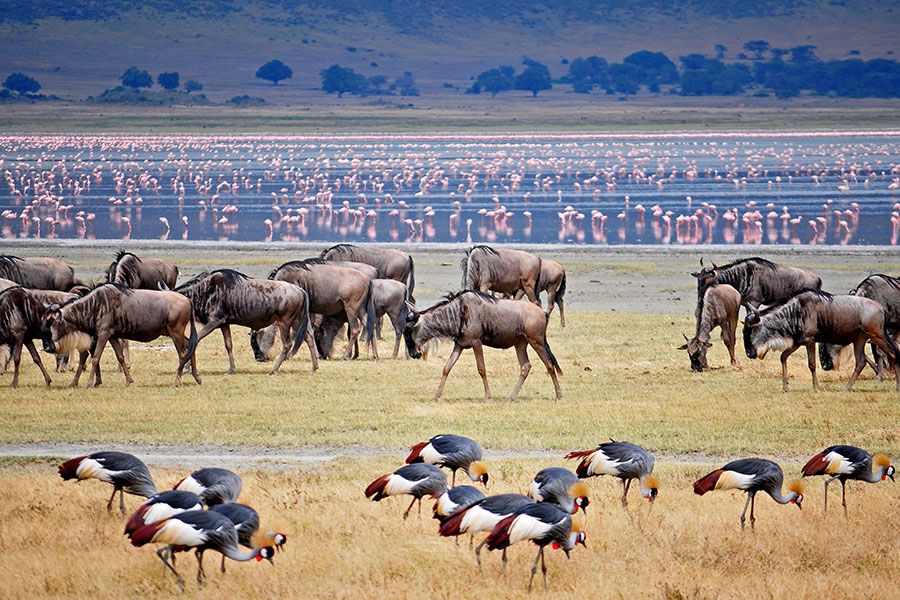
Ngorongoro Crater
Experiences to include in the Northern Safari Circuit
The experiences below showcase the Northern Safari Circuit's defining wildlife, scenery and cultural encounters, helping you decide what to prioritise on a tailored Tanzania trip.
Track big cats and plains game in Serengeti National Park
Serengeti National Park is one of the top attractions in Tanzania, known for its open plains, rocky kopjes, large herds and frequent predator sightings. Allow at least two to three full days for game drives, with sunrise and late-afternoon outings offering the best light for photography and active wildlife. Comfortable vehicles and well-paced routines also make the experience suitable for families new to safari.
Descend into Ngorongoro Crater
Allow a full day for a descent into Ngorongoro Crater, focusing on an unhurried morning game drive and picnic on the crater floor. Wildlife is dense and easy to spot, but roads can be busy. This is ideal for first-time visitors wanting iconic, high-impact sightings in a compact area, less suited to those seeking solitude.
Follow elephants and baobabs in Tarangire National Park
Spend one or two days exploring Tarangire National Park, particularly from June to October when elephants concentrate along the Tarangire River. Expect classic savannah scenes with towering baobabs, seasonal wetlands and fewer vehicles than Serengeti. Birders, repeat safari-goers and travelers visiting in the dry season will appreciate its quieter feel and shifting landscapes.
Visit Lake Manyara's forests and escarpment
Lake Manyara National Park works well as a half- or full-day stop between Tarangire and Ngorongoro. Game drives thread through groundwater forest, acacia woodland and lakeshore, with chances to see tree-climbing lions, hippos and flocks of flamingos when conditions are right. It particularly suits travelers who enjoy varied scenery, birdlife and shorter, less bumpy drives.
Walk and meet Maasai communities in Ngorongoro Highlands
Set aside half a day to a full day in the Ngorongoro Highlands for guided walks along the crater rim or across Empakaai Crater, combined with visits to selected Maasai bomas. Expect cooler temperatures, village tracks and simple facilities. Active travelers and culturally curious visitors will value stretching their legs between vehicle days and learning about pastoralist life.
Take a scenic flight between parks
Consider a short light-aircraft flight between Serengeti airstrips such as Seronera or Kogatende and Arusha or Lake Manyara to maximise time in the bush. Flights offer aerial views of plains, craters and lakes, and reduce long, dusty transfers. This suits travelers on tighter schedules, families avoiding very long drives and photographers seeking distinctive perspectives.

Elephants in the Tarangire National Park in north Tanzania, Africa © LMspencer/Shutterstock
Planning the Northern Safari Circuit with local expert tips
Tanzania’s Northern Safari Circuit links several major wildlife areas, including Tarangire, Lake Manyara, the Ngorongoro area and the Serengeti. The challenge is not fitting every park into the trip, but deciding how the route should flow between them. A local expert can shape that sequence around your priorities while keeping road journeys and lodge changes in proportion to time spent on safari.
Where to stay on the Northern Safari Circuit
Lodge location can make a significant difference to each safari day. In the Serengeti, for example, staying in the part of the park that suits your plans can reduce lengthy drives before wildlife viewing properly begins. Around Ngorongoro, accommodation ranges from properties close to the crater area to lodges farther away, with different implications for an early start. Tarangire brings similar choices between camps within the wider safari area and properties beyond the park.
Your local expert can select these stays as part of one route rather than judging each lodge separately. There is also little value in adding every possible park if it means changing accommodation nightly. If the Serengeti is your main priority, your expert can give it a larger share of the itinerary and keep another stop shorter.
How transportation can be arranged
The circuit can be explored by private safari vehicle, with your driver guide accompanying you between wildlife areas as well as on game drives. This works particularly well through Tarangire, Lake Manyara and Ngorongoro, where road journeys naturally connect one stage with the next.
For the Serengeti, light aircraft can sometimes replace a long road transfer, especially when the itinerary needs to connect with Arusha, Kilimanjaro International Airport or another distant part of Tanzania. Your local expert can combine driving and flying rather than committing the entire safari to one transport method.
If your final nights are deep in the Serengeti and you are continuing to Zanzibar, for example, they can arrange a flight out of the safari area instead of using much of your last day to drive back toward Arusha.