Uluru-Kata Tjuta National Park is one of Australia's most distinctive landscapes, defined by the massive sandstone monolith of Uluru and the domed rock formations of Kata Tjuta rising from otherwise flat desert. It deserves dedicated time in a multi-day itinerary because distances are long, temperatures can be extreme, and key experiences are tied to specific times of day, especially sunrise and sunset.
The region offers a focused, nature-and-culture experience: walking trails, viewpoints, and guided activities that highlight Aboriginal stories, geology, and desert ecology. It usually forms a two- to three-night segment within a wider Red Centre route that might also include Alice Springs, Kings Canyon, and other Outback stops.
Why visit Uluru-Kata Tjuta National Park?
Uluru-Kata Tjuta National Park offers a powerful sense of presence that is hard to find elsewhere in Australia. Here, you can walk at the base of Uluru while hearing Anangu stories tied to specific rock formations, or stand on rust-red sand dunes as the rock slowly shifts through a spectrum of colors with first or last light.
The clustered domes of Kata Tjuta form a tight labyrinth of sheer red walls and wind-carved gorges that feel more enclosed and immersive than other outback landscapes. At night, exceptionally dark skies reveal a bright Milky Way arcing over the silhouettes of Uluru and Kata Tjuta.
This close interplay of sacred Aboriginal culture, intense desert light and massive rock forms creates experiences that feel ceremonial rather than simply scenic.

Boliche de Ramos Generales, Uluru
Who is Uluru-Kata Tjuta National Park best for?
You'll probably enjoy Uluru-Kata Tjuta National Park if you prefer unhurried, reflective travel over squeezing in lots of attractions. Keen walkers, photographers and stargazers usually get the most from being out early and late in the day, and are comfortable planning around those cooler windows.
This works particularly well if you are happy with simple comforts, can cope with heat and flies, and respect cultural rules around alcohol, drones and restricted areas. Road-trippers who do not mind long drives, and couples or friends seeking a shared, occasional big trip also tend to value the experience.
You may prefer another destination if you want constant variety, nightlife or a wide choice of restaurants, or if your priority is beaches, rainforests or alpine scenery. Families with very young children, or anyone who struggles with heat, long outdoor days or early starts, often find coastal regions or the tropical north of Australia a more practical match.
How does Uluru-Kata Tjuta National Park fit into an itinerary?
Uluru-Kata Tjuta National Park is usually a dedicated segment of a wider Red Centre or Australia holiday rather than a quick detour. Most tailor-made trips route you via Alice Springs or directly into Ayers Rock Airport, then build in two to three nights so you can balance early starts, rest time in the heat of the day and unhurried evenings.
It typically sits in the middle of your itinerary, acting as a slower, more contemplative pause between busier city or coastal stops. Overland routes might link it with Kings Canyon and Alice Springs, while fly-in/fly-out plans pair it with Sydney, Melbourne or Cairns.
Travel is usually by pre-arranged transfers or a rental car, with one accommodation base rather than hotel-hopping, which keeps logistics simple and gives your journey a calmer rhythm.
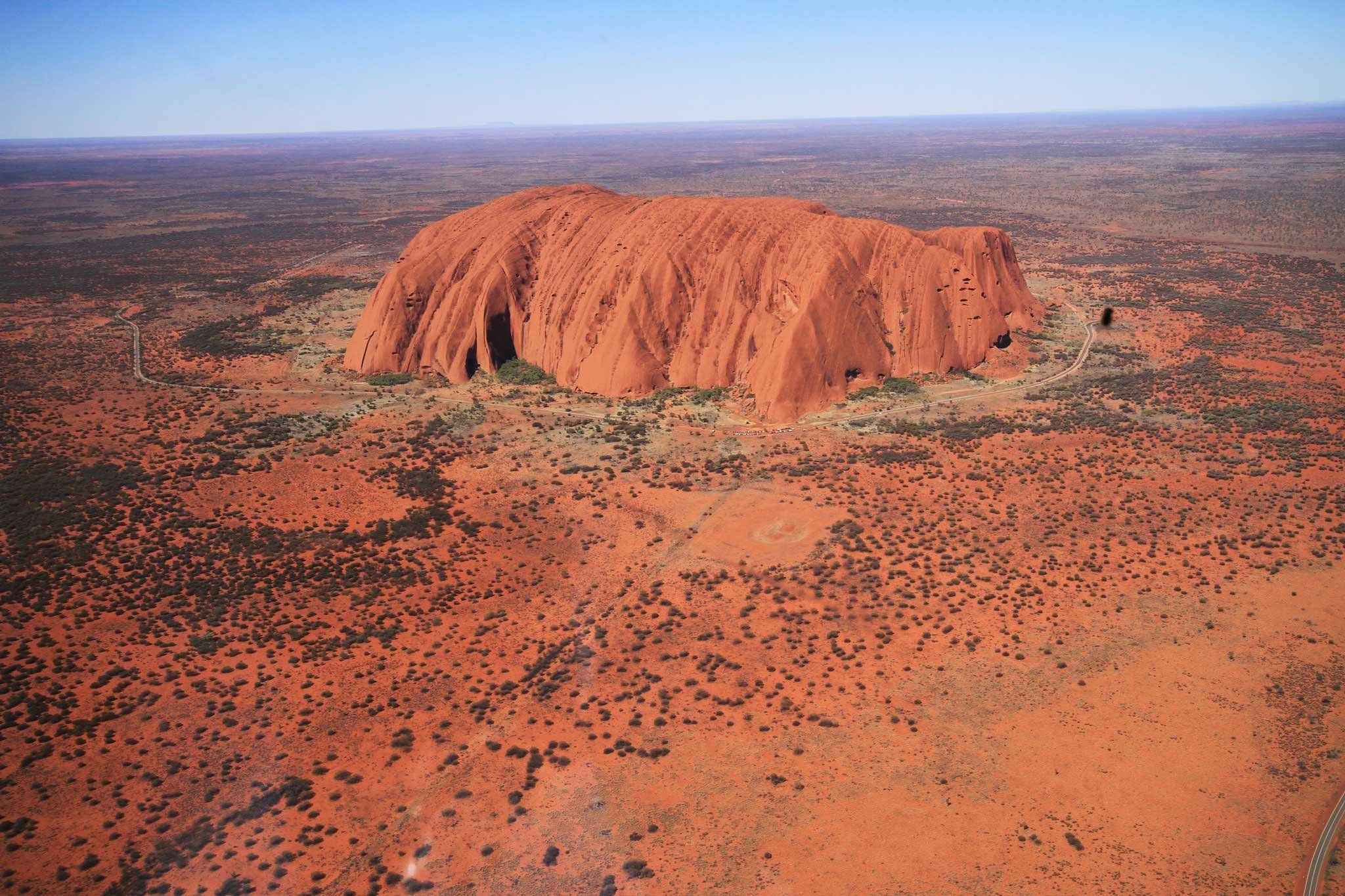
Uluru
How many days do you need?
Most travelers allow 2-3 days in Uluru-Kata Tjuta National Park to balance sunrise and sunset outings, key walks and some cultural activities without rushing. Extra time gives you flexibility for weather, slower pacing in the heat and more in-depth experiences with Anangu guides.
| Days | Recommended focus |
|---|---|
| 1 day | Quick overview with one Uluru sunrise or sunset viewing and a short base or lookout walk. |
| 2 days | Full Uluru base experience plus one Kata Tjuta valley or gorge walk, with both sunrise and sunset. |
| 3 days | Deeper cultural tours, multiple walks at Kata Tjuta and relaxed downtime during the hottest hours. |
| 4+ days | Very slow pace, additional guided activities, photography and side trips within the wider Red Centre. |
A shorter visit works if you mainly want headline views and a taste of the landscape; add days if you value unhurried walking, stargazing and cultural depth.
Best region combinations
Uluru-Kata Tjuta combines naturally with Kings Canyon in Watarrka National Park. A common route is Alice Springs - Kings Canyon (about 5 hours by road) - Uluru (about 3.5-4 hours), or the reverse. This sequence builds from canyon rim hikes and desert vistas to the more ceremonial feel of Uluru, giving variety in walking terrain and viewpoints while staying within the same Red Centre desert environment.
Alice Springs is another logical pairing. Fly into Alice Springs, explore the town, nearby West MacDonnell Ranges and desert wildlife for 1-3 days, then continue by road or short flight to Uluru (around 4.5-5 hours driving). The contrast between the outback town, ranges and the iconic formations of Uluru and Kata Tjuta creates a rounded Red Centre experience without excessive travel time.
When is the best time to visit Uluru-Kata Tjuta National Park?
The best time to visit Australia for Uluṟu-Kata Tjuṯa National Park is from fall to early spring, roughly April to October, when daytime temperatures are milder and walking conditions are more comfortable. Winter nights can be very cold, but clear skies favor sunrise viewing, sunset experiences and stargazing, while most trails remain accessible with little risk of heat-related closures.
From November to March, temperatures can be extreme, with intense sun and occasional storms. Itineraries focus more heavily on early-morning and late-afternoon outings, with long breaks in air-conditioned accommodations during the hottest part of the day. This quieter period brings fewer crowds around viewing areas but requires careful preparation and flexible plans.
Sunrise and sunset times shift throughout the year, so tour schedules often change with the seasons to balance pre-dawn starts, evening activities and daytime rest.

Desert Oaks with Uluru, Uluru National Park, Australia
Experiences to include in Uluru-Kata Tjuta National Park
The experiences below highlight the most rewarding outdoor ways to explore Uluru-Kata Tjuta National Park, focusing on its desert landscapes, changing light and living Anangu culture.
Walk sections of the Uluru base track
The Uluṟu Base Walk is one of the top attractions in Australia, offering close-up views of the monolith’s rock formations, waterholes and culturally significant sites. Complete the full circuit or choose shorter sections such as the Kuniya Walk to Mutitjulu Waterhole or the Mala Walk for rock art and caves. Allow two to four hours and start early for cooler temperatures and more shade.
Explore Kata Tjuta via the Valley of the Winds
Discover Kata Tjuta's domes on the Valley of the Winds walk, where rocky paths and viewpoints reveal soaring walls and desert vistas. Allow 3-4 hours, starting early for cooler temperatures and to avoid heat-related closures. Best for moderately fit hikers seeking a more demanding trail.
Join a guided sunset experience at Uluru
Watch colour changes sweep across Uluru from designated sunset viewing areas such as Talinguru Nyakunytjaku. Allow around 2-3 hours including transfers and setup. Expect crowds but a strong sense of occasion, ideal for first-time visitors, photographers and couples on a special trip.
Stargaze under Red Centre skies
Use the dark skies around Uluru-Kata Tjuta National Park for guided stargazing, often starting from Yulara or nearby lookouts. Allow 1.5-2 hours in the evening. Warm layers are essential in cooler months. Curious travelers and families with older children particularly enjoy these sessions.
Cycle or segway around parts of Uluru
Cover more of the Uluru base area by joining a guided bike or segway tour starting near the Uluru-Kata Tjuta National Park car parks. Allow 2-3 hours with stops for viewpoints and commentary. This suits visitors wanting an active but less demanding alternative to long walks.
Visit sunrise viewpoints at Talinguru Nyakunytjaku
Begin a day at Talinguru Nyakunytjaku, where raised platforms and walking paths frame Uluru and Kata Tjuta at sunrise. Allow about 1.5-2 hours including travel and time to watch the light change. Early risers, photographers and contemplative travelers find this especially rewarding.

Uluru, Ayers Rock, Australia © Uwe Aranas/Shutterstock
Planning Uluṟu Kata Tjuṯa National Park with local expert tips
Uluṟu and Kata Tjuṯa sit within a vast desert landscape, and visits often revolve around early starts, evening plans and the distances between key locations. A local expert can arrange those details around your flights and wider Red Centre journey, making sure your time in the park is not squeezed between transfers.
Where to stay near Uluṟu Kata Tjuṯa National Park
Accommodation is concentrated at Yulara, just outside the national park, making the choice less about neighborhood and more about the style of stay and the facilities you want nearby. Your local expert can select a property that works with your planned guided walks, cultural experiences and early morning departures. Staying here also avoids using Alice Springs as a base for Uluṟu, which would involve considerable road travel.
If your Australia itinerary already includes several nights in the Red Centre, it may be better to give more time to one base near the park rather than adding another brief desert stop. Your expert can also arrange your stay around confirmed activities, so an early guided visit to Kata Tjuṯa, for example, begins from accommodation that fits smoothly with the pickup arrangements.
How transportation can be arranged
Flying into the airport near Yulara can be the simplest way to reach the park when Uluṟu is being combined with distant Australian destinations. Road travel becomes more appealing when it forms part of a wider Red Centre journey involving Alice Springs or Kings Canyon. Once you are based at Yulara, a local expert can arrange guided transport into the national park for Uluṟu and Kata Tjuṯa, with departures timed around walks and other booked experiences.
The choice between flying and driving does not need to be the same in both directions. If you arrive overland from Alice Springs but continue to another part of Australia afterward, your expert can finish the Red Centre route at Yulara and arrange an onward flight instead of sending you back along the same road.


