Melbourne stands out within Australia for its compact, walkable center, dense café and bar scene, and reliable public transport, making it straightforward to explore without a car. It earns a place in a multi-day itinerary as a practical base for mixing city time with nearby coastal, wildlife, and wine-region excursions.
The region suits travelers who prioritize food, culture, and sport and who prefer self-paced days over fixed group schedules. It typically fits as a start or end point to a wider route that might include the Great Ocean Road, regional Victoria, or city hops to Sydney and Adelaide.
Why visit Melbourne?
Melbourne offers a distinctly different side of Australia: an intimate city that reveals itself through laneways, conversations and small rituals rather than headline landmarks. Here, everyday moments feel like experiences in their own right, from chatting with a barista who remembers your order to browsing independent bookshops tucked above old arcades.
The tight grid of streets and alleys layers evolving street art, tiny wine bars and experimental kitchens that reward slow, curious wandering. Sport and live performance are woven into daily life, so evenings often revolve around a match, a gig or a festival event.
You tend to leave with the feeling of having briefly joined a local rhythm, knowing a few favorite corners and routines, rather than simply passing through another big city.
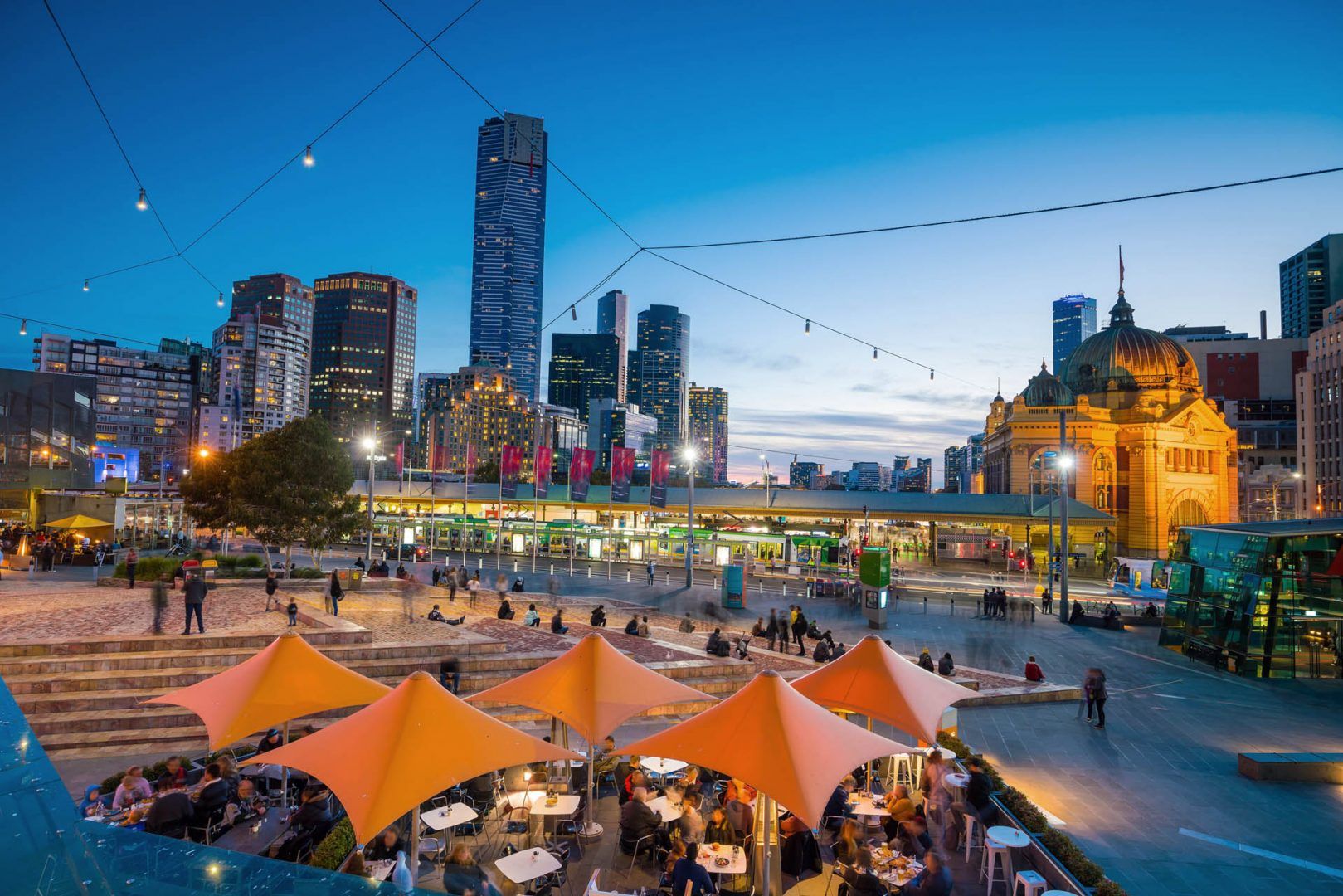
Melbourne, Australia @ Shutterstock
Who is Melbourne best for?
You'll probably enjoy Melbourne if you like creating your own rhythm rather than following a fixed checklist. Curious food lovers, coffee enthusiasts, and bar-hoppers who enjoy discovering neighbourhood favorites will feel at home. Culture-focused travelers who like galleries, theatre, live music, and smaller festivals can easily shape a stay around them.
Solo visitors and couples who value walkable areas, straightforward public transport, and time to linger in cafés or parks tend to get the most from the city. Sports fans who enjoy planning trips around major events or stadium experiences also align well with Melbourne's character.
You may prefer another destination if your priority is iconic beaches, consistently hot weather, or big-name landmarks. Families wanting resort-style pools and activities on-site might find coastal areas or Queensland islands more straightforward.
Travelers focused on snorkeling, reef trips, or outback scenery will be better served by other regions, and those with only one or two days in Australia may feel their time is better spent in destinations with headline sights packed into a short stay.
How does Melbourne fit into an itinerary?
Melbourne often works best as a bookend to your time in Australia, either as a relaxed first stop after a long-haul flight or a final few days of urban comfort before you fly home. Many travelers spend three to four nights here, long enough to settle into the city's rhythm without rushing.
Thanks to its strong domestic and international flight links, it also functions well as a mid-trip stop between more driving-heavy sections such as coastal routes or outback travel. Using Melbourne as a base for day trips lets you fold nearby regions into your plans without constant packing and unpacking, which suits travelers who prefer to travel light or avoid one-night stays.
Adding a stretch here naturally slows the pace of your route, giving you space to rest, adjust to time zones, and build in flexible days before moving on to more intensive sightseeing elsewhere in Australia.
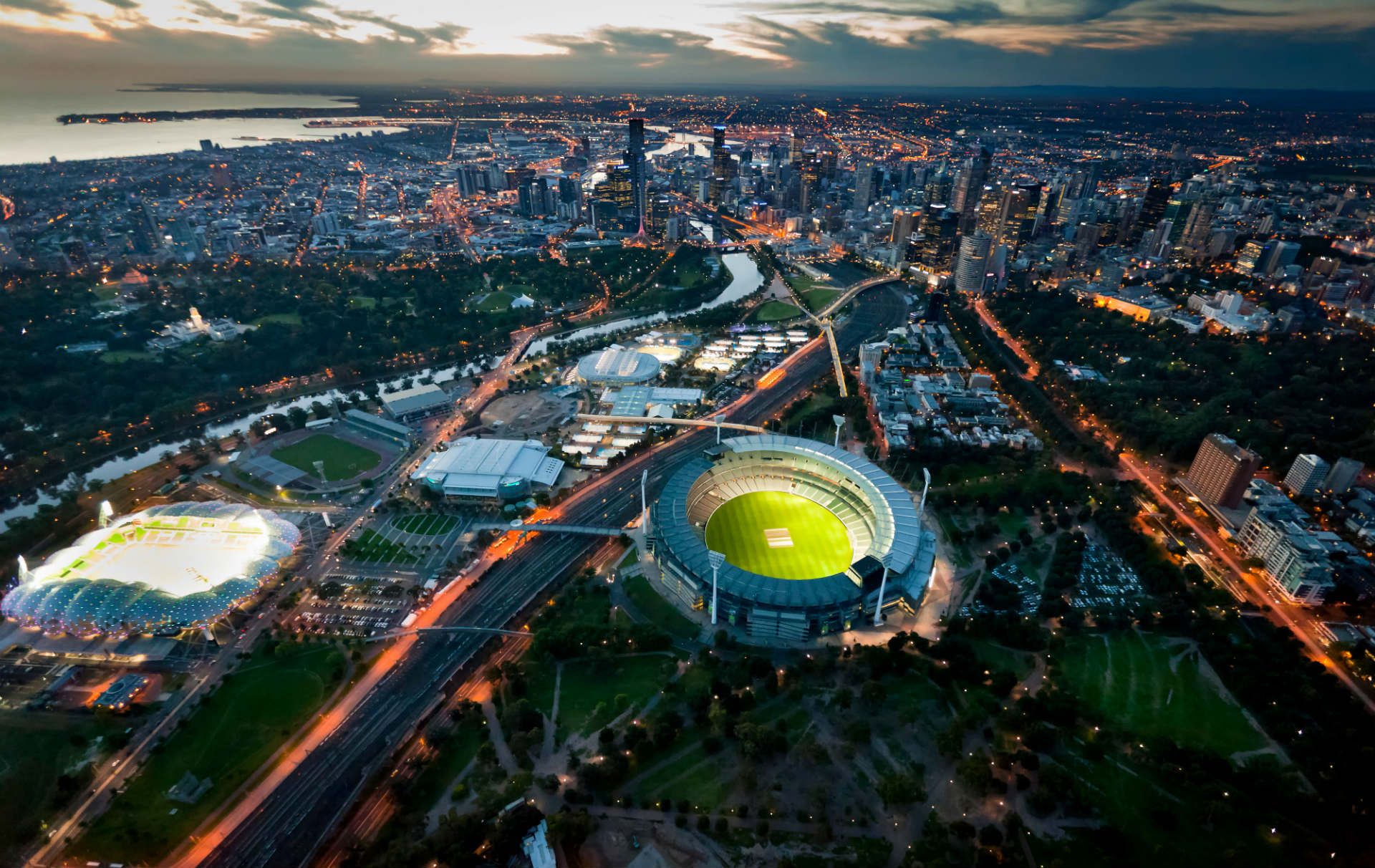
Melbourne, Australia @ Shutterstock
How many days do you need?
Many travelers give Melbourne two to four days, enough to explore central neighbourhoods, sample the food scene, and enjoy an evening of sport or live performance.
A single night works as a convenient stopover, letting you stroll a few laneways and visit a key gallery or riverside precinct before moving on. With two days, you can balance city wandering with a dedicated half-day in a favourite suburb such as Fitzroy or St Kilda.
Three days allow time for a relaxed city program plus a short excursion, while four or more nights turn Melbourne into a comfortable base for day trips to coastal areas or nearby wine regions without constant packing.
| Days | Recommended focus |
|---|---|
| 1 day | Central laneways, cafés, and a riverside walk |
| 2 days | City highlights plus one or two character-filled neighbourhoods |
| 3 days | Deeper food and bar exploration with time for a short excursion |
| 4+ days | Use Melbourne as a base for coastal, wildlife, or wine-region day trips |
Best region combinations
Melbourne pairs naturally with the Great Ocean Road, creating a trip that moves from cafés and galleries to dramatic coastal drives and ocean viewpoints. Start with a few urban days before driving west along the coast so you can adjust to the time zone and pick up local tips before tackling the route.
Combining Melbourne with the Yarra Valley or Mornington Peninsula works well for travelers who want to alternate city energy with vineyard lunches, spa time, and coastal or countryside walks. These regions sit roughly one to two hours from central Melbourne, allowing easy transfers by car or organised transport.
Linking Melbourne with Sydney or Adelaide creates an urban-to-urban arc with contrasting personalities: Melbourne for laneways and local haunts, Sydney for harbour views, or Adelaide as a gateway to South Australian wine country and quieter coastal stretches. Flying between cities keeps travel time reasonable on shorter trips.
When is the best time to visit Melbourne?
The best time to visit Australia for Melbourne is from late spring to fall, roughly October to April, when milder temperatures make outdoor dining, park visits and waterfront walks especially enjoyable. Summer brings longer evenings and a busy calendar of festivals and sporting events, but also greater demand during major events and school vacations.
Winter is cooler and more changeable, yet it suits travelers who prioritize galleries, theater, neighborhood cafes and lower crowds. As part of a wider Australian itinerary, Melbourne adds a temperate, culture-focused stop that balances hotter coastal destinations elsewhere.
Seasonal planning can shift the emphasis toward indoor attractions and neighborhood exploration in cooler months, or coastal outings, rooftop venues and twilight activities during longer, warmer days.

Wilson Promontory, Melbourne, Australia © Shutterstock
Experiences to include in Melbourne
Melbourne blends creative neighborhoods, landmark architecture and a celebrated food and culture scene. Its lively center and easy day trips make it a strong base for a wider Victoria itinerary.
Follow Melbourne's laneways from Degraves Street to Hosier Lane
Strolling between Degraves Street, Centre Place and Hosier Lane reveals Melbourne's café culture, small bars and evolving street art in a compact area. Allow half a day to wander, snack and people-watch. It suits curious travelers who enjoy slow, atmospheric city exploration.
Spend an afternoon around the Royal Botanic Gardens and the Yarra River
Walking the Tan track around the Royal Botanic Gardens and continuing along the Yarra River offers a calm counterpoint to the CBD. Allow a few hours for lakeside lawns, native plant areas and riverside paths. It suits walkers, runners and relaxed picnickers.
Explore character-filled neighbourhoods like Fitzroy, Collingwood and Carlton
Brunswick Street in Fitzroy, Smith Street in Collingwood and Lygon Street in Carlton showcase independent shops, bars and long-running eateries. Give at least half a day, ideally an evening, to discover their different personalities. This suits food lovers and nightlife-focused travelers.
Blend sport and skyline views around the MCG and Federation Square
Spending time between Federation Square and the Melbourne Cricket Ground connects riverfront walks, galleries and Australia's sporting heart. Aim for a match or stadium tour plus a rooftop drink nearby. It especially rewards sports fans and visitors wanting a sense of local ritual.
Take a coastal escape to St Kilda and Brighton Beach
St Kilda and Brighton’s bayside coast are among the top attractions in Australia for relaxed waterfront walks, colorful bathing boxes and sunset views. Take a tram to St Kilda foreshore, then continue to Brighton Beach for its famous bathing boxes, piers and boardwalks. Allow half a day or a full day for an easy coastal escape that requires no long drive from central Melbourne.
Pair city time with wine in the Yarra Valley
A day trip from Melbourne to the Yarra Valley adds cellar doors around Coldstream and Healesville to a city stay. Allow a full day for tastings, vineyard lunches and rolling countryside views. It suits food-and-wine-focused travelers wanting variety without changing hotels.

Silhouetted rowers on the Yarra River with the Melbourne Cricket Ground in the background © Daniel L Smith/Shutterstock
Planning Melbourne with local expert tips
Melbourne’s neighborhoods are a major part of its character, while several of Victoria’s most popular regional destinations begin just beyond the city. A local expert can choose a base that suits how you want to experience Melbourne, then fit any journeys into wine country or along the coast around the rest of your Australian itinerary.
Where to stay in Melbourne
The central business district is practical for a first visit, with restaurants, shopping and major cultural venues close by and good transportation connections across the city.
Southbank offers easy access to the river and arts precinct, while Fitzroy and Carlton have a more neighborhood focused feel with cafes and independent restaurants. Your local expert can choose between these areas according to your plans rather than simply placing you in the center.
Melbourne itself rarely requires a hotel change, so keeping one base usually leaves more time for exploring. If the Great Ocean Road or Yarra Valley is also important, it can make more sense to spend a night outside Melbourne where appropriate instead of treating every part of Victoria as a return excursion from the city.
How transportation can be arranged
Melbourne Airport is northwest of the center, and a private transfer can simplify arrival when you have luggage or reach the city after a long flight. Once settled, trams and trains cover much of Melbourne, with walking working well within individual central neighborhoods. Private transportation becomes more useful beyond the city, particularly for winery visits or a Great Ocean Road journey with several stops.
Your local expert can also arrange these regional trips as part of your onward route rather than automatically bringing you back to Melbourne. For example, if the Great Ocean Road follows your city stay, they can collect you from your Melbourne hotel, arrange an overnight along the coast and continue the journey through western Victoria according to your next destination.


