Macau is a compact but distinct region of China, combining dense urban energy with a preserved Portuguese old town and major entertainment complexes. It stands apart from other Chinese destinations through its mix of UNESCO-listed streets, high-rise resorts, and an easy-to-navigate layout.
Within a wider itinerary, Macau usually fits as a one- to three-day stop linked with Hong Kong or nearby Pearl River Delta cities. It suits travelers who want concentrated cultural sightseeing, food-focused days, and evening entertainment without long transfers. Public transport, short distances, and clear districts make it straightforward to slot into a multi-stop route.
Why visit Macau?
Macau offers a collision of cultures you will not find elsewhere in China. Baroque churches stand over narrow lanes scented with jasmine tea, while Cantonese opera flyers curl beside tiled Portuguese facades. In a single afternoon you might step from candlelit shrines thick with incense into pastel-colored plazas where shop signs mix Chinese characters with Portuguese names.
Evenings have a rhythm distinct from other Chinese cities. Neon-lit casino towers shimmer over the water, yet a few streets away you can sip strong coffee in a tiled cafe and watch elderly residents play cards under banyan trees.
Because everything is so compact and walkable, you constantly shift between colonial streets, Chinese temples, and resort skylines, leaving with the sense of having crossed cultures and eras within the span of a short city stroll.
Who is Macau best for?
You'll probably enjoy Macau if you like compact city breaks with plenty of variety packed into short stays. Returning visitors to Hong Kong who want somewhere new to explore for a day or two often find Macau rewarding. Food-focused travelers who enjoy mixing casual street snacks with more polished dining will have plenty of choice, especially in the evenings.
This works particularly well if you appreciate wandering on foot, dipping in and out of historic quarters, shops, and nightlife without long journeys across the city. Couples who like combining dining, night views, and light entertainment in one small area also tend to get good value from a short stay here.
You may prefer another destination if you want a long, slow-paced beach holiday or a nature-focused escape with hiking and wide open landscapes. Families seeking a full week of kid-centered attractions may find other parts of China or nearby Asia more suitable.
Travelers looking for a purely resort-style break, or those who dislike busy urban environments and nightlife, may be happier choosing a quieter coastal town or a larger cultural hub with a wider range of museums and galleries.
How does Macau fit into an itinerary?
Macau usually features as a short, focused stop within a wider holiday that also includes Hong Kong or mainland China. Many travelers arrive in Hong Kong first, then add one or two nights in Macau midway through their route to shift gears from broader urban exploration to a more concentrated, entertainment-heavy stay. Others end their plans here, using Macau as a final, high-energy stop before flying out of Hong Kong or returning home.
Because of its compact size, Macau rarely serves as the sole base for a longer trip. Instead, it works well as an overnight pause in your journey, breaking up transfers between major hubs and adding contrast without requiring many extra days.
One or two nights is usually enough to change the tempo of your route, shifting from faster city hops to a slower, walkable break while still keeping your overall itinerary efficient. Day trips from Hong Kong are possible, but an overnight stay typically gives your plans a more relaxed, balanced rhythm.

Chinese local street food in Macau © chriscch/Shutterstock
How many days do you need?
Most travelers treat Macau as a short, focused stop rather than a long stay. The city’s compact size means you can see headline sights quickly, but an overnight or two allows time to enjoy the contrast between historic streets and modern entertainment without feeling rushed.
| Days | Recommended focus |
|---|---|
| 1 day | Sample the UNESCO-listed historic center, try a few local snacks, and get a first glimpse of the Cotai Strip skyline. |
| 2 days | Balance daytime wandering in old Macau with an evening exploring casinos, shows, and nightlife, plus slower meals in local neighborhoods. |
| 3 days | Add museums, quieter temples, and waterfront walks, with time to revisit favorite areas at a more relaxed pace. |
| 4+ days | Use Macau as a gentle break within a longer China or Hong Kong itinerary, focusing on food, shows, and unhurried city strolls. |
Very short visits suit travelers who like dense urban experiences, while longer stays work better for those who prefer to unpack once and explore in depth.
Best region combinations
Macau combines naturally with Hong Kong, linked by frequent ferries and the Hong Kong-Zhuhai-Macau Bridge. Many travelers start with Hong Kong’s broader mix of neighborhoods and viewpoints, then add one or two nights in Macau for a more compact, entertainment-focused finale. The transfer typically takes about one to two hours door to door.
Guangzhou is another logical pairing, offering a deeper look at Cantonese culture and riverfront life. A route of Guangzhou-Hong Kong-Macau creates a varied Pearl River Delta circuit, moving from a major mainland city to an international hub and finishing in Macau’s denser, resort-driven setting. High-speed trains and buses make these hops straightforward for a week-long urban-focused trip.
For travelers exploring further into China, it can also work to begin or end a longer route in Macau, connecting via Hong Kong to other major cities.
When is the best time to visit Macau?
The best time to visit China for Macau is from October to March, when cooler, drier weather makes historic streets, plazas and waterfront areas more comfortable to explore. Spring and fall also work well for combining outdoor sightseeing with evenings in casinos, restaurants or shows.
Summer brings greater heat, humidity and a higher risk of typhoons, which can disrupt ferries and bridge traffic. Flexible scheduling and cooler-hour walks help reduce the impact of hot or stormy conditions.
Public holidays and major events bring heavier crowds and higher prices, especially around casinos and waterfront promenades. Weekdays and shoulder seasons generally offer a quieter experience, making Macau an easy short stop within a longer China or Hong Kong itinerary.

Macau old town © leungchopan/Shutterstock
Experiences to include in Macau
Macau combines Portuguese colonial heritage, Chinese traditions and a lively entertainment scene. Its compact layout and mix of culture, food and nightlife make it an easy addition to a wider China or Hong Kong itinerary.
Wander Senado Square and the Historic Centre
Allow half a day to drift through Senado Square, the Ruins of St. Paul's, and St. Dominic's Church, where Portuguese facades meet Chinese shopfronts. It suits walkers who enjoy tight, atmospheric streets, easy cafe stops, and photogenic plazas.
Contrast Cotai Strip resorts with old Taipa Village
Spend an afternoon and evening moving between Cotai's grand resorts, such as The Venetian Macao, and Taipa Village's low-rise alleys and eateries. The sharp contrast highlights how modern entertainment and long-standing local life sit side by side in Macau.
Follow Macau's food trail from street snacks to heritage cafes
Dedicate at least one unhurried meal time to tasting pork chop buns on Rua do Cunha, Portuguese-style egg tarts at Lord Stow's Bakery in Coloane, and Macanese dishes in old-town restaurants. Food-focused travelers can easily build a whole day around these stops.
Walk the waterfront from Macau Tower to A-Ma Temple
The shoreline promenade between Macau Tower and A-Ma Temple is one of the top attractions in China for harbor views and relaxed walking. Follow the waterfront, pause at scenic viewpoints and take short detours into nearby side streets. The route suits travelers looking for open views and an easy introduction to Macau beyond its casinos.
Discover quieter Coloane's village lanes and green corners
Set aside half a day for Coloane Village, where small temples, pastel houses, and seaside walks feel far removed from Cotai's neon. It works well for travelers who want a slower, more local-feeling side of Macau within a compact area.
Experience Macau after dark beyond the gaming tables
Plan at least one evening to see Macau lit up from the Nam Van Lakes promenade, explore small bars around Rua do Campo, and wander under the Cotai skyline. It suits visitors who enjoy city atmospheres and night photography more than gaming itself.
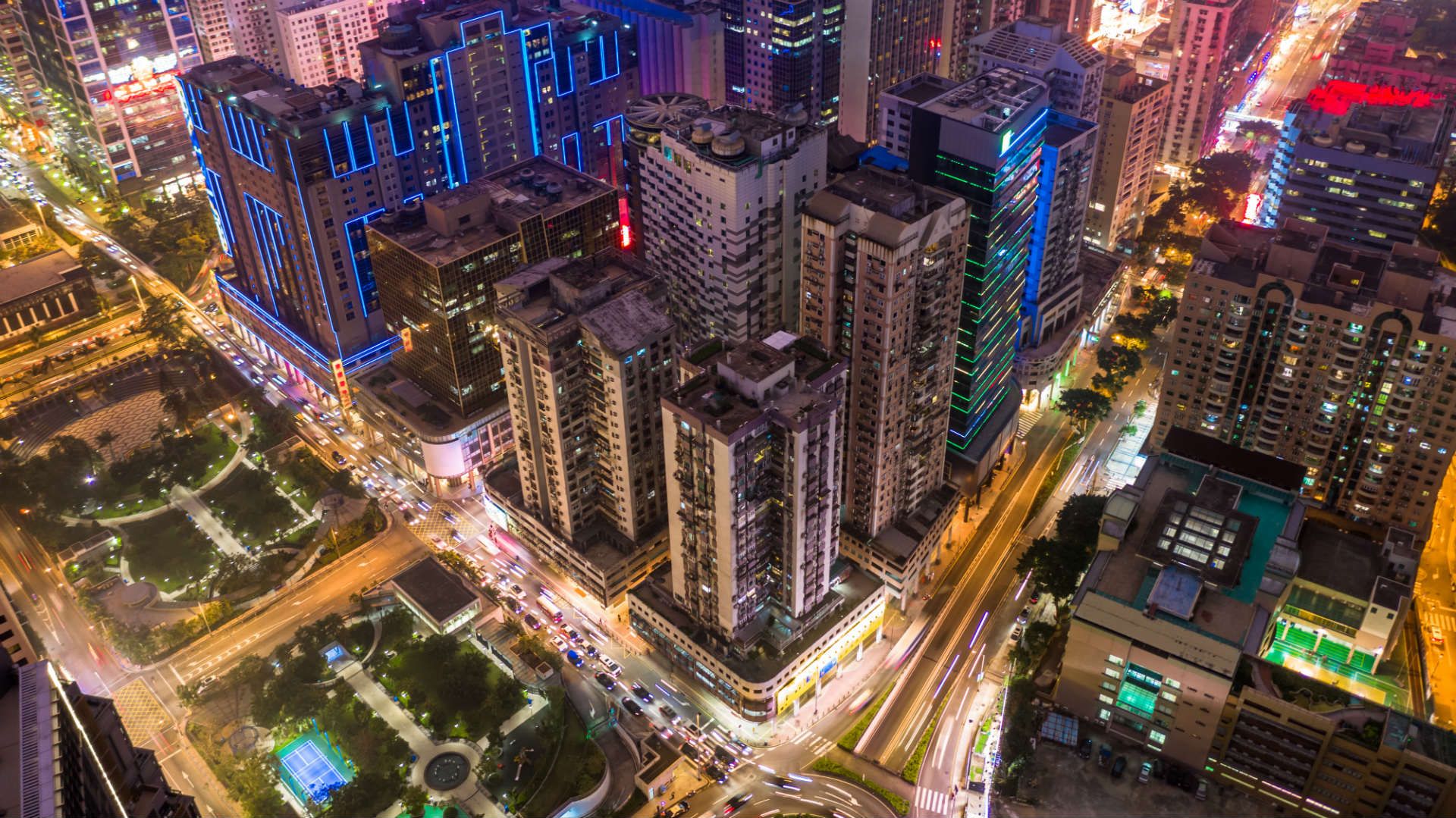
Night city, Macau @ Shutterstock
Planning Macau with local expert tips
Macau combines a compact historic center with large resort districts on Cotai and convenient connections to Hong Kong and mainland China. Local experts can choose the right base for the side of Macau you want to experience and arrange arrival and departure around the border, ferry or airport connection that fits your wider journey.
Where to stay in Macau
Macau Peninsula is the more convenient choice for exploring the historic center, including Senado Square and the streets around the Ruins of St Paul.
Cotai has a very different character, dominated by large hotels, entertainment venues and resort complexes. Taipa can offer a useful middle ground, with older streets and restaurants within reach of the Cotai resorts. Your local expert can match the hotel to your priorities rather than having you cross between the peninsula and Cotai several times each day.
For a brief cultural visit, staying on the peninsula may simplify the itinerary, while travelers attending an event on Cotai may value proximity more. Your expert can also decide whether Macau merits an overnight or fits better between other stops in the Pearl River Delta.
How transportation can be arranged
Macau can be reached by ferry, road or air, giving your local expert several ways to incorporate it into a wider China itinerary. Ferry services connect Macau with Hong Kong, while the Hong Kong Zhuhai Macau Bridge provides another route across the Pearl River estuary. Land crossings connect Macau with Zhuhai, and Macau International Airport is convenient for selected regional flights.
Within Macau, taxis, buses and the light rail system can be combined with private transfers where useful. Border and immigration formalities need to be allowed for when continuing between Macau and mainland China. If your journey continues to Guangzhou or another mainland destination, your expert can choose the most practical crossing and arrange the onward connection around your confirmed hotel and travel schedule.