Agra in northern India is a compact stop best known for the Taj Mahal but also for its Mughal forts, riverside gardens, and traditional workshops. It deserves a place in a multi-day India itinerary because major sights sit close together and can be covered efficiently in one or two days, making good use of limited travel time.
Agra suits travelers focused on architecture, history, and photography who are comfortable with busy urban environments. It typically fits into a Golden Triangle route with Delhi and Jaipur, or as a short detour by train from Delhi before continuing toward Rajasthan or central India.
Why visit Agra?
Agra offers an intensity of Mughal heritage and craftsmanship that feels different from anywhere else in India. Beyond its famous landmarks, the city reveals a layered story of emperors, poets, and artisans in the red sandstone lanes, riverside views, and old bazaars. Dawn and dusk transform the skyline into silhouettes of domes and minarets, while the Yamuna's slow curve gives the city a reflective, almost theatrical backdrop.
What makes time in Agra special is the chance to sense how architecture, garden design, and craft once worked together as a single vision of beauty. Marble inlay workshops, centuries-old sweet shops, and views across the river to palaces glowing at sunset create a mood that is both grand and intimate. You leave with a feeling for the Mughal imagination that goes beyond seeing a single monument.
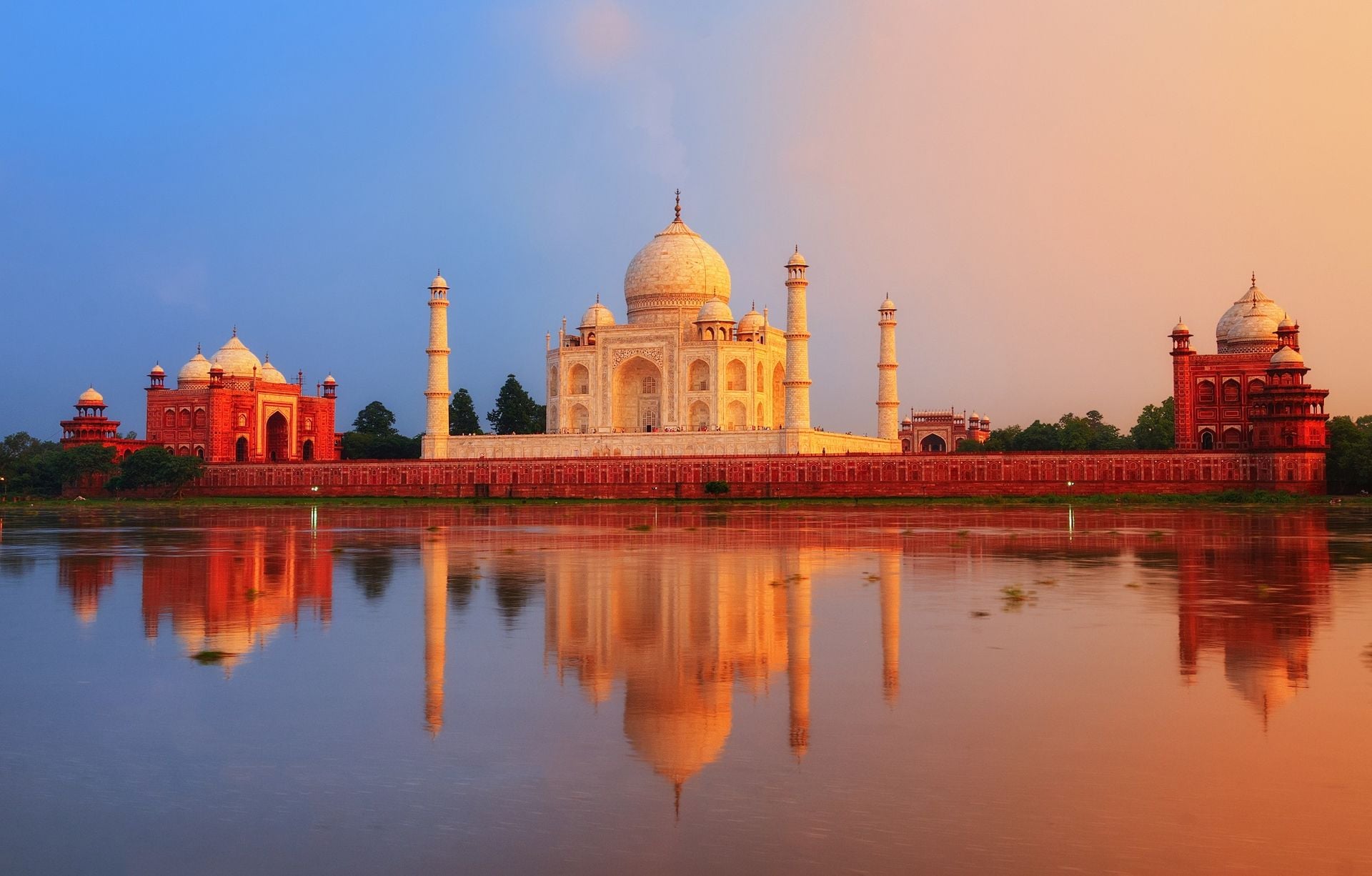
Taj Mahal, Agra, India
Who is Agra best for?
You will probably enjoy Agra if you are drawn to layered history and can happily spend hours exploring monuments, stories, and viewpoints rather than ticking off a long list of cities. Curious first-time visitors to India who want a strong sense of Mughal heritage in a short stop tend to find it especially rewarding.
Couples and friends who enjoy sunrise or sunset photography, quieter reflective moments, and unhurried wanders through historic districts will also get a lot from time here. Travelers who like to balance structured sightseeing with free time for browsing workshops or cafés are a natural fit.
You may prefer another destination if your ideal trip revolves around beaches, nightlife, or outdoor adventure rather than culture. Families with very young children who struggle with crowds or long days around monuments may find a slower-paced hill station or coastal town more comfortable.
If you are seeking a remote nature escape, wildlife-focused reserves or Himalayan regions will likely suit you better than an intense historic city.
How does Agra fit into an itinerary?
Agra most often features as a focused midpoint on a wider route linking Delhi, Rajasthan, and sometimes Varanasi or central India. Many travelers arrive first in Delhi, then pause in Agra for one or two nights before continuing by road or rail toward Jaipur or further into Rajasthan. It rarely serves as an international arrival or departure hub, so it typically sits after your first stop in India and before longer, more leisurely stays elsewhere.
The city helps shift your journey from big-city energy to more concentrated heritage time without dramatically slowing the overall pace. One night creates a concise stop that keeps your route moving, while two nights build in a short spell of slower exploration and recovery between longer transfers.
Agra can work as a base for nearby day trips, but in tailor-made trips it is more often treated as a staging point, with onward travel planned soon after key visits. Placing it carefully in your itinerary helps balance intense sightseeing days with quieter phases in other destinations.
Trips that include Agra
The Gems of India: Luxury India tour explores Agra's Mughal heritage with visits to Agra Fort, the Pearl Mosque, Diwan-e-Am, and Diwan-e-Khas. The experience also includes a memorable sunset view of the Taj Mahal from across the Yamuna River.
The North India trip begins its exploration of Agra with a dawn visit to the Taj Mahal, followed by a traditional tonga ride and a heritage walk. Highlights include Agra Fort, Itmad-ud-Daula's Tomb, and Mehtab Bagh.
The Ganges tour in India features a sunrise visit to the Taj Mahal, along with tours of Agra Fort and Itmad-ud-Daula's Tomb, offering a closer look at the city's remarkable Mughal architecture.
Beyond Agra's famous monuments, our local experts can arrange a heritage walk through Kachhpura village, introducing travelers to traditional crafts and everyday life in the local community.
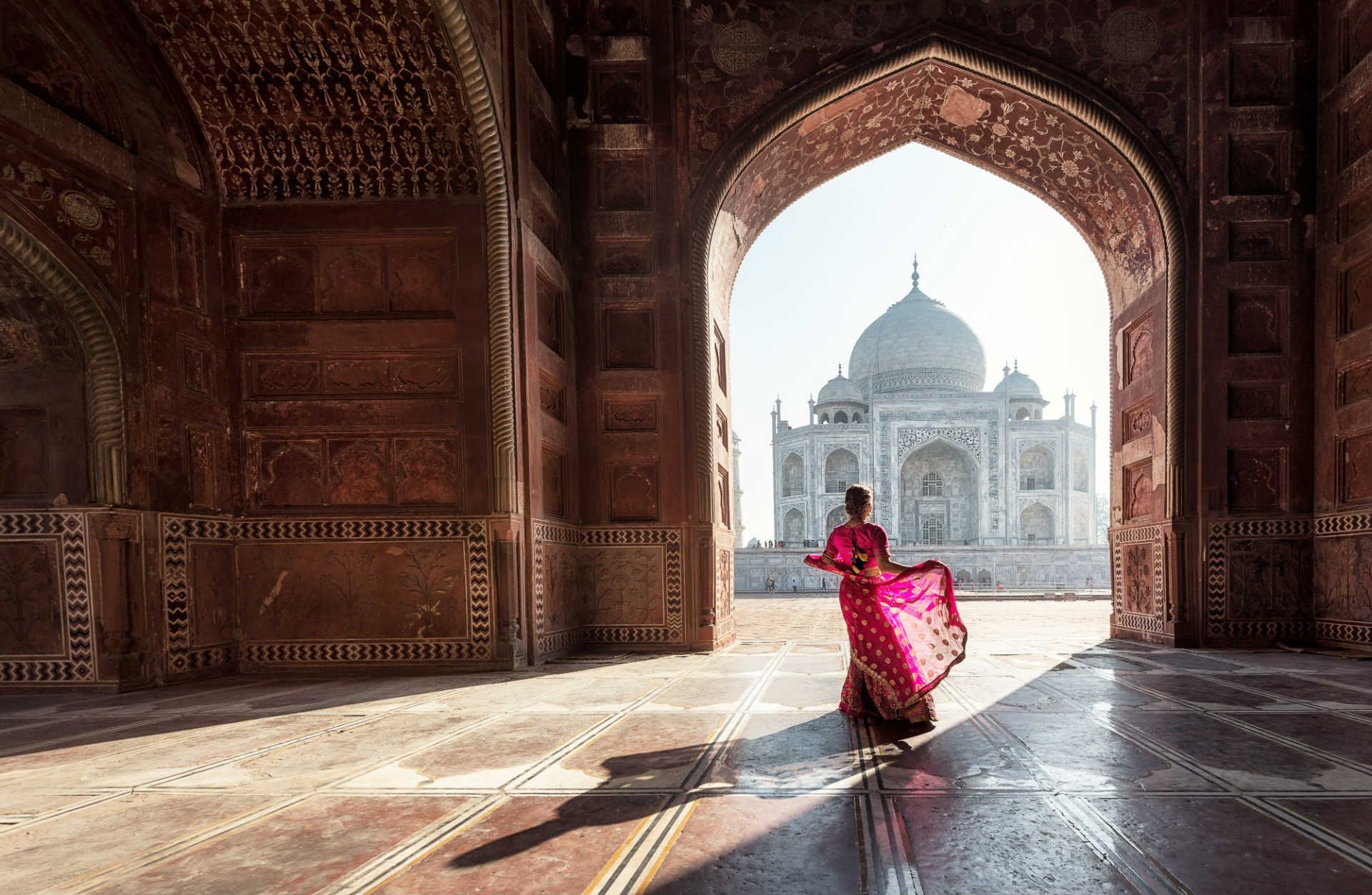
Woman at Taj Mahal, Agra, India © SasinTipchai/Shutterstock
How many days do you need?
Most travelers find one full day enough to see Agra's headline sights, especially on a fast Delhi-Agra-Jaipur route. Two days allow you to pace Taj Mahal visits around sunrise and sunset, explore Agra Fort in more depth, and add quieter gardens or workshops.
A third day makes sense if you want to include nearby sites such as Fatehpur Sikri or simply build in more breaks from the heat and crowds.
| Days | Recommended focus |
|---|---|
| 1 day | Essential highlights: Taj Mahal and Agra Fort, with one key viewpoint. |
| 2 days | Sunrise and sunset Taj views, Agra Fort, gardens, and select bazaars. |
| 3 days | Core monuments plus Fatehpur Sikri or other nearby heritage sites. |
| 4+ days | Unhurried photography, deeper craft and neighborhood exploration, flexible pacing. |
A shorter stay suits tight Golden Triangle schedules, while longer visits work for travelers who value slower exploration and repeated visits to favorite viewpoints.
Best region combinations
Agra combines naturally with Delhi and Jaipur in a classic Golden Triangle, usually in the order Delhi-Agra-Jaipur to keep travel times between three and five hours by road or train. Adding Ranthambore between Agra and Jaipur creates a heritage-plus-wildlife trip, with tiger safaris breaking up monument days.
Linking Agra with Gwalior and Orchha introduces a quieter sequence of forts and palaces along the train line towards central India. Varanasi pairs well for travelers interested in both Mughal and Hindu sacred landscapes, connected by overnight train or a domestic flight via Delhi.
For a broader Rajasthan journey, Agra can be the eastern gateway before continuing from Jaipur to Jodhpur, Udaipur, or beyond for desert towns and palace stays.
When is the best time to visit Agra?
November to February is generally the best time to visit India for travelers exploring Agra. Cooler, drier weather makes long days at monuments and viewpoints more comfortable, although this is also the busiest period.
March and October are warmer but still manageable with early-morning and late-afternoon visits. From April to June, intense heat makes shorter sightseeing periods, shaded gardens and indoor breaks more practical. The monsoon, from July to September, brings humidity and showers, but softer light and fewer international visitors can appeal to flexible photographers.
Seasonal planning may prioritize early starts, alternate between busy and quieter sites, or add time in nearby retreats according to the weather and preferred pace.
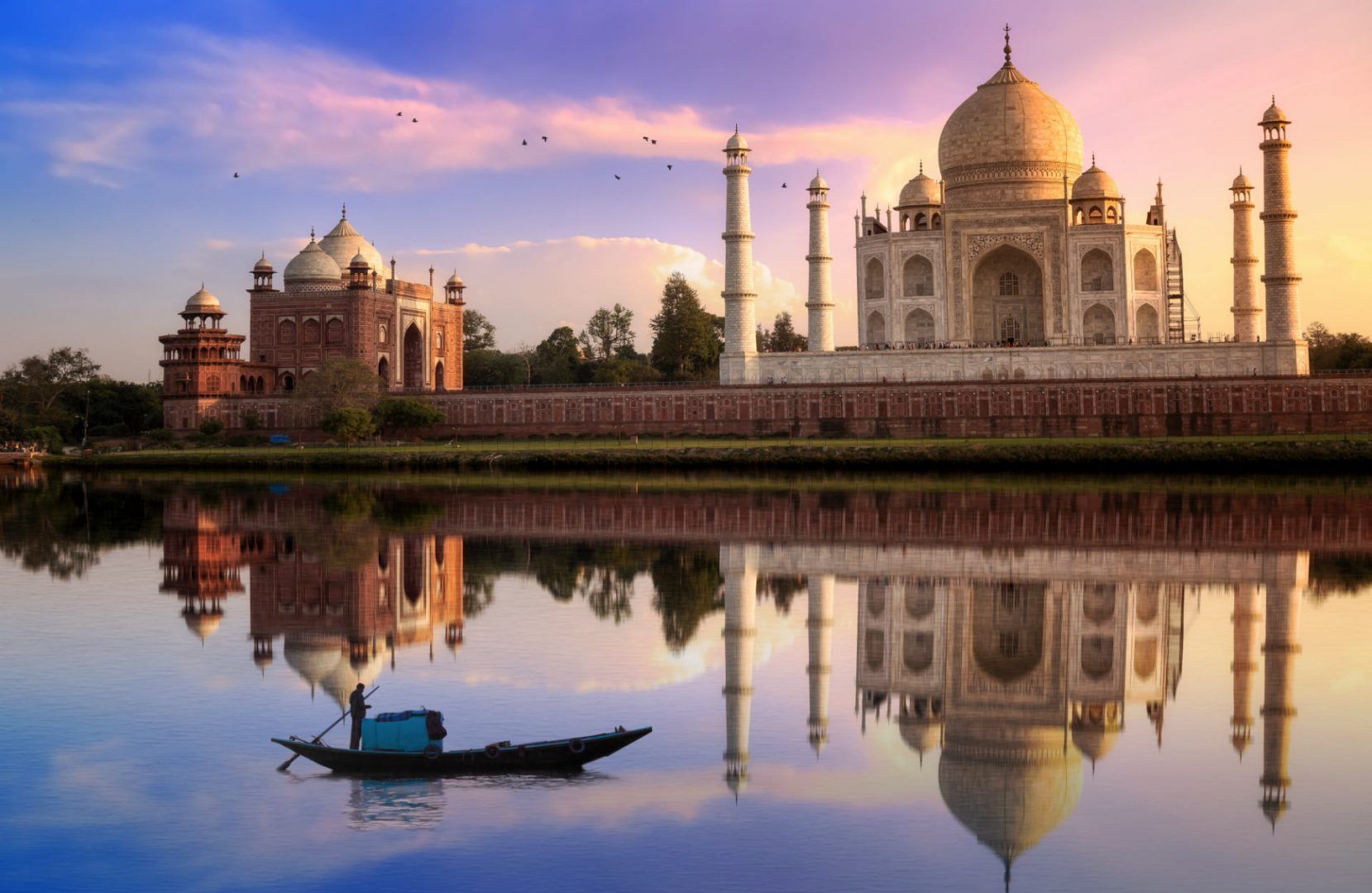
River Yamuna, Taj Mahal
Experiences to include in Agra
Agra combines monumental Mughal architecture, historic gardens and atmospheric views along the Yamuna River. Its concentration of world-famous landmarks makes it an essential stop on a wider Northern India itinerary.
Experience sunrise and sunset at the Taj Mahal
The Taj Mahal and Mehtab Bagh are among the top attractions in India for seeing Agra’s most famous monument in changing light. Visit the main complex around sunrise, then return to the Yamuna River at sunset for views from Mehtab Bagh. The softer colors and calmer atmosphere especially reward photographers, couples and first-time visitors.
Explore Mughal power at Agra Fort and the riverside
Set aside half a day to wander Agra Fort's palaces and ramparts, then follow the Yamuna riverfront toward lesser-known viewpoints. Linking these spaces helps you understand how Mughal rulers staged power, ceremony and everyday life across the city's core.
Step into a vanished capital at Fatehpur Sikri
A day trip to Fatehpur Sikri, the 16th-century Mughal capital west of Agra, adds depth to any itinerary. Walking between Jama Masjid, Diwan-i-Khas and the sandstone courtyards reveals why emperors experimented with new urban designs before abandoning the site.
Wander gardens and viewpoints along the Yamuna
Combine visits to Mehtab Bagh and Ram Bagh for a calmer take on Mughal landscape design. These gardens frame long views to the Taj Mahal and Agra's skyline, offering space to pause between major monuments and appreciate symmetry, shade and river breezes.
Discover Agra's craft workshops and bazaars
Allow an afternoon or evening to explore marble inlay studios near Taj Ganj and the lanes around Kinari Bazaar. Watching artisans at work and browsing small shops connects the monuments' intricate stonework and textiles with living craft traditions still practiced today.
Visit Sikandra and the Tomb of Itimad-ud-Daulah
Include Akbar's Tomb at Sikandra and the Tomb of Itimad-ud-Daulah for a broader picture of Mughal style. Their quieter courtyards, animal-filled gardens, and detailed pietra dura work help you trace the evolution of design leading up to the Taj Mahal.
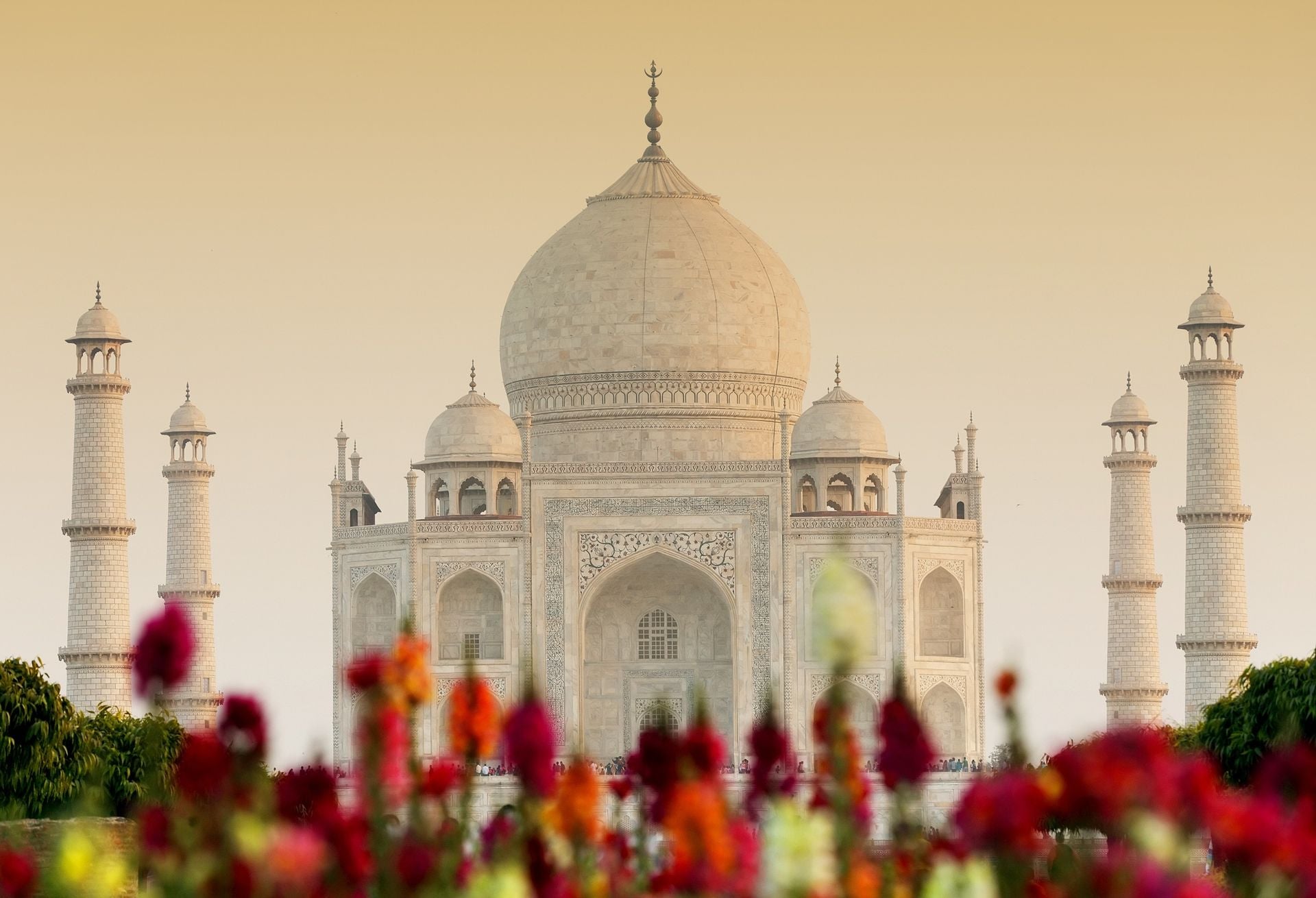
Taj Mahal in sunset light, Agra, Uttar Pradesh, India
Planning Agra with local expert tips
Agra is often treated as a quick stop for the Taj Mahal, but thoughtful planning makes it easier to appreciate the city without rushing between Delhi and the next destination. Local experts can time your stay around the monuments you most want to see and connect Agra naturally with Delhi, Jaipur or other parts of northern India.
Where to stay in Agra
Staying near the Taj Mahal is convenient when an early visit is a priority and reduces the amount of city traffic you need to navigate before reaching the monument. Other hotels sit farther from the historic core and may offer more space and resort style facilities, which can suit a more leisurely stay.
Agra Fort and the tomb of Itmad ud Daulah can be included without changing accommodation, while nearby Fatehpur Sikri works particularly well when your onward route heads toward Rajasthan. A local expert can decide whether Agra needs one night or a more relaxed stay based on your wider itinerary.
Rather than adding another night simply for convenience, they can give that time to Jaipur or another destination if Agra’s principal monuments fit comfortably into your planned schedule.
How transportation can be arranged
Agra is well connected with Delhi by express trains and road, making either option practical depending on the rest of your journey. Private transportation becomes particularly useful when Agra forms part of an overland route toward Jaipur, since Fatehpur Sikri can be incorporated along the way instead of requiring a separate return excursion.
Within Agra, a driver can coordinate visits between the major monuments while accounting for local traffic and vehicle access restrictions around the Taj Mahal. Rail connections are also useful when continuing to other cities in northern India.
If you are traveling from Delhi through Agra to Jaipur, your expert can arrange the route as a continuous journey, coordinating your hotel, monument visits and onward departure around your preferred pace.