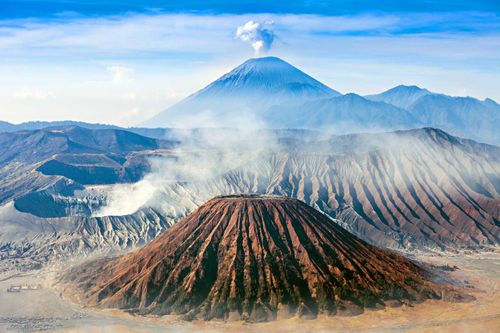
Java is Indonesia's most practical base for a multi-day itinerary, combining the country's political capital, major transport hubs, and some of its most visited cultural sites. Compared with other islands, it offers the easiest overland and rail connections, a wide range of mid- to high-end accommodation, and reliable access to airports for onward travel.
This region suits travelers who want efficient point-to-point journeys between cities, historic temples, and volcanic landscapes rather than extended remote island time. Java typically forms the backbone of a wider route, linking arrivals in Jakarta or Yogyakarta with extensions to Bali, Komodo, or other islands.
Why visit Java?
Java offers Indonesia's most concentrated mix of lived-in culture and volcanic landscapes on a single, well-connected island. While other regions focus on reefs or resort coasts, here everyday life plays out beside active craters, royal compounds, and dense urban neighborhoods.
You might watch steam rise from a crater at dawn, trace temple reliefs as the mist lifts, and end the day at a curbside stall over a bowl of gudeg or nasi liwet. Historic palaces and old mosques stand a short ride from modern malls and creative districts, showing how traditions adapt rather than freeze in time.
You leave with a textured sense of how Indonesia negotiates faith, power, and modernity across its most populous island, not just a memory of scenery or single standout sights.
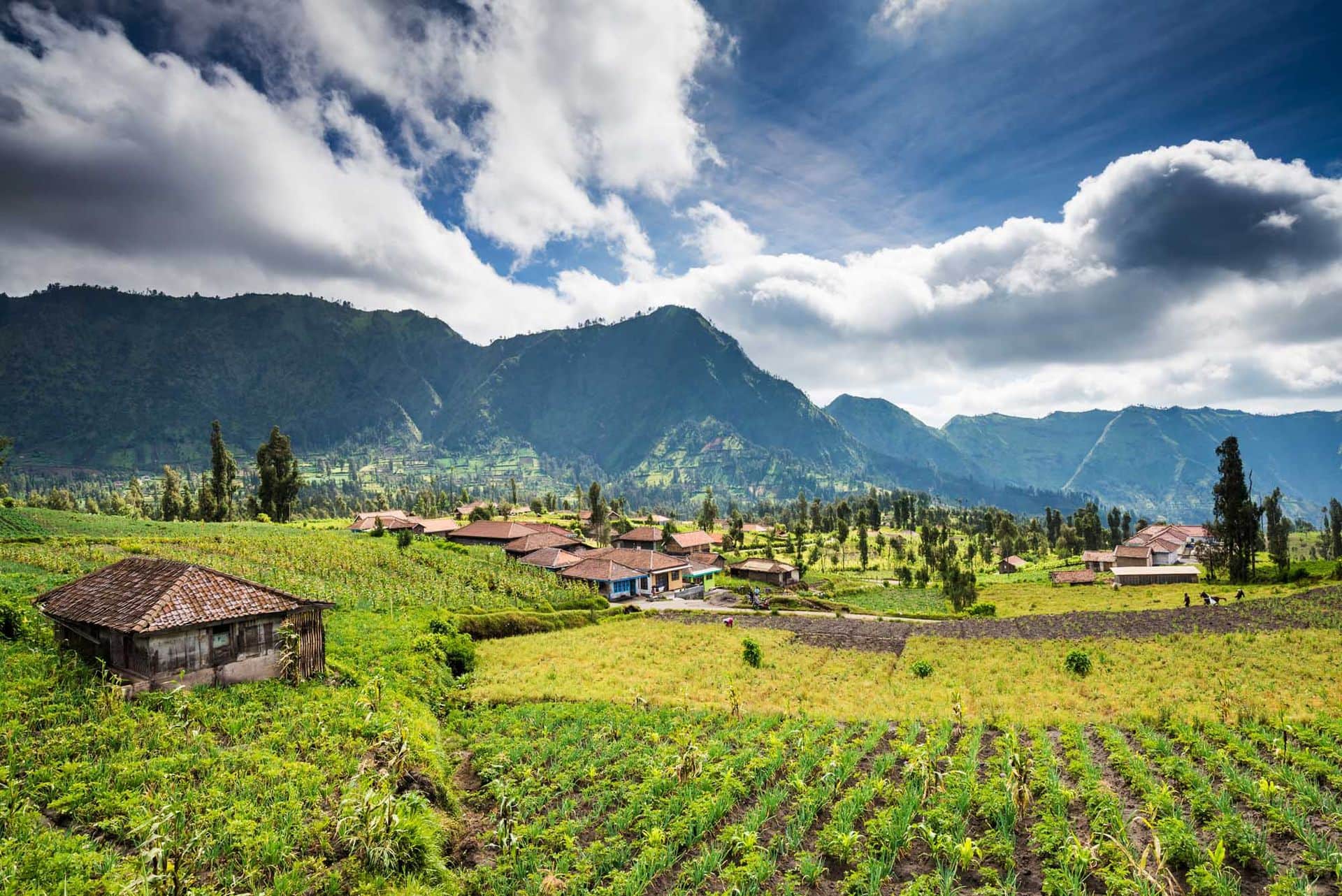
Village at Mount Bromo in Bromo Tengger Semeru National Park, East Java
Who is Java best for?
You’ll probably enjoy Java if you like combining city energy with cultural depth. It works well for travelers who want days shaped around temples, historic neighborhoods, and vivid street life rather than long stretches of beach time. First-time visitors to Indonesia who value straightforward logistics and a clear sense of everyday Indonesian life often find Java a rewarding starting point.
Curious couples and friends who enjoy night markets, local food, and a mix of independent exploring with guided experiences are likely to feel at home here. Active travelers who do not mind early starts and some longer travel days also tend to make the most of the island.
You may prefer another destination if your ideal trip is largely about resort downtime, snorkeling, and easy beach access. Those seeking ultra-remote escapes, minimal moving around, or a pure wilderness focus might be better served by other Indonesian islands, or by limiting Java to a short, focused stop before continuing to more relaxed coastal regions.
How does Java fit into an itinerary?
Java usually anchors the middle section of a longer Indonesia trip, linking your international arrival with slower days on quieter islands. Many travelers start or end here, using Jakarta or Yogyakarta as entry and exit points before continuing to Bali, Lombok, or Komodo. The island works well as a practical corridor: you move steadily east or west by train, car, or short flights, rather than settling in one spot for the entire stay.
On a tailor-made route, allocating several days to Java lets you balance structured city time with one or two changes of base in different parts of the island. Your pace tends to be more active here, with earlier starts and fuller days, before shifting into a slower rhythm once you reach beach-focused regions.
Java fits naturally into point-to-point journeys, forming the connective spine of your itinerary rather than a standalone, stay-put destination.
Trips that include Java
The private tour of Indonesia: tailor-made Java trip begins with a visit to Candirejo village and the magnificent Borobudur Temple. In Yogyakarta, travelers explore the Sultan's Palace and Prambanan temples before taking a scenic train journey towards Mount Bromo for a memorable sunrise.
The Java and Bali overland adventure: Indonesia trip explores Yogyakarta's historic Kota Gede district and the temples of Sewu and Plaosan. The itinerary also includes sunrise at Borobudur and a journey to Mount Bromo before crossing by ferry to Bali.
The Java and Lombok culture and beach tour introduces travelers to Yogyakarta's royal heritage, with visits to the Kraton and Taman Sari water palace. After experiencing sunrise at Borobudur, the journey continues to Lombok's beautiful beaches.
For a closer look at traditional Javanese village life, our local experts can arrange a dokar horse-cart ride through Candirejo, offering an opportunity to explore its rural surroundings and local customs.
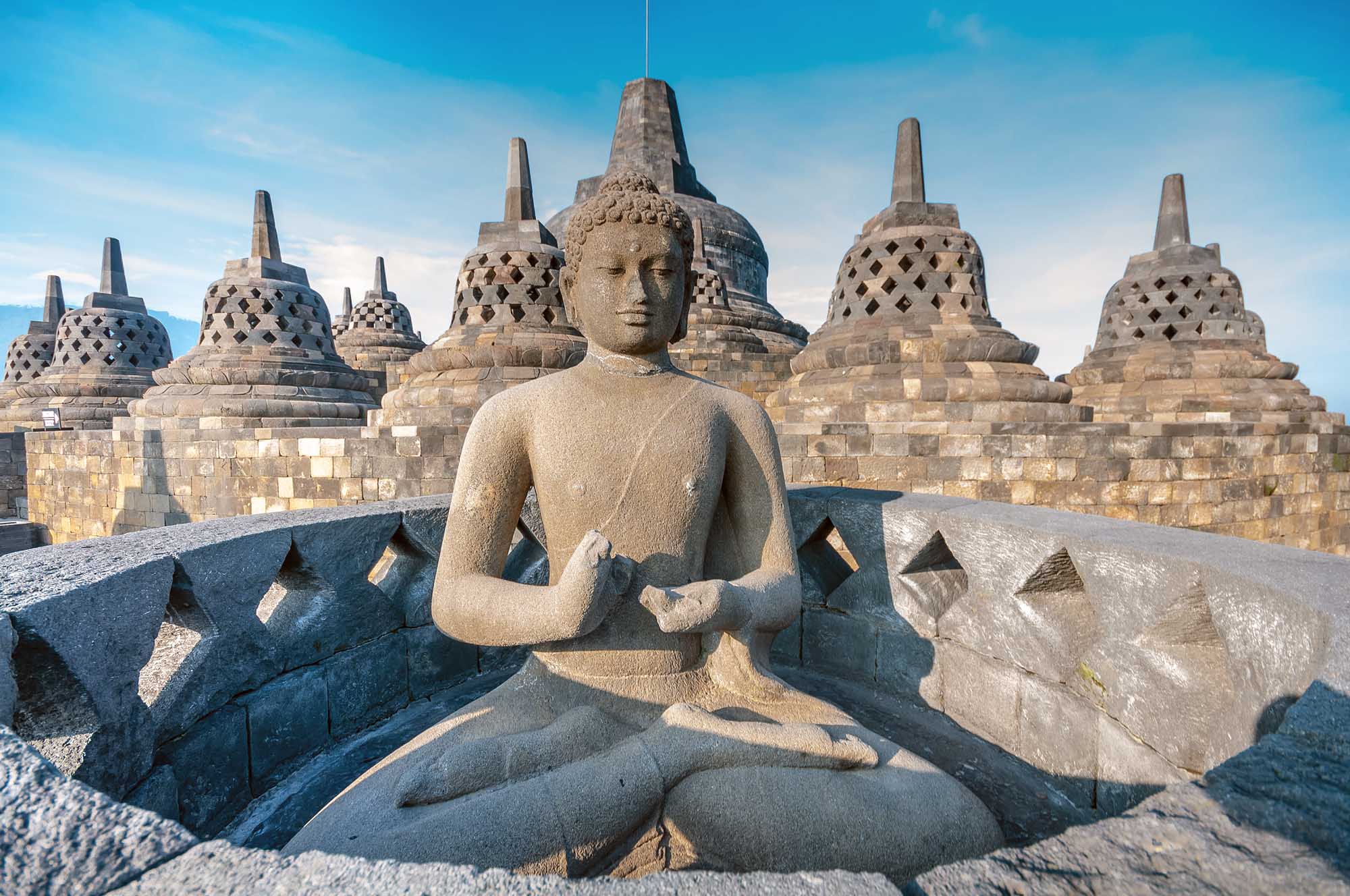
Ancient Buddha statue and stupa at the Borobudur temple in Yogyakarta, Java, Indonesia
How many days do you need?
Most travelers spend 4-7 days moving across Java rather than staying in a single city. This allows time to connect major cultural hubs with at least one volcanic landscape without rushing every transfer.
| Days | Suggested route | Ideal pace |
|---|---|---|
| 3-4 days | Jakarta - Yogyakarta (or Yogyakarta round-trip) | Fast, focused on key city sights and one or two major temples |
| 5-6 days | Jakarta - Yogyakarta - Solo | Balanced, adds quieter heritage towns and more varied dining and markets |
| 7+ days | Jakarta - Yogyakarta - Solo - Malang / East Java | Unhurried, combines city culture with highland scenery and volcano viewpoints |
Each extra day lets you add another town, a sunrise viewpoint, or additional food stops, turning Java from a simple transfer corridor into a richer overland journey.
Best region combinations
A classic route links Jakarta's urban energy with Yogyakarta's palaces and temples, then continues to Malang for cooler highland air and access to East Java's volcanic scenery. This west-to-east progression suits first-time visitors who like clear logistics and a steady shift from city streets to mountain views.
Another popular combination connects Yogyakarta, Solo, and Semarang. Traveling by road or rail over 3-5 hours between each city works well for culture-focused travelers who enjoy historic districts, batik workshops, and distinctive food scenes without long domestic flights.
For those continuing beyond Java, pairing Yogyakarta and Solo with a short flight or ferry link to Bali creates a clear contrast between structured days of temple visits and more relaxed time on the coast. This works best for travelers who appreciate a defined route on Java before slowing down by the sea.
When is the best time to visit Java?
May to September is generally the best time to visit Indonesia for travelers exploring Java. Drier weather and clearer skies suit city walks, temple visits and sunrise views across volcanic landscapes.
From November to March, afternoon showers are more frequent, especially in the highlands, although road and rail travel generally continues. Shoulder months can offer fewer crowds while still providing workable conditions for viewpoints, heritage sites and evening street-food visits.
Domestic holidays such as Idul Fitri bring heavier traffic, crowded stations and greater demand for accommodation. Seasonal planning may adjust start times to avoid midday heat, reorder cities around peak travel days and add more indoor stops or cafe breaks when rain is likely.
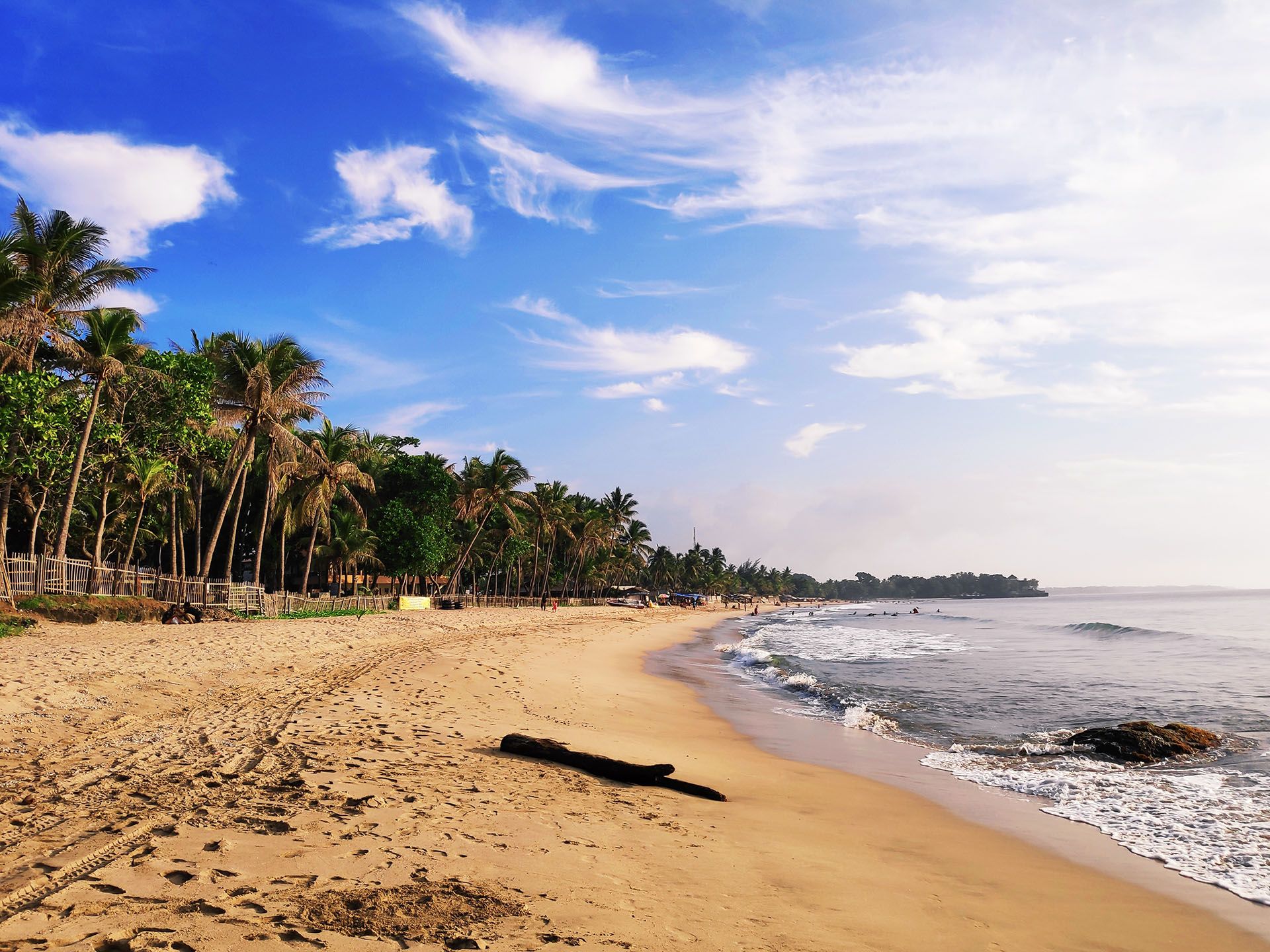
Anyer Beach, West Java - Indonesia © Shutterstock
Experiences to include in Java
Java’s highlights reward travelers who enjoy linking culturally rich cities with volcanic landscapes and distinct food scenes. These experiences work best as building blocks within a wider Indonesia route, making use of the island’s efficient overland and rail connections.
Link Yogyakarta’s heritage with Borobudur and Prambanan
Yogyakarta is home to some of the top attractions in Java, combining royal heritage with major temple complexes. Spend two or three nights exploring the Kraton and Taman Sari, then visit Borobudur and Prambanan around sunrise or late afternoon. The city suits travelers who prefer structured days focused on history, architecture and manageable travel times between key sites.
Ride the train corridor from Jakarta to Yogyakarta
Traveling by rail from Jakarta through Bandung or Purwokerto to Yogyakarta turns Java into a scenic overland route rather than a simple transfer. Allow one to three travel days, ideal for visitors who like watching daily life unfold from the train and stopping in smaller cities.
Combine Solo and surrounding batik towns
Staying one or two nights in Solo (Surakarta) lets you explore traditional batik workshops in Laweyan and Kauman, plus quieter royal heritage than Yogyakarta. This suits travelers who enjoy slower-paced neighborhoods, local studios, and evening food stalls over big-city nightlife.
Explore Malang’s colonial streets and East Java highlands
Use Malang as a cooler, compact base for one or two nights between central Java and East Java’s volcano regions. Its tree-lined avenues, café scene, and nearby highland villages add contrast to busier city days, especially for travelers who like walking and soft adventure.
Plan pre-dawn volcano viewpoints in East Java
Including sunrise viewpoints near Mount Bromo or the Ijen Plateau adds dramatic scenery to a Java crossing. Expect very early starts, cool temperatures, and basic local lodgings, best for active travelers comfortable with simple facilities in exchange for memorable crater and caldera views.
Sample regional food scenes in each city stop
From gudeg in Yogyakarta and nasi liwet in Solo to street stalls around Jakarta’s Glodok and Pasar Baru, Java’s food changes with each stop. Plan relaxed evenings at local warung or markets, turning overnight stays into distinct culinary chapters within your wider route.
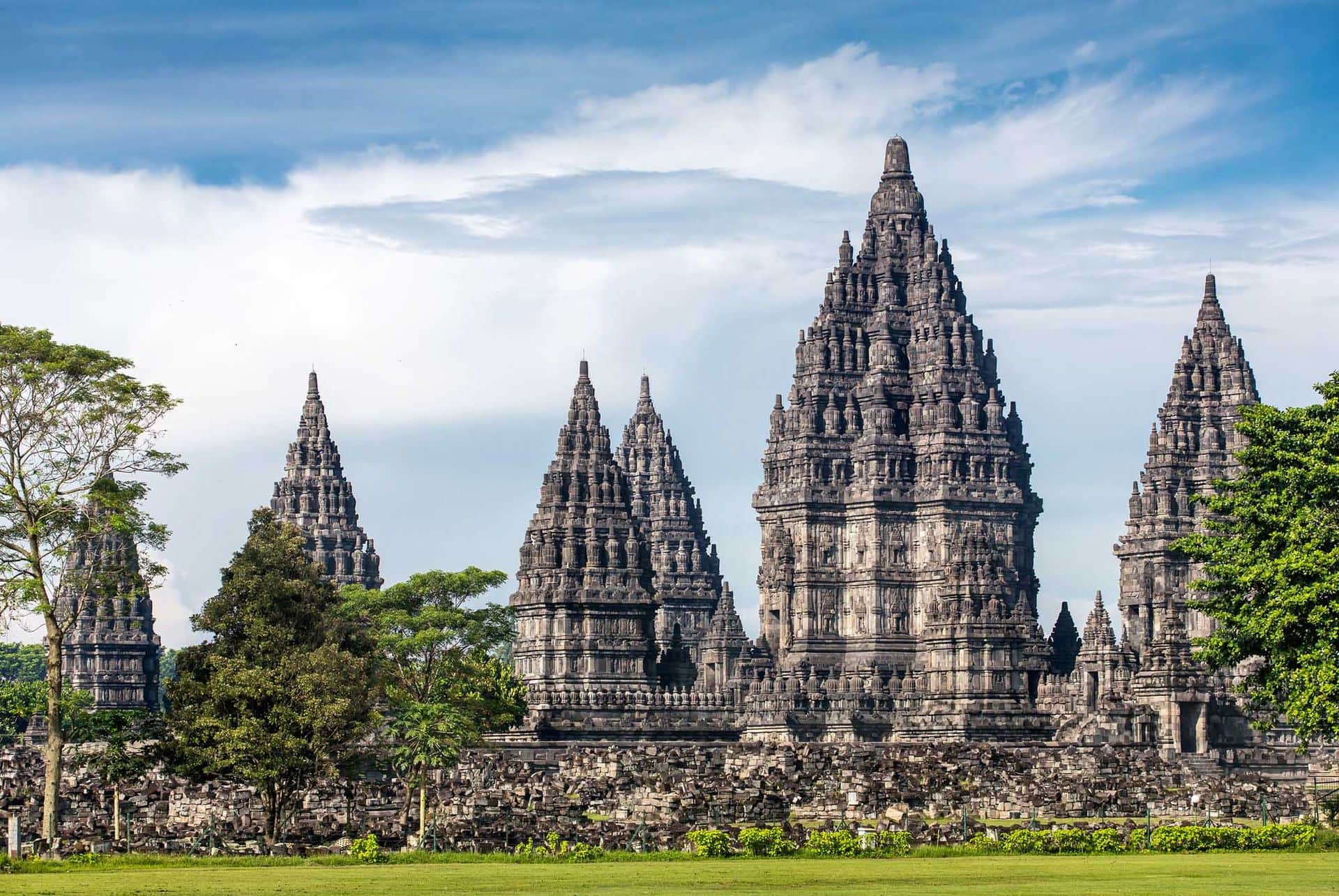
Prambanan temple near Yogyakarta in Java, Indonesia
Planning Java with local expert tips
Java combines immense cities, royal centers, volcanic landscapes and some of Indonesia’s most important temple complexes along an island that stretches for more than 600 miles. Local experts can organize the journey in one direction, using rail for major connections and road transportation for volcanoes, temples and rural areas away from the main line.
Where to stay in Java
Jakarta is the principal international gateway, but travelers interested in Java’s cultural heritage often devote more time to Yogyakarta, which provides convenient access to Borobudur and Prambanan.
Farther east, accommodation near Mount Bromo can make an early visit easier, while the area around Banyuwangi is useful for exploring Ijen or continuing toward Bali. These places are too widely separated to work from a single base, so carefully chosen hotel changes are an essential part of the route.
The tradeoff is between covering the island and having enough time in each region. Your local expert can leave out Jakarta sightseeing if your priorities lie elsewhere, for example, giving that time to Yogyakarta or eastern Java instead of adding another short city stay.
How transportation can be arranged
Java’s rail network is particularly useful for moving between major cities, including connections through Jakarta, Yogyakarta, Surabaya and other centers. Private vehicles can then handle shorter regional journeys and reach places where trains do not provide the most practical access. Visiting Bromo and Ijen requires more careful road planning, especially when early departures are involved.
Domestic flights can save time if Java forms only one part of a wider Indonesia itinerary. If you plan to continue to Bali, your expert can build the journey eastward through Java and arrange the final road and ferry connection, or select a suitable flight when time is limited, according to your dates and preferred pace.
 (1).jpg)
.jpg)