Papua is Indonesia's easternmost region, far from the main tourist hubs of Java and Bali, with remote highlands, dense rainforest and largely undeveloped coastlines. Travel here is slower and more logistically complex than in most other parts of the country, so it makes more sense as part of a longer, multi-day itinerary than as a short break.
This region suits travelers who prioritise off-the-beaten-path experiences over comfort and want to combine trekking, village visits and wildlife with time in better-connected hubs such as Bali or Sulawesi. It usually works best as a focused section within a wider Indonesia route, using flights to cover long distances efficiently.
Why visit Papua?
Papua offers Indonesia's rawest sense of frontier wilderness, where dense rainforest, high mountain valleys and far-flung islands feel a world away from the country's better-known resorts and cities. You might trek along misty ridgelines to reach communities that still observe age-old rituals, or travel upriver by boat to settlements rarely visited by outsiders.
Birdwatchers and nature-lovers come for the chance to glimpse Birds-of-paradise displaying in the canopy, and to explore reefs where you can snorkel and see more fish than people in a day. Simple moments: sharing betel nut on a village verandah, listening to evening chanting, or watching clouds roll over jagged peaks at dusk, take on a heightened intensity in this setting.
You leave Papua with the feeling of having stepped briefly into a different rhythm of life, shaped more by landscape and tradition than by modern Indonesia.
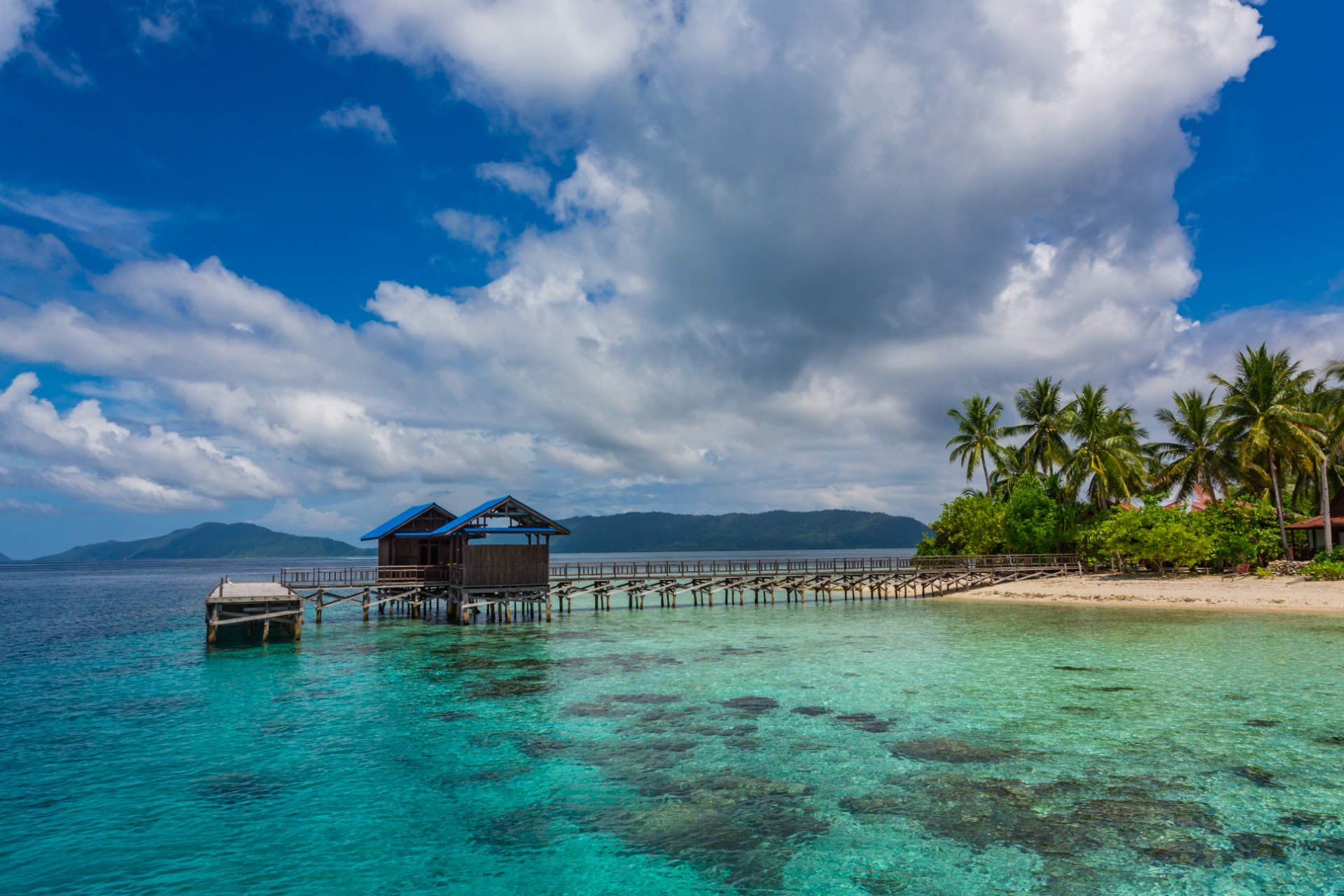
Aborek Island, Papua, Indonesia @ Shutterstock
Who is Papua best for?
You'll probably enjoy Papua if you’re an experienced traveler who values raw, remote experiences more than comfort or convenience. This region rewards people who are happy with simple accommodation, flexible plans and long travel days in exchange for the chance to trek in little-visited areas, spend unhurried time in small communities and focus on nature rather than nightlife.
Photographers, birders and hikers often find the effort worthwhile, as do couples or friends looking to share an intense, once-in-a-lifetime adventure rather than a classic beach escape.
You may prefer another destination if you’re planning a first trip to Indonesia and want easy logistics, a wide choice of hotels or plenty of restaurant and activity options in one place. Families with young children, travelers who like polished resorts, or those who are uncomfortable with very basic infrastructure usually find that islands such as Bali or Java match their expectations more closely.
How does Papua fit into an itinerary?
Papua usually works best as a dedicated, slower-paced section in the middle or latter half of your Indonesia plans, once you have adjusted in more connected hubs such as Bali, Java or Sulawesi.
Flights into towns like Jayapura, Wamena or Sorong typically act as entry points, with travelers then combining a few key areas rather than attempting to cover the whole region. Because distances are large and overland routes are limited, most routes rely on a mix of domestic flights and boat journeys, with point-to-point travel rather than looping back to the start.
Within a longer holiday, Papua might account for roughly a third of your time, changing the rhythm of your trip to fewer moves and longer stays in each place. Travel days tend to be full and subject to schedule changes, so routes usually string together two or three stops, each reached by pre-arranged transport and planned around infrequent flights and boat departures.

Blyth's hornbill (Rhyticeros plicatus). Raja Ampat, West Papua © Shutterstock
How many days do you need?
Papua rewards travelers who can linger. Rather than basing yourself in one town, most trips link a few key areas using domestic flights and boats, as overland travel is slow and limited. Anything under a week feels rushed once you factor in travel days and weather-related delays.
| Days | Suggested route | Ideal pace |
|---|---|---|
| 7-9 days | Sorong and nearby islands plus one highland or lake area | Introductory glimpse with one or two key experiences |
| 10-14 days | Sorong - Raja Ampat - Wamena/Baliem Valley | Balanced mix of trekking, villages and time on the water |
| 15+ days | Jayapura - Wamena - additional coastal or island stop | Deeper exploration with more flexibility for conditions |
Each extra few days lets you add another valley, island group or river journey, and build in buffer time so you can travel at Papua's naturally slow rhythm rather than racing between flights.
Best region combinations
A classic route links Bali with Papua via Sorong, then continues to the Raja Ampat islands before returning to Jakarta. This works well for visitors who want time to adjust in Bali before heading somewhere more remote.
Another popular combination is Sulawesi, Sorong and Raja Ampat. The contrast between Sulawesi's culture and Papua's wild seascapes suits adventurous travelers with 12-16 days to spare.
For strong walkers, pairing Wamena and the Baliem Valley with Sorong and nearby islands creates a mix of mountain trekking and coastal downtime. Plan at least 10-12 days to avoid feeling rushed.
More experienced travelers sometimes add Jayapura before Wamena, flying on to Sorong afterwards for a final island stay. This longer circuit suits those comfortable with simple infrastructure and multiple domestic flights.
When is the best time to visit Papua?
May to October is generally the best time to visit Indonesia for travelers exploring Papua. More settled weather, calmer seas around Sorong and less muddy trekking routes in areas such as the Baliem Valley make remote journeys easier to manage.
Rain is possible throughout the year and can disrupt domestic flights, river travel and transfers between isolated regions. Outside the drier months, landscapes can feel especially dramatic under shifting cloud and mist, but logistics are less predictable.
Seasonal planning may favor more reliable flight connections, adjust the order of stops and include extra buffer days between remote areas to accommodate weather-related delays.

Arborek, Raja Ampat, West Papua, Indonesia @ Shutterstock
Experiences to include in Papua
Papua combines remote highland valleys, dense rainforest and some of Indonesia’s most spectacular marine environments. Its mix of adventure, wildlife and cultural encounters makes it one of the country’s most memorable regions.
Trek among Dani communities in the Baliem Valley
Base yourself in Wamena and spend two to four days hiking between Dani villages in the Baliem Valley, following stone paths through terraced gardens and river gorges. Simple guesthouses and homestays make this ideal for active travelers comfortable with basic conditions.
Search for birds-of-paradise near Nimbokrang
From Jayapura, early-morning walks in the lowland forests around Nimbokrang offer the chance to see displaying birds-of-paradise, parrots and hornbills with specialist guides. Allow at least two nights to maximise sightings and adjust plans around weather and local trail conditions.
Liveaboard diving and snorkeling in Raja Ampat
Raja Ampat is home to some of the top attractions in Indonesia for world-class diving and marine biodiversity. Depart from Sorong on a multi-day liveaboard through the Dampier Strait and around Waigeo or Misool, with opportunities to see manta rays, vibrant coral reefs and dense schools of fish. The experience best suits confident swimmers and divers able to spend a week or more at sea.
Island-hop and kayak around Kabui Bay
Use homestays near Waisai or on Waigeo to spend a day or two exploring Kabui Bay's limestone islets by boat or kayak, weaving between jungle-topped karst towers. Calm waters and short outings make this gentler than offshore expeditions, ideal after longer treks or dives.
Journey by longboat on the Mamberamo or Baliem rivers
Expeditions from Wamena or Jayapura can include multi-day river journeys by motorised canoe along stretches of the Baliem or Mamberamo rivers, stopping at small settlements. These trips suit seasoned adventurers comfortable with very simple camping, unpredictable conditions and flexible plans.
Experience coastal Papuan life around Manokwari
Staying a few nights in Manokwari lets you combine visits to nearby Arfak Highlands villages with relaxed hours on Pasir Putih Beach and low-key waterfront markets. It works well as a softer introduction to Papua, balancing short excursions with easy downtime between travel days.

Kayaking in Wayag, Raja Ampat © Shutterstock
Planning Papua with local expert tips
Papua offers some of Indonesia’s most remote landscapes and culturally distinctive communities, with mountains, forests and coastal areas separated by difficult terrain. Local experts can concentrate the journey on a realistic part of the region, allowing for local logistics and giving individual places enough time rather than attempting to cover vast distances.
Where to stay in Papua
Accommodation varies considerably according to the area, from established hotels in regional centers to much simpler guesthouses and lodges in remote locations.
Jayapura is an important gateway for the north, while journeys into the highlands require carefully chosen bases according to current access and local arrangements. Raja Ampat, in Southwest Papua, is usually approached separately and offers specialist resorts and homestays centered on marine experiences.
Combining the highlands and Raja Ampat can be rewarding, but it also adds flights, transfers and substantial distance. Your local expert can decide whether the trip is better devoted to one region. If cultural encounters and mountain landscapes are your priority, for example, they can concentrate your time inland rather than adding a short coastal stay that complicates the route.
How transportation can be arranged
Flights are fundamental to travel across Papua because mountain ranges, forests and limited road connections separate many communities. Regional flights may be followed by private road transportation, boats or other locally arranged transfers depending on the destination.
Schedules and access conditions can change, so additional flexibility is valuable when traveling beyond the principal cities. Some areas may also involve permits or other formalities that should be checked for your specific itinerary. Rather than building the trip around tight connections, your local expert can leave sensible margins and confirm each stage locally.
If Papua follows Java or Bali, they can arrange the most practical flight sequence for your dates and adapt the regional route around current access, your preferred pace and your onward connection.

 (1).jpg)
.jpg)