Tokyo is Japan's largest urban region and a practical base for exploring the country's modern culture, food, and transport networks. Unlike historic centers such as Kyoto, Tokyo is defined by dense neighborhoods, contemporary architecture, and efficient connections to almost anywhere else in Japan.
It fits well into a multi-day itinerary if you want convenient access to onward rail travel, varied dining and nightlife, plus straightforward day trips to places like Nikko, Kamakura, or Hakone. Tokyo usually works best at the start or end of a wider route, giving time to adjust to Japan, sort tickets and passes, and plan focused sightseeing days instead of rushing between landmarks.
Why visit Tokyo?
Tokyo offers an intensity and scale of urban life you will not find elsewhere in Japan. Skyscrapers glow above tiny, lantern-lit alleys where chefs focus on a single specialty, from crisp tempura to charcoal-grilled yakitori. Neighborhoods shift dramatically within a few stops: the neon rush of Shinjuku, the subculture sidewalks of Harajuku, and the polished calm of Marunouchi's tower lobbies and cocktail bars.
What feels distinctive is how tightly choreographed and yet creative the city is. Commuter crowds flow in near silence, trains run to the minute, and late-night streets stay energetic yet orderly. Everyday moments, choosing seasonal snacks in a convenience store, browsing meticulous stationery shops, or soaking in a neighborhood sento bath, become small rituals.
You leave with the sense of having lived inside a finely tuned, constantly inventive megacity rather than just having ticked off famous sights.

Shibuya Crossing, Tokyo
Who is Tokyo best for?
You will probably enjoy Tokyo if you like energetic cities and prefer days that stay flexible rather than tightly scheduled. First-time visitors to Japan who feel unsure about language or logistics often find it a reassuring starting point, with clear signage and plenty of English support.
It also works well if you are traveling with mixed interests: one person keen on shopping, another on contemporary art, another on nightlife, all finding options within a short train ride. Travelers who enjoy food discovery, late-night wandering, or photographing bold urban scenery usually get the most from a stay here.
You may prefer another destination if your ideal trip centers on quiet countryside, long beach days, or slow-paced village life. Those who feel easily overwhelmed by crowds or dense urban environments might be happier basing themselves in smaller cities and visiting Tokyo only briefly.
If your main goal is traditional temples and historic streets with minimal modern distraction, somewhere like Kyoto, Kanazawa, or a rural region may be a better fit for most of your time.
How does Tokyo fit into an itinerary?
Tokyo usually works best as the entry or exit point for your time in Japan, thanks to its international connections and smooth onward transport. Many travelers start here with a few nights to settle in, get their bearings, and fine-tune plans before moving on to other regions. Others choose to end their route in Tokyo, returning for easy airport access and a final night or two in a familiar setting.
Within a wider route, Tokyo often anchors the beginning and end, with smaller cities and rural stays in between to shift the pace. Around three to four nights at the start allows time to adjust without rushing, while a short return stay before departure gives a practical buffer for connections and last-minute arrangements.
Tokyo also works well as a base for selected day trips, which lets you experience contrasting areas while keeping the same hotel. Used this way, it adds flexibility and structure to your itinerary, balancing faster travel days with periods of stability.
Trips that include Tokyo
Japan family tour: Culture, fun, and discovery begins with a warm welcome in Tokyo, where families explore the Meiji Shrine, East Gardens of the Imperial Palace, and Tsukiji Outer Market. The itinerary also includes a visit to Sensō-ji Temple, offering a blend of cultural and playful experiences.
Meanwhile, the Japan walking tour in Tokyo, Kyoto, and Osaka immerses travelers in Tokyo's vibrant neighborhoods, with stops at Meiji Shrine, Harajuku, and the Imperial Palace East Gardens.
Finally, the Tailor-made Japan food tour offers a culinary journey through Tokyo, featuring the Tsukiji Outer Market and a dinner cruise along the Sumida River.
A local expert can enhance your Tokyo experience by arranging a sushi-making session at Tsukiji Outer Market.

"Shinobazu Pond" in Ueno Park where the cherry blossoms are in full bloom, Tokyo © AdobeStock
How many days do you need?
Tokyo rewards unhurried exploration, but even a short stay can be worthwhile. Use the overview below as a guide, then adjust based on how much you enjoy big cities versus day trips.
| Days | Recommended focus |
|---|---|
| 1 day | Sample one or two contrasting districts, such as a busy shopping area plus a quieter neighborhood, without trying to cross the entire city. |
| 2 days | Balance headline sights with evenings in local dining streets, leaving time to simply wander and adapt plans around weather or energy. |
| 3 days | Settle into a routine, mix museums or gardens with nightlife, and include a half-day in a more residential area to see everyday Tokyo. |
| 4+ days | Add day trips, revisit favorite neighborhoods at different times of day, and allow space for unplanned discoveries. |
Shorter stays suit fast-paced itineraries; longer visits work well when you want to anchor a wider Japan route around one familiar base.
Best region combinations
Tokyo combines naturally with nearby cities and contrasting regions, creating itineraries that feel varied without excessive travel time.
- Tokyo - Hakone - Kyoto: Start in Tokyo, pause in Hakone for hot springs and Mount Fuji views, then continue by bullet train to Kyoto for temples and gardens. This creates a classic first-time route mixing city, onsen, and tradition.
- Tokyo - Nikko - Kanazawa: Travel from Tokyo to Nikko's forested shrines, then to Kanazawa for samurai districts and contemporary art. It suits travelers who like culture in compact, walkable settings.
- Tokyo - Kamakura - Enoshima: An easy coastal escape from Tokyo, ideal for a relaxed trip focused on temples, sea views, and cafe-hopping, with short train rides between stops.
- Tokyo - Nagano - Matsumoto: Head inland from Tokyo to Nagano's mountain surroundings and Matsumoto's castle, building an itinerary that emphasizes alpine scenery and cooler air in summer.
- Tokyo - Sapporo: Fly or take a longer rail journey north for a two-center trip that contrasts Tokyo's density with Hokkaido's broader streets, seasonal food, and winter snow events.
When is the best time to visit Tokyo?
Spring and fall are generally the best time to visit Japan for travelers exploring Tokyo. Mild temperatures and clearer conditions suit walking-heavy days, gardens and open-air viewpoints, although seasonal events can bring larger crowds and higher hotel rates.
Summer is hot, humid and prone to sudden showers, so air-conditioned breaks, indoor attractions and evening outings help keep itineraries comfortable. Winter is usually dry and crisp, with fewer visitors at many sights and good visibility for skyline views after dark.
Seasonal planning may favor earlier starts on hot days, add more garden time during peak foliage and replace exposed viewpoints with indoor stops when rain or strong winds affect outdoor plans.

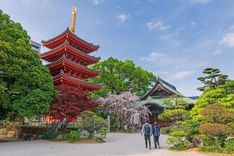
Asakura Temple
Experiences to include in Tokyo
Tokyo's highlights come from layered experiences rather than single sights. Mix contrasting districts, food-focused neighborhoods, calm green spaces, and short escapes from the dense core to understand how the city works and why it anchors so many Japan itineraries.
Wander contrasting districts from Shinjuku to Shibuya
Walking between Shinjuku and Shibuya lets you experience busy plazas, quieter backstreets, and landmark crossings in one sweep. Allow half a day to explore on foot, ideal for repeat visitors building on an initial overview of the city.
Explore historic Asakusa and riverside views
Asakusa is home to some of the top attractions in Japan, combining traditional streets, historic shops and views along the Sumida River. Allow half a day to experience Senso-ji, explore the surrounding side alleys and take a relaxed waterfront walk or river cruise. The compact neighborhood offers an accessible introduction to Tokyo’s older character.
Slow down in Tokyo's gardens and urban parks
Spending a few hours in Shinjuku Gyoen, Hamarikyu Gardens, or Ueno Park balances dense city days with open space and seasonal foliage. These areas suit anyone who enjoys walking, photography, or quiet breaks between museum visits, shopping, or evening plans.
Immerse yourself in food-focused neighborhoods
Dinner in alleys like Omoide Yokocho in Shinjuku or Ebisu Yokocho reveals Tokyo's intimate side, with small counters, shared tables, and relaxed conversations. Allow an evening for unhurried grazing, especially if you enjoy trying different dishes rather than one formal meal.
Experience Tokyo's creative scenes in Roppongi and Odaiba
Roppongi Hills and nearby cultural venues combine skyline views, contemporary architecture, and nighttime cityscapes, while Odaiba's waterfront promenades offer spacious walks and illuminated bridges. Dedicate an afternoon and evening to these areas if you enjoy design, views, and varied dining options.
Add a day trip for a change of pace
Using Tokyo as a base for a day trip to Kamakura, Nikko, or Yokohama breaks up urban days with coastal paths, forested shrines, or harbor promenades. Plan a full day, especially if you appreciate varied scenery without changing hotels.

Imperial Palace, Tokyo
Planning Tokyo with local expert tips
Tokyo is a city of distinct neighborhoods rather than a single compact center, with major sights and dining areas spread across an extensive rail network. Local experts can organize your days geographically, pairing nearby districts and choosing a hotel that works for both city exploration and your onward journey through Japan.
Where to stay in Tokyo
Shinjuku and Shibuya suit travelers who want restaurants, shopping and lively evenings close at hand, while areas around Tokyo Station provide convenient rail connections and straightforward access to several central districts.
Asakusa offers a more traditional atmosphere in the east of the city, with Sensō-ji and older streets nearby. The best choice depends on how you expect to spend your evenings as well as where you plan to travel next.
Moving hotels within Tokyo rarely saves enough time to justify the inconvenience. Your local expert can instead choose one well connected neighborhood and plan each day around a different part of the city. If you are continuing into Central Honshu, they can also select a base that simplifies your departure without compromising your Tokyo plans.
How transportation can be arranged
Tokyo’s trains and subways are the most practical way to cover much of the city, with taxis useful for selected journeys when connections are awkward or luggage is involved.
Haneda Airport is closer to central Tokyo, while Narita International Airport lies considerably farther east, so arrival and departure transfers should be planned differently. Tokyo also has several major railway stations, and the correct departure point depends on your destination and service.
Day trips such as Kamakura or Nikko can usually be handled by rail without changing accommodation. If you are leaving Tokyo for the Japanese Alps, your expert can coordinate the appropriate train, any onward bus connection and luggage forwarding, allowing you to travel with only what you need for the mountain portion of your itinerary.



 (1).jpg)