The eastern peninsula of Malaysia offers a quieter, more traditional alternative to the country’s busier west-coast and island beaches. Resorts are typically smaller, nightlife is limited, and local fishing villages and conservative Malay culture are more prominent, which affects dress expectations and alcohol availability.
This region suits travelers who prioritize relaxed, low-key beach time, snorkeling or diving, and simple seafood-focused dining over shopping or bar scenes. It usually works best as a mid- or end-of-trip coastal segment after time in Kuala Lumpur, Penang, or the central highlands, especially for couples, families, or divers who prefer staying several nights in one place instead of moving frequently.
Why visit the Eastern Peninsula?
Eastern Peninsula Malaysia offers a sense of seclusion and rhythm of life that you will not find on the busier west coast. Here you can watch traditional boat builders at work, wander through morning markets where fishermen sell the night's catch, and hear the call to prayer drift over coconut groves at dusk.
Offshore, coral reefs feel comparatively untouched, with calmer sites where you can drift above turtles, reef sharks, and swaying soft corals without heavy boat traffic. On land, long, mostly undeveloped beaches back onto kampung (village) landscapes rather than high-rise hotels, so walks at sunrise or after dark feel closer to rural Malaysia than to a resort strip.
You leave with a clearer sense of coastal Malay culture and daily routines, not just memories of another pretty beach.
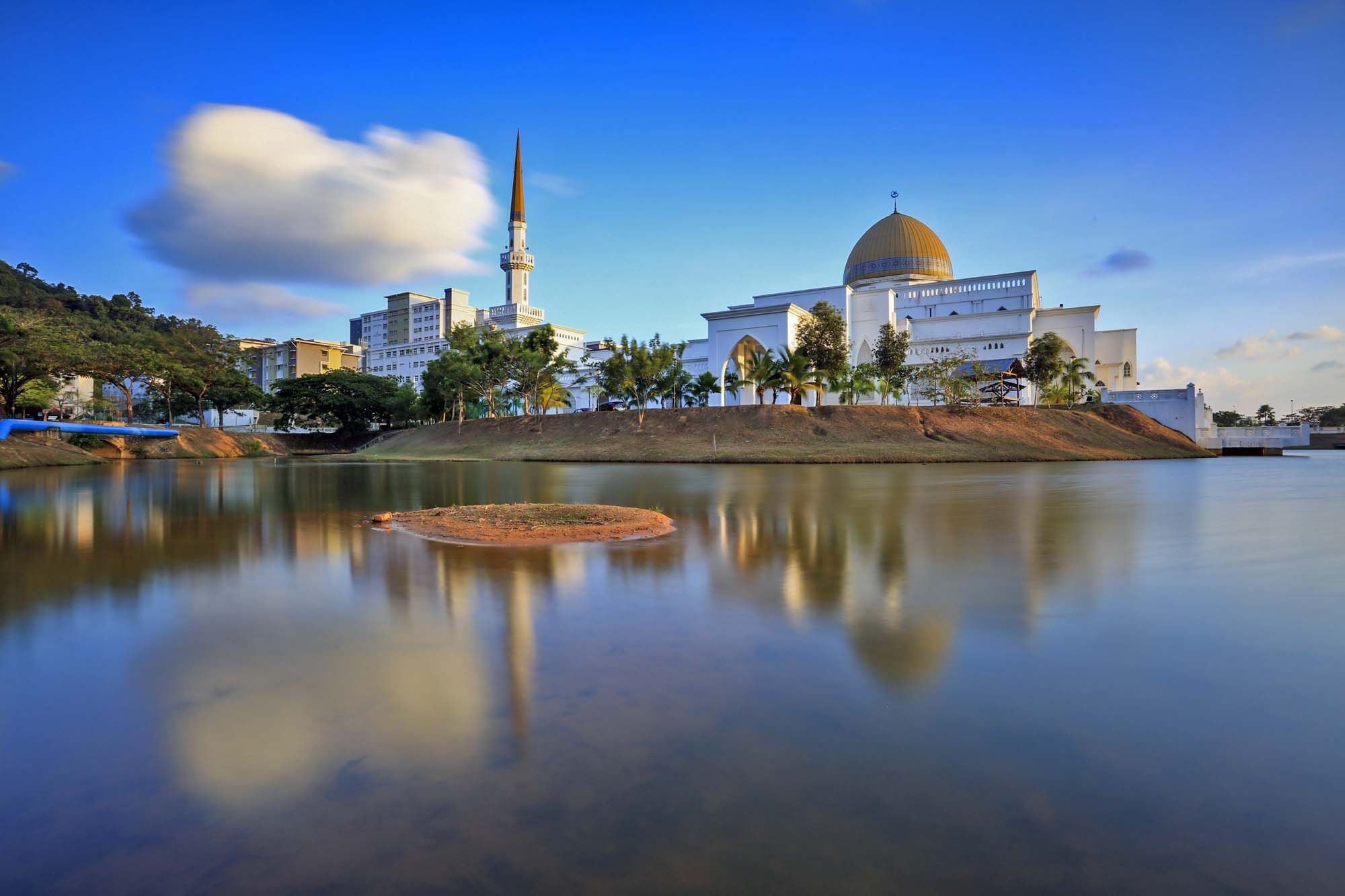
Sunset at Masjid Sultan Ahmad Shah Mosque at International Islamic University Malaysia, Kuantan Pahang.
Who is the Eastern Peninsula best for?
You will probably enjoy the Eastern Peninsula if you want to slow down rather than tick off sights. Repeat visitors to Malaysia, couples, and honeymooners who value privacy over polished resort facilities tend to be happiest here.
Families with school-age children who are comfortable with simple hotels and relaxed days on the beach also do well, as do divers and snorkellers who like spending several days in one base instead of moving frequently. This works particularly well if you enjoy low-key activities such as boat trips, casual walks, and time in the water rather than a packed schedule.
You may prefer another destination if you are a first-time visitor wanting big-name landmarks, shopping malls, or busy nightlife; in that case, consider Kuala Lumpur or the busier west coast. Luxury-focused travelers expecting large full-service resorts, extensive kids' clubs, and multiple fine-dining options may be better matched with higher-profile island destinations such as Langkawi or Penang.
How does the Eastern Peninsula fit into an itinerary?
Eastern Peninsula Malaysia usually works best as the slower, coastal section of your itinerary, balancing time in cities and on the busier west coast. Many travelers route from Kuala Lumpur overland via the central highlands or by domestic flight to coastal airports such as Kuala Terengganu or Kota Bharu, then continue south or north along the shore. It often serves as a restorative mid-trip pause or a laid-back finale after more active sightseeing elsewhere in Malaysia.
Stays of three to five nights are common, giving you enough time to settle without overpacking your schedule. Including the eastern peninsula softens the overall pace of your journey, with fewer hotel changes and more extended time in one place.
This creates a clear contrast in your route: urban energy and inland stops at the start, followed by a quieter coastal phase before you loop back to Kuala Lumpur or connect onwards by domestic flight.
Trips that include Eastern Peninsula
The Malaysia culture, wildlife, and history trip follows the scenic East-West Highway towards Kota Bharu before heading to the Perhentian Islands for beaches and snorkeling. In Kuala Terengganu, travelers discover the traditional boatbuilding workshops of Pulau Duyong.
The Malaysia culture, highlands, and coast trip explores Kota Bharu's lively markets and local crafts before continuing to Terengganu, where traditional craftsmanship remains an important part of the region's heritage.
For a closer look at Malaysia's maritime traditions, our local experts can include a visit to Pulau Duyong's boatbuilding workshops, where skilled artisans continue to build wooden boats using time-honored techniques.
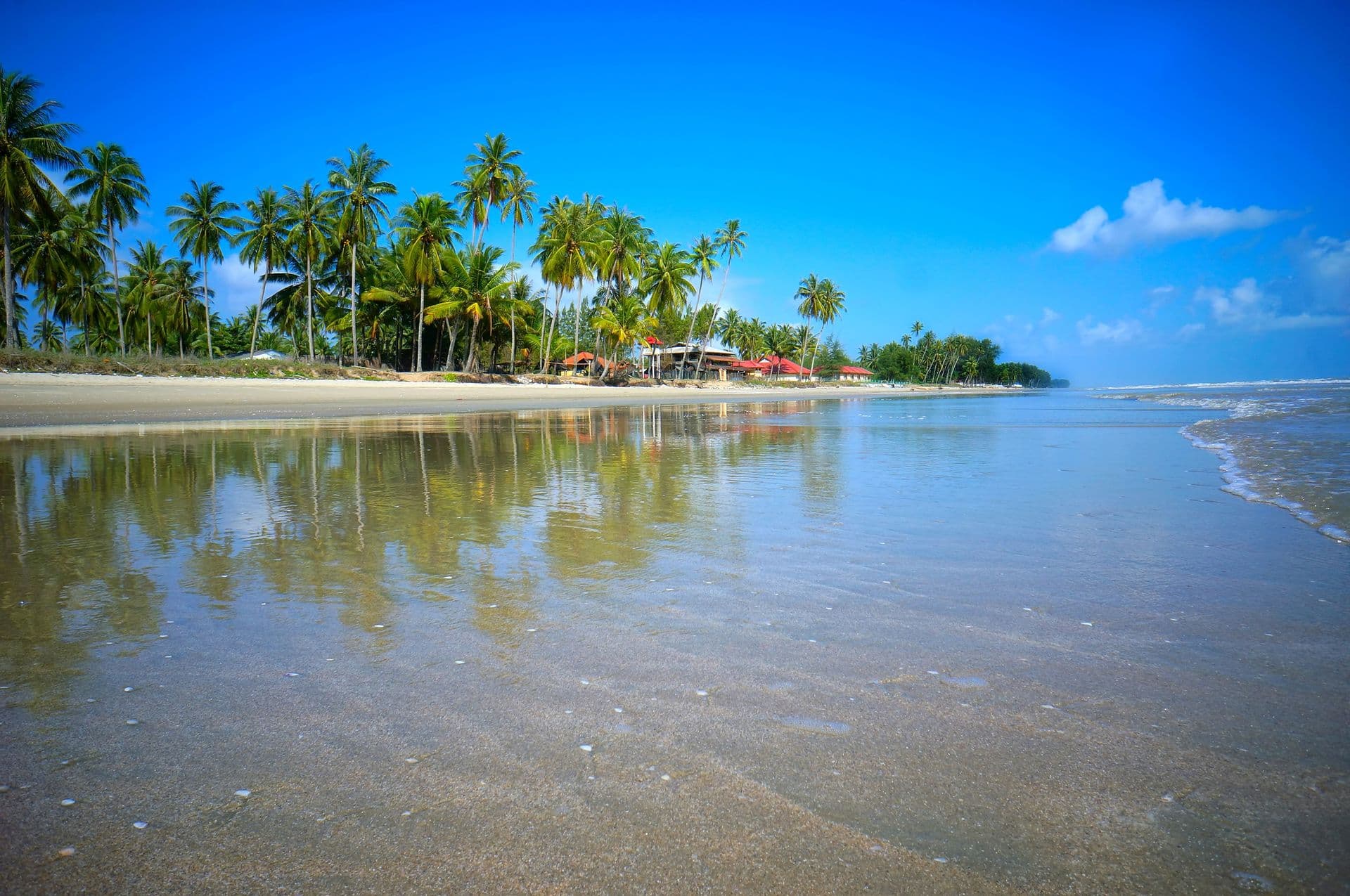
Landscape of beautiful tropical beach at Kelantan, Malaysia
How many days do you need?
Most travelers spend three to five nights on Malaysia's eastern peninsula, usually in a single coastal area to keep things relaxed. Shorter stays of one to two nights work if you want a quiet beach break between busier stops, but you will have limited time for full-day boat trips or snorkeling.
| Time | Recommended focus |
|---|---|
| One night | Simple beach stopover, sunset walk, fresh seafood dinner |
| Two nights | Full beach day plus one short boat or snorkeling trip |
| Three nights | Unhurried beach time and a full-day island or reef excursion |
| Four to five nights | Mix of beach days, multiple snorkel/dive outings, and village wandering |
Adding extra nights gives you slower mornings, more flexible weather back-ups for sea trips, and time to settle into the region's gentle rhythm instead of rushing through.
Best region combinations
A classic combination is Kuala Lumpur, the Cameron Highlands, then the eastern peninsula, ending with a return to Kuala Lumpur. This sequence moves from city buzz to cool hills to quiet coast, with overland travel of around six to eight hours broken across several days.
Another option is to pair Penang and the eastern peninsula, flying from Penang to Kota Bharu or Kuala Terengganu, then unwinding on the beach for three to five nights before flying back to Kuala Lumpur.
Island-focused itineraries often mix the Perhentian Islands or Redang Island with a mainland stretch near Kuala Terengganu, giving variety between simple island stays and better mainland facilities, with boat transfers usually under an hour.
When is the best time to visit the eastern peninsula?
March to October is generally the best time to visit Malaysia for travelers exploring the east coast of Peninsular Malaysia. Calmer seas, clearer water and more reliable ferries create better conditions for beaches, diving and snorkeling, although short tropical downpours remain possible.
From November to February, the northeast monsoon brings rougher seas, reduced underwater visibility and frequent disruption to island ferries. Many beach resorts close or operate limited services during this period.
Malaysian school holidays and Hari Raya can bring larger crowds and higher accommodation demand. Many travelers focus on Penang or Langkawi during the monsoon, then visit the east coast from late March through October when island resorts and boat services are more dependable.
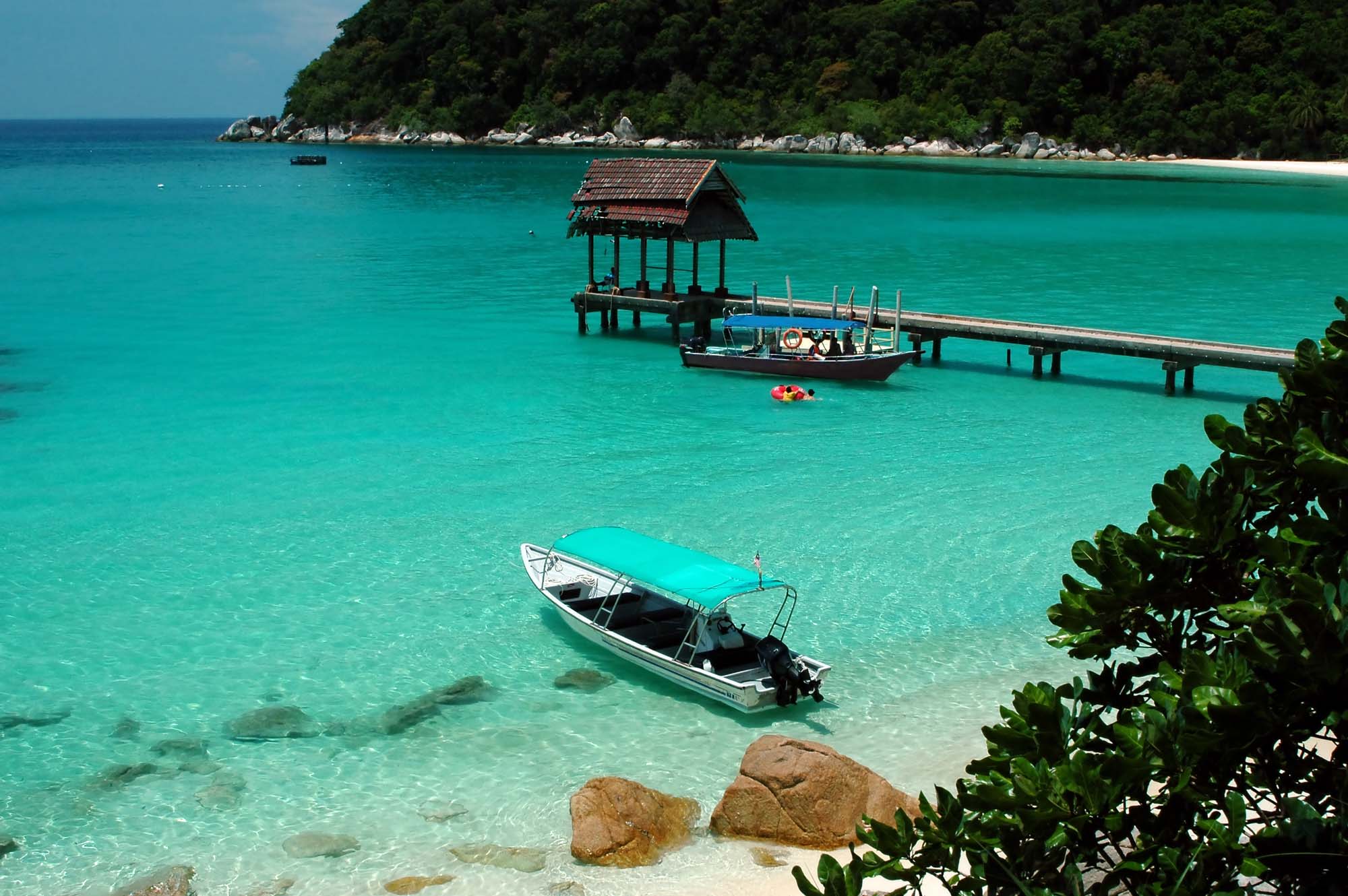
Perhentian Island
Experiences to include in the Eastern Peninsula
The experiences below highlight the most rewarding ways to enjoy Malaysia's quieter east coast, from low-key coastal drives and island-hopping to village visits and protected marine parks.
Drive the coastal route between Kota Bharu and Kuala Terengganu
Follow Route 3 beside the South China Sea, stopping at Kampung Laut and Pantai Cahaya Bulan for sea views and simple warung lunches. Allow a full day with stops. It suits independent travelers who enjoy relaxed scenery and glimpses of everyday kampung life.
Snorkel the clear reefs of Pulau Perhentian Kecil and Pulau Perhentian Besar
The Perhentian Islands are among the top attractions in Malaysia for clear water, coral reefs and accessible snorkeling. Base yourself in Kuala Besut and allow a full day to visit Turtle Point and Shark Point around Pulau Perhentian Kecil and Pulau Perhentian Besar. Calm, shallow sites suit beginners and families, while stronger swimmers can explore more distant reefs by small boat.
Island-hop Redang Marine Park from Pulau Redang
Stay on Pulau Redang and join boat trips into Redang Marine Park, combining snorkel stops at Pulau Lima and Pulau Paku with beaches like Pasir Panjang. Allow at least one full day. It suits couples and families wanting softer corals and clear turquoise water.
Walk the quiet sands of Cherating and its mangrove backwaters
Base yourself in Cherating, north of Kuantan, for long walks on Cherating Beach and a guided boat trip into the Cherating River mangroves. Half a day is enough. It suits nature lovers seeking easy wildlife encounters and low-key surf and craft shops.
Explore traditional crafts in Kuala Terengganu and Kampung Losong
Spend half a day in Kuala Terengganu's Kampung Cina and cross to Kampung Losong to sample keropok lekor and see small cottage industries. It suits culturally curious travelers who like markets and food stalls more than formal museums, with easy urban walking.
Unwind on the lesser-visited beaches around Kijal and Kerteh
Choose a resort near Kijal or Kerteh for uncrowded east-coast sands, sunrise views, and simple seafood dinners in local stalls. Two days let you settle into the slow rhythm. It suits couples and repeat visitors wanting space, sea breezes, and minimal distractions.
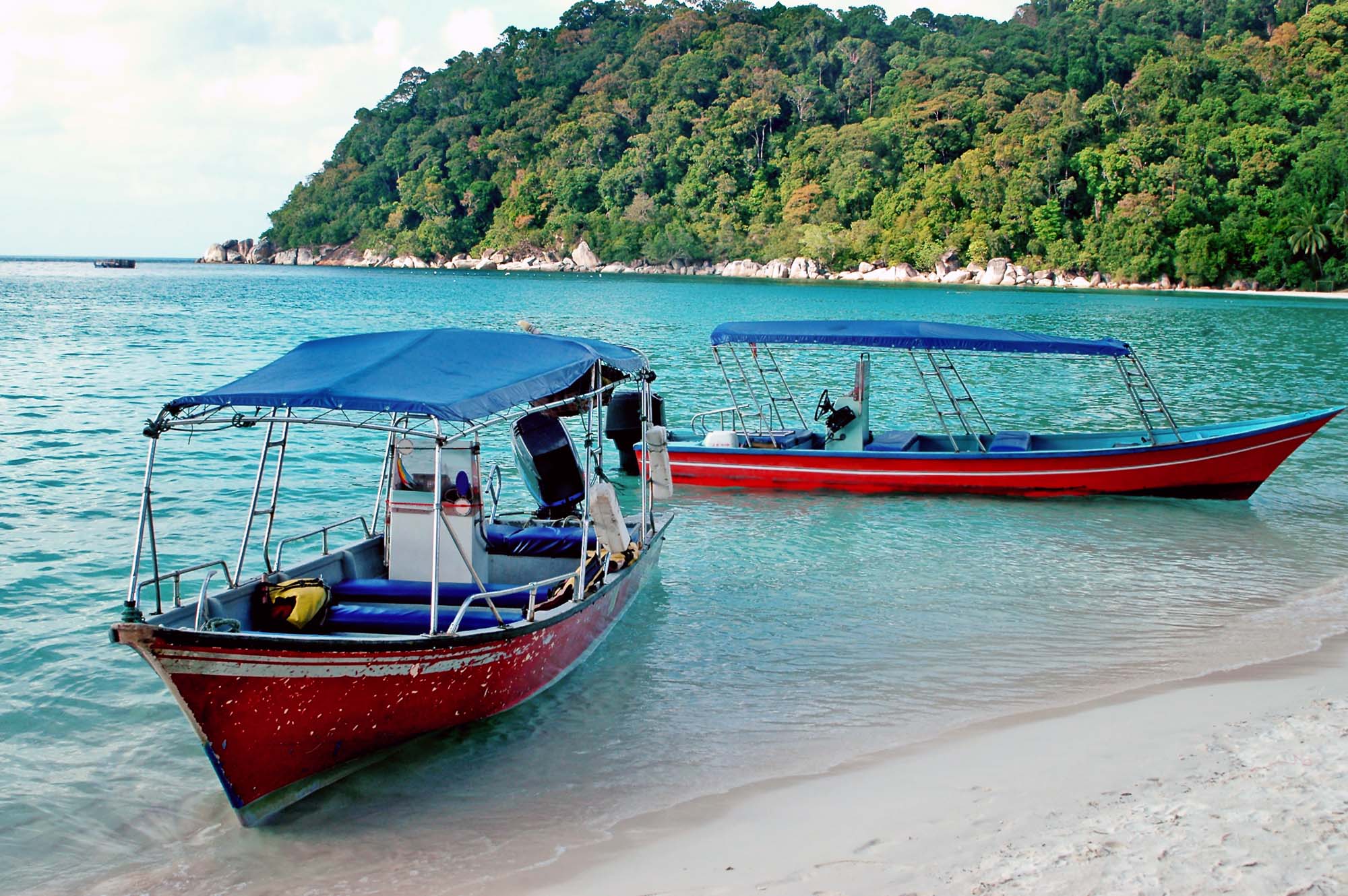
Boats - Perhentian island, Malaysia
Planning Malaysia’s East Coast with local expert tips
Malaysia’s East Coast offers a quieter contrast to the country’s western cities, with traditional communities, long beaches and islands scattered offshore. Local experts can shape the journey around the coastline and your preferred island stay, making sure road and boat connections fit together without unnecessary returns to the same gateway.
Where to stay on Malaysia’s East Coast
Kuantan, Kuala Terengganu and Kota Bharu can each serve as useful stops along the mainland, but the coast is often most rewarding when combined with time on an offshore island. The Perhentian Islands suit travelers interested in beaches, snorkeling and diving, while Redang offers a greater concentration of resort accommodation.
Tioman, farther south, works better within a different coastal route. Staying on the mainland before an early boat can simplify the connection, but there is little reason to add several coastal towns unless they genuinely interest you.
Your local expert can choose the island and departure point together, then decide whether places such as Kuala Terengganu deserve an overnight of their own or work more naturally as part of the transfer.
How transportation can be arranged
Road transportation is important along the East Coast, with private transfers providing flexibility between towns, resorts, and the jetties serving offshore islands. Domestic flights can shorten the journey from Kuala Lumpur to regional gateways such as Kuala Terengganu or Kota Bharu, after which road and boat transfers complete the trip.
Ferry schedules vary by island and can be affected by seasonal sea conditions, so the coastal portion should be planned around confirmed services rather than treated as an interchangeable beach extension.
If the Perhentian Islands are your priority, your expert can arrange the appropriate mainland gateway, jetty transfer, and boat connection, then coordinate your departure with the next stage of your Malaysia itinerary.



 (1).jpg)