Sarawak, in northwest Borneo, offers a different experience from peninsular Malaysia, focused on rainforest, national parks, and river communities rather than cities or beaches. It earns a place in a multi-day itinerary if you want cave systems, river journeys, and cultural stays as the slower, nature-led part of your trip.
The region is best suited to travelers happy with basic to mid-range comforts, variable weather, and internal flights. Most visitors slot Sarawak between time in Kuala Lumpur, Penang, or Sabah as the soft-adventure and wildlife segment within a wider Malaysian or Borneo route.
Why visit Sarawak?
Sarawak stands out in Malaysia for its vast primary rainforests, sandstone cave systems, and longhouse communities that still shape daily life along Borneo's rivers. No other region in the country offers the same blend of remote jungle, intricate cave networks, and living Indigenous culture in such compact reach.
One day you might watch proboscis monkeys at dusk from a mangrove boardwalk, the next drift upriver to hear stories shared in a wooden longhouse lit by kerosene lamps. Morning mist over forested limestone peaks, the echo of swiftlets inside cavernous chambers, and the smoky aroma of food cooked over wood fires create a sensory picture that feels far removed from mainland cities.
Making time for Sarawak leaves you with a grounded sense of Malaysia's wild landscapes and the communities that have adapted to them over generations.

Old State mosque of Kuching, Sarawak, Malaysian Borneo
Who is Sarawak best for?
You'll probably enjoy Sarawak if you are happy to trade polished resorts for meaningful experiences. Curious, independent-minded travelers who like slower days, early starts, and flexible plans tend to get the most from it. Nature lovers who prefer forest trails and river journeys to malls and nightlife usually feel at home here.
Families with older children or teens who can handle humidity, simple accommodation, and muddy shoes often find the trip especially rewarding. Couples looking for shared adventures and time offline, rather than fine dining and spa circuits, also tend to leave with strong memories. This works particularly well if you have visited Southeast Asia before and now want to go beyond the classic city-and-beach combination.
You may prefer another destination if your ideal holiday is defined by guaranteed beach time, abundant shopping, and consistently high-end urban hotels. Travelers who dislike heat, insects, or bumpy logistics, or who need wheelchair-friendly infrastructure throughout, will generally find other Malaysian regions more straightforward.
How does Sarawak fit into an itinerary?
Sarawak usually works best as the slower, more immersive middle or latter part of your time in Malaysia, after you have adjusted to the country in Kuala Lumpur or Penang. Many travelers fly into Kuching, spend a few nights using the city as a practical hub, then add one or two deeper forays into the interior before continuing on to Sabah or back to the peninsula. In a balanced trip, allocating around a third of your holiday to Sarawak gives enough time to travel progressively from the coast towards upriver areas and back again without feeling rushed.
Rather than staying in a single spot, most routes through Sarawak follow a simple flow: arrival and orientation in Kuching, then a move inland or upriver, sometimes finishing with a night back in town before onward flights. It works well as a mini-expedition within your wider plans, shifting the pace from city sightseeing to slower travel by road or boat, with fewer hotel changes than a classic road trip but more movement than a straightforward city stay.
Trips that include Sarawak
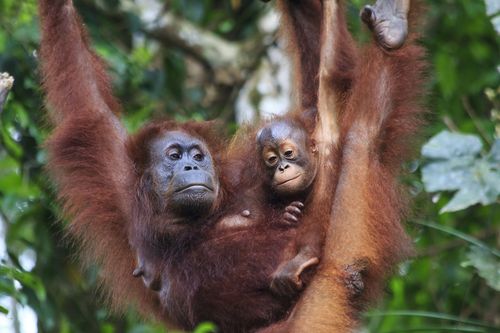
The Kuching and Batang Ai rainforest tour begins along Kuching's lively riverfront before heading to Bako National Park to spot proboscis monkeys and other wildlife. Visits to Semenggoh Orangutan Rehabilitation Centre and the Iban community at Batang Ai add further insight into Sarawak's nature and traditions.
The Malaysia and Borneo wildlife and culture trip combines Kuching's cultural attractions with orangutan encounters at Semenggoh Nature Reserve and wildlife walks through Bako National Park.
The Authentic Malaysia trip: Malacca, Kuala Lumpur, Borneo also visits Kuching, Semenggoh Nature Reserve, and Bako National Park, pairing the city's heritage with rainforest exploration and opportunities to observe native wildlife.
At Semenggoh Nature Reserve, our local experts can plan your visit around scheduled feeding sessions, improving your chances of seeing orangutans while respecting their natural behavior.

Traditional wooden houses, Nelanau Yall, in the Kuching to Sarawak Culture Village. Borneo, Malaysia © Shutterstock
How many days do you need?
Most travelers give Sarawak around 5-8 days, moving between Kuching, nearby parks, and at least one upriver or inland base. Distances are moderate, but road and boat journeys take time, so it works better as a slow progression through landscapes than a quick series of day trips from one hotel.
| Days | Suggested route | Ideal pace |
|---|---|---|
| 3-4 days | Kuching with half-day or day trips to nearby parks | Snapshot of city and rainforest, limited upriver time |
| 5-6 days | Kuching plus one park stay or simple longhouse overnights | Balanced mix of walks, wildlife, and river travel |
| 7-8 days | Kuching, coastal or cave region, and multi-night upriver stay | Unhurried, with weather buffers and cultural time |
Extra days let you add a second national park, stay longer in a longhouse community, or explore a different landscape such as coastal wetlands or karst caves without feeling rushed.
Best region combinations
Many travelers pair Sarawak with Kuala Lumpur, starting with the capital's food and skyline before flying to Kuching for jungle, river, and village experiences; this works well for first-time visitors wanting a clear city-and-nature contrast. Others combine Sarawak with Sabah, traveling Kuching-Kota Kinabalu by a short flight to link rainforests and longhouses with Mount Kinabalu and coral-fringed islands.
Penang and Sarawak are another rewarding mix, moving from George Town's heritage streets and street food to Sarawak's national parks, suiting culture and cuisine enthusiasts who also enjoy soft adventure.
For a slower Borneo focus, some travelers split time between Kuching and the Mulu area via a domestic flight, exchanging one long overland loop for two distinct hubs of caves and rainforest.
When is the best time to visit Sarawak?
March to October is generally the best time to visit Malaysia for travelers planning outdoor adventures in Sarawak. The region stays warm and humid year-round, but rainfall is usually lighter outside the wetter November-to-February period, making longer hikes, cave visits and multi-night river journeys easier to plan.
Showers remain common and often arrive in short bursts, helping to keep river levels suitable for boat travel while leaving many forest trails passable. School and public holidays can make popular parks and trails around Kuching busier, so traveling just before or after these periods may offer quieter boardwalks, easier wildlife viewing and more accommodation choice.
During wetter spells, itineraries may include extra time in Kuching, shorter walks in place of exposed trails or boat journeys along more sheltered sections of river. Many travelers visit Sarawak after Kuala Lumpur or Penang, using the relatively drier months for the most weather-sensitive parts of the trip.
Experiences to include in Sarawak
Sarawak is Malaysia’s largest state, known for its rainforests, river landscapes, diverse wildlife and rich Indigenous heritage. From lively Kuching to remote national parks and longhouse communities, it offers a broad mix of nature, culture and adventure.
Explore the rainforest trails of Bako National Park
Just a short boat ride from Kuching, Bako National Park offers compact trails through coastal forest where you might see proboscis monkeys, bearded pigs, and mangroves in a single day. Allow one full day or an overnight; it suits reasonably active travelers.
Venture into the caverns of Gunung Mulu National Park
Gunung Mulu National Park rewards those who make the short flight from Miri or Kuching with vast cave chambers like Deer Cave and Clearwater Cave, canopy walkways, and limestone pinnacles. Plan at least two to three nights to join guided cave and jungle experiences.
Stay in an Iban longhouse along the Batang Ai area
Traveling by boat to longhouses near Batang Ai National Park gives a deeper introduction to Iban culture, shared meals, and evening storytelling by the river. A two-night stay works well, with simple comforts and slow-paced days that suit flexible, curious visitors.
Search for wildlife in the mangroves of Santubong and Damai
Evening boat trips around the Santubong Peninsula and the mangroves near Damai Beach Resort often reveal proboscis monkeys, fireflies, and crocodiles against a mountain backdrop. This experience fits neatly into a Kuching stay, especially for families and photographers.
Discover caves and local life around Niah National Park
One of the top attractions in Malaysia, Niah National Park combines vast caverns, archaeological significance and forest boardwalks. Reached from Miri, it works well as a long day trip or overnight stay for travelers who enjoy gentle hiking and want a quieter alternative to Mulu’s show caves.
Unwind by the sea at Sematan and Tanjung Datu National Park
The quiet fishing town of Sematan and nearby Tanjung Datu National Park offer empty beaches, short jungle trails, and chances to spot turtles in season. Spend two or three nights here to decompress after inland travel and enjoy simple coastal charm.

City hall, Kuching, Borneo, Sarawak, Malaysia
Planning Sarawak with local expert tips
Sarawak stretches across western Malaysian Borneo, combining river cities, rainforest, national parks and communities with distinctive cultural traditions. Local specialists can focus the journey on a manageable part of the state, using flights to bridge the longest distances and allowing enough time for experiences that take you beyond the main cities.
Where to stay in Sarawak
Kuching is the most practical base for exploring western Sarawak, with a walkable waterfront and convenient access to several nearby nature and cultural sites. Staying closer to a national park or in a rural lodge can add a very different experience, particularly when wildlife, rainforest walks, or community visits are priorities.
Farther north, Miri is a useful gateway for another group of parks and landscapes, but combining it with Kuching adds significant distance. Your local expert can decide whether northern Sarawak adds enough contrast to justify another flight.
On a shorter trip, they might keep you around Kuching and include a carefully chosen rural stay rather than adding another city and reducing the time available in the rainforest.
How transportation can be arranged
Domestic flights are important in Sarawak because the state covers a large area and many destinations are separated by lengthy road journeys. Kuching and Miri are major air gateways, while smaller airports serve more remote parts of the interior. Private road transportation works well for national parks and communities accessible from the cities, with boats required for selected river and coastal journeys.
Some remote routes involve several stages, so flight, vehicle and boat schedules need to fit together. If your plans combine Kuching with an interior stay, your expert can arrange the journey as one continuous sequence and leave suitable margins around regional flights, adapting the route to your dates and the local connections available.



 (1).jpg)