Chungcheong and Gyeongsang sit between Seoul and Busan, making them a logical bridge on a multi-day trip through South Korea. The region combines quieter provincial cities, coastal towns, and historic sites without the crowds of the main gateways. Travelers typically come here for a balanced journey: short hikes, cultural landmarks, and everyday food experiences rather than headline attractions.
It works well as a middle section of an itinerary, breaking up long transfers and adding variety between north and south. Include Chungcheong and Gyeongsang if you want to see how Koreans live outside the largest urban centers while keeping travel times manageable.
Why visit Chungcheong and Gyeongsang?
Chungcheong and Gyeongsang reveal South Korea's quieter rhythms between the headline cities. Here, you can wander fortress walls above low-rise towns, peer into Confucian academies still framed by rice fields, and soak in hot springs that feel designed for end-of-day commuters rather than tourists.
Fishing harbours along the south and east coasts serve ultra-fresh seafood in no-frills markets, giving meals the feel of everyday local life. Inland, low mountains offer half-day hikes to wind-bent pines and cliffside temples without long queues or heavy infrastructure. Evenings tend to be about simple barbecue, riverside walks, and cafe culture instead of neon-heavy nightlife.
You leave with a grounded sense of how contemporary Korea balances work, tradition, and landscape in the spaces between its biggest urban icons.

Gyeongju, South Korea © Shutterstock
Who is Chungcheong and Gyeongsang best for?
You'll probably enjoy Chungcheong and Gyeongsang if you’re a return visitor to South Korea looking beyond headline cities, or you like slow-paced days with time for cafés, local markets, and simple evening walks. This region works particularly well if you value low-key hiking, temple visits, and relaxed dinners over packed sightseeing lists.
It can work well for families or multi-generational groups who prefer shorter daily journeys, earlier nights, and straightforward logistics between Seoul and Busan. Independent travelers who enjoy noticing everyday details, from office workers' routines to harbour life, often find this area especially rewarding.
You may prefer another destination if you want a first trip focused on South Korea’s most famous icons, late-night entertainment, or big-city shopping. Beach-focused holidays, high-adrenaline adventure trips, or ultra-luxury spa escapes are usually better based in other regions. If you like ticking off major sights quickly and changing hotels every night, you might find Chungcheong and Gyeongsang too gentle for your travel style.
How do Chungcheong and Gyeongsang fit into an itinerary?
Chungcheong and Gyeongsang usually sit in the middle of a longer route linking Seoul with Busan, or looping back toward the capital via the central mountains. Many tailor-made trips use this region as a connective stretch, breaking up long express-train or driving days with one or two overnight stops. It pairs naturally with time in Seoul to the north and Busan, Gyeongju, or the southeast coast to the south, and can also dovetail with detours into Jeolla for travelers wanting a broader cross-section of the country.
Most travelers move steadily through rather than settling in one base, spending two to four nights spread across a couple of towns. This keeps daily travel times short while maintaining a sense of forward momentum. Your route might alternate between busier hubs and quieter stops here, softening the pace after intensive sightseeing days elsewhere. Insight Guides typically weaves this stretch into linear road trips or rail-based routes rather than as a standalone stay, using it to create a smoother rhythm to your holiday.
Trips that include Chungcheong and Gyeongsang
The South Korea culture trip: Seoul, Gyeongju, Busan and Jeju explores Gyeongju's Silla heritage, from traditional houses in Yangdong Folk Village to Donggung Palace and Wolji Pond. At Daereungwon, travelers can discover ancient royal burial mounds and the treasures of Cheonmachong.
The Private South Korea trip: Seoul, Gyeongju and Busan takes a closer look at Silla history through Gyeongju National Museum, Daereungwon Tomb Complex, and Cheomseongdae Observatory, followed by an evening visit to the illuminated Donggung Palace and Wolji Pond.
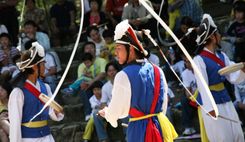
The Best of South Korea tour: Seoul, Gyeongju, Busan and Jeonju introduces traditional Korean architecture and mask-making heritage at Andong Hahoe Village before continuing to Gyeongju's historic Anapji Pond and Daereungwon Tomb Complex.
For a different experience in Gyeongju, our local experts can incorporate a Sunmudo moving meditation session at Golgulsa Temple, introducing you to this distinctive Korean Buddhist practice.
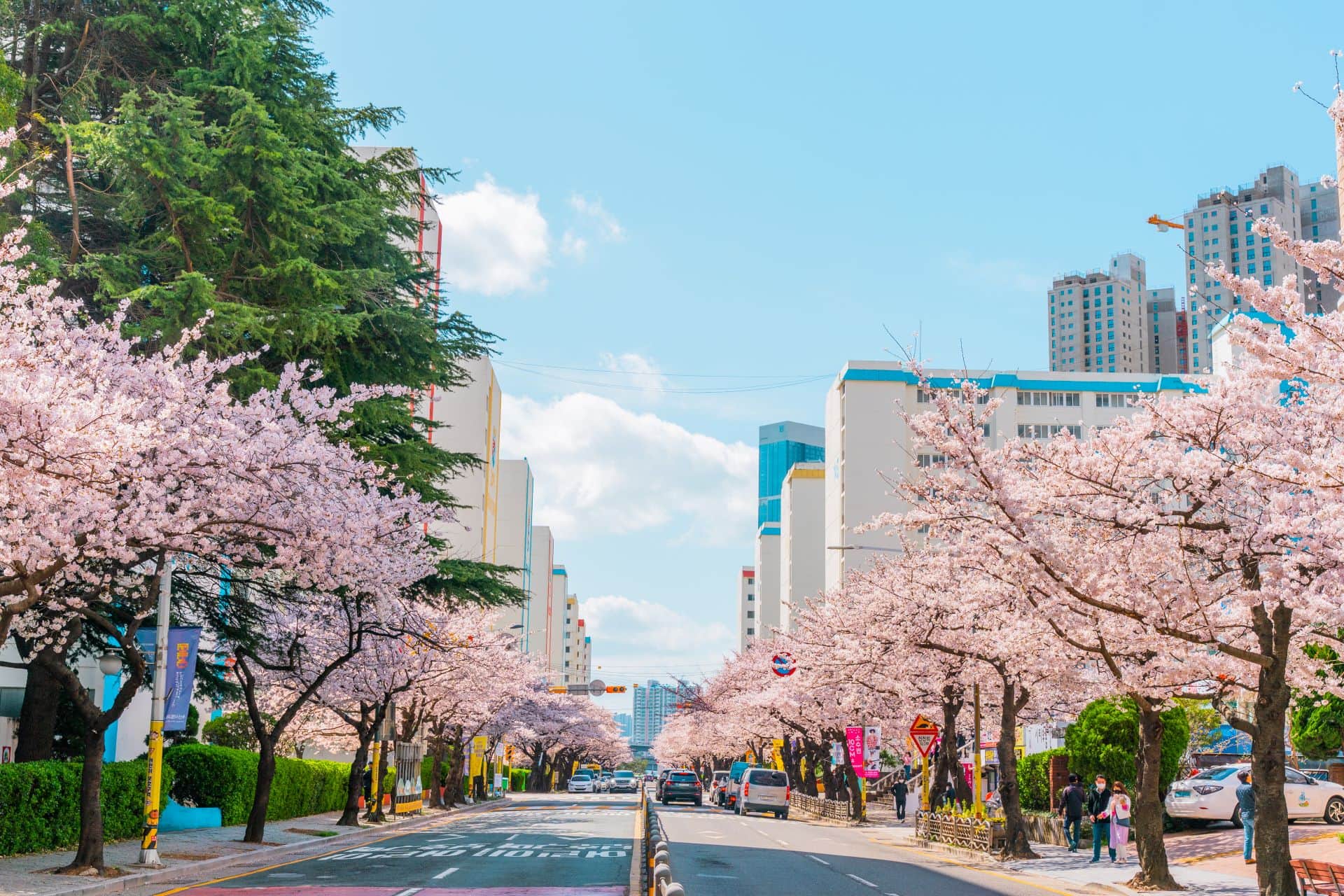
Busan
How many days do you need?
Most travelers spend 2-4 days moving through Chungcheong and Gyeongsang rather than settling in one base. Distances between mid-size cities and coastal towns are manageable, so you can link two or three overnight stops without long travel days. With limited time, it is better to choose a simple route and focus on a few walks, temples, and food stops than to rush between too many locations.
| Days | Suggested route | Ideal pace |
|---|---|---|
| 2 days | Daejeon → nearby hot springs town | Snapshot stopover between Seoul and Busan |
| 3 days | Cheongju → Andong or Daegu | Balanced mix of culture, markets, and short walks |
| 4 days | Gongju → Daejeon → coastal Gyeongsang town | Gentle progression with time for side trips |
Adding extra days lets you include quieter valleys, more varied food stops, and one or two side trips to smaller towns without feeling pressed for time.
Best region combinations
Chungcheong and Gyeongsang combine naturally with Seoul and Busan on a north-south route. A common order is Seoul → Daejeon or Cheongju → Daegu → Busan, giving a steady shift from capital intensity to port-city energy. This suits first-time visitors who want to soften the jump between major cities.
For culture-focused trips, pairing Gongju and Buyeo with Gyeongju works well. Travel typically runs Seoul → Gongju/Buyeo → Daegu → Gyeongju, with train or bus hops of 1-3 hours, ideal for travelers interested in historic capitals and Confucian heritage.
Those seeking varied landscapes often link the region with the central mountains or the south coast: Cheongju → Danyang or Muju → Andong or Daegu → coastal Gyeongsang towns. This layering of river gorges, hill country, and working harbors appeals to hikers and slow-paced explorers.
When is the best time to visit Chungcheong and Gyeongsang?
April to May and late September to early November are generally the best times to visit South Korea for travelers exploring Chungcheong and Gyeongsang. Mild temperatures and clearer skies suit fortress walks, riverfront strolls and half-day hikes, while crowds are often lighter than in Seoul or Busan.
Summer is hot and humid, with short downpours that make evening markets, hot springs and indoor museums more appealing than long daytime walks. Winter is quieter and colder, rewarding travelers who enjoy crisp air, hot baths and slower café stops between cities.
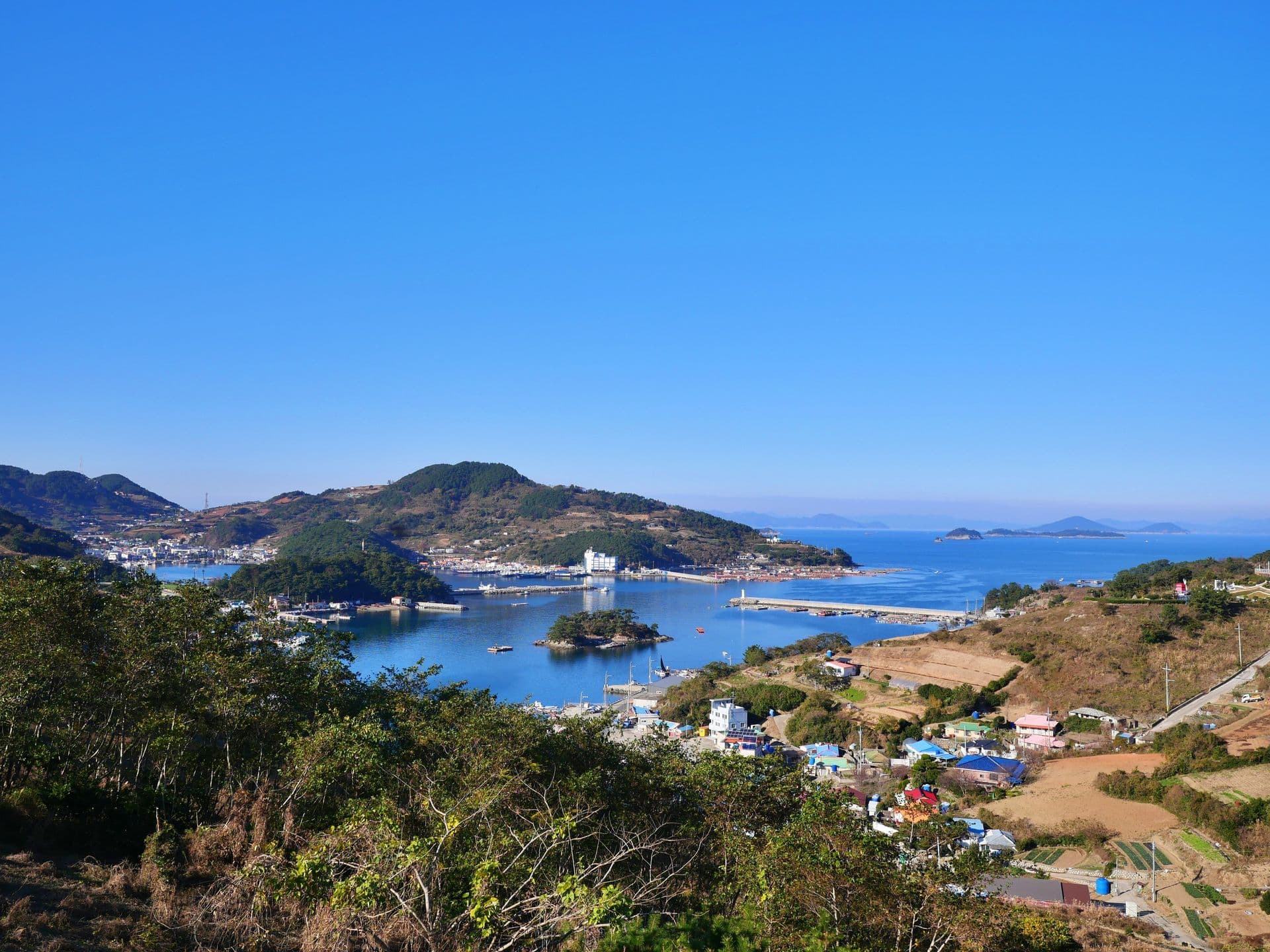
Tongyeong
Experiences to include in Chungcheong and Gyeongsang
Chungcheong and Gyeongsang stretch across central and southeastern South Korea, combining historic cities, mountain parks, temple complexes and long sections of coastline. The regions offer a broad mix of Baekje and Silla heritage, traditional villages, regional food and scenic outdoor escapes.
Stroll fortress towns like Gongju and Buyeo
Slow walks around Gongju's Gongsanseong Fortress and riverside streets, or Buyeo's Baekje-era remains, reveal Korea's quieter historic core. Allow half a day in each for walls, riverside paths, and cafe stops between Seoul and the south.
Unwind in hot springs near Daejeon
Yuseong Hot Springs in Daejeon offer easy-to-reach public baths and foot spas that break up train journeys. Spend an evening soaking, then linger over barbecue or cafe time nearby. This suits couples, friends, and families wanting low-effort relaxation.
Sample market life in Cheongju and Daegu
Cheongju's Yukgeori Market and Daegu's Seomun Market give a grounded look at regional food culture, from simple noodle stalls to seasonal produce. Plan a few hours grazing, people-watching, and buying snacks for onward trains or bus rides.
Follow rivers and valleys around Andong
Among the top attractions in South Korea, Andong combines a scenic riverside setting with traditional architecture and easy access to Hahoe Folk Village. Allow one or two nights for gentle valley drives, short walks and low-key viewpoints rather than demanding hikes.
Link inland towns with coastal Gyeongsang harbours
Driving or taking buses from Daegu to smaller Gyeongsang ports like Pohang or Tongyeong adds fresh seafood and sea views to an inland itinerary. Allow a night or two to explore harbours, coastal walks, and simple waterfront restaurants.
Enjoy cafe and university districts in Daejeon
Daejeon's areas around KAIST and Chungnam National University mix bookshops, dessert cafes, and relaxed bars popular with students and researchers. An afternoon and evening here add a contemporary, everyday-city contrast between more historic or coastal stops.

Traditional houses at Hahoe folk village © trabantos/Shutterstock
Planning Chungcheong and Gyeongsang with local expert tips
Chungcheong and Gyeongsang stretch across a large part of central and southeastern South Korea, combining historic cities, mountain landscapes, temples and a coastline dotted with smaller communities. Local experts can shape the journey around a few distinctive stops, using Korea’s fast rail network for major distances while arranging road transportation where the most interesting places lie beyond the main lines.
Where to stay in Chungcheong and Gyeongsang
Gyeongju is one of the most rewarding bases in Gyeongsang for travelers interested in Korean history, with royal tombs, temples, and archaeological sites spread around the city and surrounding countryside. Busan can anchor the southeastern end of the route when you also want a major coastal city, while Andong offers a quieter base for traditional architecture and cultural heritage.
In Chungcheong, accommodation choices depend more heavily on the wider route, with cities such as Daejeon providing useful transport connections. Trying to include every province can lead to too many brief stays. Your local expert can instead give Gyeongju or Andong additional time when heritage is a priority, while using Chungcheong as a carefully chosen stage between Seoul and the southeast.
How transportation can be arranged
High-speed and conventional trains make it straightforward to cover major sections of Chungcheong and Gyeongsang, particularly along the corridors linking Seoul, Daejeon, Daegu and Busan. Historic sites, mountain areas, and smaller communities often require buses or private road transportation for the final part of the journey. Gyeongju can be combined efficiently with Busan, while Andong requires a different route through the interior.
A local expert can mix rail and private transfers rather than assigning a car to the entire trip. If you are traveling from Seoul toward Busan, for example, they can build Gyeongju and selected inland stops into the southbound journey, adjusting the sequence around your preferred cultural visits and onward departure.