Seoul is South Korea's largest and most connected city-region, combining historic palaces, dense neighborhoods, and major business districts in a compact area. It deserves a place in a multi-day itinerary because it offers the country’s widest choice of transport, accommodation, and dining, keeping daily logistics straightforward.
This region works well for travelers who want a clear base for city-focused sightseeing, food exploration, and simple day trips to nearby cultural or nature areas. Within a wider route, many itineraries start or end in Seoul, then continue by high-speed rail or domestic flights to coastal, mountain, or island destinations elsewhere in South Korea.
Why visit Seoul?
Seoul offers an intensity and layering of everyday life that feels distinct within South Korea. Centuries-old palace walls back onto glass towers, while narrow alleyways hide late-night barbecue joints, tiny cafes, and neon-lit karaoke rooms.
You sense the city through contrasts: a quiet temple courtyard just a few streets from a fashion district where new trends appear overnight, or riverside lawns where friends share delivery chicken under the glow of bridge lights.
Street food culture, from winter hotteok stands to markets that stay busy past midnight, gives a constant rhythm to the streets. Time in Seoul means watching tradition and hyper-modern living mesh in the flow of real daily routines. You leave with the feeling of a city that rarely pauses yet still carves out pockets of calm in corners, rooftops, and side streets.
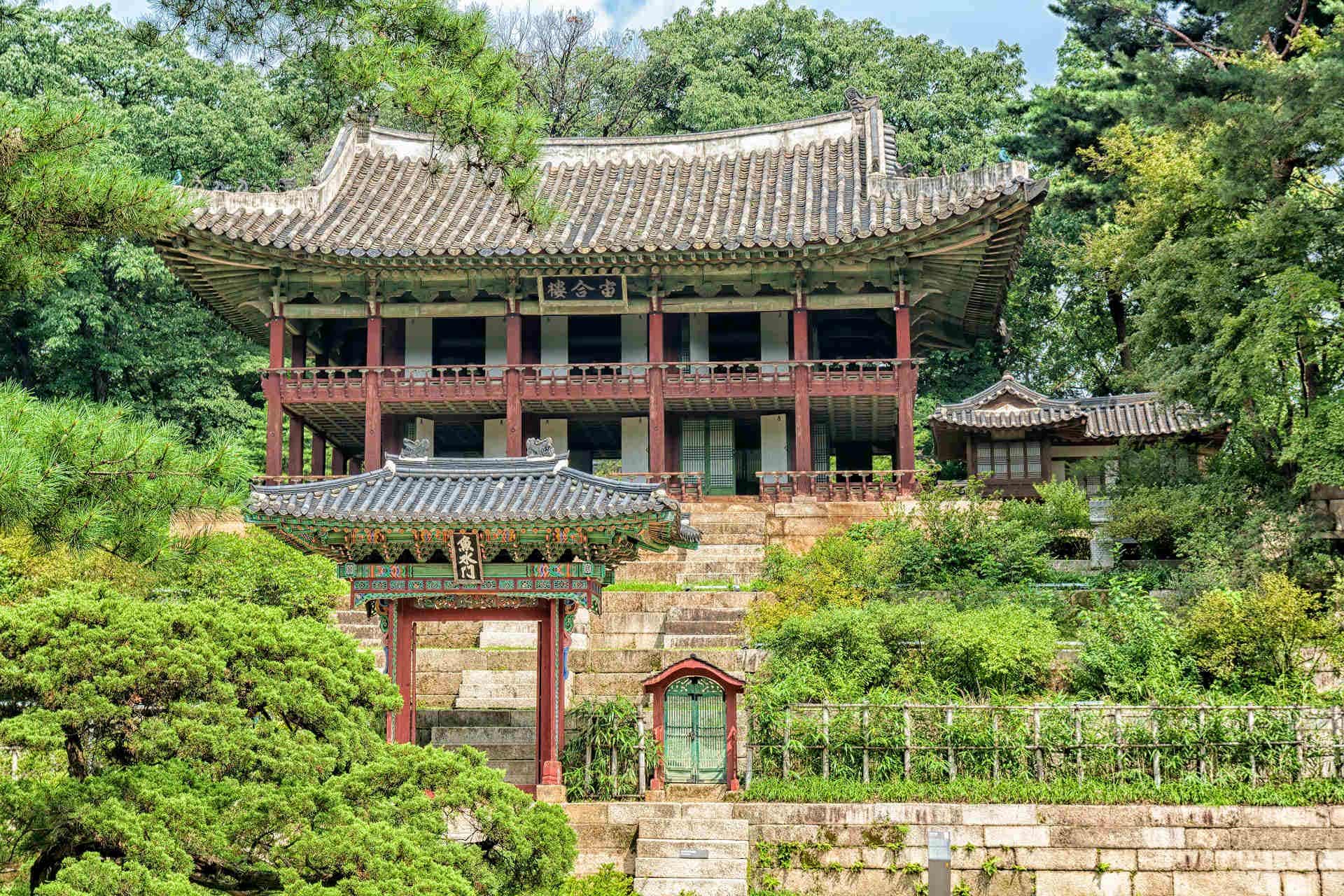
The Huwon Garden at Changdeokgung Palace in Seoul, Korea
Who is Seoul best for?
You'll probably enjoy Seoul if you like big-city energy and want your days to feel full, with plenty of choices for food, shopping, and nightlife. It works especially well for first-time visitors to South Korea who prefer easy transport and clear signage, and for travelers who appreciate short, organized experiences rather than planning every detail alone.
Families who value safety, clean public spaces, and kid-friendly attractions in one compact area often find the city straightforward. Seoul also rewards cultural travelers who like combining museum visits and historic sites with contemporary design, pop culture, and evenings in cafés or bars.
You may prefer another destination if you mainly want quiet coastal scenery, resort downtime, or long days of hiking without urban distractions. Those looking for a slower pace, boutique stays in traditional villages, or nature-focused itineraries might feel more at home in smaller Korean cities, island getaways, or mountainous regions, using Seoul only as a short starting or ending stop.
How does Seoul fit into an itinerary?
Seoul usually anchors a tailor-made trip around South Korea as the main arrival and departure point, thanks to its international connections and straightforward transfers to other regions. Many travelers begin with several nights here to adjust to the time zone, get comfortable with local customs, and ease into urban life before heading to coastal areas, smaller cities, or countryside stays.
For most routes, three to four nights in Seoul allows time to understand the city’s rhythm without rushing, while still leaving space for other stops around the country. The city works well as a practical base for day trips, which lets you reach nearby cultural or nature-focused areas without repacking every night.
Placing Seoul at both the start and end of your plans can balance the pace of your holiday: you begin with high-energy city experiences, then return for a final night of rest and simple logistics before flying home. This structure keeps your journey varied but logistically smooth.
Trips that include Seoul
The South Korea culture trip: Seoul, Gyeongju, Busan and Jeju explores Gyeongbokgung Palace, Bukchon Hanok Village, and Insadong's traditional shops before following the Namsan Trail towards N Seoul Tower for city views.
The South Korea luxury tour: heritage and nature trip includes the changing of the guard at Gyeongbokgung Palace, exhibits at the National Folk Museum of Korea, and visits to Bukchon's hanok houses and Insadong's craft shops.
The Private South Korea trip: Seoul, Gyeongju and Busan takes in Gyeongbokgung's palace courtyards, the National Folk Museum, and Insadong's galleries before continuing to the historic cities of Gyeongju and Busan.
To experience Korean cuisine beyond the restaurants, our local experts can add a Seoul cooking class, where you can learn to prepare traditional bibimbap.
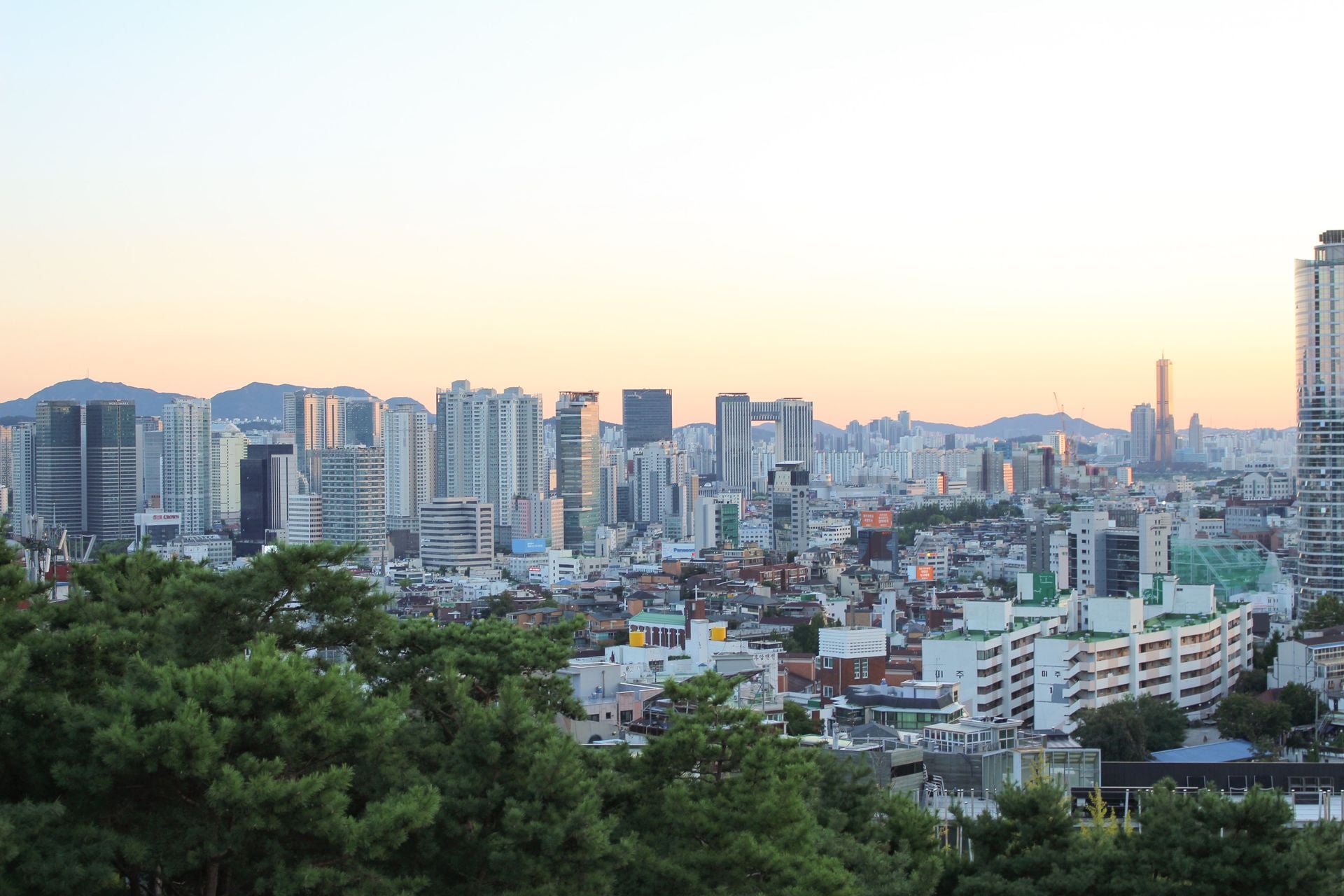
Seoul
How many days do you need?
Most travelers give Seoul at least three full days, enough to experience a mix of palaces, markets, and modern neighborhoods without rushing. With just one day, it makes sense to focus on one or two adjacent areas, such as a palace district paired with a nearby market and evening views along the Han River.
Two days let you balance classic sights with contemporary culture, perhaps combining historic quarters with a design-focused or nightlife district. Stays of four or more days suit travelers who want slower starts, time for cafes and galleries, and a day trip without moving hotels.
| Days | Recommended focus |
|---|---|
| 1 day | Key palace area plus one market or riverside walk |
| 2 days | Historic core, a modern shopping district, and evening city views |
| 3 days | Deeper neighborhood exploration and varied food experiences |
| 4+ days | Slower pace, themed days, and one or more day trips |
Best region combinations
Seoul combines naturally with Busan, creating a city-to-coast trip that contrasts dense urban neighborhoods with seaside promenades and beaches. A common order is to arrive in Seoul, then take the high-speed train south to Busan for a more relaxed final few days before flying out.
Pairing Seoul with Gyeongju works well for travelers interested in Korea's historic capitals. Starting in Seoul establishes modern context, while moving on to Gyeongju adds ancient tombs, temples, and quieter streets within a half-day overland journey.
Seoul and Jeju Island make a good mix for those who want a balance of city energy and volcanic landscapes. Many travelers spend several nights in Seoul, then fly to Jeju for coastal walks and countryside drives before returning to the capital for a last night of dining and shopping.
For mountain scenery, combining Seoul with Seoraksan National Park allows a compact trip that still includes hiking. Travelers often base first in Seoul, then transfer by bus or car to the park area for trails and viewpoints, returning to the city or continuing onward afterward.
Seoul also pairs with smaller cities such as Jeonju, known for traditional hanok streets and regional food. This sequence shifts from a fast-paced capital to a slower, more intimate setting while keeping travel times manageable by train or bus.
When is the best time to visit Seoul?
Late March to May and late September to early November are generally the best times to visit South Korea for travelers exploring Seoul. Mild temperatures and clearer skies suit long walking days between neighborhoods, with spring blossoms and colorful fall foliage adding extra atmosphere.
Summer is hot, humid, and affected by monsoon rains, but longer evenings, nightlife, and indoor attractions such as galleries and food halls still make the city rewarding. Winter is cold but manageable with warm clothing and works well alongside ski or mountain trips, while avoiding local holidays and peak blossom weekends can mean lighter crowds.
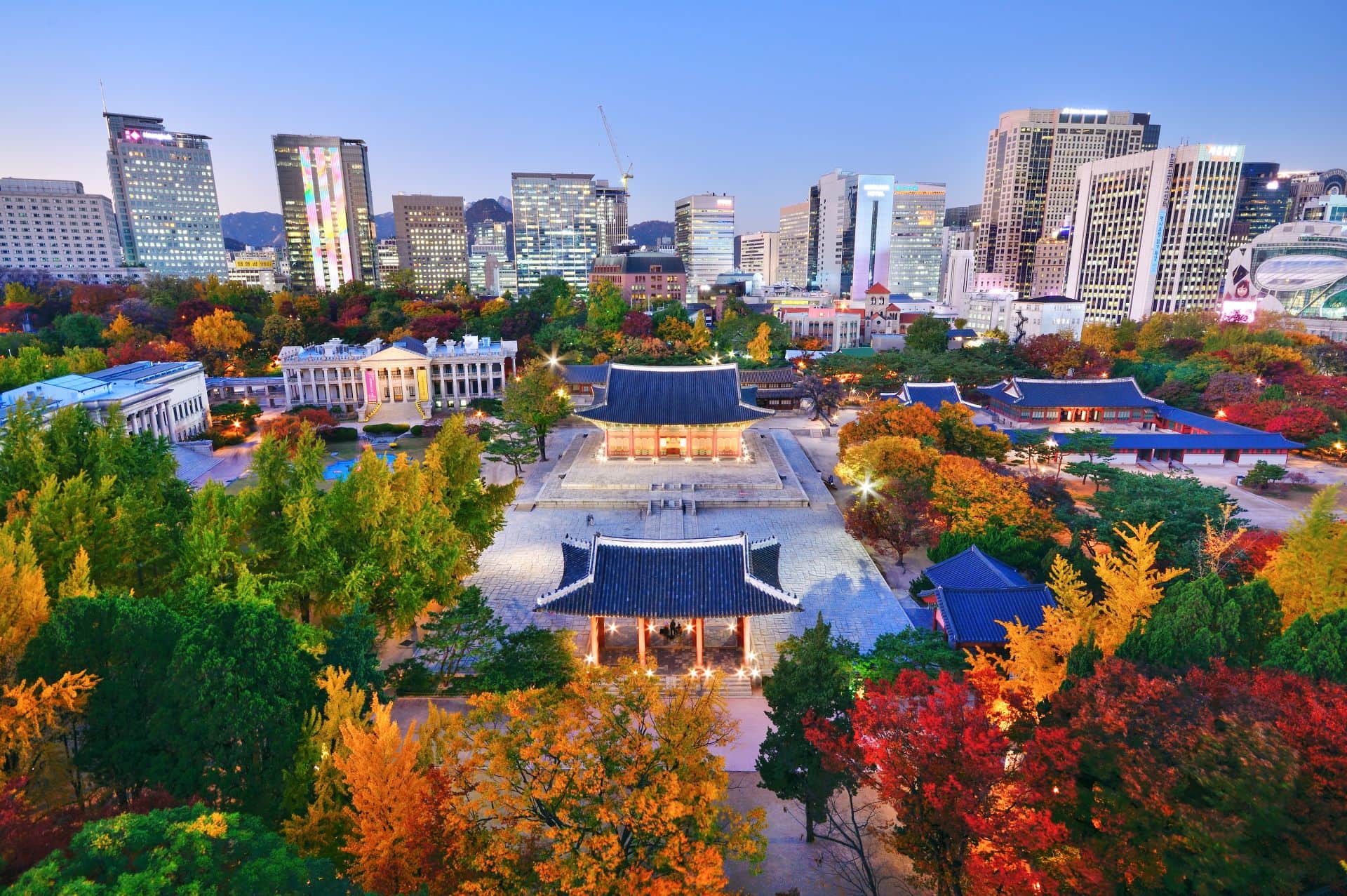
Seoul city
Experiences to include in Seoul
Seoul blends royal palaces and traditional neighborhoods with contemporary architecture, creative districts and a fast-moving food scene. Its extensive public transit makes it easy to explore historic landmarks, markets, museums, parks and riverfront areas across the city.
Explore royal Seoul around Gyeongbokgung and Bukchon
Among the top attractions in Seoul, Gyeongbokgung Palace, the National Folk Museum of Korea and Bukchon Hanok Village offer an accessible introduction to the city’s Joseon-era heritage. Allow half a day for the changing-of-the-guard ceremony, museum exhibits, traditional lanes and a quiet teahouse stop.
Immerse yourself in street life at Myeongdong and Namdaemun Market
Evenings in Myeongdong and nearby Namdaemun Market showcase Seoul's food stalls, cosmetics shops, and late-opening stores in a compact area. Plan a few hours for snacking, browsing, and people-watching, especially if you have limited time in the city.
Follow the Han River from Yeouido to Banpo Bridge
Cycling or strolling between Yeouido Hangang Park and Banpo Bridge reveals how locals use the Han River for picnics, night views, and casual exercise. Set aside an afternoon or evening; this suits families, runners, and relaxed urban explorers.
Dive into youth culture in Hongdae and Mangwon
Hongdae's live music venues and street performances, combined with Mangwon Market's food stalls and cafes, show Seoul's creative side beyond major shopping streets. An afternoon rolling into night works well for design lovers, casual bar-hoppers, and indie-music fans.
Experience contemporary Seoul in Gangnam and COEX
Gangnam's broad boulevards, the underground COEX Mall, and Bongeunsa Temple across the road highlight Seoul's mix of business towers, shopping, and quiet courtyards. Allow half a day, especially if you enjoy architecture, retail, and polished cafes.
Walk historic city walls above Ihwa and Naksan Park
The Seoul City Wall trail between Ihwa Mural Village and Naksan Park offers hillside paths, fortress remains, and broad views over central districts. Spend a morning or late afternoon here if you like photography, light hikes, and skyline panoramas.

Han River and Seonyudo Park in Seoul © Shutterstock
Planning Seoul with local expert tips
Seoul combines royal palaces, traditional neighborhoods, contemporary districts, and extensive markets across a city divided by the Han River and framed by mountains. Local experts can organize your days by neighborhood, leaving time to explore on foot while using Seoul’s excellent transport network for the longer journeys between districts.
Where to stay in Seoul
Jongno is a strong choice for travelers interested in Seoul’s historic side, with Gyeongbokgung Palace, Changdeokgung Palace and Bukchon within easy reach. Myeongdong provides a more commercial setting with convenient transport connections, while neighborhoods south of the Han River suit travelers whose plans focus on contemporary shopping, dining and nightlife.
Seoul is large enough that hotel location can noticeably affect how much time you spend traveling each day. Rather than changing accommodation, it usually makes sense to select one area that matches your main interests and group visits accordingly. Your local expert can favor Jongno for a heritage-focused itinerary or choose a more central transport hub when you plan several excursions beyond Seoul.
How transportation can be arranged
Seoul’s subway system reaches most areas travelers are likely to visit, making it the practical choice for many journeys across the city. Taxis and private transportation become useful for early starts, evenings, or days combining places that require several public transport connections. Incheon International Airport is connected with central Seoul by rail, bus, and road services, while Gimpo Airport handles many domestic and selected regional flights.
High-speed trains also make Seoul a convenient starting point for journeys elsewhere in South Korea. If your trip continues to Gyeongju or Busan, your expert can arrange your final Seoul visits around the appropriate railway station and departure time, avoiding an unnecessary return across the city with luggage.