The Mekong Delta and islands in southern Vietnam offer a different experience from the country’s main beach hubs. Instead of resort-lined coasts, this area is shaped by river channels, floating markets, and small islands where daily life happens on the water. It suits travelers who prioritize cultural immersion, food, and slow-paced exploration over sunbathing and beach nightlife.
A stay here usually adds 2-4 days to an itinerary, often after Ho Chi Minh City or before heading to coastal beaches or Cambodia. Factor in road and boat transfers when planning, as these add travel time but also context to Vietnam’s river-based culture.
Why visit Mekong Delta and islands?
The Mekong Delta and islands reveal Vietnam's life lived on water: dawn boat traffic gliding past stilted houses, narrow canals shaded by coconut palms, and workshops that still hand-produce rice paper, noodles, and coconut candies.
Unlike the country's sandy resort coasts, you weave through a maze of rivers and backwaters where boats act as homes, shops, and school buses. You can anchor beside floating markets at first light, follow narrow channels that only shallow craft can reach, and stay on small river islands where tides set the daily rhythm.
Choosing another coastal destination means missing this close-up immersion in river culture, where transport, trade, and social life all depend on the Mekong's shifting currents.
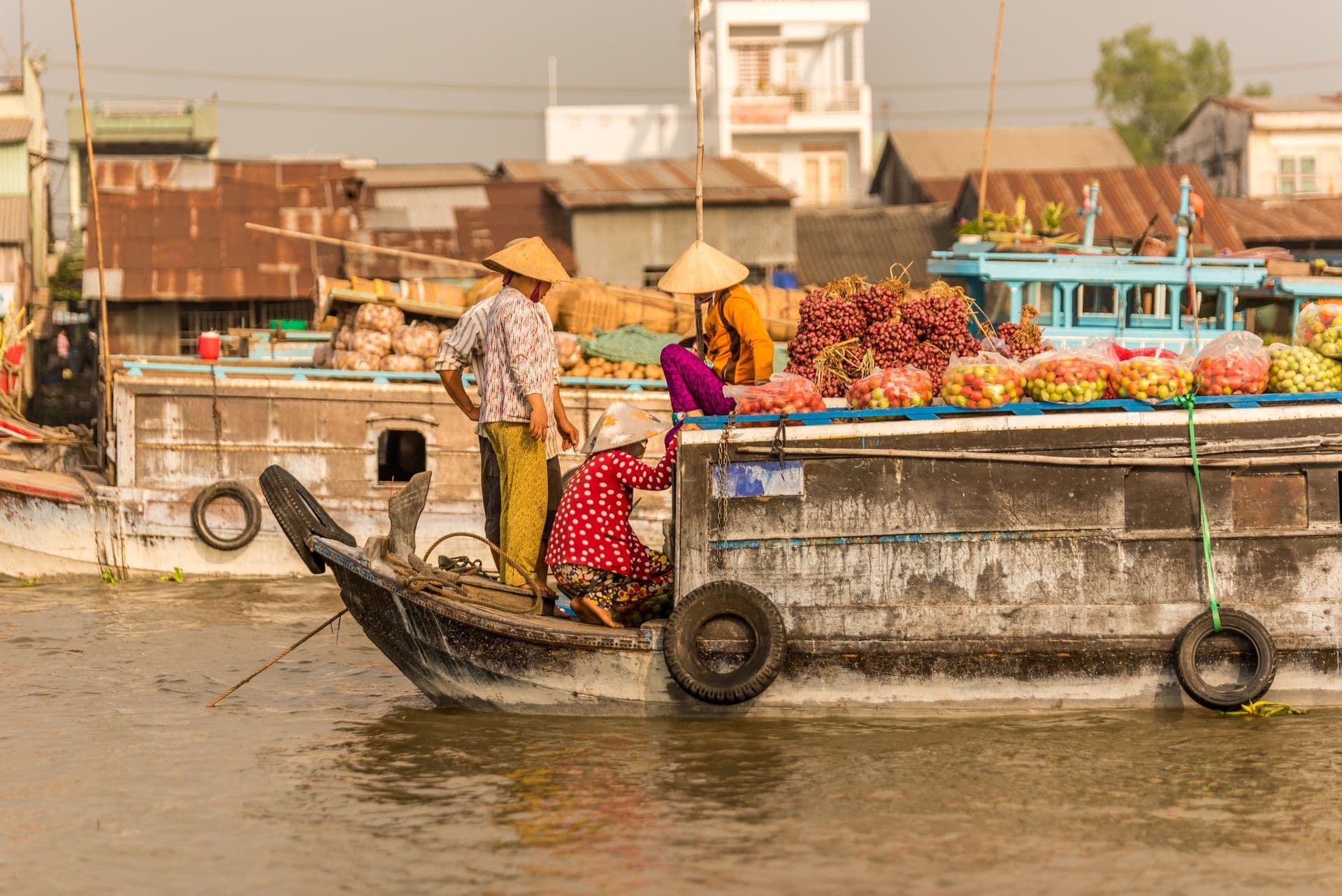
Mekong Delta in Vietnam
Who is the Mekong Delta and islands best for?
You will probably enjoy the Mekong Delta and islands if you value authentic local encounters more than polished resorts. Curious first-time visitors who want to balance big-city time in Ho Chi Minh City with quieter, everyday experiences tend to find this region rewarding.
Couples who like slow travel, shared meals with hosts, and unhurried evenings rather than nightlife often connect with it, as do culturally minded families whose children are comfortable with simple guesthouses and boat rides. This works particularly well if you are interested in food traditions, local crafts, or photography and do not mind early starts or basic comforts.
You may prefer another destination if your priority is long days on the beach, a wide choice of luxury hotels, or a honeymoon centered on privacy and spa time. Travelers who dislike heat, insects, or long road-and-boat transfers are often happier on Vietnam's coastal areas or larger islands such as Phu Quoc, where there is more developed beach infrastructure and easy access to pools, bars, and water sports.
How do the Mekong Delta and islands fit into an itinerary?
The Mekong Delta and islands typically follow time in Ho Chi Minh City as a contrasting chapter that slows your route and shifts the focus from urban energy to rural river life. Many travelers head south from the city for a short 2-4 day section before returning to Ho Chi Minh City to fly onward, while others continue toward coastal beaches or cross into Cambodia by river via Chau Doc.
Because transfers involve a mix of road and boat, this part of your holiday naturally runs at a gentler pace, with fewer hotel changes and more consecutive nights in one place. It works well mid-journey as a change of rhythm between busier hubs, or as a reflective finale before departure from the south.
Arrival and departure usually use Ho Chi Minh City or Can Tho as anchor points, helping keep travel times manageable and limiting backtracking elsewhere in your itinerary.
Trips that include Mekong Delta and Islands
The Vietnam trip: Culture, coast, and island calm explores Ben Tre by boat, stopping at coconut candy workshops. On Phu Quoc Island, travelers visit Ho Quoc Pagoda and Coconut Prison before enjoying time at Sao Beach.
The Ancient meets modern Vietnam trip discovers the Mekong Delta around Ben Tre, with a xe loi ride through Huu Dinh village, a cruise along the An Hoa River, and cycling to Phong Nam to see coconut processing and noodle making.
The Impressive Vietnam with Sapa trip visits My Tho and Vinh Trang Pagoda before cruising past Dragon and Phoenix islands. On Unicorn Island, travelers explore fruit orchards and enjoy traditional folk songs.
On Phu Quoc, our local experts can include a kayaking excursion along the Cua Can River, adding time to explore the island's waterways.
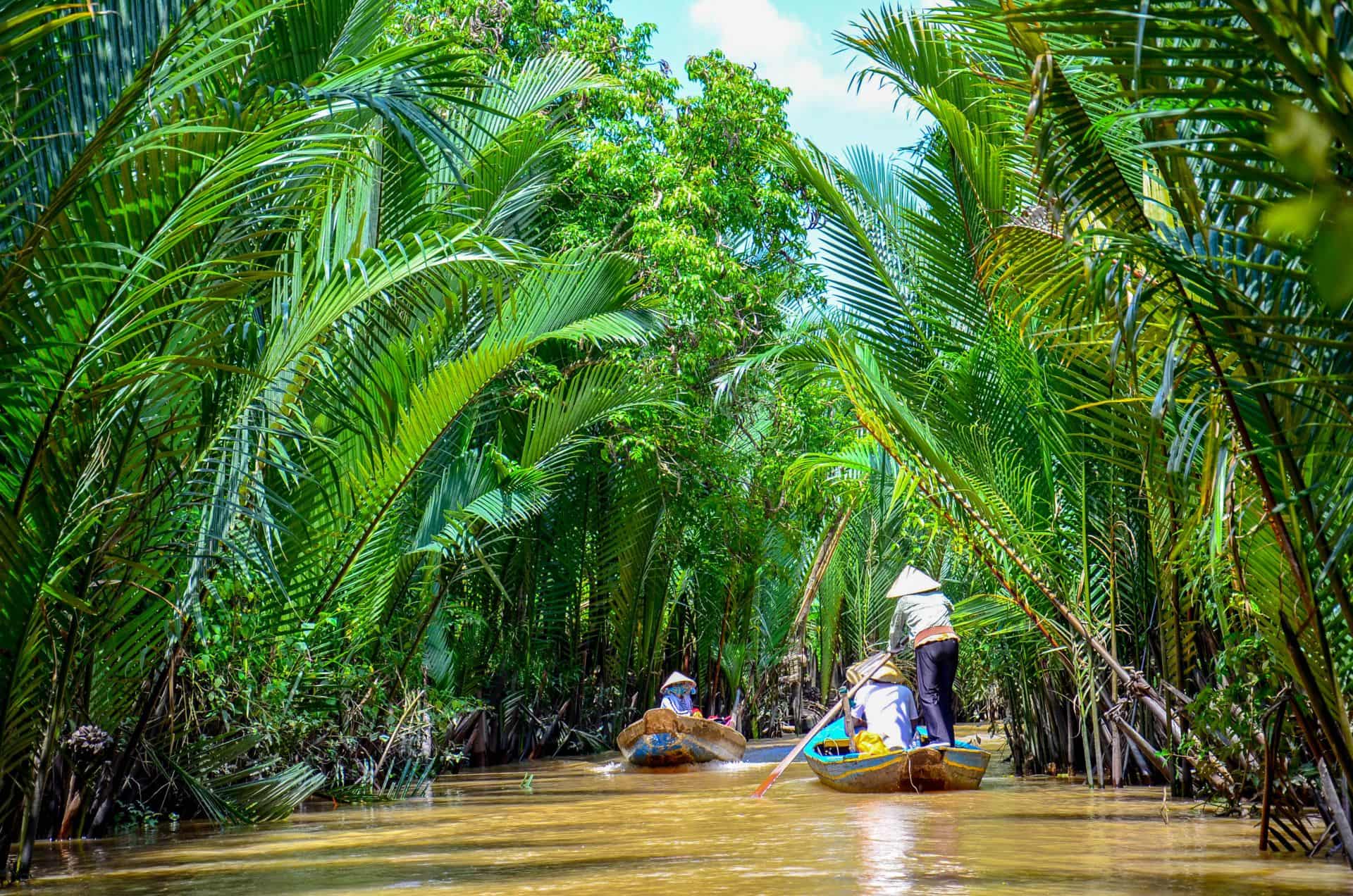
Vietnam, Mekong Delta
How many days do you need?
Most travelers dedicate 2-3 days to the Mekong Delta and islands, balancing time on the river with village stops and local food experiences. Shorter visits can feel rushed because journeys combine road and boat transfers. Use the overview below as a guide to what you can realistically experience.
| Time | Recommended focus |
|---|---|
| Half day | Quick glimpse of canals and a market from Ho Chi Minh City, with very limited local interaction. |
| One day | Boat trip, a small workshop visit, and a simple lunch before returning to the city by evening. |
| One night | Sunset on the river plus an early-morning market or village walk before heading onward. |
| Two nights | Deeper exploration of smaller waterways, time for cycling, homestay meals, and a slower pace. |
Each extra night lets you move beyond the main channels, visit quieter communities, and enjoy the delta's rhythm without long days in transit.
Best region combinations
A classic combination is Ho Chi Minh City with the Mekong Delta, starting with 2-3 days in the city before transferring 2-3 hours by road to the delta for one or two nights on the water. This works well as a gentle slowdown after urban sightseeing.
Another option is to continue from Can Tho toward Phu Quoc Island, using a road-and-ferry route that takes most of a day. Here, the Mekong Delta acts as a cultural stop before several nights of beach time and snorkeling on Phu Quoc.
For overland travelers to Cambodia, combining the Mekong Delta with Chau Doc and then a boat to Phnom Penh creates a logical south-to-north route. In this case, the delta is best enjoyed as one or two overnight stays before crossing the border by river.
When is the best time to visit Mekong Delta and islands?
December to April is generally the best time to visit Vietnam for travelers exploring the Mekong Delta and southern islands, with drier weather, calmer waterways and more reliable transfers to destinations such as Phu Quoc. These months are especially well suited to combining river journeys with beach time.
From May to November, heavier rain and occasional storms can disrupt smaller boat trips and ferry schedules, though the landscape is at its greenest and higher river levels open more canals for exploration. Flexible days and earlier ferry departures help reduce weather-related delays.
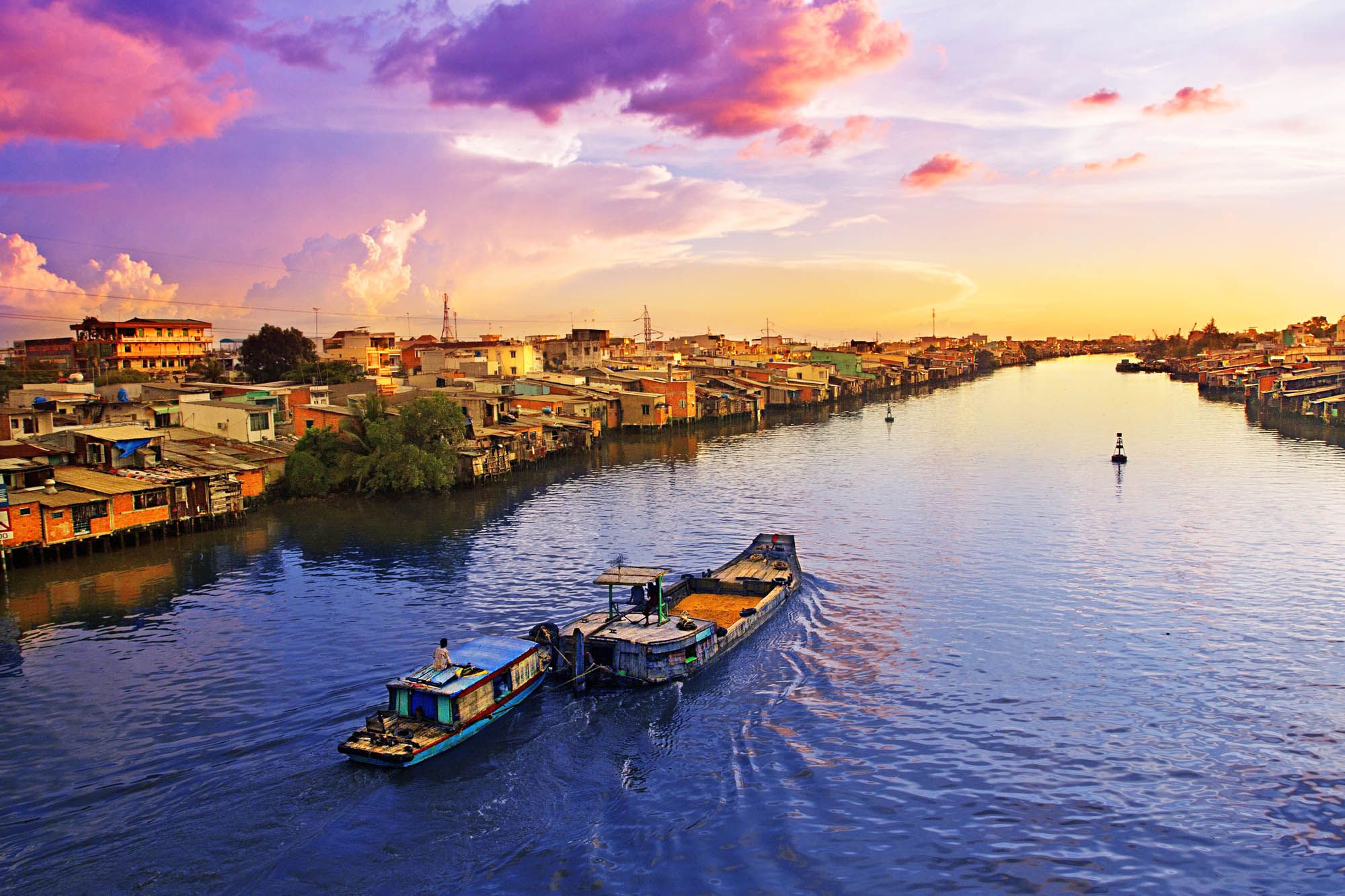
Peaceful sunset on the Mekong River in Vietnam
Experiences to include in the Mekong Delta and islands
The experiences below highlight the most rewarding ways to explore the Mekong Delta's waterways, islands, and riverfront towns, focusing on memorable journeys, local life, and food rather than a checklist of sights.
Drift through canals and floating markets around Cai Rang
Base yourself in Can Tho to reach the Cai Rang Floating Market at dawn, when trade is busiest. Allow half a day for a small-boat trip weaving between produce-laden sampans and narrow back canals. It suits early risers interested in photography and everyday river life rather than souvenir stalls.
Cycle village lanes and orchards near Vinh Long
From Vinh Long, cross to An Binh Island and spend half to a full day cycling shaded paths between pomelo and rambutan orchards. Simple ferries and homestay stops make this ideal for active travelers who enjoy gentle exercise, informal encounters, and occasional unpaved tracks.
Stay on river islands in Ben Tre's coconut country
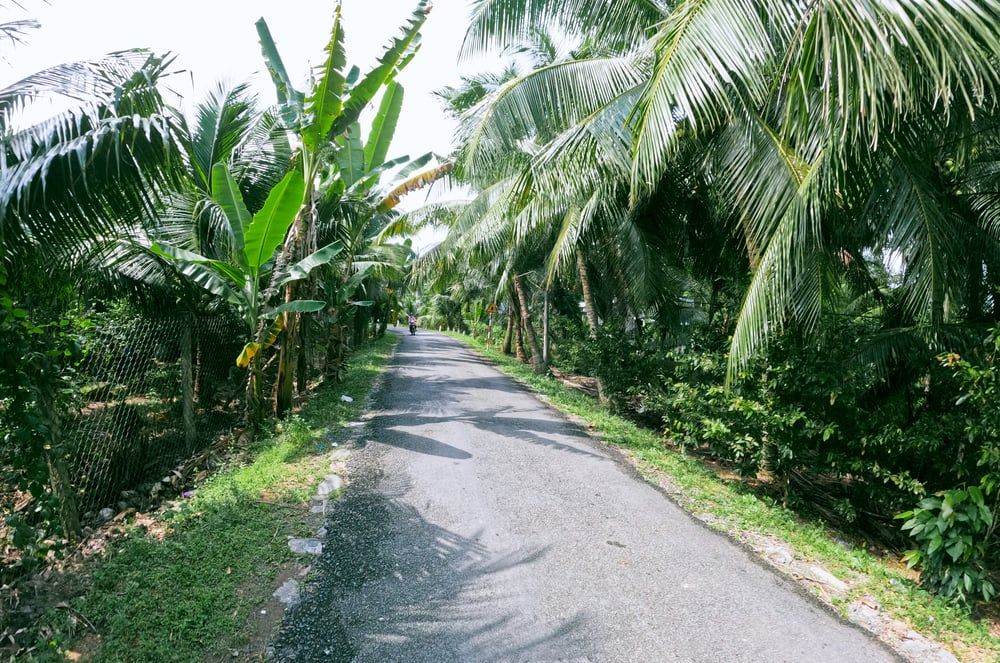
Ben Tre’s river islands, including Phoenix Island, rank among the top attractions in Vietnam for their coconut workshops, narrow canals and peaceful riverside setting. Spend one or two nights to experience the slower rhythm, best suited to travelers comfortable with simple accommodations.
Explore Chau Doc's riverside culture and Sam Mountain views
In Chau Doc, combine a boat trip to floating fish farms and Cham villages with an excursion up Sam Mountain (Nui Sam) for wide views over paddies and the borderlands. Allow a full day. It suits culturally curious travelers comfortable with modest infrastructure and heat.
Combine river time with beaches on Phu Quoc Island
Travel overland from Can Tho or Rach Gia to Phu Quoc Island to balance delta life with coastal relaxation on Long Beach (Bai Truong) or Sao Beach (Bai Sao). Allow at least three days for swimming, boat trips, and night market dining, suiting couples and families alike.
Follow the Mekong by boat from Can Tho to Phnom Penh
Use the delta as a stepping stone into Cambodia by traveling via Chau Doc and taking a speedboat up the Mekong to Phnom Penh. Set aside a full day for the journey. This suits overland travelers seeking a scenic, slower alternative to flying between the two countries.
Ben Tre, Vietnam
Planning the Mekong Delta and Islands with local expert tips
The Mekong Delta and Islands reveal a slower, more waterbound side of southern Vietnam, with river communities, orchards, and canals giving way to tropical shores farther west. Good planning matters here because distances can be deceptive, and the most rewarding itinerary is often one that explores a smaller part of the delta before continuing to the coast rather than trying to cover every major town.
Where to stay in Mekong Delta and Islands
Can Tho works well for travelers who want to experience the delta’s waterways while retaining a broad choice of hotels and restaurants. Smaller riverside properties around towns such as Ben Tre offer a more rural perspective, with cycling, boat trips and village visits beginning close to your accommodation.
For an island finish, Phu Quoc provides everything from lively beach areas to quieter resorts along less developed stretches of coast. The main decision is how to divide your nights between river country and the beach. Local experts can keep the delta portion focused on one well-chosen base, then allow several nights on Phu Quoc if relaxation is an important part of the trip.
How transportation can be arranged
Road and boat travel naturally complement each other in the Mekong Delta. From Ho Chi Minh City, a private vehicle can take you into the region before smaller boats carry you along canals and waterways that cannot be appreciated from the road. Journeys between delta towns can be slow, so adding distant stops to cover more ground rarely improves the experience.
Phu Quoc is usually treated as a separate island stay, reached by air or by ferry from the mainland depending on the wider route. For example, your specialist could take you from Ho Chi Minh City into Ben Tre or Can Tho, continue through the delta toward the western coast, and connect you with Phu Quoc without sending you back to the city between each stage.