Sa Pa in northern Vietnam's highlands is a practical addition to a wider Vietnam itinerary for travelers who want cooler temperatures, terraced rice landscapes, and access to ethnic minority villages without demanding treks. The town is a useful base for organizing guided walks, simple homestays, and visits to local markets, with plenty of accommodation and dining options in one compact area.
For most travelers, Sa Pa works best as a short stay of two to three nights rather than a quick day trip, allowing time to adjust to the weather, complete at least one full-day hike, and keep a buffer for low-visibility conditions such as fog or rain.
Why visit Sa Pa?
Sa Pa offers one of Vietnam's most striking convergences of mountain landscape and living highland culture. Few other places combine such steep, cloud-brushed peaks with rice terraces that pour down valleys in precise, hand-carved layers.
Daily life of Hmong, Red Dao, and other communities is visibly part of the scenery: indigo-dyed textiles drying beside footpaths, herbal bathhouses above cold streams, and hillside markets where lowland Vietnamese are the visitors.
Mist and shifting light continually remake the views, so even familiar paths feel different hour to hour. Making time here means stepping into a slower, weather-shaped rhythm - pausing to watch farmers on the terraces, hearing village sounds rise through the fog, and sensing how people and landscape are intertwined in Vietnam's far north.
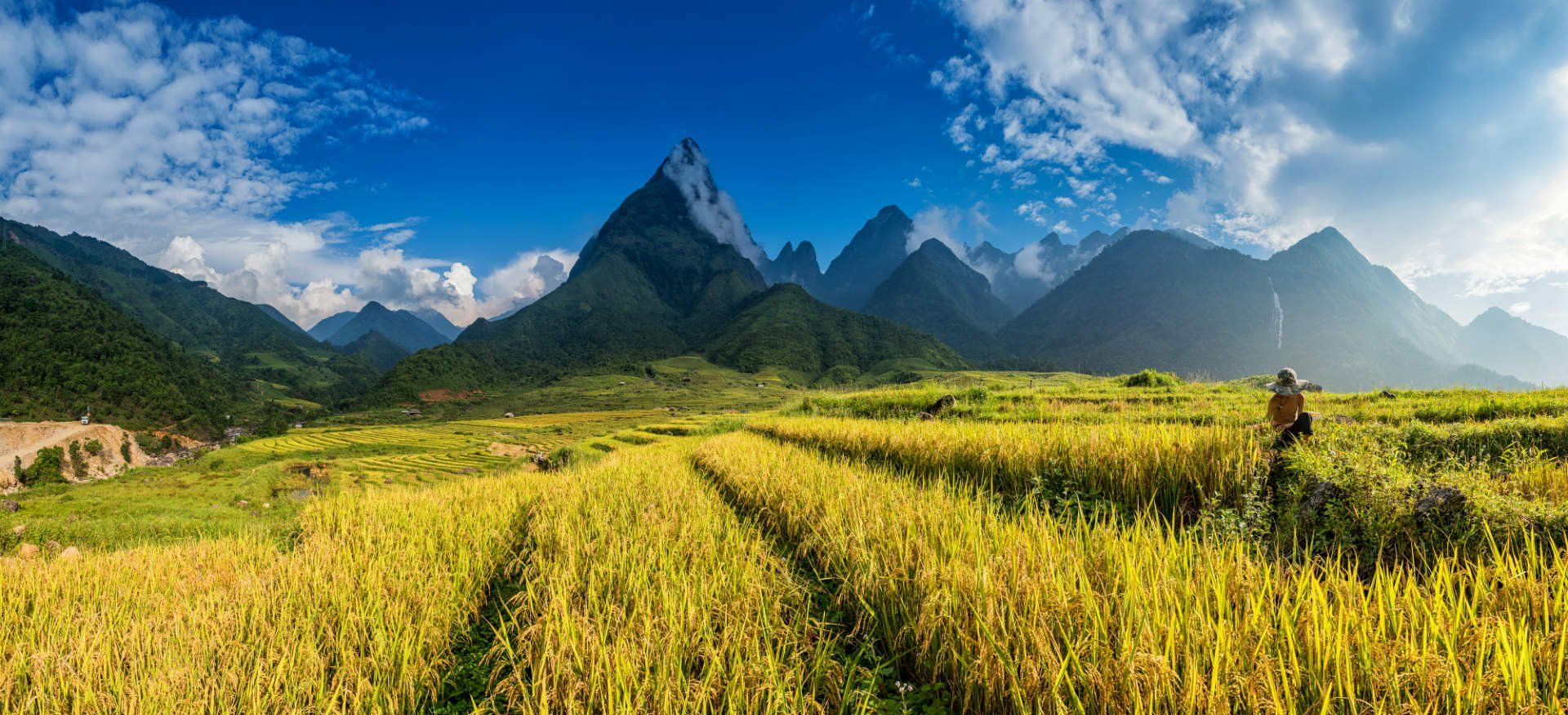
Sapa, Vietnam
Who is Sa Pa best for?
You'll probably enjoy Sa Pa if you like gently active trips where walks, viewpoints, and village visits fill your days more than big-ticket sights. It is a rewarding choice for couples seeking quiet evenings after scenic hikes, solo travelers who appreciate flexible plans with local guides, and culture-focused visitors interested in learning from ethnic minority hosts through homestays or handicraft workshops.
Families with older children who are comfortable on uneven paths can also have a memorable time, especially if they enjoy being outdoors and do not mind changeable weather.
You may prefer another destination if you want nightlife, polished shopping districts, or a very smooth, urban-style experience. Travelers with very young children, mobility challenges, or little patience for fog, rain, or longer road journeys may be happier limiting Sa Pa to a guided day trip from a larger base, or skipping it in favor of places with easier logistics and more conventional sightseeing.
If you only have one free day in the region and dislike hiking, a short visit for viewpoints and a market stop is usually enough.
How does Sa Pa fit into an itinerary?
Sa Pa typically works as a two- or three-night mountain stop within a wider exploration of northern Vietnam, positioned between time in Hanoi and lower-elevation areas. Many travelers come up from Hanoi by night train with a road transfer, or by highway bus, using Sa Pa as a cooler, slower pause after the capital. From here, they often continue to Halong Bay, Ninh Binh, or further south, creating a natural contrast between highland scenery and coastal or river landscapes.
Including Sa Pa usually slows the pace of your itinerary: transfers take most of a day, and village walks or scenic drives often fill another full day. Because weather can affect visibility and trekking plans, Sa Pa fits best in the middle of your route rather than just before an international flight. On short holidays it can become the main focus in the north, while longer journeys tend to weave it into a broader loop that starts and ends in Hanoi.
Trips that include Sa Pa
The Sapa tour from Hanoi visits Silver Waterfall and Heaven Gate before exploring Sapa Market for local food and handicrafts. A trek through rice terraces leads to Lao Chai village.
Vietnam from Hanoi to Mekong - 21 days explores Sapa and Muong Hoa Valley, with a cable car ride to Fansipan's summit pagodas and a visit to Cat Cat Village for waterfalls and traditional crafts.
The Impressive Vietnam with Sapa trip combines Hanoi and a Lan Ha Bay cruise with time in Sapa, browsing the market and exploring the area around Sapa Church for local music, crafts, and food.
For a longer experience in the highlands, our local experts can extend the trek between Ma Tra and Ta Phin villages, allowing more time to enjoy the scenery and village life.

Red Dao minority, Vietnam, Sa Pa @ Shutterstock
How many days do you need?
Most travelers find two nights in Sa Pa a good balance between time on the trails and flexibility for misty or wet weather. With just one night, you can fit in a short village walk and a glimpse of the terraces, but you may feel rushed.
Adding an extra night allows for a full-day hike, space to linger over viewpoints, and time to experience both town and countryside. Longer stays work well if you enjoy slow travel, homestays, or want time to explore quieter valleys beyond the main routes.
| Time | Recommended focus |
|---|---|
| Half day | Short town stroll, quick viewpoint stop, brief cafe visit |
| One day / one night | Town walk, nearby village visit, basic terrace viewpoints |
| Two nights | Full-day hike, one or two villages, market or spa time |
| Three nights | Deeper village experiences, homestay, slower pace |
Each extra day lets you explore further from town, try different valleys, and hedge against cloud or rain obscuring the views.
Best region combinations
A classic northern Vietnam loop links Hanoi, Sa Pa, and Halong Bay. Start in Hanoi for food and history, continue overnight by train or 5-8 hours by road to Sa Pa for cooler mountain air, then head back via Hanoi to cruise Ha Long Bay's limestone karsts. Sa Pa works best here as a two- or three-night stop.
Another option combines Hanoi, Sa Pa, and Ninh Binh. Travel Hanoi-Sa Pa first for village walks and terraces, then return south to Ninh Binh's river landscapes and caves. Allow a full day on the road each way between Hanoi and Sa Pa, and 2-3 hours from Hanoi to Ninh Binh, treating Sa Pa as the main highland overnight stay.
For a culture-focused route, pair Sa Pa with Ha Giang. Start in Sa Pa, then continue by road (often 6-8 hours with stops) into the Ha Giang loop's karst peaks. Both work best as multi-night bases with guided drives and walks rather than quick pass-throughs.
When is the best time to visit Sa Pa?
March to May and September to November are generally the best times to visit Vietnam for travelers exploring Sa Pa, with milder temperatures, clearer skies and more comfortable hiking conditions. Spring brings fresh greenery and wildflowers, while autumn often offers golden rice terraces and wider mountain views.
From June to August, heavier rain can make trails slippery, though the landscape is especially lush. Winter is colder and often foggy, with fewer views but a quieter atmosphere, making short walks, village visits and herbal baths more appealing than longer treks.

Terraced rice fields, Sa Pa, Vietnam @ Shutterstock
Experiences to include in Sa Pa
These experiences showcase Sa Pa's defining mountain scenery and highland culture, and are the ones worth prioritizing if you only have a short stay in the region.
Walk between Muong Hoa Valley villages
Follow gentle trails linking Lao Chai, Ta Van, and Giang Ta Chai to see rice terraces and everyday Hmong and Giay village life up close. Allow a half or full day, easily combined with an evening back in Sa Pa Town.
Ride the cable car to Fansipan summit
The Fansipan Legend cable car ranks among the top attractions in Vietnam, carrying travelers above forests and rice terraces toward the country’s highest peak. Allow half a day for the journey and summit views, then pair it with a short walk through Sa Pa or a relaxing spa visit.
Visit Bac Ha Sunday Market
Bac Ha Sunday Market gathers Flower Hmong and other groups trading textiles, livestock, and household goods in vivid traditional dress. It is one of the region's most atmospheric weekly events. Allow a full day from Sa Pa, combining market time with nearby viewpoints.
Hike to Cat Cat and Sin Chai villages
The loop from Sa Pa Town down to Cat Cat and onward to Sin Chai offers accessible valley scenery, small waterfalls, and views back toward Mount Fansipan. It suits a half day and can be paired with a relaxed afternoon in town.
Soak in herbal baths in Ta Phin
In Ta Phin, Red Dao families prepare traditional herbal baths using forest plants, providing a warming soak after hikes and a glimpse of local handicrafts and village life. Allow a half day, which combines well with a short surrounding walk.
Scenic drive over O Quy Ho Pass
The O Quy Ho Pass, on the road toward Lai Chau, delivers some of northern Vietnam's most dramatic highland views, with layers of peaks and valleys. A half-day drive from Sa Pa can be combined with short roadside walks and photo stops.

Sa Pa, northern Vietnam
Practical planning tips
Sa Pa sits high in the mountains of Northwest Vietnam, surrounded by terraced valleys, steep ridges, and villages inhabited by several ethnic minority communities. Vietnam travel experts can tailor the stay around walking ability, seasonal conditions, and how much time you want to spend in the countryside rather than concentrating everything around the town itself.
Where to stay in Sa Pa
Central Sa Pa has the widest selection of hotels, restaurants and services, making it convenient for a shorter visit or an early departure. The trade-off is a busier atmosphere than you will find in the surrounding valleys. Countryside lodges and homestays place rice terraces, walking routes and village landscapes much closer to your door, although evenings are quieter and reaching town takes more effort.
For many travelers, the choice between town and valley accommodation matters more than hotel category. Vietnam local experts can recommend a rural stay when walking and scenery are central to the trip, or keep you in Sa Pa when comfort, dining choices, and straightforward connections carry greater weight.
How transportation can be arranged
Sa Pa has no railway station, despite often being associated with the overnight train from Hanoi. Trains run to Lao Cai, from where the final journey into the mountains continues by road. Road travel directly from Hanoi is another option, while private vehicles become particularly useful once you want to explore valleys, trailheads and villages beyond central Sa Pa.
Walking routes can also be planned with vehicle support, allowing you to hike selected sections without retracing the same paths. Vietnam local specialists can coordinate a Hanoi departure with your preferred rail or road journey, then adjust transfers and guided walks around your accommodation, fitness level, and the weather expected during your stay.