The northeast of Costa Rica is a distinct region of lowland rainforest, canals, and remote Caribbean wetlands, different from the central highlands and Pacific beaches. It deserves a place in a multi-day itinerary if you want wildlife-focused boat exploration, quiet coastal stretches, and lodges reached mainly by water rather than by road.
This region suits travelers who prioritize nature and slower travel over frequent hotel changes. It typically fits into a wider route as a 2-4 night block between San Jose and northern volcano areas or the Caribbean coast, working well for one-way itineraries through the country's north.
Why visit northeast Costa Rica?
Here, the rainforest is experienced from the water, drifting along narrow canals where howler monkeys, caimans, and bright-billed toucans are part of the everyday scenery. Dawn and dusk boat safaris let you slip quietly into flooded forests, hearing the jungle wake or fall silent around you in a way you rarely feel elsewhere in Costa Rica.
Instead of hopping between sights, you settle into a riverside lodge and return to the water at different times of day, noticing how the same bend in the canal can reveal manatees one morning and nesting herons the next.
At night, guides use spotlights to pick out glowing insects, tree frogs, and the eye shine of nocturnal animals, leaving you with the sense of having explored a living, breathing waterworld rather than a conventional road-based national park.

A river through the Sarapiqui Rainforest, Costa Rica © Shutterstock
Who is northeast Costa Rica best for?
You will probably enjoy northeast Costa Rica if you are happiest trading busy sightseeing days for unhurried time in nature. It is a strong choice for wildlife lovers, birdwatchers, and photographers who like observing animals quietly rather than ticking off landmarks.
Families with school-age children who will not mind early starts, boat outings, and simple jungle lodges tend to get the most from it. Couples looking for a peaceful, away-from-it-all stop within a wider Costa Rica journey often appreciate the slower rhythm here, especially when beaches, volcanoes, or city time are already included elsewhere in the trip.
You may prefer another destination if you want a classic sun-and-sand holiday where you can walk straight from a large resort onto a broad swimming beach. Travelers focused on nightlife, shopping, or restaurant-hopping will be happier in livelier hubs such as the Pacific coast or Puerto Viejo.
First-timers who want a single base with straightforward road access, or anyone uneasy about remote lodges and reliance on boats, might feel more comfortable in Arenal, Guanacaste, or around the Central Valley.
How does northeast Costa Rica fit into an itinerary?
Northeast Costa Rica usually works as a distinct lowland rainforest stage within a wider loop through the country’s north. Many routes start or end in San Jose, with travelers transferring directly to the canals before continuing towards Arenal, Sarapiqui, or the Caribbean coast around Puerto Viejo. It fits naturally after time in the central highlands or volcano areas, creating a clear shift from road-based travel to boat transfers and slower days at a single lodge.
Because access is limited and most movement is by water, travelers typically spend 2-3 nights here in one place rather than changing hotels. This keeps logistics simple and preserves the sense of remoteness while still leaving enough days elsewhere for beaches and other landscapes. The region rarely serves as a long-stay base; instead, it becomes a focused middle chapter in your holiday, changing the pace between more active driving days and beach time at either end of your itinerary.
Trips that include Northeast
Costa Rica Rainforest and Coast - 10 days explores La Fortuna with self-guided walks at Arenal Observatory Lodge & Trails, a guided visit to Arenal Hanging Bridges, and hikes through Arenal Volcano National Park before continuing to Manuel Antonio.
The Tailor-made Costa Rica luxury tour combines waterfall rappelling in Lost Canyon with a guided walk to volcanic viewpoints and lava fields in Arenal Volcano 1968 Park, followed by visits to Monteverde and Sámara.
The Coast to Coast Costa Rica trip includes soaking in the mineral pools at Tabacón Hot Springs, hiking in Arenal Volcano National Park, and riding the Sky Tram at Arenal Reserve, along with stays in Tortuguero, Monteverde, and Tamarindo.
Around Arenal, our local experts can tailor your schedule to include Lost Canyon rappelling, hanging bridge walks, or more time relaxing in Tabacón's thermal pools.

Tortuguero, Costa Rica
How many days do you need?
Most travelers treat northeast Costa Rica as a short but focused rainforest chapter within a longer Costa Rica itinerary. Because access relies on scheduled boat transfers and there are no towns to hop between, you are really deciding how long to slow down at one remote base while exploring different waterways and habitats nearby.
| Days | Suggested route | Ideal pace |
|---|---|---|
| 2 days | San Jose - northeast lodge - next region | Very concentrated: one canal safari and one guided walk, suited to tight schedules. |
| 3 days | San Jose - northeast lodge - Arenal or Sarapiqui | Balanced: time for multiple boat outings at different times of day. |
| 4 days | San Jose - Sarapiqui - northeast lodge - La Fortuna (Arenal) | Unhurried: extra dawn or night outings and a full rest afternoon at the lodge. |
Adding days does not mean changing bases; it means layering more varied canal trips, walks, and night excursions onto a single, deeply immersive stay.
Best region combinations
A classic combination links San Jose, the northeast canals, and La Fortuna near Arenal Volcano, creating an easy progression from city to flooded rainforest to volcanic foothills and hot springs, ideal for first-time visitors.
Pairing the northeast with Sarapiqui suits birders and families who want two contrasting lowland forests, usually traveling San Jose - Sarapiqui - northeast - Arenal by road and boat.
Combining the northeast with Tortuguero village works for travelers visiting during turtle nesting season who want both a quiet lodge stretch and a night or two closer to local life.
More active travelers might add Puerto Viejo de Talamanca on the southern Caribbean coast after the northeast for beach time and relaxed restaurants.
For road-trip enthusiasts, linking the northeast with the northern plains around Rio Celeste adds hiking and waterfall days after water-based wildlife watching.
When is the best time to visit northeast Costa Rica?
February to April and September to October are generally the best times to visit Costa Rica for travelers exploring the northeast, with somewhat drier conditions and easier planning for boat safaris, rainforest walks, and transfers. Rain is still possible year-round, but these periods often offer more stable weather.
From May to August, heavier rain keeps the canals full and the rainforest especially lush, with active wildlife and dramatic cloudscapes. Christmas and Easter bring higher demand for lodges, so booking ahead is useful even though the region rarely feels crowded.
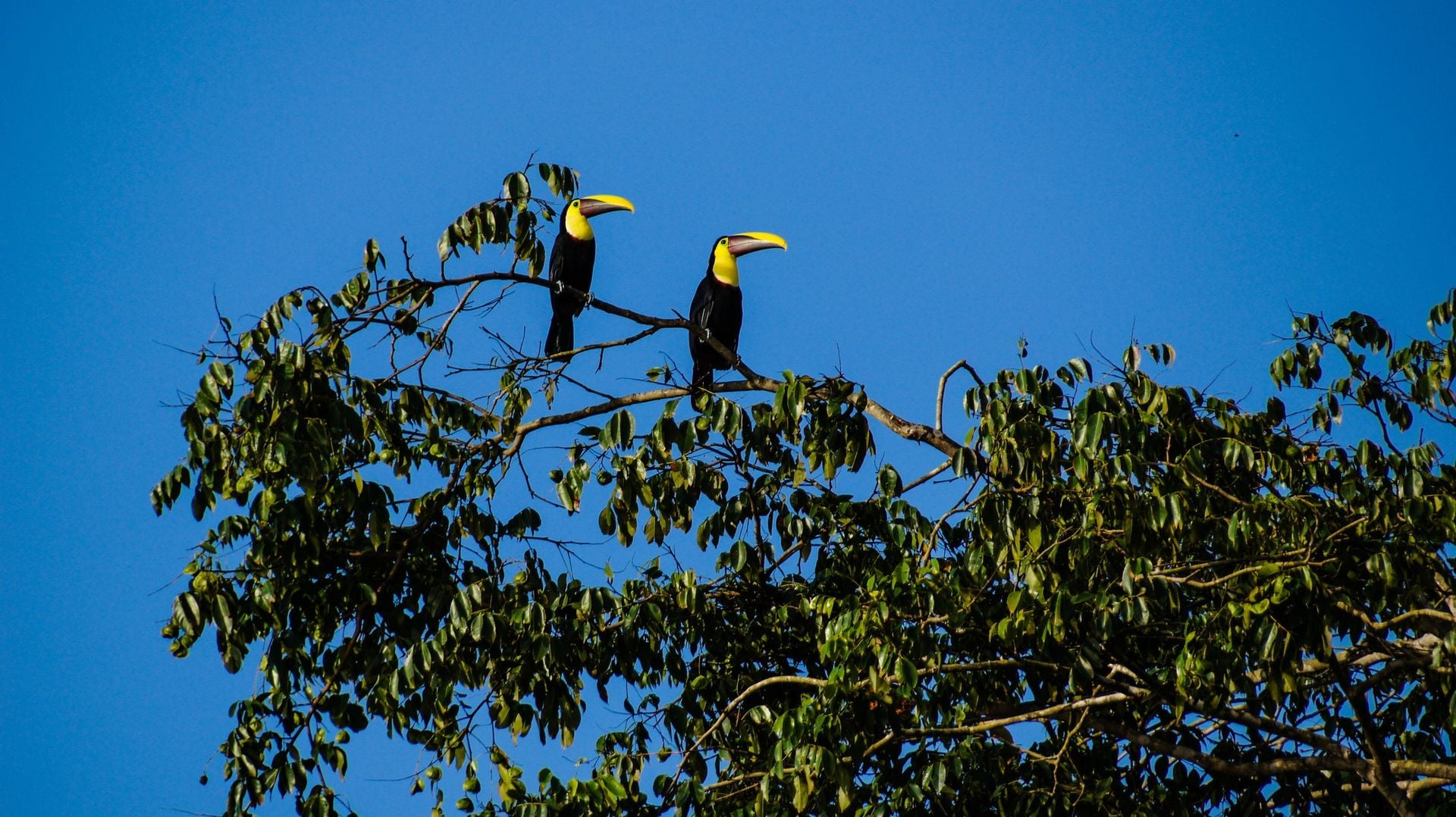
A couple of toucans perched on a branch, Tortuguero
Experiences to include in Northeast Costa Rica
Northeast Costa Rica is shaped by rainforest, winding canals and wildlife-rich wetlands. Visitors can explore Tortuguero and Sarapiquí by boat and on foot, with chances to spot monkeys, birds, reptiles and other wildlife in a quieter, more remote setting.
Glide along Tortuguero's jungle canals
Base yourself in a lodge near Tortuguero National Park and spend half-days on guided boat safaris through the main canals and side creeks. This slow, water-level perspective reveals sloths, monkeys, and caimans and anchors the region's character in your itinerary.
Walk the forest trails around Tortuguero village
Balance boat time with guided walks on the forest paths near Tortuguero village and within Tortuguero National Park. A half-day on foot lets you notice insects, frogs, and plant life you miss from the water, deepening the rainforest phase of your trip.
Watch sea turtles nesting on Playa Tortuguero
Turtle nesting on Playa Tortuguero ranks among the top attractions in Costa Rica, with guided evening patrols offering a conservation-focused look at green turtles nesting from July to October. Later in the season, visitors may also see hatchlings making their way toward the sea.
Explore the remote Barra del Colorado wetlands
For a wilder feel, some itineraries extend by boat toward Barra del Colorado. Anglers and keen wildlife watchers value a day or two here for quiet lagoon channels, river-mouth scenery, and the sense of reaching one of Costa Rica's least visited corners.
Unwind at a riverside lodge near Cano Blanco
Overnighting near Cano Blanco or La Pavona docks turns transfers into part of the experience. Afternoons in hammocks, watching boats and birds along the river, add gentle downtime to an otherwise active northern loop without diverting far from main routes.
Combine canals and culture in Parismina village
A day trip or overnight in tiny Parismina blends canal wildlife with a look at everyday Caribbean coastal life. Meeting community guides or turtle volunteers here pairs naturally with longer stays in Tortuguero, rounding out the region beyond pure nature watching.
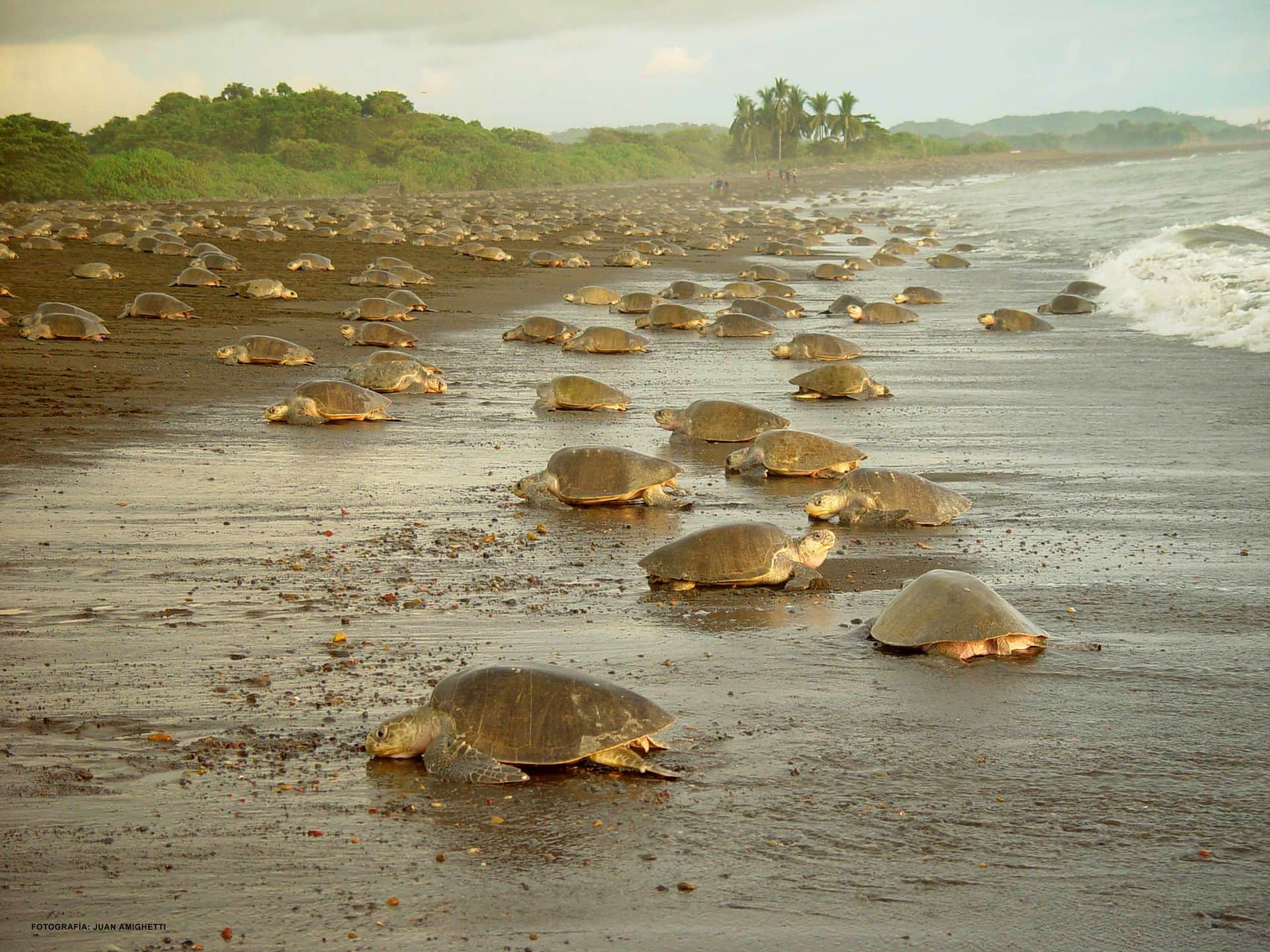
Tortuguero National Park
Planning Northeast Costa Rica with local expert tips
Northeast Costa Rica is dominated by tropical forest, broad rivers, and wildlife-rich wetlands, with much of its appeal found away from the country’s conventional beach circuit. Costa Rica travel experts can build this part of the journey around nature- and water-based exploration, while keeping the number of long overland transfers under control.
Where to stay in Northeast Costa Rica
The Sarapiquí area is a strong base for rainforest walks, birdwatching, and river activities, with lodges ranging from simple nature-focused properties to more comfortable retreats surrounded by tropical vegetation. Farther north, accommodation becomes more dispersed, particularly around wetland areas such as Caño Negro, where the attraction is the surrounding ecosystem rather than a busy town center.
A lodge stay of several nights often works better than moving frequently, since early mornings and evenings can be among the best times for wildlife. Costa Rica local experts can choose between a convenient base with a broad range of activities and a more remote property where nature takes center stage, depending on your interests and tolerance for longer journeys.
How transportation can be arranged
Road travel provides the backbone of a northeast itinerary, but boats become important when exploring rivers and wetlands. Sarapiquí can fit naturally between the Central Valley and the northern lowlands, while reaching more remote wildlife areas requires additional driving and careful scheduling. Guided boat trips are particularly valuable in wetland environments, where local knowledge helps with wildlife spotting and changing water conditions.
Costa Rica local specialists can incorporate the northeast into a continuous inland route instead of treating it as a return excursion from San José. They might connect a Central Valley stay with Sarapiquí before continuing toward the northern plains, adjusting the sequence around wildlife priorities, seasonal conditions, and the next region on your itinerary.