Eastern Guatemala offers a distinct contrast to the highlands and colonial cities, with hot lowland valleys, Caribbean-influenced towns, and key overland routes toward Honduras and El Salvador. It deserves a place in a multi-day itinerary if you want to keep transfers efficient while adding short river or lake stops, instead of detouring far off your main route.
The region is best suited to overland journeys linking Guatemala City or Antigua with Copan or the Salvadoran border, where one or two nights in simple hubs and brief visits to historic forts or waterfront areas help break up long travel days.
Why visit Eastern Guatemala?
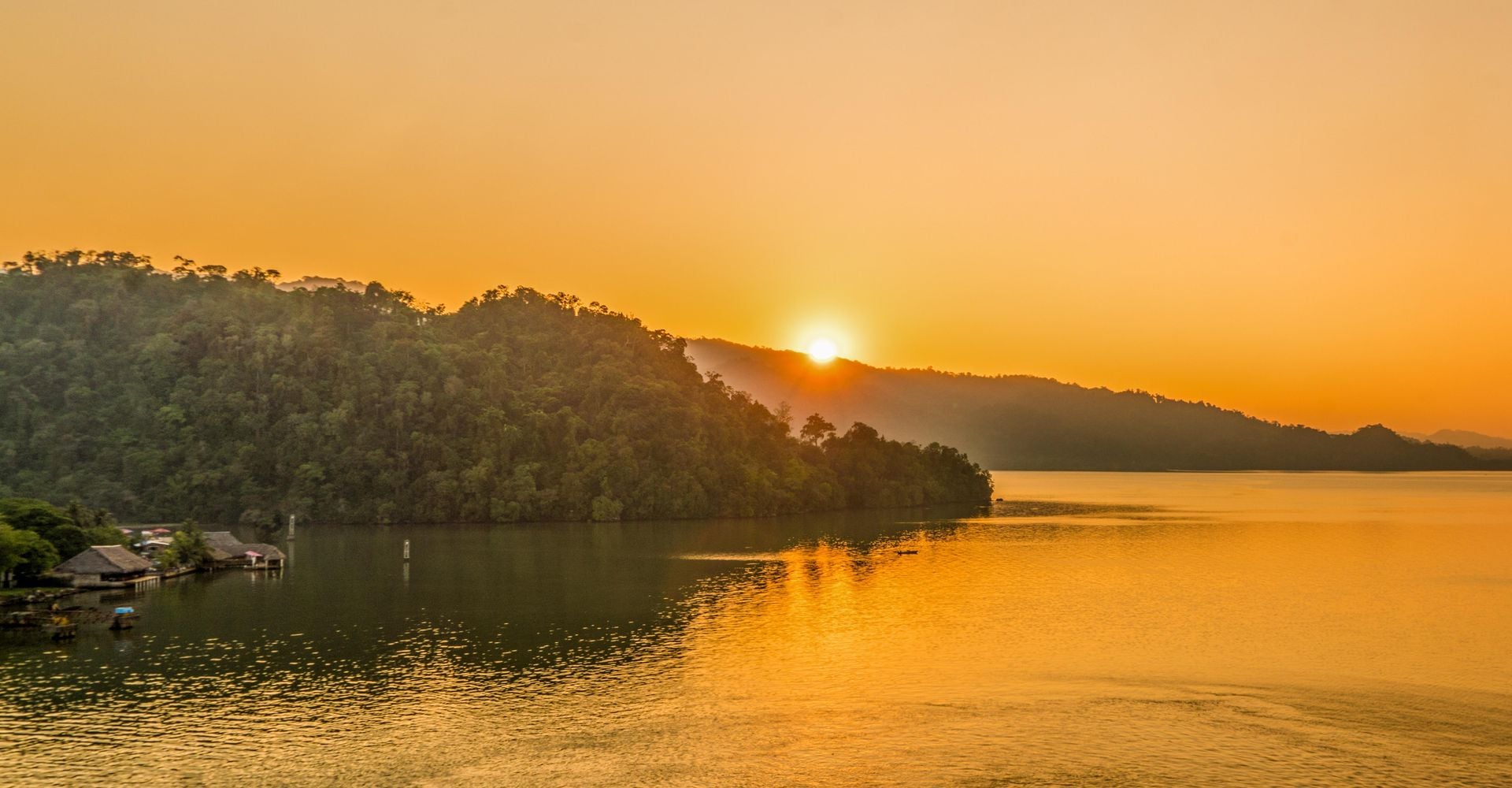
Eastern Guatemala shows a side of the country you will not find in the highlands or colonial cities. The pace tilts toward the Caribbean, with heavy heat, slow evenings, and daily life shaped by wide rivers instead of plazas and markets. Time on the Río Dulce or along Lake Izabal lets you glide past steep jungle banks, listen to howler monkeys in the trees, and watch small fishing boats move quietly across the water at dusk.
Walking through the old stone fortress where the lake narrows into the river gives a tangible sense of frontier history, softened by vines and moss rather than glass cases. You leave with strong impressions of water, humidity, and dense greenery that cut through the monotony of long overland journeys and add a different texture to a wider Guatemala trip.

Fortress Castillo de San Felipe de Lara looking over Izabal Lake in Guatemala © Shutterstock
Who is Eastern Guatemala best for?
You'll probably enjoy eastern Guatemala if you like quiet stopovers rather than packed sightseeing days. It works well for travelers piecing together longer overland routes between Guatemala and neighboring countries who appreciate a night or two in a simple riverside town or near the water.
Independent travelers, couples, and small groups comfortable with basic services and hot, humid weather often find this region a relaxing pause. If you prefer low-key evenings, watching daily life on the river, and adding variety to a broader Guatemala journey without a tight schedule, this area can fit nicely.
You may prefer another destination if you want a classic first-time introduction to Guatemala with iconic ruins, famous lakes, or polished colonial centers. Families needing lots of structured activities, travelers seeking intensive cultural visits in a compact area, or anyone expecting extensive luxury options and lively nightlife will likely feel limited here.
In those cases, spending more time in Antigua, Lake Atitlán, or the highlands usually works better, using the east only as a brief connection if needed.
How does the east of Guatemala fit into an itinerary?
The east of Guatemala usually acts as a short connective section of your route rather than the main focus. Many travelers pass through when linking Guatemala City or Antigua with Honduras or El Salvador, using a night or two here to break long overland stretches. It often falls in the middle or latter half of your holiday, after time in the highlands and colonial centers, before you continue toward regional borders.
Most plans treat the area as part of a wider road- or shuttle-based journey, with one or two overnight stops instead of a single long stay. You might move steadily eastwards, overnighting by the river or lake, then continue by road or boat toward your next country or back to central Guatemala. This structure lets the pace slow briefly for a day or two, then pick up again as you rejoin main highways, making the east a flexible linking piece within a tailor-made trip.
Trips that include the East
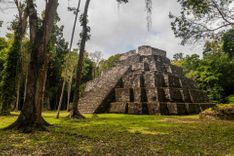
The Guatemala adventure tour: Mayan expedition connects Antigua, Lake Atitlán, and the northern jungle with the archaeological sites and river landscapes of eastern Guatemala. At Quiriguá, travelers explore carved monuments and zoomorphs, including Stela C, which offers insight into the Maya calendar.
A Río Dulce cruise passes tropical vegetation and canyon walls, stopping at the Isle of Birds, the Kekchi Maya community of Ak Tenamit, and natural hot springs before reaching Livingston, known for its Garífuna culture, Punta music, and Caribbean cuisine.
To explore the region at a comfortable pace, our local experts can allow more time at Quiriguá's carved monuments or along the Río Dulce, balancing archaeological visits with the river cruise.

Guatemala, Livingston, Garifuna village © Francky38/Shutterstock
How many days do you need?
Travelers usually spend one or two days crossing eastern Guatemala rather than settling in one spot. This is enough time for an overnight pause on the Rio Dulce or Lake Izabal, with a short boat ride or sunset walk to break up longer road journeys.
Those with three days can add an extra riverside town or a second overnight, keeping transfers shorter and the pace more relaxed without turning the region into the focus of the trip.
| Days | Suggested route | Ideal pace |
|---|---|---|
| 1 day | Guatemala City/Antigua - Rio Dulce - onward by road | Simple stopover with one short activity |
| 2 days | Guatemala City/Antigua - Lake Izabal - Rio Dulce | Unhurried transfers and a half-day on the water |
| 3 days | Guatemala City/Antigua - Lake Izabal - Rio Dulce - border | Very relaxed, ideal for breaking up long overland routes |
Adding extra days lets you explore more small towns, fit in additional boat trips, and enjoy slower evenings by the water before continuing your journey east or south.
Best region combinations
A classic combination links Antigua, Lake Atitlán, and the east, traveling west to east. This works well for first-time visitors who want colonial streets and volcanic scenery before a quieter riverside pause on the way toward Honduras or El Salvador.
Another option pairs Guatemala City, the east, and Copan in Honduras. Traveling in this order keeps logistics simple, with most overland sections taking four to six hours, and suits travelers focused on efficient border crossings with one easygoing night by the river.
Some itineraries combine the highlands around Quetzaltenango, Antigua, and the east, gradually descending from cool mountains to humid lowlands. This progression suits travelers interested in noticing how landscapes, temperatures, and local life shift across Guatemala as they move toward the Caribbean side.
When is the best time to visit Eastern Guatemala?
November to April is generally the best time to visit Guatemala for travelers exploring Eastern Guatemala, with drier weather, clearer river views, and more reliable conditions for boat trips and longer road journeys. These months also work well when linking the region with Antigua, Lake Atitlán or neighboring Honduras.
From May to October, heavier rain makes the landscape greener and rivers more atmospheric, though sudden showers and occasional road delays are more likely. Crowds remain relatively light year-round, so flexible timing is usually more important than avoiding peak periods.
Livingston
Experiences to include in Eastern Guatemala
Eastern Guatemala works best as a scenic pause on longer journeys, with time on the water, short outings along rivers and lakes, and low-key evenings in small towns rather than intensive sightseeing.
Drift along the Río Dulce by boat
A half-day boat trip between Fronteras and Livingston reveals steep jungle-clad gorge walls, pelicans and herons, and simple riverside villages. It suits couples and independent travelers who value quiet scenery and serves as a gentle break between road transfers.
Unwind by Lake Izabal
Lake Izabal ranks among the top attractions in Guatemala for its peaceful waterfront setting, warm water and relaxed lakeside stays. Spend a night near Mariscos or El Estor to enjoy sunset views and a slower pause between longer travel days.
Explore Castillo de San Felipe de Lara
An hour or two at Castillo de San Felipe de Lara adds a sense of history to a practical transit route, with stone ramparts overlooking where Lake Izabal narrows toward the Río Dulce. It provides an easy leg-stretcher between longer driving days.
Pause in the riverside town of Fronteras
A stop in Fronteras (Río Dulce town) lets you grab lunch, walk the bridge for views over moored boats, and arrange onward river transport. It works well for independent travelers needing a practical, low-key base for one night in transit.
Experience Garifuna culture in Livingston
If your route allows, an overnight in Livingston at the Río Dulce's Caribbean mouth brings Garifuna music, coastal walks, and tapado seafood stew. It suits flexible travelers comfortable with basic services who want a brief taste of Guatemala's Caribbean side.
Soak in hot springs near El Estor
With extra time, visit the hot springs near El Estor, where warm mineral water trickles into riverside pools. It is a relaxed couple of hours for those who enjoy simple, low-key nature stops before continuing toward Honduras or back to the highlands.
Planning Eastern Guatemala with local expert tips
Eastern Guatemala is a transition zone between the highlands and the Caribbean, bringing together tropical river scenery, Maya archaeology, and towns shaped by Garifuna culture. Guatemala travel experts can make the east a purposeful part of a wider route, particularly when you are traveling toward Honduras or Belize rather than returning to the capital after every stop.
Where to stay in Eastern Guatemala
Río Dulce makes a useful base for exploring the river and surrounding tropical landscape, with waterfront lodges offering a peaceful alternative to staying in town. Farther downstream, Livingston has a distinctly Caribbean character and is reached by boat, making an overnight worthwhile when you want time for its Garifuna culture and coastal atmosphere.
Near the Honduran border, the area around Quiriguá can be incorporated for its important Maya archaeological site, although most travelers will not need a separate hotel there. Guatemala local experts can decide whether to concentrate your nights around Río Dulce or include Livingston as a second base, depending on whether river scenery, cultural experiences, or onward travel toward another country is the stronger priority.
How transportation can be arranged
Eastern Guatemala combines road and river travel particularly well. Private vehicles connect the region with Guatemala City and destinations farther west, while boats travel along Río Dulce toward Livingston and the Caribbean. The river journey itself is part of the experience, passing through tropical vegetation and steep-sided sections before reaching the coast.
Quiriguá can often be visited while traveling through the region rather than requiring a separate return excursion. Guatemala local specialists can link the east with Petén, the Honduran border, or Belize according to the wider itinerary. For example, they can bring you overland from central Guatemala, incorporate Quiriguá, continue to Río Dulce, and then use boat transportation for the final approach to Livingston.