The Yucatán region in Mexico combines Maya archaeological sites, cenote swimming, and compact colonial cities in a small, easy-to-navigate area. Short distances between hubs such as Mérida, Valladolid, and major ruins reduce travel time and simplify logistics compared with more spread-out regions.
It suits travelers planning a culture-focused journey with light outdoor activities and limited driving rather than intensive hiking or frequent hotel changes. Yucatán usually forms the slower-paced cultural section within a broader Mexico route, often paired with Quintana Roo's beaches, Campeche's quieter towns, or overland links toward Chiapas.
Why visit Yucatán?
Yucatán stands out in Mexico for its rare mix of serene Maya ruins, freshwater cenotes, and lively yet unhurried colonial cities, all packed into a small, easily explored region. Here you can float in crystal-clear sinkholes beneath shafts of jungle light in the morning, then listen to evening bells ring across a pastel-colored plaza a short drive away.
The peninsula's dry forests hide ancient observatories and pyramids where you can sense how closely daily life once followed the stars. In the villages, hand-woven hammocks, slow-cooked cochinita pibil, and street-corner trova music offer a deeply local rhythm that feels far from Mexico's big-city energy.
You leave Yucatán with the memory of cool limestone underfoot, the sound of birds at dawn over old stone temples, and the taste of citrusy, chile-rich dishes lingering on your palate.
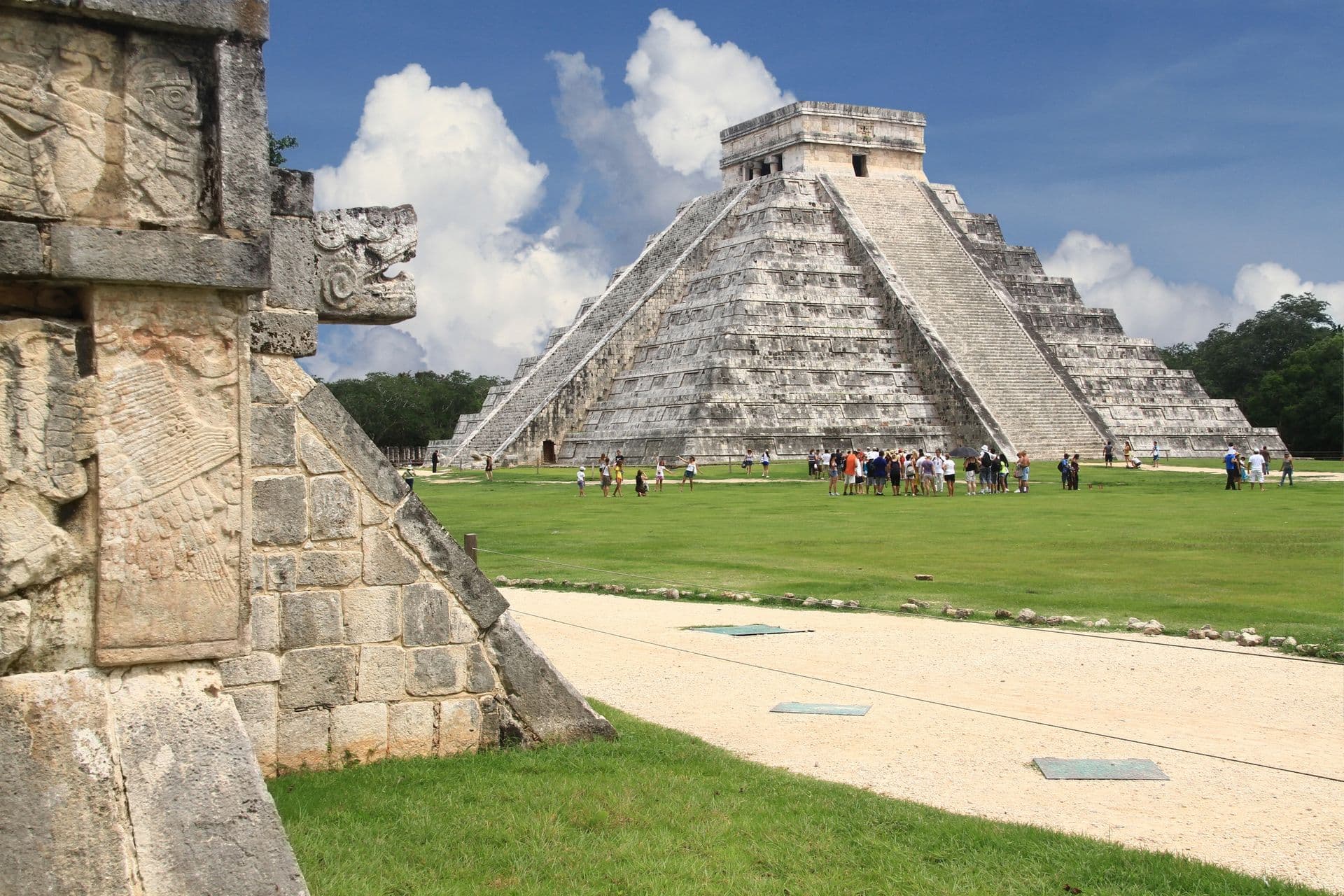
Chichen Itza snake and Kukulkan Mayan temple pyramid, Mexico, Yucatan
Who is Yucatán best for?
You’ll probably enjoy Yucatán if you like weaving gentle exploration into your days rather than ticking off intense "must-do" activities. It works particularly well for travelers who want culture-forward trips with manageable drives, such as curious first-timers to Mexico, multi-generational families, and couples who prefer evenings in characterful towns over nightlife.
Food lovers, photographers, and history enthusiasts tend to get the most out of time here, especially those who appreciate slow mornings, local markets, and unhurried visits to archaeological sites. If you like to mix light swimming or short walks with time in plazas and cafés, this style of trip usually fits.
You may prefer another destination if your ideal break is defined by all-inclusive beach resorts, a packed bar scene, or back-to-back high-adrenaline adventures. Travelers looking for extensive mountain hiking, long road trips through varied terrain, or big-city buzz might be happier focusing on other parts of Mexico or combining Yucatán with more urban or beach-heavy stops.
How does Yucatán fit into an itinerary?
Yucatán usually serves as the slower-paced cultural section of a wider Mexico route, often added after beach time on the Caribbean coast or before more rugged travel in Chiapas or Campeche. Many travelers use Mérida or Valladolid as entry or exit points, structuring their plans around short hops between towns rather than one continuous stay.
Because distances are compact, it fits naturally into self-drive holidays, with circular routes that loop between a couple of hubs before continuing to Quintana Roo or flying onward from Mérida or Mexico City.
For most plans, allocating three to six days here creates a clear shift in pace between coastal or big-city sections. Yucatán generally works best as part of a road trip with two or three bases instead of a single extended stop, giving your itinerary a gentler middle section where drives stay brief and daily plans remain flexible.
Trips that include Yucatán
The Mexico self-drive trip: the Yucatán explores Valladolid's Convent of San Bernardino de Siena and Cathedral of San Gervasio, followed by a boat excursion at Río Lagartos and a visit to the pink lake at Las Coloradas.
The Tomb Raider-inspired Mexico adventure tour visits Valladolid and the ancient Maya site of Ek Balam, exploring its temples and Pok Ta Pok ball court before a wildlife boat tour through Ría Lagartos Reserve.
The Ultimate Mexico trip: from city to coast combines Mexico City and Puerto Escondido with Valladolid's markets, an optional visit to Ek Balam, and a guided tour of Chichén Itzá, including El Castillo and the Great Ball Court.
For a taste of Yucatán's culinary traditions, our local experts can make more time for Mérida's markets and regional dishes, adding local flavors to your itinerary.
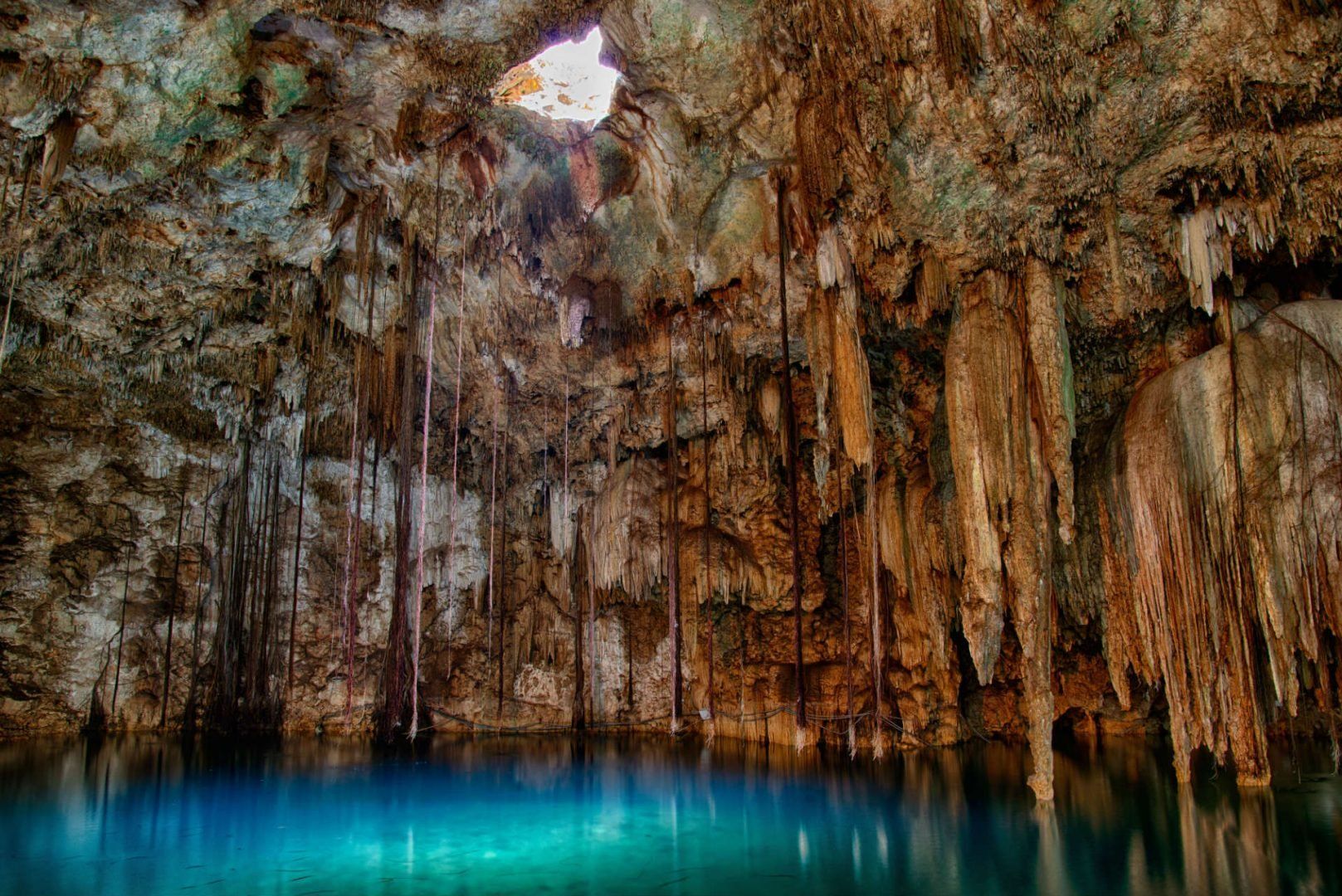
Cenote. Yucatan, Mexico
How many days do you need?
Most travelers give Yucatán three to six days within a longer Mexico itinerary, using a couple of bases rather than moving every night. This allows time to balance site visits with slow evenings in plazas and cafés.
With three days, many visitors focus on Mérida and one nearby day trip. Four to five days comfortably adds a second base such as Valladolid for cenotes and smaller towns. A full week lets you include quieter villages and less-visited ruins without rushing drives.
| Days | Suggested route | Ideal pace |
|---|---|---|
| 3 days | Mérida base with one day trip | Sample key highlights |
| 4-5 days | Mérida + Valladolid | Balanced, unhurried |
| 6-7 days | Loop via Mérida, Valladolid and smaller towns | Slow exploration with free time |
Adding extra days opens up more villages, cenotes, and archaeological sites, and gives space for spontaneous stops at markets or roadside eateries.
Best region combinations
Yucatán pairs naturally with Quintana Roo's Caribbean coast, linking Mérida and Valladolid with beach towns like Tulum or Puerto Morelos for a mix of culture and sea time.
Combining Yucatán with Campeche works well for travelers who enjoy quieter colonial cities and less-visited ruins, often following a Mérida-Campeche-Valladolid arc.
More active travelers might link Yucatán with Chiapas, traveling from Mérida toward Palenque and San Cristóbal de las Casas for denser jungle and hill-town scenery.
For those curious about big-city life, adding a stop in Mexico City before or after Yucatán provides museums and urban food experiences that contrast with the peninsula's slower rhythm.
When is the best time to visit Yucatán?
Late November to March is generally the best time to visit Mexico for travelers exploring Yucatán, with warm days, lower humidity and comfortable conditions for plazas, cenotes and archaeological sites. This is also peak season, so popular attractions can be busier.
April and May are hotter, making early starts especially useful. From June to October, heavier rain and tropical storms are more likely, but the landscapes are greener and crowds thinner, with flexible day trips and shaded stops helping during unsettled weather.

Tulum, Yucatan, Mexico @ Shutterstock
Experiences to include in Yucatán
Yucatán’s highlights cluster within short drives, making it easy to mix Maya history, cenotes, and characterful towns in a few days. These experiences complement a wider Mexico trip with culture-focused days and relaxed evenings rather than high-adrenaline activities.
Explore Mérida’s historic center and evening plazas
Base yourself near Mérida’s Plaza Grande to wander pastel streets, visit the Catedral de San Ildefonso, and sample regional dishes around Parque de Santa Lucía. Allow at least two nights for cooler evening strolls, live music in the squares, and unhurried market browsing between day trips.
Combine Chichén Itzá with cenotes near Valladolid
Chichén Itzá ranks among the top attractions in Mexico and pairs naturally with an afternoon swim at Cenote Ik Kil or Cenote Saamal. Staying one or two nights in Valladolid adds time for colorful colonial streets, quieter plazas and relaxed evenings after visiting the ruins.
Visit Uxmal and the Puuc Route haciendas
Spend a day exploring the pyramid silhouettes and detailed facades at Uxmal, then detour to nearby sites like Kabah or a restored estate such as Hacienda Yaxcopoil. This area suits travelers who value atmospheric ruins, gentle walks, and a deeper look at regional history.
Swim and relax at cenotes near Homún and Cuzamá
Set aside half a day or more for cenotes around Homún and Cuzamá, choosing two or three sinks such as Cenote Santa Rosa or Cenote Chelentún. Calm water, shaded entrances, and short drives make this ideal for families and travelers seeking low-key outdoor time.
Stroll Izamal’s yellow streets and convent
Stop in Izamal to climb the platform of Kinich Kakmó and walk the arcades of the Convento de San Antonio de Padua. A few unhurried hours here, often en route between Mérida and Valladolid, add a compact blend of Maya and colonial heritage to a regional loop.
Sample Yucatecan cuisine in mercados and cantinas
Dedicate a relaxed lunch in Mérida’s Mercado Lucas de Gálvez or an evening in traditional cantinas to try cochinita pibil, sopa de lima, and panuchos. This suits food-focused travelers who prefer lingering over plates and people-watching rather than rushing between multiple sights.
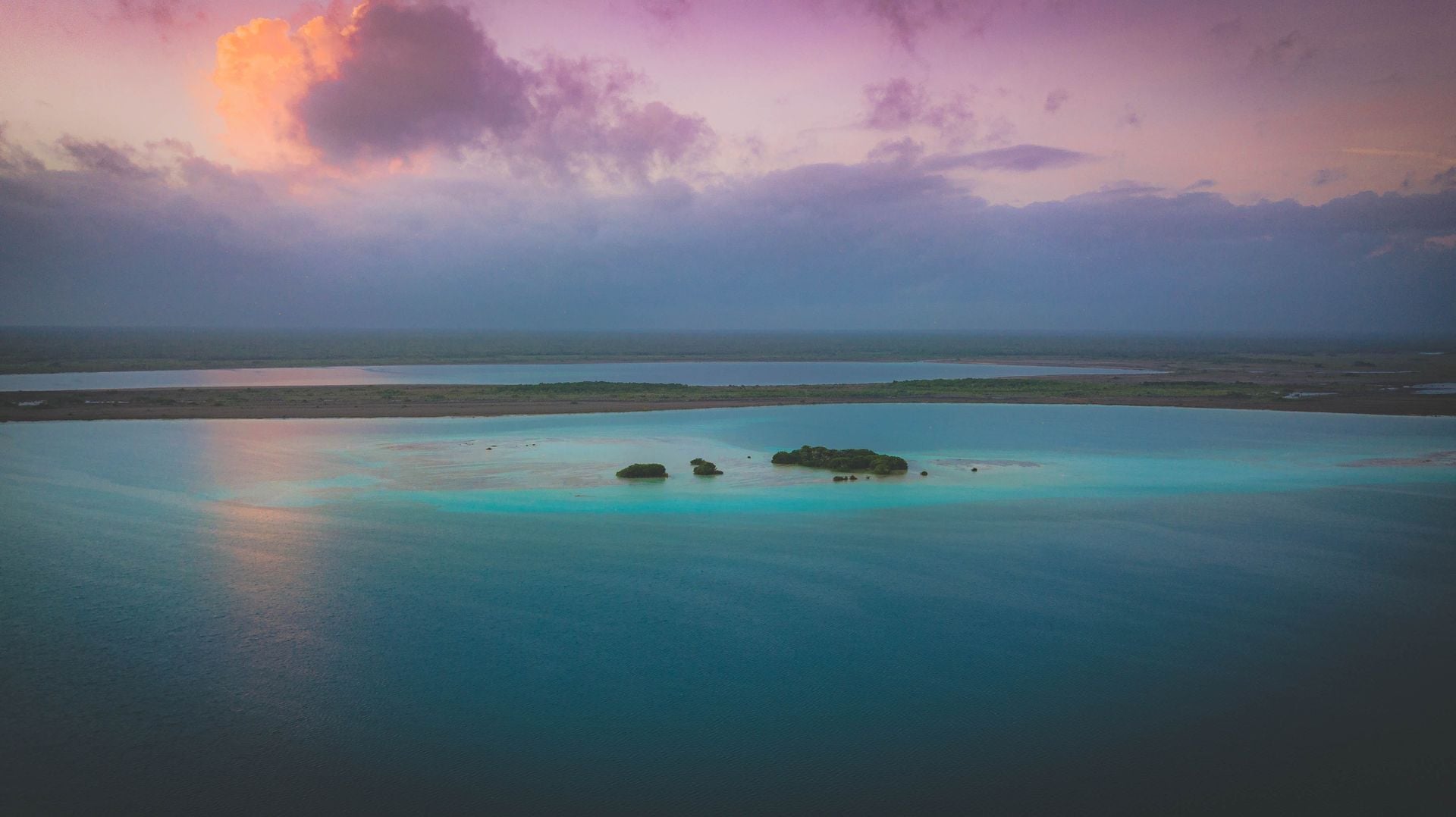
Yucatan shoreline
Planning Yucatán with local expert tips
Yucatán combines Maya cities, cenotes, colonial towns and Gulf coast nature reserves across a peninsula where the most rewarding places are often separated by several hours on the road. Mexico travel experts can shape a route around archaeology and local culture while resisting the temptation to include every ruin or colonial stop simply because it appears nearby on the map.
Where to stay in Yucatán
Mérida makes a strong anchor for the region, with historic architecture, markets, and restaurants as well as access to archaeological sites and smaller towns. Valladolid is more compact and places you conveniently for Chichén Itzá and cenotes in the eastern peninsula, making an overnight useful when you want to reach popular sites before the busiest part of the day.
Travelers heading toward the Gulf can add a coastal stay for wildlife and a slower pace, rather than treating every night as another cultural stop. Mexico local experts can balance Mérida with one contrasting base, choosing Valladolid for archaeology or the coast for nature, while leaving enough time to enjoy each place beyond its principal sights.
How transportation can be arranged
Yucatán lends itself to a progressive overland journey, particularly when Mérida, archaeological sites, cenotes, and colonial towns are combined. Private road transportation allows stops to be folded into transfer days, so a journey between bases can include a ruin or swimming stop instead of consuming a separate day. Rail connections can also suit selected routes across the peninsula, depending on your exact itinerary and current schedules.
Mexico local specialists can arrange an arrival in Mérida and a gradual journey east toward Valladolid and the Caribbean side of the peninsula, or reverse the direction if your flights work better that way. Your route can then be adjusted around the archaeological sites you most want to see and the amount of time you prefer to spend on the coast.
.png)