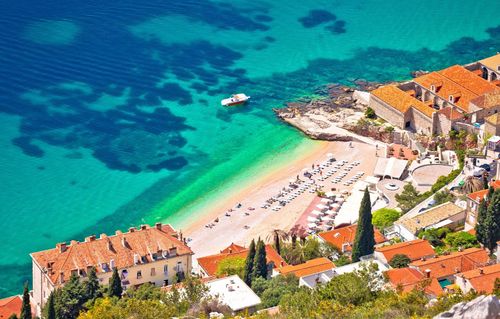
The Istrian coast is one of Croatia's more convenient seaside bases, with compact Venetian-influenced towns, solid road connections, and quick access to both beaches and inland hill villages. Compared with southern Dalmatia's island-hopping focus, it suits travelers who prefer staying in one place and using day trips instead of frequent hotel changes.
This region usually complements itineraries that also include Zagreb, Plitvice, or the Dalmatian coast, acting as a calmer coastal segment between busier city or island stays. It works best for travelers prioritizing a mix of swimming spots, walkable historic centers, and food-focused excursions, with manageable driving times and a broad range of small hotels and apartments.
Why visit the Istrian coast?
The Istrian coast blends Adriatic seaside life with a distinctly Italianate flair that you will not find elsewhere in Croatia. Medieval Venetian bell towers rise above working harbors, where fishing boats bring in the seafood that anchors Istria's slow-food culture, paired with local Malvazija and Teran wines.
Inland is close at hand: in a single afternoon you can leave the waterfront, follow truffle-rich forest lanes, and taste olive oils at small family estates before returning to stone-built coastal towns at dusk. Roman heritage is unusually tangible here, from grand amphitheaters and temples to mosaics tucked inside modest churches.
This tight layering of Roman, Venetian, and contemporary Croatian life, together with effortless movement between sea and countryside, offers a grounded, everyday Mediterranean atmosphere distinct from Croatia's southern islands and resort strips.

Pula, Istrian coast, Croatia @ Shutterstock
Who is the Istrian coast best for?
You will probably enjoy the Istrian coast if you like settling into one base and exploring at an unhurried pace. It works well for couples who enjoy wandering characterful streets, sharing long meals, and mixing light sightseeing with sea time. Families who prefer apartments to big resorts and value easy driving access to beaches and low-key day trips also tend to feel comfortable here.
Travelers drawn to food and wine, especially those curious about local vintages, truffles, and olive oil, usually find plenty to keep them engaged. Active visitors who like self-guided walks, relaxed cycling between villages, or casual swims from rocky coves rather than organized adventure sports are also well matched.
You may prefer another destination if you want a classic beach-resort setup with long sandy strands, big pool complexes, and nightlife on your doorstep. Island-hopping fans who enjoy a new harbor every night might be happier focusing on islands such as Krk or Cres, or on livelier southern coastal hubs where ferries, beach clubs, and late-night bars are central to the experience.
How does the Istrian coast fit into an itinerary?
The Istrian coast is usually woven into a wider Croatia route that also includes Zagreb, the Plitvice Lakes region, and often the southern Dalmatian coast or nearby Slovenian and Italian cities. Travelers typically arrive by road from Zagreb, Ljubljana, or Trieste, using Istria as the coastal segment that contrasts with inland national parks or island stays further south.
It often works either as a gentle opening chapter, giving you time to settle into one base, or as a slower finale after a faster-paced sequence of city visits and island-hopping. Because you can cover a lot by day trip while sleeping in the same place, stays of three to five nights are common, with some travelers extending to a full week.
Building in this pause on the Istrian coast slows the cadence of your holiday, cuts down on one-night stops and long transfers, and creates a more relaxed rhythm between more intensive sections elsewhere in Croatia.
Trips that include Istrian Coast
The Coastal Croatia road trip from Istria to Dalmatia begins with a private transfer from Pula Airport to Rovinj, where travelers can explore cobbled streets, Venetian-style houses, and the colorful harbor at their own pace. A full day in Rovinj offers time for waterfront cafés and piazzas before a private sunset cruise with local wine on board. A guided excursion to Istrian hill towns includes truffle hunting near Motovun, before the journey continues through Plitvice Lakes, Zadar, and Split to Dubrovnik.
For a more leisurely stay on the Istrian Coast, our local experts can allow extra time in Rovinj for browsing art galleries or swimming in the Adriatic.

View of Moored Boat and the Old City in Rovinj, Croatia © Rolf E. Staerk/Shutterstock
How many days do you need?
Most travelers give the Istrian coast at least three nights, using one base to explore Rovinj, Porec, Pula and nearby hill towns on relaxed day trips. With one full day, you can stroll a single town, swim from nearby rocky coves and enjoy a long seaside dinner, but you will only get a snapshot.
Two nights let you sample two coastal centers and an inland village. Three to four nights add time for a full-day inland drive, a boat trip, or vineyard and olive-oil visits without rushing.
| Time | Recommended focus |
|---|---|
| Half day | Old-town walk and coffee in one coastal town |
| One day | Explore one coastal town plus a short swim stop |
| One night | Sunset walk, old-town dinner, relaxed morning coffee |
| Two nights | Two coastal towns plus one inland viewpoint village |
| Three-four nights | Broader coastal coverage, inland food-and-wine day |
Additional days mainly deepen food, wine and slow-exploration time rather than adding many new headline sights.
Best region combinations
A classic route from Zagreb runs via Plitvice Lakes National Park to the Istrian coast, then down to Zadar or Split. This works well for first-time visitors, mixing capital-city culture, lakeside walks and relaxed coastal days; allow about 3-4 hours drive between each leg, with the Istrian coast best as a three- to five-night stay.
Another option is to combine Trieste in Italy with coastal Istria, especially around Umag and Novigrad, with under two hours driving and Istria as the longer base.
Pairing the Istrian coast with the islands of Cres or Krk gives a contrast between compact towns and quieter island landscapes, linked by ferries and road bridges in roughly 2-3 hours door to door; here, Istria usually serves as the more comfortable, well-serviced overnight hub.
When is the best time to visit Istrian coast?
Beach and sea conditions are best from late May to late September, when the Adriatic is warm enough for long swims and boat trips operate regularly. July and August bring the hottest weather, busier roads and crowded historic centers, so itineraries often slow down with more local swims and longer evening meals. In June and September, the sea is usually pleasant, days are sunny and crowds lighter, ideal for combining coastal stays with inland drives and cycling.
Spring and October suit travelers prioritizing hill villages, truffle season and winery visits over swimming; the sea is cooler, but roads are quieter and accommodations often better value. Winter can feel very sleepy, with some seasonal restaurants and boat services reduced, so routes then lean toward city time in Zagreb, Trieste or Rijeka with just a short Istrian stop for coastal walks and empty town squares.

Ancient town of Buzet with a bell tower and old buildings flying above the clouds. Unusual landscape of a tourist destination in Istria, Croatia © Mny-Jhee/Shutterstock
Experiences to include in the Istrian coast
These experiences highlight the most rewarding ways to spend time on the Istrian coast, from coastal walks and historic towns to inland wine roads and truffle woods, helping you choose a few memorable days rather than ticking off every sight.
Sunset wandering in Rovinj’s old town and harbor
Allow half a day to climb from Rovinj’s harborfront alleys up to St. Euphemia Church, pausing at viewpoints over nearby islands before a long seafood dinner on the waterfront. This suits couples and photographers who enjoy atmospheric streets more than formal sightseeing.
Exploring Roman heritage in Pula
Dedicate a half or full day in Pula to walk between the Amphitheatre, the Forum, and the Temple of Augustus, seeing how Roman remains blend with working city life. It suits history-minded travelers and families who prefer compact, walkable urban centers.
Driving the coastal towns between Poreč and Novigrad
Spend a day following the coast road between Poreč and Novigrad, stopping for swims at pebbly coves, coffee on Poreč’s waterfront, and sunset in Novigrad’s marina. This scenic route suits self-drivers looking for a relaxed loop rather than a fixed beach day.
Wine and hill-village tasting around Motovun and Grožnjan
Reserve at least half a day to drive inland to Motovun and Grožnjan, combining cellar tastings with views over vineyards and forests. This particularly suits food and wine travelers who enjoy unhurried lunches, short walks, and meeting small family producers.
Truffle and forest experiences in the Mirna Valley
Plan a half-day in the Mirna Valley around Livade for a truffle-focused meal or a guided truffle hunt in nearby woods. It appeals to curious food lovers and families, offering a playful, hands-on way to understand one of Istria’s signature ingredients.
Boat trips and swimming around the Brijuni Islands
Allow most of a day for an organized boat excursion from Fažana to Brijuni National Park, combining gentle walks, swimming spots, and guided island tours. It suits travelers who like easy-paced nature, light history, and structured logistics rather than independent hiking.

Motovun
Planning the Istrian Coast with local expert tips
The Istrian Coast combines Venetian influenced towns, rocky Adriatic coves, fishing harbors and easy access to the vineyards and hill towns of inland Istria. Croatia travel experts can help choose a coastal base that suits your pace, then weave countryside visits into the stay without turning each day into a long drive.
Where to stay on the Istrian Coast
Rovinj is an appealing choice for atmosphere, with a compact old town, waterfront restaurants, and beaches within easy reach. Poreč offers a lively center and important historic architecture, while Pula combines Roman heritage with useful transport connections in southern Istria.
Travelers looking for a quieter coastal stay can consider smaller communities away from the main resort centers. The choice matters because each base creates a different rhythm. Croatia local experts can favor Rovinj for romantic evenings and dining, Pula for archaeology and southern excursions, or a smaller seaside property when relaxation takes priority.
One coastal base is usually sufficient, leaving more time for day trips into the Istrian interior rather than repeatedly moving between nearby towns.
How transportation can be arranged
Pula Airport is the main air gateway for the peninsula, although flight schedules vary considerably by season. Road transportation offers the greatest freedom once in Istria, particularly for combining the coast with inland places such as Motovun, Grožnjan and the surrounding wine country. Buses connect the principal towns, but they are less convenient for rural stops and smaller producers.
Croatia local specialists can arrange a driver for selected countryside days while leaving coastal towns to be explored on foot. They can also build Istria into a wider Croatia itinerary, choosing whether to continue toward Rijeka and the Kvarner region or connect south toward Dalmatia according to your available time and departure plans.
.jpg)