The lower Yangzi region in China focuses on the delta around Shanghai, Suzhou and Hangzhou, where dense cities, historic canals and major transport hubs sit close together. It stands out from other parts of the country by combining easy high-speed rail links, short transfers and a wide choice of comfortable hotels with classic sights and straightforward logistics.
This area works well for first-time visitors who want to balance urban exploring, historic water towns and light countryside without long internal flights. It typically forms the core or starting point of a longer China itinerary, before or after trips to Beijing, Xi'an, the interior provinces or the south.
Why visit the lower Yangzi region?
The lower Yangzi region stands out in China for its rare blend of ultra-modern skylines, classical canal towns and poetic lakeside scenery within an easy travel radius. Nowhere else in the country lets you move so smoothly from neon-lit waterfronts to centuries-old stone bridges and quiet gardens in a single day.
It is worth making time for if you want to feel how historic Jiangnan culture - of silk, scholars and canals - shapes today's fast-paced urban China. You might drift along narrow waterways at dusk, sip tea in a shaded courtyard, then end the evening overlooking a glittering city riverfront.
The lasting impression is of contrasts that feel seamless rather than jarring: refined, slow-paced moments framed by some of the country's most dynamic and accessible cities.
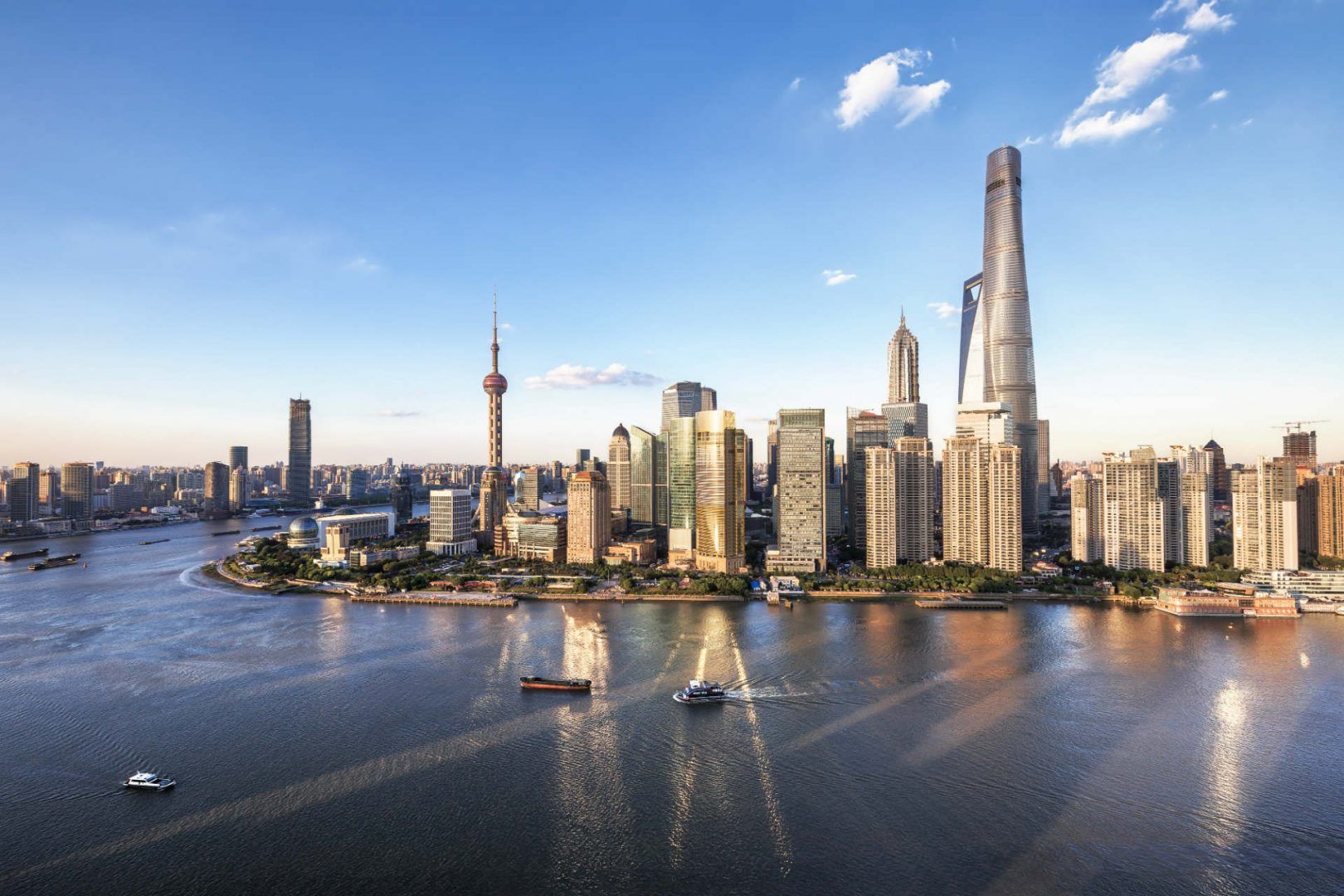
Lujiazui Financial District, Shanghai, China @ Shutterstock
Who is lower Yangzi region best for?
You will probably enjoy the lower Yangzi region if you like combining big-city energy with slower-paced cultural moments. It works especially well for first-time visitors to China who appreciate clear logistics, comfortable hotels, and the option to add or remove day trips easily.
Families and multi-generational groups often value the short travel times between stops and the flexibility to mix light sightseeing with downtime. Couples looking for atmospheric evenings in historic districts, canal-side walks and refined dining also tend to find this region a good fit.
It can also appeal to business travelers adding a few extra days, as well as culture-focused visitors interested in gardens, traditional crafts and local food.
You may prefer another destination if you want remote trekking, high mountains or wilderness-focused adventures, since this area is more urban and gently rural. Beach-centered holidays and resort stays are better found on China’s coast or islands.
Travelers seeking very low budgets and rough, off-the-beaten-path experiences might feel more rewarded in inland provinces with simpler infrastructure and fewer established routes.
How does the lower Yangzi region fit into an itinerary?
The lower Yangzi region most often forms the central, easy-travel section of a longer route through China. Many travelers start or end in Shanghai, then link north to Beijing, west towards Huangshan or inland provinces, or south to Guilin and the southeast coast. Within your itinerary, this area typically follows an initial burst of big-city sightseeing or precedes more intensive overland sections, helping to rebalance the pace with shorter transfers and flexible day trips.
On a 10-14 day holiday, travelers commonly allocate three to five nights across one or two hubs such as Shanghai, Suzhou or Hangzhou, using high-speed rail to add side excursions rather than moving hotels every night.
The region works best as a connected chain of city bases rather than a continuous road trip, with your route planned so that each leg is a straightforward rail hop. Local input can help decide where to linger and how many stops to include so the flow of your journey feels calm rather than rushed.

The world's most fascinating streets: Pingjiang Road, Suzhou, China
How many days do you need?
Most travelers allow several days to move between the main cities and surrounding water towns, rather than basing themselves in a single place. Shorter trips focus on one or two hubs with carefully chosen day excursions, while longer itineraries build in slower walks, evening riverfronts and extra time for gardens, museums or boat rides.
| Days | Suggested route | Ideal pace |
|---|---|---|
| 3-4 days | Shanghai with a half- or full-day trip to a nearby water town such as Zhujiajiao or Tongli | Compact overview, suited to first-time visitors on a tight schedule |
| 5-7 days | Shanghai, Suzhou and a canal town, or Shanghai-Hangzhou with one water town stop | Balanced pace with time for key sights and unhurried evenings |
| 8-10 days | Shanghai, Suzhou, Hangzhou and one or two water towns | More relaxed, with scope for extra gardens, lake cruises and neighborhood walks |
Adding days lets you include both Suzhou and Hangzhou, explore smaller canal towns, and factor in quieter early-morning or evening visits instead of rushing between landmarks.
Best region combinations
The lower Yangzi region combines naturally with Beijing, creating a classic route that links imperial landmarks with modern skylines; many travelers start in Beijing, then take the high-speed train south via Shanghai and nearby water towns.
Pairing the region with Huangshan works well for those who want gentle city days plus dramatic mountain scenery, usually Shanghai-Hangzhou-Huangshan.
Xi'an combines smoothly with Shanghai on trips focused on China's historical highlights, ideal for first-time cultural travelers.
For more varied landscapes, some itineraries link Shanghai, Suzhou or Hangzhou with Guilin and Yangshuo, suiting visitors who want both canal towns and karst countryside.
Another option is to continue from Shanghai to Fujian's coastal cities, appealing to travelers interested in contrasting river deltas with more traditional coastal architecture.
When is the best time to visit lower Yangzi region?
The best time to visit China for the Lower Yangzi region is during spring, from March to May, or fall, from late September to November. Mild temperatures make gardens, lakes and historic districts more comfortable to explore on foot. These seasons are popular, so early-morning or evening visits can help avoid the busiest periods.
Summer brings heat, humidity and heavier rain, but longer daylight hours suit evening riverfront walks and night views. Winter is quieter and often atmospheric in old streets and temples, although days are shorter and skies can be gray.
Seasonal planning may favor shaded gardens, air-conditioned museums and slower evenings in warmer months. Cooler trips can place greater emphasis on walking historic neighborhoods and spending more time outdoors.

Nanjing Temple @ Shutterstock
Experiences to include in the Lower Yangzi region
The Lower Yangzi region combines historic cities, classical gardens and scenic waterways shaped by centuries of trade and culture. Its mix of modern energy and refined landscapes makes it a varied addition to a wider China itinerary.
Contrast Shanghai's riverfront with old laneways
Spending a day between the Bund and Lujiazui's skyline, then wandering the lanes around Yuyuan and Tianzifang, captures the region's core contrast. It suits first-time visitors and families who want big-city energy balanced with human-scale streets and easy dining.
Stroll classical gardens and canals in Suzhou
Allow at least a full day in Suzhou to pair a classical garden such as the Humble Administrator's Garden with walks or boat rides on the old canals. This suits culture-minded travelers who prefer refined scenery, short walks and gentle pacing over long drives.
Unwind by West Lake in Hangzhou
West Lake is one of the top attractions in China for waterside walks, short boat trips, teahouses and views of Leifeng Pagoda. Allow half a day or a full day to explore the lakeshore at an easy pace and stop at scenic viewpoints. The area suits couples, relaxed sightseers and multigenerational groups.
Drift through a historic water town
Visiting a canal town such as Zhujiajiao, Tongli or Wuzhen adds quieter streets, stone bridges and low-rise courtyards to a largely urban itinerary. A half- or full-day trip introduces traditional Jiangnan waterways without changing hotels or adding complex transport.
Explore evening skylines and river cruises
Night-time Huangpu River cruises in Shanghai or evening walks along Suzhou's Shantang Street show the lower Yangzi's neon reflections and lit bridges. Allow an unhurried evening; it suits visitors who enjoy photography, relaxed strolling and atmospheric views after daytime sightseeing.
Taste regional Jiangnan cuisine and tea
Setting aside meals for xiaolongbao in Shanghai, delicate Suzhou-style dishes or Longjing tea near Hangzhou's Meijiawu village deepens the trip beyond landmarks. Food-focused travelers and curious first-timers can weave these tastings into sightseeing days without extra travel time.

Yuyuan Garden Pagoda, Shanghai, China @ Shutterstock
Planning the Lower Yangzi region with local expert tips
The Lower Yangzi region brings together Shanghai, historic cities, canal towns and landscapes around major lakes and waterways. With fast rail connections between many centers, local experts can build the journey around a small number of worthwhile bases rather than turning every nearby city into another overnight stop.
Where to stay in the Lower Yangzi region
Shanghai often provides the main gateway, but cities such as Suzhou, Hangzhou and Nanjing have enough character to justify staying locally when they are important to your plans. Suzhou works particularly well for gardens and canals, while Hangzhou places you close to West Lake and the surrounding countryside.
Smaller water towns can sometimes be visited between larger bases instead of requiring another check in. Your local expert can judge where an overnight gives you useful time after day visitors have left and where it simply means repacking your luggage.
If Shanghai and Hangzhou are priorities, for example, the itinerary can give both proper stays while incorporating a smaller canal town into the journey rather than adding a string of brief hotel stops.
How transportation can be arranged
High speed rail is particularly useful in the Lower Yangzi region, with frequent connections between Shanghai, Suzhou, Hangzhou, Nanjing and other major cities. Private transfers can handle the sections between stations, hotels and smaller destinations that are less convenient by train. A local expert can coordinate reserved rail services with these road transfers, making it possible to travel efficiently without spending much of the day navigating transportation independently.
For water towns and countryside visits, a private vehicle may be preferable when several places are being combined. If your journey starts in Shanghai and continues west through the region, your expert can arrange the sequence around your chosen cities and finish at the rail station or airport that best fits the next part of your China itinerary.