Beijing is China’s political and cultural hub, with a dense concentration of historic sites, major museums, and modern infrastructure that is harder to find elsewhere in the country. It deserves a place in a multi-day itinerary if you want straightforward access to landmarks like the Forbidden City, Tiananmen Square, and nearby Great Wall sections, all linked by efficient public transport.
The city suits travelers who prefer structured, urban-based exploration with simple day-trip logistics rather than long overland journeys. It typically anchors a wider China route, often paired with Xi’an, Shanghai, or Guilin to add contrasting city styles and landscapes.
Why visit Beijing?
Beijing offers an intensity of history and everyday life that feels uniquely Chinese yet unlike anywhere else in the country. Ancient courtyard hutongs thread between high-rises, where residents play cards, hang laundry, and shop at tiny street stalls, giving you an immediate sense of lived-in tradition beside the capital's vast boulevards.
Early mornings in the city's parks reveal groups practicing tai chi, flying kites, and ballroom dancing to tinny speakers, a public rhythm that is distinctly Beijing. Evenings center on food: steaming dumplings in no-frills restaurants, late-night skewers on smoky sidewalks, or a long, sociable Peking duck dinner.
Layered over this is a tangible political and cultural weight: you are moving through the seat of China's power, where imperial, revolutionary, and contemporary stories confront you in everyday streetscapes.

Summer Palace with historical architecture, lake and boat in Beijing © Shutterstock
Who is Beijing best for?
You will probably enjoy Beijing if you are a first-time visitor to China who likes clear structure, pre-planned days, and knowing there is always another museum, palace, or market on your list. It works particularly well for culturally curious travelers who want to combine headline attractions with time in local neighborhoods, from solo explorers to couples and groups of friends.
Families who value straightforward logistics, predictable transport, and a wide choice of food often find navigating the city easier than in smaller destinations. If you like mixing classic sightseeing with evening performances, food-focused experiences, or guided walks, you are likely to get the most from a stay in the capital.
You may prefer another destination if your ideal trip centers on beaches, remote trekking, or quiet mountain scenery. Travelers who dislike crowds, security checks, or big-city traffic might feel more at ease in smaller historic towns or national parks.
If you want a relaxed resort stay with everything in one place, coastal regions or rural retreats elsewhere in China can be a better match than Beijing's intense urban energy.
How does Beijing fit into an itinerary?
Beijing usually anchors a tailor-made trip through China, either as the natural starting point or as a finale that brings the country's story together. International travelers often fly in here, spend three to four nights adjusting to the time zone, and get an initial sense of China's scale and rhythm before continuing to smaller cities. Others end their route in the capital, using a final stay in Beijing to consolidate experiences from elsewhere and enjoy smoother connections for the flight home.
The city also works well as a multi-night base for day trips, which lets you keep packing and hotel changes to a minimum while still covering surrounding highlights. Building in a longer stop here typically slows the pace of your holiday after quicker one- or two-night stays in other destinations.
A local expert can position Beijing at the beginning or end of your itinerary, or even split your time into two shorter visits, depending on flight options, rail links, and how busy you prefer your journey to feel.

The Forbidden City, Beijing, China
How many days do you need?
Most travelers spend three to four full days in Beijing, which allows time for the Forbidden City, Temple of Heaven, Summer Palace, and a dedicated day at the Great Wall without rushing. A one-day visit works mainly as a quick city highlights tour, best for returning visitors or those in transit.
With two days, you can balance key imperial sites with a hutong walk or evening show. Staying five days or more lets you slow down, explore different neighborhoods, try more food experiences, and add secondary museums or a second, quieter Great Wall section.
| Days | Recommended focus |
|---|---|
| 1 day | Headline city highlights around the center |
| 2 days | Core imperial sights plus hutongs or parks |
| 3-4 days | Classic city sights and a full Great Wall day trip |
| 5+ days | Deeper neighborhood exploration and extra museums |
Shorter stays fit tight business or multi-country trips, while longer visits suit travelers who enjoy slower cultural immersion.
Best region combinations
Beijing combines naturally with Xi'an, linked by high-speed rail and shared imperial history, for a trip focused on China's dynastic past. Adding Shanghai next creates a classic Beijing-Xi'an-Shanghai route that moves from capital traditions to coastal modernity over about 8-10 days.
For scenery, pair Beijing with Guilin or Yangshuo to contrast city avenues and karst landscapes, connected via a direct flight and suitable for active travelers who enjoy walking and light hiking.
Chengdu works well after Beijing for those interested in food and panda conservation, while Harbin pairs best in winter when visitors want to experience ice sculptures after time in the capital.
In most cases, starting in Beijing helps with orientation, then you continue south or east in stages that fit your pace and preferred transport.
When is the best time to visit Beijing?
The best time to visit China for Beijing is during spring, from April to May, or fall, from September to October. Clearer skies and comfortable daytime temperatures make it easier to explore large outdoor sites and walk between major landmarks.
Summer brings heat, humidity, school-holiday crowds and longer lines at the Forbidden City and the Great Wall, although extended daylight suits fuller sightseeing days. Winter is cold and dry, but lower visitor numbers can make major attractions feel calmer and create atmospheric conditions for photography.
Seasonal planning may vary the chosen Great Wall section, adjust the balance between indoor museums and outdoor palaces, and reorder day trips around national holidays, air-quality alerts and early sunsets.

China, Beijing, Yonghe Gong (Lama Temple), view of temple facade and silhouettes of people standing in an archway
Experiences to include in Beijing
Beijing combines imperial landmarks, traditional neighborhoods and a fast-moving contemporary culture. Its mix of history, food and monumental architecture makes it an essential stop on a wider China itinerary.
Walk the imperial spine from Tiananmen Square to Jingshan Park
Link Tiananmen Square, the Forbidden City, and the hilltop pavilion in Jingshan Park into one half-day walk for a clear sense of Beijing's imperial scale. This route suits first-time visitors who like structured sightseeing with big views and straightforward logistics.
Explore hutong life around Nanluoguxiang and Yandai Xiejie
Set aside a few hours to wander the hutong lanes around Nanluoguxiang and Yandai Xiejie, mixing traditional courtyards with cafés, small boutiques, and snack stalls. It is an easy way to balance grand monuments with everyday neighborhood life and informal wandering.
Spend an evening around Houhai Lake
Houhai Lake is one of the top attractions in China for a relaxed evening in Beijing. Follow the waterfront, stop at teahouses or courtyard-style restaurants and finish at one of the area’s low-key bars. The atmospheric setting suits couples and friends looking for a gentler contrast to busy daytime sightseeing.
Take a full-day Great Wall hike at Mutianyu or Jinshanling
Dedicate a full day to the Great Wall at Mutianyu or Jinshanling, where longer ridge walks give space away from the densest crowds. These sections suit active travelers who enjoy moderate hiking, wide landscapes, and time to absorb the setting at a calmer pace.
Discover contemporary Beijing in the 798 Art District
Reserve half a day for the 798 Art District, where former factories now host galleries, design shops, and cafés. It adds a contemporary layer to an itinerary dominated by imperial sites, appealing to travelers interested in modern art, architecture, and creative neighborhoods.
Sample classic and regional dishes around Wangfujing or Guijie
Spend an evening focused on food near Wangfujing or Guijie (Ghost Street), combining Peking duck with regional specialties from across China. This suits curious eaters who want busy, central dining streets and enough choice to satisfy mixed tastes and comfort levels.
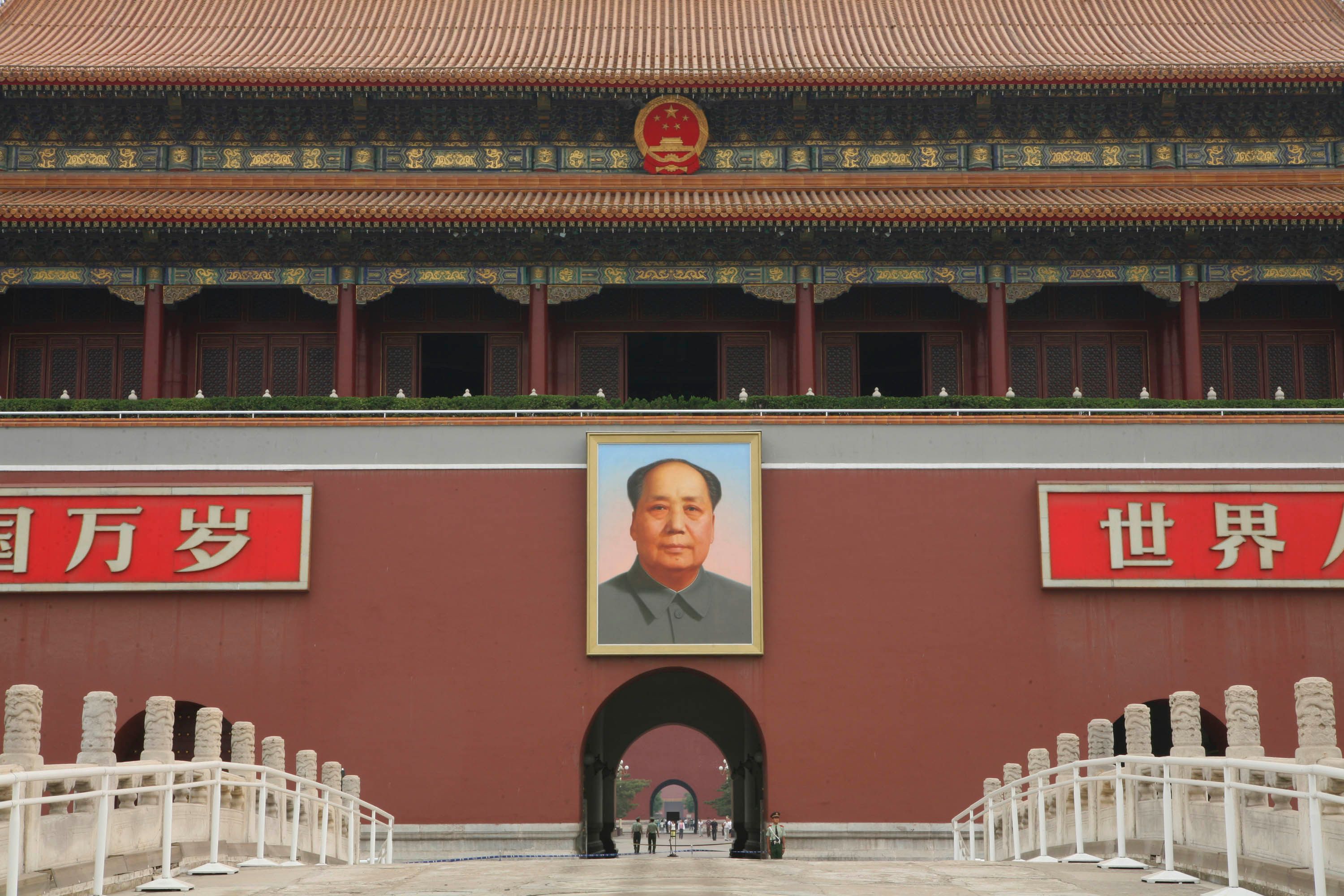
The Forbidden City
Planning Beijing with local expert tips
Beijing is extensive, and its imperial landmarks, historic neighborhoods and modern districts are spread across a city where traffic can influence even a carefully planned day. Local experts can organize your stay by area, pairing nearby sights and leaving longer journeys, such as the Great Wall, enough time to be worthwhile.
Where to stay in Beijing
Wangfujing and the surrounding central districts provide convenient access to the Forbidden City and other major historic sights, while areas around Sanlitun suit travelers who prefer contemporary restaurants, shopping and nightlife.
Staying near one of Beijing’s traditional hutong neighborhoods offers another perspective, with smaller streets and local restaurants close at hand. Your local expert can recommend a base that reflects your priorities and reduces unnecessary journeys across the city.
Moving hotels within Beijing is rarely useful unless your arrival or departure arrangements make it worthwhile. If the Great Wall is a particular focus, an overnight outside Beijing can sometimes be considered, but for many itineraries it is more practical to retain the city hotel and devote a full day to one carefully chosen section.
How transportation can be arranged
Beijing Capital International Airport and Beijing Daxing International Airport serve different sides of the city, so transfer arrangements should begin with the airport shown on your ticket rather than simply with your hotel location. Beijing’s subway is extensive, while private transportation can be more convenient when a day combines several distant sites or includes a Great Wall excursion.
High speed rail also makes Beijing an efficient starting point for journeys to other parts of northern and central China. Your local expert can coordinate airport transfers, railway departures and longer road journeys as one itinerary. If Xi’an follows Beijing, for example, they can arrange your final morning around your interests and then take you directly to the correct station for the onward train.