Northern China offers a clear contrast to the country’s southern and coastal regions, combining imperial history, political centres and wide rural landscapes shaped by cold, dry winters. It deserves a place in a multi-day itinerary if you want to balance structured city sightseeing with time in smaller historic towns and countryside.
The region works well for travelers interested in history, architecture and everyday urban life rather than beaches or tropical scenery. It typically fits into a wider route linking Beijing with other northern hubs and nearby provinces, often at the start or end of a broader journey through China’s central or southern regions.
Why visit northern China?
Northern China offers the country's most concentrated encounter with imperial power, political history and monumental architecture. Standing on the stone ramparts of the Great Wall in the crisp northern air feels very different from wandering river towns or misty hills further south.
In Beijing and the surrounding provinces, vast courtyards, ceremonial squares and fortress walls show how dynasties projected authority toward the steppe. Away from the capitals, you can follow old frontier routes, step into cave temples carved into cliffs and watch daily life unfold on wide, wind-exposed plains where winter still shapes routines.
Meals are built around hearty staples like hand-pulled noodles and dumplings, tuned to the sharp seasons. You leave with a grounded sense of China's northern frontiers: austere, grand and historically charged rather than lush or subtropical.

In the streets of the ancient city of Pingyao, Ming dynasty pagoda tower door
Who is northern China best for?
You'll probably enjoy northern China if you are curious about political history, imperial heritage, and everyday city life more than beaches or resort downtime. It works well for culture-focused trips, especially for travelers who like combining big-name sights with characterful neighborhoods and smaller towns.
First-time visitors who are comfortable with cooler climates and busy streets often find this a rewarding introduction, particularly if they enjoy museums, historic architecture and planned sightseeing days. Families and couples who do not mind layering up in colder seasons, and who value clear touring over pool time, usually get the most from a stay here.
You may prefer another destination if your ideal holiday centers on tropical beaches, relaxed resort living or very young children who need easy outdoor play every day. Travelers looking mainly for soft adventure, hiking in lush, green landscapes or high-end island-style luxury are often better matched with southern or coastal parts of China instead.
How does northern China fit into an itinerary?
Northern China often anchors the start or end of your trip, providing a clear framework before you continue into central, western or southern regions. Many routes begin with several days in a major northern hub before branching out by high-speed rail or short domestic flights to provinces such as Shaanxi, Shandong or further south towards the Yangtze basin. This part of the country usually takes up roughly a third to half of a two-week holiday, with time divided between one primary city and one or two smaller centres.
Travelers typically move in a linear pattern rather than staying in a single base, combining a capital or regional hub with an overnight stop or two in secondary cities or rural areas. Northern China works well as the structured, sight-heavy phase of your journey, before you slow the pace in greener, more relaxed regions later on.
A tailored plan can balance travel days and longer stays so the route feels coherent rather than rushed.

China, Beijing, Yonghe Gong (Lama Temple), view of temple facade and silhouettes of people standing in an archway
How many days do you need?
Most travelers spend 3-6 days in northern China within a longer China itinerary, splitting time between a major hub such as Beijing or Tianjin and one or two smaller historic centres. This allows for headline sights, a day on the Great Wall and time to experience everyday neighbourhood life without rushing.
| Days | Suggested route | Ideal pace |
|---|---|---|
| 3 days | Beijing only, with a half-day Great Wall excursion | Very focused, key highlights only |
| 5 days | Beijing plus Tianjin or Chengde | Balanced mix of icons and quieter streets |
| 7 days | Beijing - Datong - Pingyao | Comfortable, with time for evening walks and local dining |
Adding extra days lets you include cave temples, walled towns or time on slower local trains, deepening your sense of the region beyond capital-city landmarks.
Best region combinations
A classic one-week combination links Beijing with Xi'an, traveling by high-speed train in around 4.5-6 hours; it suits first-time visitors keen on imperial history and archaeology.
Another option pairs Beijing with Datong and Pingyao in Shanxi, ideal for travelers who enjoy atmospheric old towns and cave temples on a slower, rail-based route.
For food-focused trips, combining Beijing with Tianjin and Qingdao works well, moving eastward by train for coastal walks and seafood alongside northern street food.
Culture-loving families can team Beijing with Chengde for cooler summer palace gardens and temples, reached in around 3-4 hours by train or road.
Those interested in contemporary urban life often combine Beijing with Shanghai, flying or taking an overnight or high-speed train, to contrast northern political centers with China's most international city.
When is the best time to visit northern China?
The best time to visit China for northern China is during late spring, from April to May, or fall, from September to October. Clearer skies and mild daytime temperatures make city walks, historic sites and Great Wall hikes more comfortable.
Winter is very cold but atmospheric, with thinner crowds, crisp views and hearty seasonal food. Routes usually benefit from more indoor stops, shorter outdoor visits and warm accommodation. Summer can be hot and busy, especially during school holidays, so early-morning sightseeing, shaded parks and air-conditioned museums help manage the heat.
Seasonal planning may favor quieter Great Wall sections during peak periods, add more cultural experiences in winter or shift time toward higher, cooler destinations such as Chengde during humid summer weather.
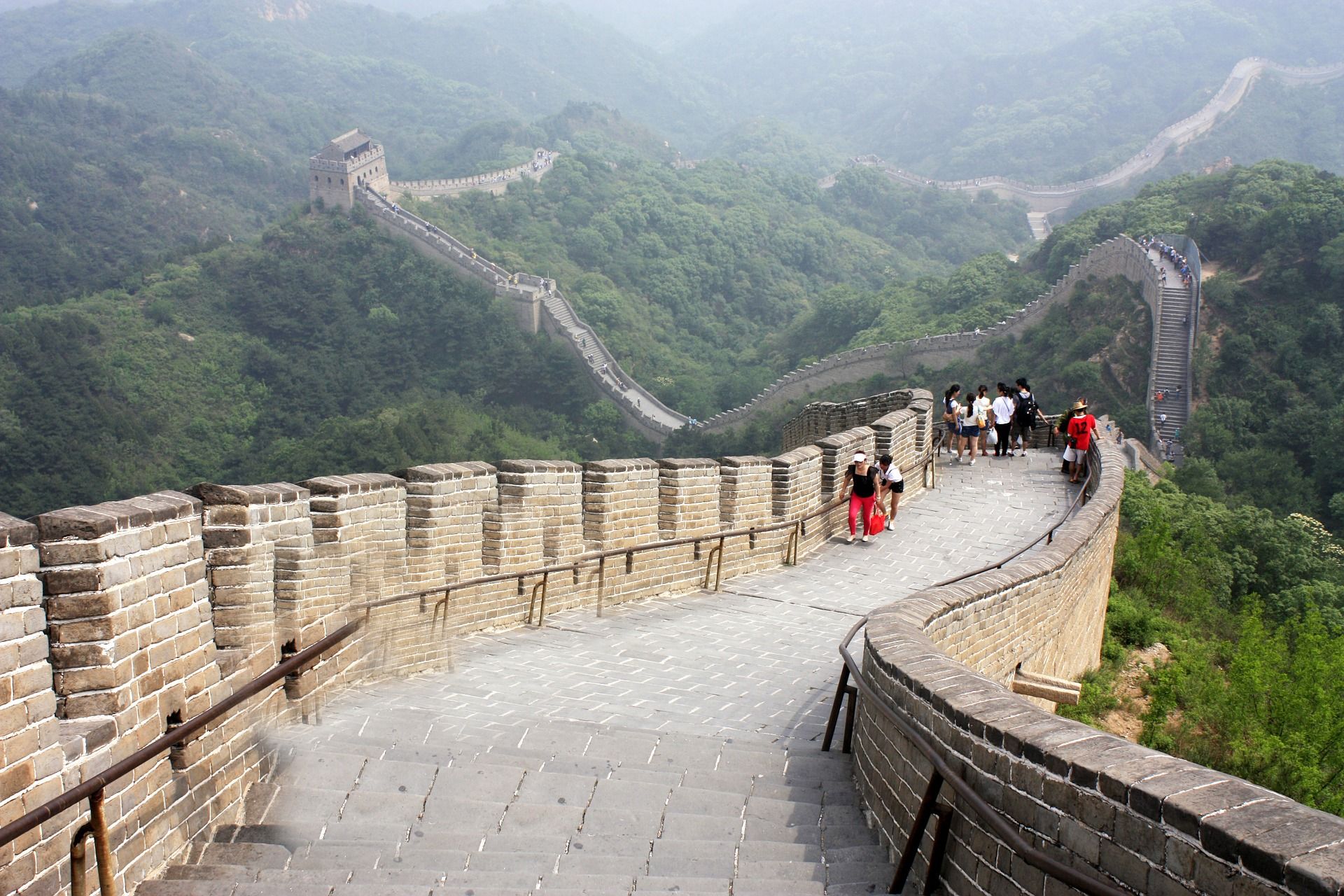
The Great Wall of China
Experiences to include in Northern China
Northern China is best experienced through a mix of imperial capitals, walled towns, frontier landscapes and journeys that follow historic trade and pilgrimage routes. These activities reward travelers who like structured sightseeing balanced with evocative older districts and countryside.
Walk quieter stretches of the Great Wall near Beijing
Jinshanling and Huanghuacheng are among the top attractions in China, offering mountain scenery and fewer crowds than Badaling. Allow half a day or a full day to explore the Great Wall, enjoy panoramic views and follow gentle to moderately challenging trails. Both sections suit active travelers and fit easily into a short Beijing itinerary.
Explore cave temples around Datong and the northern frontier
Visiting the Yungang Grottoes and nearby Hengshan Hanging Temple reveals how Buddhism and defensive architecture shaped China's northern borders. Allow a full day from Datong to combine both sites at a comfortable pace. This experience particularly rewards history enthusiasts and photographers.
Stay overnight in Pingyao's walled old town
Spending one or two nights inside Pingyao's Ming-era city walls lets you wander lantern-lit lanes after day-trippers leave. Time for courtyard guesthouses, small museums and evening street food helps balance faster-paced days in larger northern cities.
Trace imperial summer retreats in Chengde's palace and temples
A day or two in Chengde's Mountain Resort and outlying Eight Outer Temples shows how Qing emperors escaped Beijing's summer heat. Lakes, pavilions and hillside monasteries offer cooler, more spacious walking than the capital's busier palace complexes.
Ride high-speed rail between Beijing, Tianjin and coastal hubs
Using high-speed trains to link Beijing with Tianjin, Qinhuangdao or Qingdao adds variety without complex logistics. Journeys of one to three hours connect city museums, waterfront promenades and historic concessions, suiting travelers who like structured, easy-to-plan multi-stop routes.
Sample northern flavors in Beijing's hutongs and Tianjin's old quarters
Food walks through Beijing's hutongs or Tianjin's Ancient Culture Street highlight hearty northern dishes, from jiaozi dumplings to hand-pulled noodles and street snacks. An evening or two focused on dining adds cultural depth beyond daytime monuments and museums.

Summer Palace with historical architecture, lake and boat in Beijing © Shutterstock
Planning Northern China with local expert tips
Northern China covers an enormous area, from Beijing and the historic cities of Shanxi to grasslands, mountain landscapes and sections of the Great Wall. Local specialists can keep the route focused, using rail for efficient city connections and road transportation where historic sites and rural landscapes lie beyond the main network.
Where to stay in Northern China
Beijing is the principal gateway for many journeys, but staying there throughout can limit how deeply you explore the wider region.
Datong and Pingyao are useful bases for important historic sites in Shanxi, while other routes may lead toward Inner Mongolia or mountain areas. Your local expert can choose overnight stops according to what you actually want to see, rather than adding cities simply because they sit on the rail network.
Some Great Wall sections can be visited from Beijing, for example, without changing hotels, while more distant areas may justify staying closer. If history is your main interest, your expert might concentrate the journey around Beijing and Shanxi instead of using valuable days to cover much greater distances farther north.
How transportation can be arranged
High speed rail connects Beijing with many major cities across northern China, while conventional trains remain useful on selected routes. Private road transportation can then cover places away from the stations, including Great Wall areas, temples and historic sites outside urban centers. A local expert can coordinate these journeys so rail and road work together rather than requiring repeated returns to Beijing.
Domestic flights become more practical when the itinerary reaches distant parts of northern China, where overland travel can consume a substantial part of the trip. If you travel from Beijing into Shanxi, for example, your expert can arrange the rail journey to the most useful regional stop, continue by private vehicle where needed and shape your departure around the next destination in your China itinerary.