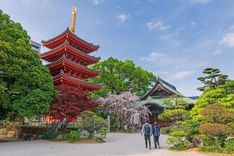
Kyoto is Japan's historic and cultural heart, with a dense mix of temples, traditional districts, and seasonal scenery distinct from Tokyo or Osaka. It earns a place in a multi-day itinerary because transport links are strong, key areas are compact, and you can cover major sights without long transfers.
The region suits travelers who prefer structured, walkable days with a few targeted activities rather than wide-ranging cross-country travel. In a broader route, Kyoto usually forms the central, slower-paced segment between faster-moving stays in Tokyo and nearby hubs such as Nara, Osaka, or Hiroshima.
Why visit Kyoto?
Kyoto offers an immersion into Japan's quieter, contemplative side, where everyday life still moves to rhythms set by shrines, machiya townhouses, and centuries-old craft workshops. Dawn here can mean passing silent temple gates as shop shutters are still closed, while dusk brings lanterns flickering on in narrow alleys and the smell of charcoal and broth from intimate restaurants.
Seasonal shifts feel unusually vivid: maple-lined lanes blaze red in autumn, while in early summer moss gardens glow after rain. What sets Kyoto apart is how easily you slip from busy streets into pockets of stillness, finding small moments like browsing a neighborhood market, pausing at a roadside altar, or hearing a bell echo through backstreets.
You leave with the sensation of having moved inside Japan's living traditions instead of just ticking off famous sights.

Old Town Kyoto, Japan
Who is Kyoto best for?
You'll probably enjoy Kyoto if you like unhurried, detail-rich trips where walking, browsing small shops, and lingering over meals feel as important as ticking off major sights. Travelers who value cultural depth over nightlife or beaches, from curious first-timers to repeat visitors, tend to get the most from time here.
Couples often appreciate the slower pace and atmospheric evenings, while families who enjoy temples, gardens, and simple hands-on activities such as craft workshops or tea experiences usually find plenty to share across generations. This works particularly well if you're comfortable navigating days that mix planned highlights with open time for spontaneous discoveries.
You may prefer another destination if your ideal trip revolves around resort-style pools, party scenes, or long days on the beach. Travelers wanting fast-paced nightlife, theme parks, or high-adrenaline outdoor adventures might find Tokyo, Osaka, or more rural regions a better match.
If you dislike walking, have limited interest in history or ritual, or prefer all-inclusive, highly structured packages with minimal decision-making, another Japanese city or a coastal escape may feel more satisfying.
How does Kyoto fit into an itinerary?
Kyoto usually sits at the heart of a longer trip through Japan, often following a few days in Tokyo and coming before time on the coast or in smaller towns. Many travelers arrive in Japan via Tokyo, transfer to Kyoto by train once they have adjusted to the time zone, then continue onwards to Osaka, Hiroshima, or the Alps. Kyoto works best as a mid-trip stop rather than an entry or exit point, giving you a defined phase of your journey focused on slower days and short, manageable transfers.
Most visitors stay three to four nights, long enough to establish a routine and keep packing and unpacking to a minimum. It also makes an effective base for day trips to nearby cities, allowing you to see more without constantly changing hotels. Building this block of time into your route naturally softens the pace between faster-moving urban stays, so your holiday feels more balanced and less rushed.
Trips that include Kyoto
Luxury Japan tour | Bespoke travel offers a refined journey through Japan, with a stop in Kyoto where travelers can explore the iconic Fushimi Inari and its vermilion torii gates, as well as the serene bamboo groves of Arashiyama. The itinerary also includes visits to Gion and Kennin-ji, providing a deep dive into Kyoto's cultural heritage.
Meanwhile, the Japan deluxe tour from Tokyo to Kyoto takes you through the historic streets of Pontocho and Hanamikoji Lane in Gion, offering a glimpse into the city's geisha traditions. This tour also includes a visit to Arashiyama, where the tranquil bamboo groves offer a peaceful retreat.
Lastly, the Secrets of Japan trip highlights Kyoto's cultural treasures, including a visit to Kiyomizu-dera Temple and a guided walk through Gion's lantern-lit alleys, where you might spot a geiko or maiko.
A local expert can enhance your Kyoto experience with a personalized tea ceremony at Kennin-ji Temple.

Senso-ji, Kyoto, Japan
How many days do you need?
Kyoto rewards unhurried stays, but even short visits can be meaningful. Many travelers plan between two and four full days here, adjusting for their wider Japan route and interest in side trips.
| Days | Recommended focus |
|---|---|
| 1 day | Choose one compact area, such as Fushimi Inari and southern Higashiyama, and accept that you are sampling highlights rather than seeing the city in depth. |
| 2 days | Balance two distinct districts, for example Arashiyama's riverside and bamboo paths one day and eastern temple quarters the next, with evenings in central neighborhoods. |
| 3 days | Add quieter gardens, a hands-on experience like a tea ceremony or craft workshop, and slower walks through backstreets away from the main sights. |
| 4+ days | Use Kyoto as a base, keeping your hotel while adding a day trip to Nara, Uji, or Osaka and leaving generous time for revisiting favorite districts at different times of day. |
Best region combinations
- Tokyo - Kyoto: Starting in Tokyo then taking the shinkansen to Kyoto works well for first-time visitors who want a clear contrast between neon cityscapes and historic streets. This two-city focus keeps transfers simple and suits trips of about a week.
- Tokyo - Hakone - Kyoto: Traveling Tokyo-Hakone-Kyoto adds hot springs and Fuji views between two major cities. The route flows east to west by train and creates a city-nature-culture arc without long jumps.
- Tokyo - Kyoto - Osaka: Moving from Tokyo to Kyoto then Osaka, all linked by frequent trains in under three hours per leg, is efficient for food-focused travelers and those who enjoy urban energy alongside traditional districts.
- Kyoto - Nara - Osaka: Basing in Kyoto and adding short hops to Nara and Osaka builds a Kansai-focused trip. It minimizes hotel changes while mixing temples, parks, and lively dining areas.
- Kyoto - Hiroshima - Miyajima: After Kyoto, continuing west to Hiroshima and nearby Miyajima creates a reflective, history-rich ending to a longer itinerary, with straightforward shinkansen connections.
When is the best time to visit Kyoto?
Late March to April and late October to late November are generally the best time to visit Japan for travelers exploring Kyoto. Cherry blossoms and fall foliage create especially scenic conditions for temple visits, gardens and long walks, although these periods bring larger crowds, higher prices and greater demand for accommodation.
Summer is hot and humid, so early temple visits, evening strolls, riverfront dining and seasonal events are easier to enjoy than long midday walks. Winter is quieter and often more affordable, with calmer temples and easy connections to nearby onsen towns.
Seasonal planning may prioritize less-visited gardens during peak blossom or foliage periods, shift outdoor sightseeing to cooler hours and reorder day trips around changing weather.

The Phoenix Hall of Byodo-in Temple in Kyoto, Japan © Shutterstock
Experiences to include in Kyoto
Kyoto rewards travelers who slow down. Focus on experiences that weave together temples, lanes, riversides, and food rather than rushing between checklists, and you will find it anchors a Japan trip with some of the journey's most atmospheric days.
Follow the Higashiyama slopes from Kiyomizu-dera to Gion
Walk the stone lanes between Kiyomizu-dera, Sannenzaka, Ninenzaka, and Yasaka Shrine, then continue into Gion's wooden townhouses. Allow half a day, ideally starting early. It suits photographers, first-time visitors, and anyone wanting a single, memorable Kyoto classic.
Spend a slow day among Arashiyama's rivers, hills, and bamboo
Arashiyama is home to some of the top attractions in Japan, including the Bamboo Grove, Tenryu-ji’s gardens, the Katsura River and Togetsukyo Bridge. Allow at least half a day to explore the area, with extra time for families. Its open spaces and gentle scenery provide a relaxed contrast to Kyoto’s denser temple districts.
Trace Kyoto's northern temples along the Philosopher's Path
Stroll the canal-side Philosopher's Path between Ginkaku-ji and Nanzen-ji, pausing at small temples and cafes. A morning or afternoon works well. The route suits contemplative walkers who prefer gradual discovery over fixed tours, and rewards repeat visits in different seasons.
Explore Nishiki Market and downtown food alleys
Thread through Nishiki Market to sample pickles, sweets, and snacks, then continue into Pontocho Alley or Kiyamachi-dori for dinner. Allow a few hours from late afternoon into evening. This suits travelers who like understanding Kyoto through its food traditions and casual bites.
Experience Kyoto's gardens and tea culture around Uji
Take a short train ride to Uji to visit Byodo-in's garden and taste locally grown matcha in traditional tea shops along the Uji River. A half-day adds calm, riverside walking, and a focused look at tea culture without another major city change.
Visit Fushimi Inari's torii tunnels at off-peak hours
Climb the torii-lined path at Fushimi Inari Taisha in the early morning or after sunset, when the slopes feel quieter and lanterns glow. Allow two to three hours, more if walking to the summit. It suits active travelers comfortable with stairs and gentle hikes.

Arashiyama Bamboo Forest, Kyoto
Planning Kyoto with local expert tips
Kyoto has hundreds of temples, gardens and historic streets spread across distinct parts of the city, with mountain districts extending beyond the center. Local experts can group visits by area, leaving room for quieter walks and gardens rather than turning each day into a sequence of journeys between distant landmarks.
Where to stay in Kyoto
Downtown Kyoto provides convenient access to restaurants, shopping and several rail and subway lines, making it a practical base for exploring different districts. Gion and the surrounding Higashiyama area place you closer to traditional streets and temples, particularly appealing for early morning or evening walks. Around Kyoto Station, hotels offer straightforward connections for travelers making regional excursions or continuing elsewhere in Japan.
A machiya stay can add a more residential experience, although access and facilities vary between properties. Your local expert can match the neighborhood to your priorities and keep you in one accommodation throughout the visit. If temples and gardens are your main interest, they can also allow more time in Kyoto rather than adding another Kansai city simply because it is nearby.
How transportation can be arranged
Kyoto is well connected by Shinkansen and conventional rail, with direct links to Tokyo, Osaka and other major cities. Within Kyoto, trains, subways and buses all play a role, but no single network reaches every sightseeing area conveniently. Taxis can save time when linking places that would otherwise require several changes, while walking is often the best way to explore individual historic districts.
Excursions to places such as Nara or Uji can be made by rail without changing hotels. If you are continuing from Kyoto toward Kanazawa or the Japanese Alps, your expert can coordinate the appropriate rail connection and luggage forwarding, allowing you to leave directly for Central Honshu rather than returning through Osaka.



 (1).jpg)