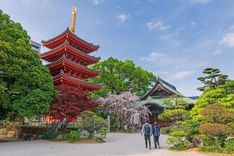
Northern Japan is ideal if you want to escape the country’s busiest cities and focus on cooler climates, hot springs, and outdoor landscapes. Compared with central and southern Japan, it offers more space, milder summers, and fewer crowds, which makes it practical to include on a longer multi-day trip rather than a short break.
This region suits travelers who are comfortable with slightly longer train journeys and want to mix rail hubs with quieter rural stays. It typically fits after time in major cities like Tokyo, adding several days of slower-paced travel, scenic rail segments, and onsen towns before you continue to other regions or fly home.
Why visit Northern Japan?
Northern Japan stands out for its sense of space and quiet, where dense forests, volcanic peaks, and wave-battered coasts feel far removed from the country’s big-city energy. You can sink into steaming outdoor onsen while snow falls around you, or follow beech and cedar trails that blaze with autumn color and stay almost silent between small villages.
Traditional fishing ports serve ultra-fresh seafood in simple, family-run eateries, and local sake breweries make use of the region’s cold winters and clear water. Rural festivals send drums, lanterns, and towering floats through otherwise sleepy streets, revealing deep community traditions.
Powder snow in the mountains, cool summers, and crisp, clear skies in shoulder seasons leave you with memories of open horizons and days shaped by the rhythm of weather, light, and local routines rather than sightseeing checklists.

Ski and snowboard area travel destination with Mount Yotei in Niseko, Hokkaido, Japan © Potus/Shutterstock
Who is Northern Japan best for?
You will probably enjoy northern Japan if you like unhurried travel days, are happy spending longer on trains, and want time to decompress after busier stops such as Tokyo or Kyoto.
It works particularly well for repeat visitors, couples or friends planning a slower-paced escape, and culture-focused travelers who look for smaller festivals, traditional inns, and quiet evenings in hot spring baths. Families with older children who are comfortable with cooler weather and can handle longer travel days often find it rewarding, especially in ski season.
You may prefer another destination if you want a quick first taste of Japan, need warm beach weather, or would rather have many famous sights within a short walk of each other.
Travelers who prioritize busy nightlife every evening, consistently warm temperatures, or very short transfers between cities are usually better served by focusing on Tokyo, Kyoto, Osaka, or the southern islands instead.
How does Northern Japan fit into an itinerary?
The north of Japan usually works best in the middle or later stages of your trip, once you have adjusted to the country's rhythm in cities such as Tokyo or Osaka. Many travelers head north after a few urban days, using the shinkansen to reach a calmer region before looping back south for their departure flight. It often connects naturally with central Honshu or Hokkaido, forming a longer north-south route rather than a short standalone break.
Because distances are greater and places more spread out, this part of Japan is typically given several consecutive days within a longer holiday, rather than dipped into for a single night. Your time is often split between two or three bases linked by rail, with point-to-point travel days forming part of the experience.
This shift to longer journeys and multi-night stays slows the overall pace of your itinerary, adding a restorative section between more intensive sightseeing elsewhere.

Jogakura Ohashi Bridge in autumn, Aomori prefecture
How many days do you need?
Most travelers allow 3-6 days to explore northern Japan as a distinct section of their trip, using two or three bases linked by rail. Rather than staying in a single town, you might combine an onsen area with a coastal stop or a mountain hub, using day trips to reach smaller villages and viewpoints.
| Days | Suggested route | Ideal pace |
|---|---|---|
| 3 days | One base town with a half-day excursion | Good for a brief, restorative break |
| 5 days | Two bases, mixing hot springs and coastal scenery | Balanced: time for rail travel and unhurried evenings |
| 7+ days | Three bases with side trips to smaller towns | Slow, in-depth exploration of landscapes and local life |
Adding extra days lets you include more festivals, additional onsen towns, and longer walks, while still keeping travel days relaxed.
Best region combinations
Pairing northern Japan with Tokyo works well for first or second visits: start with city sightseeing, then ride the shinkansen north for open landscapes and hot springs before looping back to fly home.
Combining the north with Kyoto and Osaka suits culture-focused travelers who want contrasting experiences, shifting from temples and food streets to quieter countryside over 10-14 days.
Linking the north with Tohoku's coastal towns offers a trip focused on seafood, small ports, and scenic rail lines, ideal for slower-paced travelers.
More active visitors often combine northern Honshu with Hokkaido, using the shinkansen and onward trains for a ski or hiking extension.
For those interested in history and gardens, finishing a longer route in Kanazawa after time in the north creates a satisfying arc from rural scenery to one last compact, walkable city.
When is the best time to visit Northern Japan?
Late April to June and late September to early November are generally the best time to visit Japan for travelers exploring the north. Spring brings cool temperatures, budding forests and fewer crowds than the peak blossom season farther south, while fall offers colorful foliage, clear mountain views and atmospheric onsen stays.
July and August provide a cooler alternative to central Japan’s heat and humidity, although school holidays can make trains and popular resorts busier. Winter is ideal for skiing, snowboarding and hot-spring stays, but heavy snow may require extra travel time and more flexible routes.
Seasonal planning may adjust bases, rail connections and daily activities to prioritize ski areas, foliage viewpoints or quieter onsen towns according to the conditions.

Matsushima Bay, Miyagi Prefecture, Japan @ Shutterstock
Experiences to include in Northern Japan
Northern Japan combines dramatic coastlines, forested mountains and lively cities shaped by distinct regional traditions. Its mix of outdoor adventure, seasonal scenery and local culture makes it a memorable addition to a wider Japan itinerary.
Soak in rural onsen towns like Nyuto Onsen
Staying in a traditional ryokan at Nyuto Onsen or Zao Onsen lets you unwind in steaming outdoor baths surrounded by forested slopes or snow. Allow two or three nights to slow down between travel days, ideal for couples or repeat visitors.
Ride scenic rail lines through Tohoku
Journeys on routes like the Gono Line along the Sea of Japan or the Ou Main Line between Sendai and Aomori turn travel days into part of the experience. Large windows, coastal stretches, and rural stations create a gentle rhythm well suited to unhurried itineraries.
Walk coastal paths near Sanriku Fukko National Park
Sanriku Fukko National Park is home to some of the top attractions in Japan for rugged coastal scenery and quiet walking trails. Allow a full day to explore sections near Miyako and Kamaishi, taking in cliffs, fishing ports and small beaches along the way. The area especially suits walkers and photographers looking to add sea views and local seafood to an inland-focused itinerary.
Explore castle towns like Hirosaki
Hirosaki blends a compact castle park, samurai-era streets, and relaxed cafes. Spending a day here gives cultural context without the intensity of larger cities, pairing well with nearby onsen areas or Aomori's coastal villages for travelers who enjoy slower-paced history.
Hike volcanic landscapes around Mt. Bandai
Trails around Mt. Bandai and the Goshikinuma (Five Colored Lakes) area offer half- and full-day hikes past crater lakes and birch forest. It is an easy way to add active time to a rail itinerary, especially in late spring, summer, and early autumn.
Join small-town festivals in towns like Aomori or Akita
Timing a visit to coincide with events such as Aomori's Nebuta Festival or Akita's Kanto Festival brings lantern-lit streets, local food stalls, and an intimate sense of community. Plan at least two nights for flexibility with weather and crowd-free daytime exploring.

Sapporo, Hokkaido, Japan © Shutterstock
Planning Northern Japan with local expert tips
Northern Japan stretches from the mountainous Tohoku region to Hokkaido, with national parks, hot spring towns and regional cities separated by greater distances than in much of central Japan. Local experts can combine fast rail connections with carefully chosen rural stays, giving the journey variety without making every day a transfer.
Where to stay in Northern Japan
Sendai is a useful gateway to Tohoku, while smaller bases such as Aomori or selected onsen towns provide access to landscapes and cultural sites farther north. In Hokkaido, Sapporo works well for urban sightseeing and regional connections, but travelers interested in national parks or more remote scenery will benefit from staying closer to those areas.
A traditional ryokan can be particularly worthwhile where hot springs are part of the destination rather than simply an evening amenity. The distances involved make a long list of one night stops tiring. Your local expert can choose a few bases that suit your priorities, perhaps spending more time in rural Tohoku instead of adding Hokkaido to a short journey, or using a flight to connect the two when both are important.
How transportation can be arranged
The Tohoku Shinkansen provides fast connections north from Tokyo, making rail an efficient choice for reaching cities such as Sendai, Morioka and Aomori. Continuing to Hokkaido is also possible by Shinkansen, although flights can be more practical for some itineraries depending on the destinations involved.
Regional trains and buses reach many smaller communities, while private transportation or a rental car can be useful in rural Hokkaido and areas with less frequent public services. Seasonal conditions can affect road travel, particularly in winter.
If your route begins in Tokyo and finishes in Hokkaido, your expert can combine rail through Tohoku with the most suitable final connection north, adjusting overnight stops to your dates and preferred pace.


 (1).jpg)