Luzon is the largest and most developed island in the Philippines, combining Metro Manila's urban infrastructure with easy access to beaches, mountains, and heritage towns. It deserves a place in a multi-day itinerary if you want a practical base with good transport connections plus varied side trips, rather than flying between distant islands.
The region suits travelers who value a mix of city convenience and light adventure, such as cultural visits in Manila, day hikes around volcanoes, or short breaks to surfing and diving areas. Luzon often serves as the logical starting and ending point of a wider Philippines route, with short hops to Visayas or Palawan.
Why visit Luzon?
Luzon stands apart in the Philippines for how active volcanoes, cool highlands, and historic town centers cluster within reach of the country’s busiest metropolis. In a short radius, you can walk centuries-old church plazas, follow trails along volcanic slopes, then end the day over grilled seafood beside a quiet bay.
North of Manila, terraced mountains and pine-fringed ridges replace the classic palm-lined beach scene, with farming and craft traditions still shaping daily life. To the south, crater lakes and rim viewpoints frame the island’s rugged core in a way you will not find on flatter, more purely coastal islands.
You leave with a sense of the Philippines as a chain of distinct landscapes and histories that can all be read in one island’s roads, markets, and everyday routines.
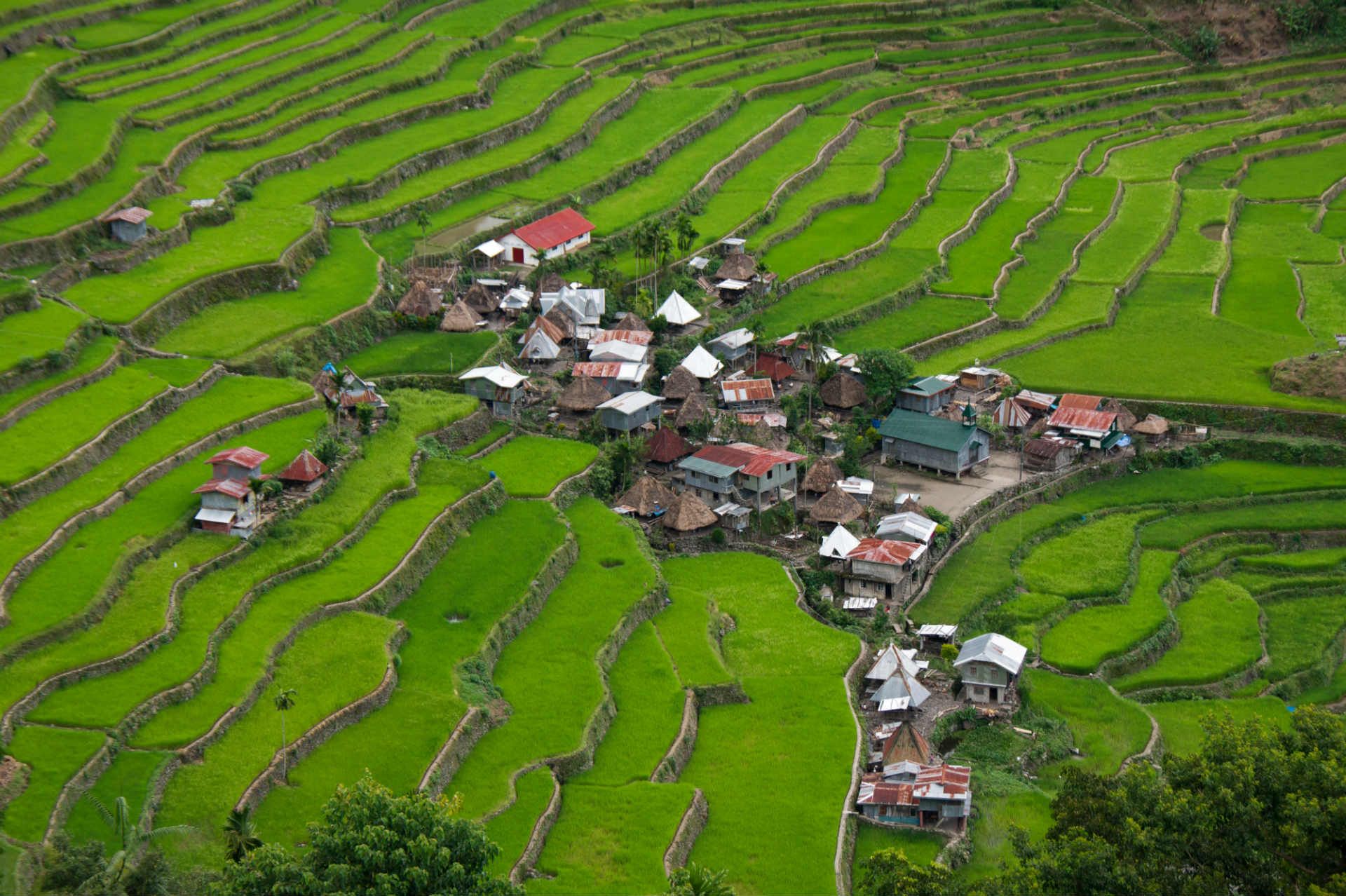
Rice terraces, Batad village, Luzon, Ifugao, Philippines
Who is Luzon best for?
You'll probably enjoy Luzon if you like mixing different styles of travel rather than following a fixed resort routine. It works well for first-time visitors looking for an easy introduction to the Philippines, combining familiar comforts with manageable side trips.
Independent-minded travelers who enjoy planning their own day tours, food stops, and light outdoor activities tend to get the most from it. Families and small groups who value having varied options - from gentler walks to more energetic outings - also find it practical, as it is straightforward to adjust plans around changing energy levels and weather.
You may prefer another destination if you want a single, stay-put beach holiday in one self-contained resort, or if you are set on remote islands where you rarely see a city. Travelers focused on intensive diving, long backcountry treks, or fully all-inclusive stays might be better served by other Philippine regions or more specialized beach hubs.
How does Luzon fit into an itinerary?
Luzon usually anchors your plans, acting as both your international gateway and a flexible hub you return to between other regions. Many routes begin in Manila, with one or two loops branching north to the Cordillera or south toward Tagaytay, Batangas, and Bicol before continuing to islands such as Palawan or the Visayas.
Travelers often move in stages: a few nights in Manila, a circuit through the mountains or along the coast, then back to the capital for an onward flight. On a longer holiday, it is common to devote roughly half your time to Luzon and the rest to at least one island region.
This structure lets you adjust the pace of your journey, building in slower stretches in the highlands or by the sea, then using Luzon’s transport links to make transfers by road or air more efficient.
Trips that include Luzon
The Northern Luzon tour: culture, rice terraces and mountains begins in Manila's historic Intramuros district, with visits to Fort Santiago and San Agustin Church. Heading north, travelers discover Banaue's famous rice terraces and Sagada's hanging coffins and mountain traditions.
The Tailor-made Boracay and Palawan island trip introduces Manila's colonial heritage through Intramuros before continuing to the beaches of Boracay and the natural landscapes of Palawan.
The tailor-made Philippines island hopping trip also starts in Manila, exploring Intramuros and Rizal Park before visiting Dumaguete, Bohol, and Cebu for a mix of island experiences.
To uncover more of Manila's past, our local experts can arrange an in-depth walk through Intramuros, exploring its Spanish colonial architecture and historic landmarks.
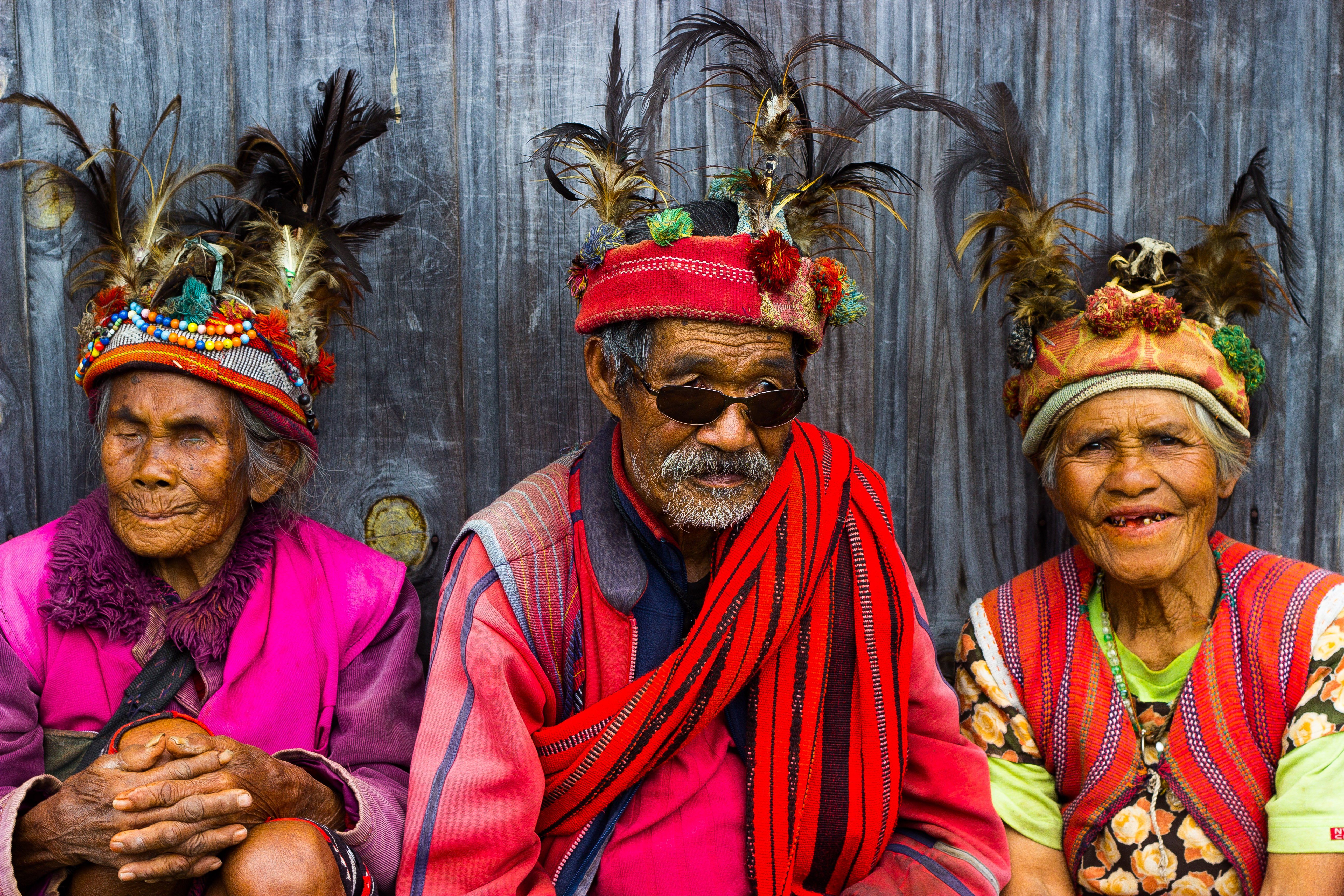
The Ifugao People of the Cordilleras
How many days do you need?
Most travelers give Luzon at least a week within a wider Philippines trip, using Manila as a base and adding one or two side trips to the highlands or coast. With less than a week, you will likely focus on just one direction from the capital, such as the southern lakes and beaches or the northern hills. Extra time lets you link several contrasting landscapes without feeling rushed.
| Days | Suggested route | Ideal pace |
|---|---|---|
| 3-4 days | Manila with a day trip to Tagaytay or Batangas | Snapshot of city life plus one scenic escape |
| 7 days | Manila - Tagaytay/Batangas - Manila | Balanced mix of culture, volcano viewpoints, and beach time |
| 10-12 days | Manila - Cordillera rice terraces - Manila - Southern Luzon | Unhurried loop linking mountains, towns, and coastal stops |
Adding further days allows you to explore more small towns, cool-climate highlands, and quieter coastal areas rather than using Luzon only as a transit hub.
Best region combinations
A classic combination links Manila with Tagaytay and the Batangas coast, starting in the capital before heading south for lake views, volcano scenery, and easy-access beaches; it suits first-time visitors and families who prefer short road transfers.
Another option is Manila with Baguio and the Cordillera rice terraces, working north by road over two or three days and appealing to travelers who enjoy cooler temperatures, hillside walks, and mountain viewpoints.
Manila plus the Bicol region fits those keen on volcanic landscapes and more rugged coasts, typically reached by a domestic flight followed by a few hours' drive.
Travelers with longer trips often connect Luzon with Cebu and the central Visayas, flying out of Manila after a loop through the highlands.
For a slower holiday, combining Manila with La Union and nearby surf towns offers relaxed seaside stays within a manageable drive of the capital.
When is the best time to visit Luzon?
December to May is generally the best time to visit the Philippines for travelers exploring Luzon, with drier, more settled weather for mountain viewpoints, city walking tours and road trips between regions. This is also the busiest period, especially around Christmas, New Year and Easter, so intercity transport and popular stays should be booked early.
June to November brings higher humidity and a greater chance of heavy rain or storms, but also fewer crowds and more flexible prices. During these months, city stays, shorter drives and destinations with strong indoor cultural attractions work well, while spare days help protect key coastal and highland plans from changing weather.

Mount Mayon, Luzon
Experiences to include in Luzon
Luzon’s strength lies in its contrasts: cool mountain terraces and pine forests, volcanic lakes, surf beaches, and colonial-era plazas linked by scenic drives from Metro Manila. These varied experiences help shape a flexible, well-paced Philippines itinerary.
Road trip to Tagaytay and Taal Lake
A drive from Manila to Tagaytay offers cooler air, cafes overlooking Taal Lake, and easy viewpoints of Taal Volcano. It suits first-time visitors, families, and food lovers. Allow a full day or relaxed overnight to enjoy slow meals and shifting light over the lake.
Unwind on Batangas' accessible beaches
Coastal towns like Nasugbu and Laiya in Batangas provide some of Luzon’s most convenient beach time from Manila, with calm bays, family-friendly resorts, and snorkeling boat trips. Spend two to three days here to decompress between city stays or long inland drives.
Explore the Cordillera rice terraces and highland culture
Heading north to Banaue and Batad immerses you in steep rice terraces, cool air, and traditional Ifugao villages. Gentle hikes and viewpoint walks reward active travelers. Plan at least three days including travel to appreciate both scenery and slower mountain rhythms.
Enjoy Baguio's pine forests and creative scene
Baguio’s hillside parks, pine-fringed walks, and artist spaces such as Tam-awan Village introduce a softer, cooler side of Luzon. It works well as a base for families and couples, with two or three days for cafe hopping, markets, and nearby countryside drives.
Combine La Union's surf and seaside cafes
San Juan in La Union blends mellow surf breaks, sunset bars, and relaxed guesthouses within reach of Manila by road. It suits beginners, young couples, and groups seeking social but manageable beach time. Allow two or more nights to settle into the coastal routine.
Experience volcanic landscapes in Bicol
Among the top attractions in the Philippines, the Bicol region around Legazpi and Mayon Volcano combines dramatic cone views, black-sand beaches and countryside roads lined with coconut groves. Allow three to four days for scenic drives, relaxed coastal stops and optional light hikes or ATV trails.

Mountain road, Baguio
Planning Luzon with local expert tips
Luzon is the Philippines’ largest island, bringing together Manila, mountain landscapes, historic towns, rice terraces and long stretches of coastline. Local experts can divide the island into manageable sections, combining road journeys and domestic flights where appropriate rather than spending too much of the trip covering long distances overland.
Where to stay in Luzon
Manila is the main gateway, with Makati and Bonifacio Global City offering convenient bases for dining and city services, while Intramuros places you closer to the capital’s historic core. Northern Luzon calls for a different approach.
Banaue or nearby communities provide access to the rice terrace landscapes, while Sagada suits travelers interested in mountain scenery and a slower rural stay. Vigan is a natural overnight for its historic center, particularly when following a northern road route.
Beach-focused itineraries may instead concentrate on coastal areas without attempting the mountains. Your local expert can select a few contrasting bases, giving extra nights to the Cordillera if landscapes and walking matter more to you than covering a large portion of the island.
How transportation can be arranged
Manila’s international airport is the principal arrival point, while domestic flights can shorten journeys to more distant parts of Luzon. Private road transportation is especially useful in the north, where mountain roads make travel times less predictable than distances suggest. A driver also allows stops to be incorporated between destinations instead of treating each journey purely as a transfer.
Rail and bus services exist on selected routes, but they do not provide the same flexibility for a tailored journey through rural areas. If you want to combine Manila, Vigan and the Cordillera, your expert can arrange the northern section as a continuous circuit and adjust overnight stops around your walking plans before organizing your return to Manila or onward flight elsewhere in the Philippines.