Bangkok is Thailand's political, commercial, and transport hub, making it a logical anchor for a multi-day itinerary. Unlike the islands or northern highlands, it concentrates major cultural sights, dense urban districts, and the main international gateway in one place, so it naturally fits at the start or end of most trips.
The city works best for journeys that combine core temples and markets with easy onward connections by air, rail, or bus. Travelers typically allow two or three nights to recover from long flights, sort practicalities like SIM cards and cash, and then move on to beach areas in the south or cooler northern regions.
Why visit Bangkok?
Bangkok offers an intensity and contrast that you will not find elsewhere in Thailand. The city’s energy hits you on the street: monks stepping around office workers, incense drifting past skyscrapers, tuk-tuks threading between river ferries and skytrain tracks. This constant overlap of sacred and everyday life gives Bangkok a raw, lived-in character that more resort-focused destinations lack.
Staying here means sensing the city shift by the hour - pre-dawn alms rounds, late-morning market rush, golden-hour river breezes, and nights that spill out from rooftop bars to neon alleys. You leave with a visceral picture of contemporary Thai urban life: the food stalls that feed it, the boats and trains that knit it together, and the hidden shrines and spirit houses that still anchor it. Nowhere else in the country delivers this dense, layered urban experience as completely as Bangkok.
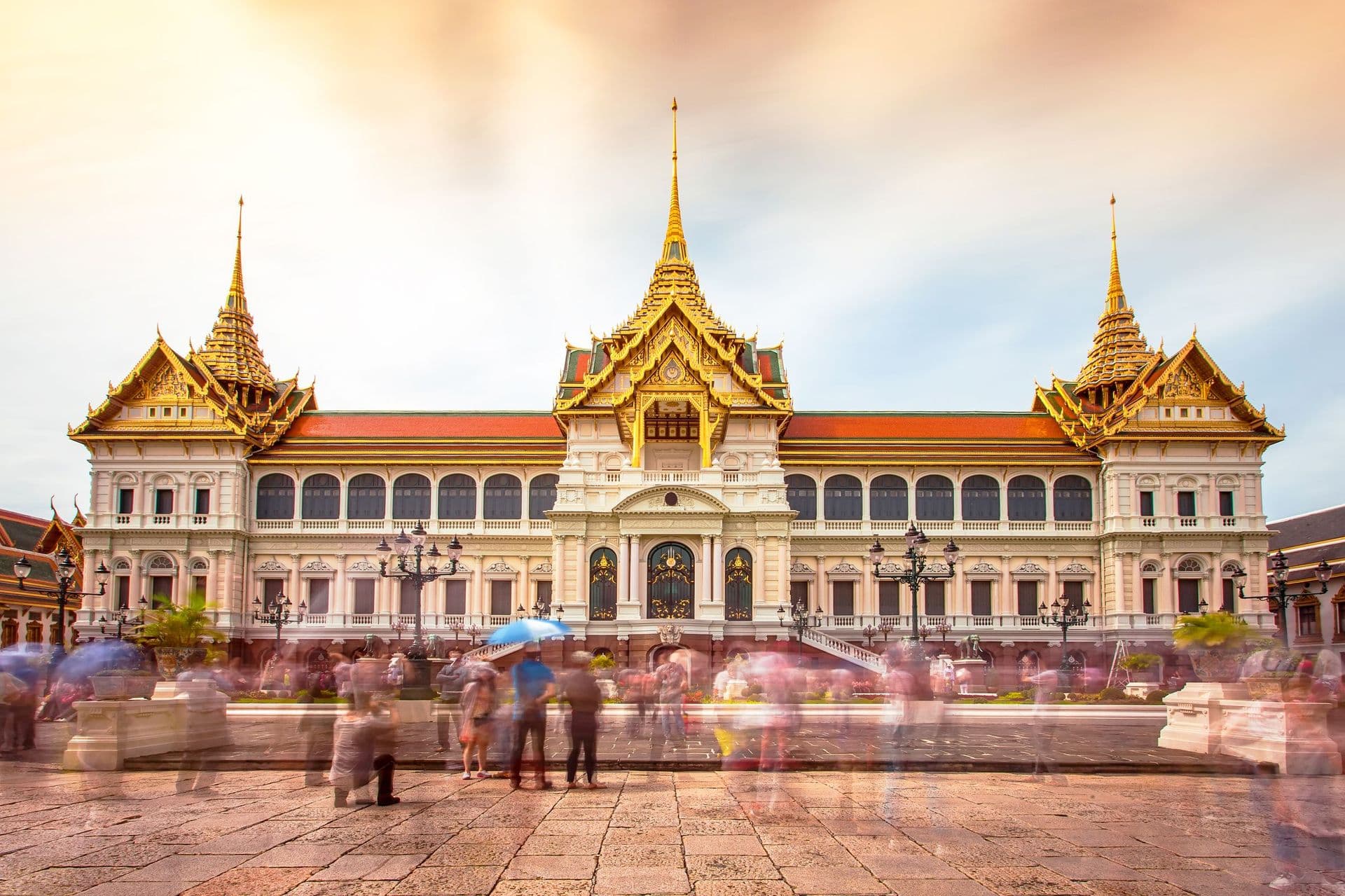
Grand Palace Bangkok, Thailand
Who is Bangkok best for?
You'll probably enjoy Bangkok if you thrive in busy cities and are happy to trade some noise for choice. It works well for first-time visitors who want a straightforward place to sort out SIM cards, cash, and onward tickets while getting an introduction to Thai food and city life.
Short stays tend to suit couples and friends who like eating out, rooftop views, night markets, and flexible days rather than fixed schedules. Bangkok also fits travelers who enjoy combining a few organized activities, such as guided temple or canal visits, with time to wander, shop, or unwind by the hotel pool between longer journeys.
You may prefer another destination if you want a quiet base with little traffic, or if your ideal trip revolves almost entirely around beaches and nature. Families seeking very slow-paced days with young children often feel more comfortable limiting time in dense cities. Travelers on a brief break who dislike heat, crowds, or complex street layouts may be happier in smaller Thai towns or coastal areas where daily routines feel simpler.
How does Bangkok fit into an itinerary?
Bangkok usually anchors your route, either as the main arrival point, the final stop, or both. Most travelers fly in here, spend two or three nights to get their bearings, then continue to the islands, the northern hills, or a combination of regions. It often works well as a bookend: a first stay to adjust and sort out practicalities, and a shorter return at the end for last-minute shopping, dining, and onward flights.
Because of its strong transport connections, Bangkok can also act as a flexible mid-trip pause between contrasting regions, breaking up long journeys and changing the tempo of your plans. Many visitors use it as a base for one or two day trips, but it is rarely the only stop on a longer holiday. When you plan your itinerary, think of Bangkok as a hub that shapes the rhythm of your journey - busy, convenient, and easy to dip in and out of rather than a place to linger for a full week.
Trips that include Bangkok
The Tailor-made Bangkok culture trip explores the capital after dark, from Chinatown's market stalls and the flowers of Pak Klong Talad to Wat Suthat and the Giant Swing, followed by a tram ride through historic Rattanakosin.
The Thailand luxury trip | Tailor-made journey follows the Chao Phraya River to Tha Tien pier, crossing to Wat Arun and visiting Wat Pho's Reclining Buddha before continuing to Chiang Mai and Khao Lak.
The Tailor-made Bangkok trip pairs dinner and classical dance at Silom Village Trade Center with a long-tailed boat ride through Thonburi's canals, passing traditional stilt houses before visiting the Royal Barges.
For a deeper exploration of Bangkok's royal heritage, our local experts can build extra time into your itinerary for the Grand Palace and Temple of the Emerald Buddha.
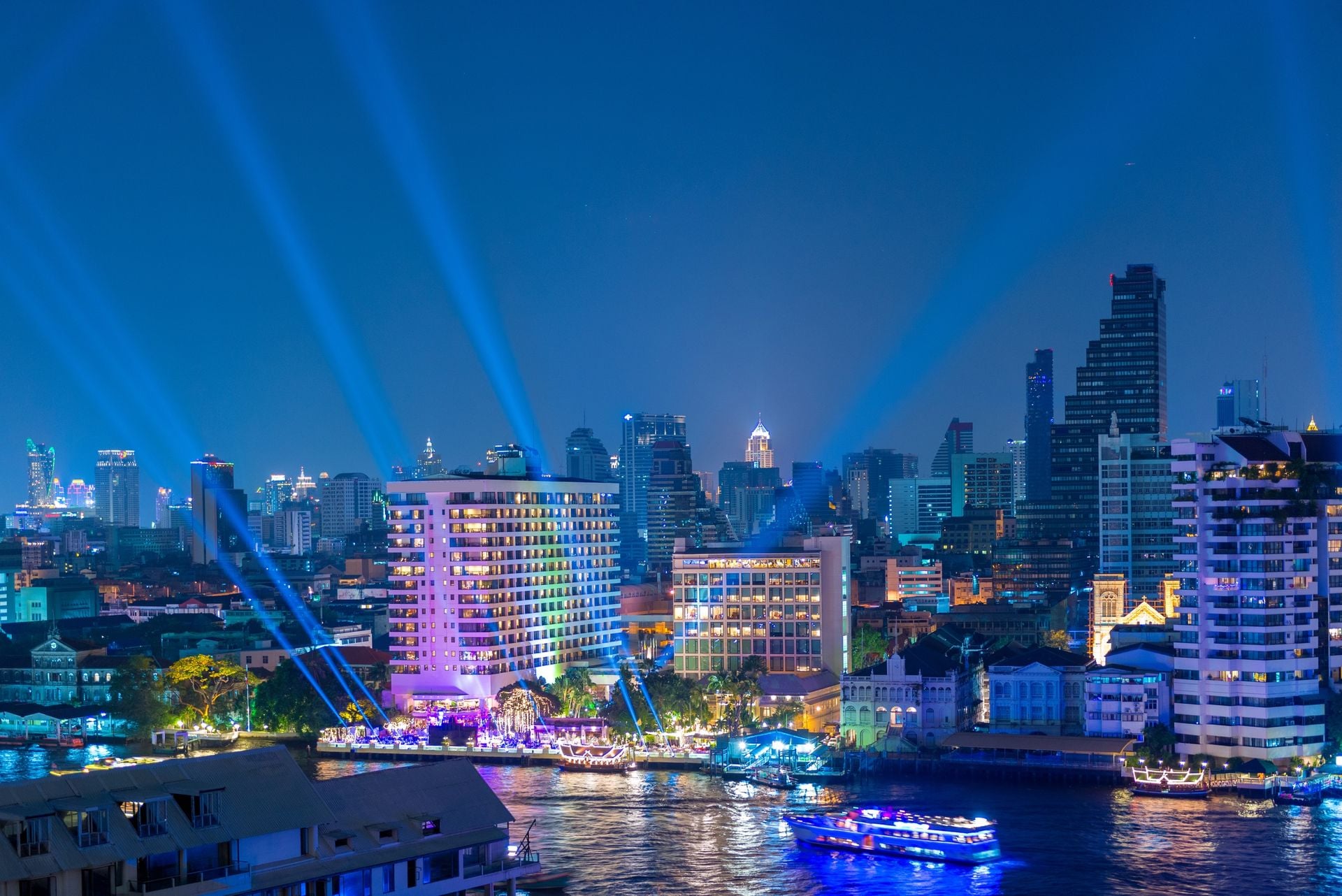
Hotel in Bangkok with light show
How many days do you need?
Most travelers find two to three full days in Bangkok give a good balance between key sights and recovery time from long flights. With one day, you can focus on a single area, for example, the Grand Palace and riverside temples or a canal tour and a night market.
Two days allow you to mix landmark visits with neighborhood wandering and a rooftop drink. Three or more days make space for museum time, a food tour, and slower mornings at your hotel without feeling rushed. Extra nights work well if you plan day trips or want a softer start before heading to the beaches or the north.
| Days | Recommended focus |
|---|---|
| 1 day | Headline temples or canals plus one evening market or rooftop |
| 2 days | Old town highlights, river experiences, and a tasting of Bangkok's food and nightlife |
| 3 days | Mix of major sights, neighborhood walks, and hotel downtime |
| 4+ days | Deeper food exploration, day trips, and flexible free time between longer journeys |
Best region combinations
Bangkok combines naturally with central, northern, and southern Thailand, creating clear contrasts in pace and scenery. A classic route runs Bangkok - Ayutthaya - Chiang Mai, moving from capital energy to riverfront ruins and on to temple-filled lanes and mountain foothills; trains link each step in around 1-10 hours depending on the leg.
For a beach-focused trip, Bangkok - Hua Hin or Bangkok - Pattaya keeps travel to about three hours or less by road while adding sea air and easier downtime.
Longer holidays might run Bangkok - Kanchanaburi - the Gulf islands, pairing river and WWII history with palm-fringed beaches.
When is the best time to visit Bangkok?
Bangkok works year-round, but the feel of the city shifts with the seasons, so the best time to visit Thailand may depend on the kind of experience you want. From November to February, lower humidity and slightly cooler evenings make temple visits, river ferries, and outdoor food stalls more comfortable, though popular areas are busier.
March to May is the hottest period and suits travelers who prioritize air-conditioned malls, hotel pools, and evening-only sightseeing. June to October brings regular showers that briefly clear the heat and can reduce crowds, but you may need to adjust plans around downpours and traffic.
As part of a wider Thailand route, many travelers time Bangkok at the start or end of the trip, using the city's flexibility to absorb flight changes or weather-related tweaks.
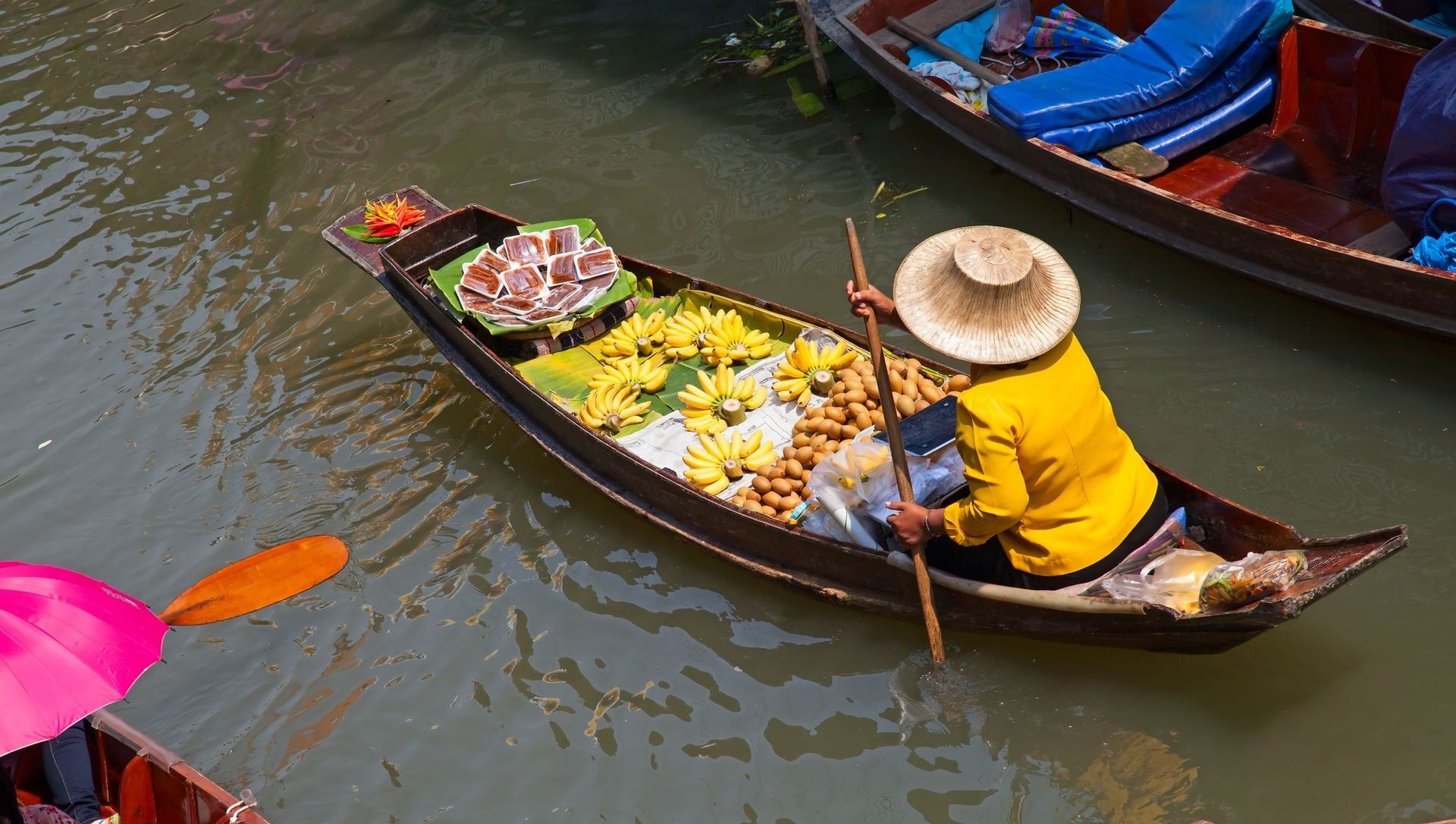
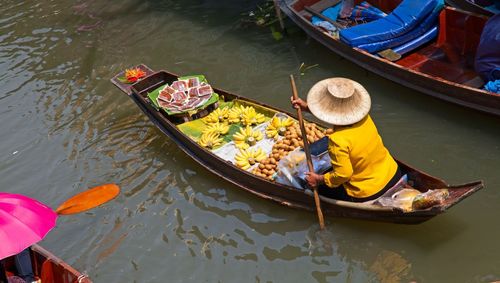
Damnoen Saduak floating market in Ratchaburi near Bangkok, Thailand
Experiences to include in Bangkok
Bangkok rewards travelers who look beyond a single checklist of sights. Spread your time between the Chao Phraya River, the historic Rattanakosin district, Chinatown, modern Sukhumvit, and Thonburi's quieter canals to feel the city's contrasts in pace, flavor, and atmosphere.
Drift along the Chao Phraya and Thonburi canals
Exploring the Chao Phraya River and Thonburi's khlongs by longtail boat offers a different perspective on some of the top attractions in Thailand, replacing traffic with water-level views of houses on stilts, small temples, and bustling piers around Tha Tien and Wang Lang Market. Allow half a day for the experience; it's especially worthwhile for first-time visitors.
Explore Bangkok's historic temple core
Spending a day around Rattanakosin links the reclining Buddha at Wat Pho, the riverside spires of Wat Arun, and the ceremonial grounds of the Grand Palace. This compact area suits culture-focused travelers who prefer walking between major sights with cafe breaks nearby.
Sample street food and night markets
Evenings in Bangkok come alive around Yaowarat Road in Chinatown, the alleys off Victory Monument, and newer hubs like Jodd Fairs. These areas mix local crowds and visitors, with easy, stall-hopping dinners that fit any schedule from quick bites to long, grazing nights.
Dive into modern Bangkok in Sukhumvit and Silom
Skytrain-linked neighborhoods such as Asok, Thong Lo, and Sala Daeng show Bangkok's contemporary side, from rooftop bars to small restaurants and malls like Terminal 21. They suit travelers who enjoy city energy, design-forward hotels, and flexible evenings close to public transport.
Wander backstreets and shrines in Chinatown
Daytime in Chinatown around Yaowarat and Talat Noi reveals shrines like Wat Mangkon Kamalawat, old shophouses, and coffee stalls tucked into narrow lanes. This area adds depth to an itinerary for travelers who enjoy photographing details and lingering in characterful urban neighborhoods.
Take a day trip for a change of pace
Bangkok's rail and road links make it easy to escape for a day to Ayutthaya's temple ruins, the River Kwai near Kanchanaburi, or the floating markets at Damnoen Saduak and Amphawa. These trips suit travelers wanting strong contrasts without changing hotels.
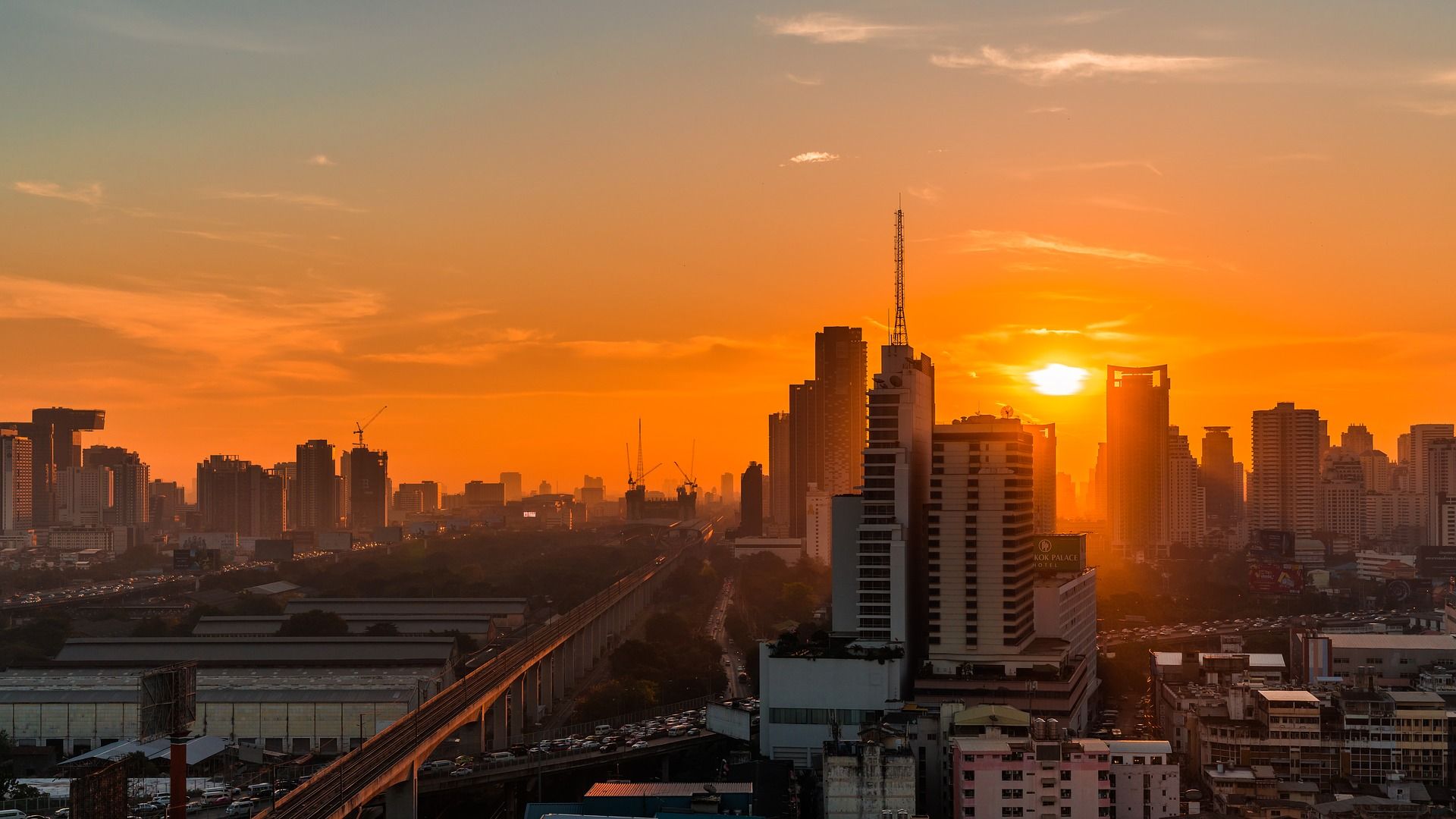
Sunrise in Bangkok
Planning Bangkok with local expert tips
Bangkok spreads along the Chao Phraya River, bringing royal landmarks, temples, markets, and contemporary neighborhoods into a city where location can have a major effect on how easily you explore. A local expert can group your plans by area and make use of river boats and rail connections rather than relying on road transportation for every journey.
Where to stay in Bangkok
Riverside hotels offer views and convenient access to historic Bangkok by boat, making them attractive when temples and the Chao Phraya are central to your plans. Sukhumvit provides extensive dining, shopping, and good access to the BTS Skytrain, while areas around Silom combine transport connections with restaurants and easy access to the river.
Staying near the historic center can reduce travel for the Grand Palace and nearby temples, although rail connections are less extensive in some areas. Your local expert can choose a neighborhood according to the balance you want between heritage, dining, and evening activity.
If Bangkok is primarily your gateway to northern or southern Thailand, they can also prioritize convenient transport connections over a resort-style riverside stay.
How transportation can be arranged
Bangkok’s BTS Skytrain and MRT are useful for avoiding road traffic on many journeys, while boats along the Chao Phraya provide practical access to several riverside sights. Taxis and private vehicles remain valuable for places beyond these networks and for airport transfers with luggage. Bangkok is served by Suvarnabhumi and Don Mueang airports, so confirming the correct airport is important when arranging domestic connections.
The city is also Thailand’s principal rail hub for onward journeys. Your expert can, for example, arrange temple visits by river and road, return you to your hotel without crossing the city unnecessarily, and then coordinate the following day around your train to Ayutthaya or your flight to another part of Thailand.