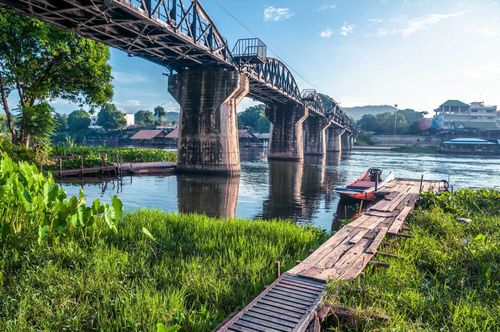
Kanchanaburi is a practical addition to a multi-day trip to Thailand if you want to balance Bangkok's pace with nature, history, and quieter riverside towns. Distances, train times, and seasonal river conditions can make planning here more complex than it first appears, which is where a local expert adds real value. They can slot Kanchanaburi into a wider Thailand itinerary, align it with your arrival and departure flights, and decide how many nights to spend based on your priorities, not generic routes.
With tailored advice on transport, trusted guides, and realistic day plans, you can decide confidently whether Kanchanaburi deserves a short side trip or a longer stay within your Thailand journey.
Why visit Kanchanaburi?
Kanchanaburi is where Thailand's tranquil river landscapes meet powerful 20th-century history. Set among jungle-covered hills and limestone cliffs, its rivers and waterfalls offer a gentler, cooler side to the country after time in big cities and beach towns.
You come here to slow down on the River Kwai, listen to evening sounds from the forest, and wake to mist hanging over the water. At the same time, museums, cemeteries, and the infamous railway routes bring the stories of World War II into sharp focus, making each bridge and cutting feel deeply human.
You leave Kanchanaburi with memories of wide, quiet rivers, glowing sunsets, and a more reflective understanding of Thailand's past, rather than just another set of temples or nightlife streets.
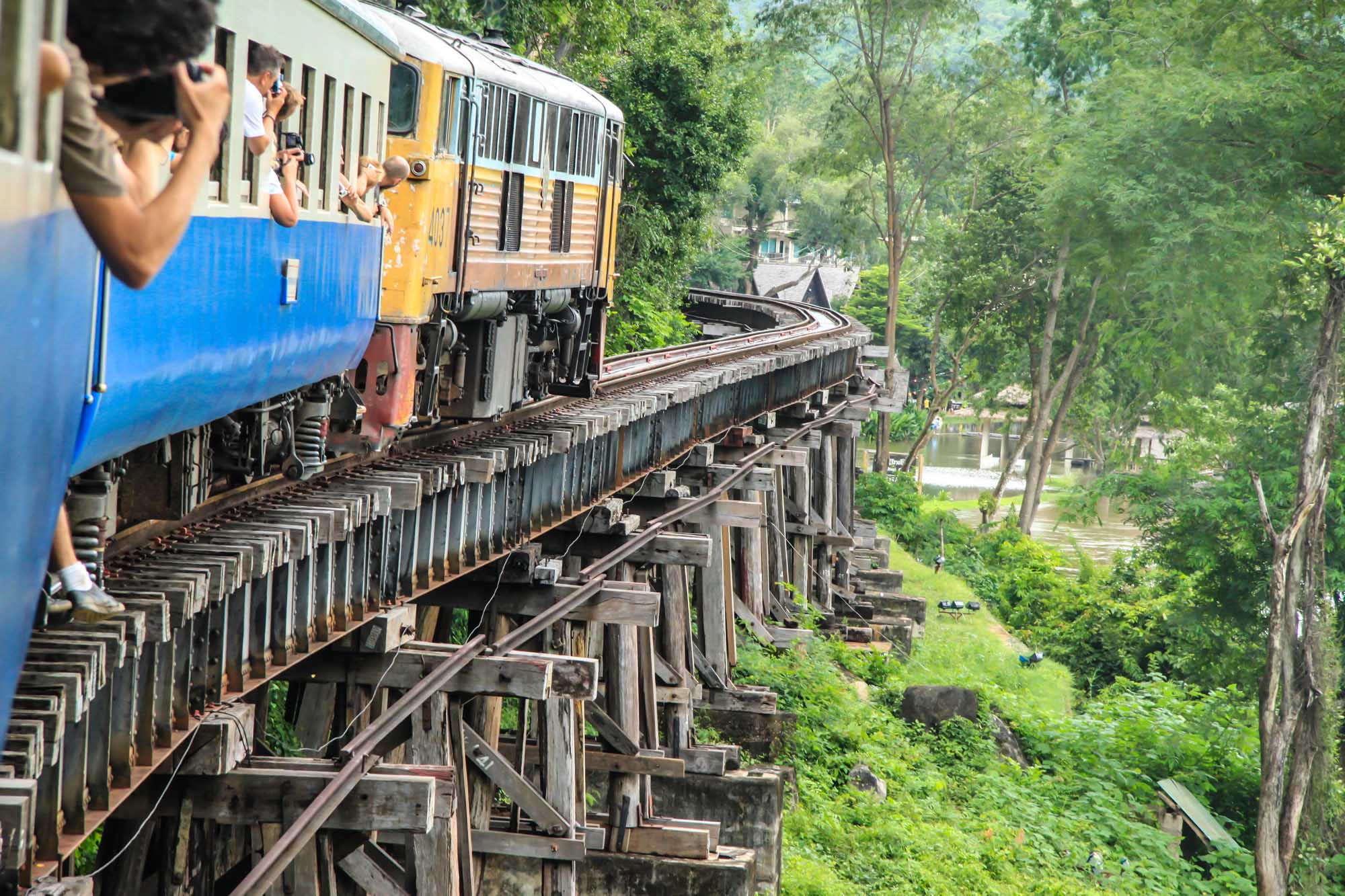
Thai Train on River Kwai Bridge of Kanchanaburi, Thailand
Who is Kanchanaburi best for?
You'll probably enjoy Kanchanaburi if you like slower-paced trips with time to reflect rather than tick off sights. It suits couples and friends who appreciate quiet riverside settings, smaller guesthouses, and unhurried evenings.
Travelers interested in history, especially World War II, often find it rewarding, as do culturally curious visitors who value context and storytelling from knowledgeable local guides. It can also work for families with older children or teens who are ready for more serious historical themes and gentle outdoor activities instead of theme-park-style attractions.
You may prefer another destination if your priority is beaches, nightlife, or big-city buzz. First-time visitors with very limited time in Thailand who mainly want classic temples, shopping, and island time might be better off focusing on Bangkok plus the islands.
Families with very young children, or anyone seeking all-inclusive resorts, large-scale entertainment, or non-stop action, may find other Thai regions a better fit for their style of holiday.
How does Kanchanaburi fit into an itinerary?
Kanchanaburi usually fits into a tailor-made Thailand trip as a short overland segment linked with Bangkok and central or northern regions. Many travelers place it after time in the capital, using it as a transition from city-based sightseeing into a slower middle section before moving on to Chiang Mai, Sukhothai, or the south.
It works best in the middle of an itinerary, typically for two or three nights, rather than as a quick day trip or final stop. Including Kanchanaburi generally slows the overall pace, adding one or two lighter travel days between more intensive destinations.
A local expert can decide whether to route you Bangkok-Kanchanaburi-north or Bangkok-Kanchanaburi-southern beaches so that journey times stay manageable and the trip flows smoothly.
Trips that include Kanchanaburi
The Tailor-made River Kwai tour combines a visit to Amphawa with a stay at Hin Tok River Camp, a two-hour walk along the former railway at Hellfire Pass Memorial, and a ride on the Death Railway from Wang Po to Takilen.
The Thailand luxury camping tour visits Kanchanaburi's War Cemetery and Bridge over the River Kwai before settling into Hin Tok River Camp, a base for exploring Hellfire Pass Memorial and Sai Yok Yai Waterfall.
The Tailor-made Thailand tour: temples and beach escape explores Hellfire Pass Museum, enjoys views of the River Kwai from Krasae Cave, and crosses the historic bridge before continuing to northern Thailand and Phuket.
For a different perspective on Kanchanaburi's scenery, our local experts can include an optional canoe journey along the Kwai Noi River, adding time on the water to your itinerary.
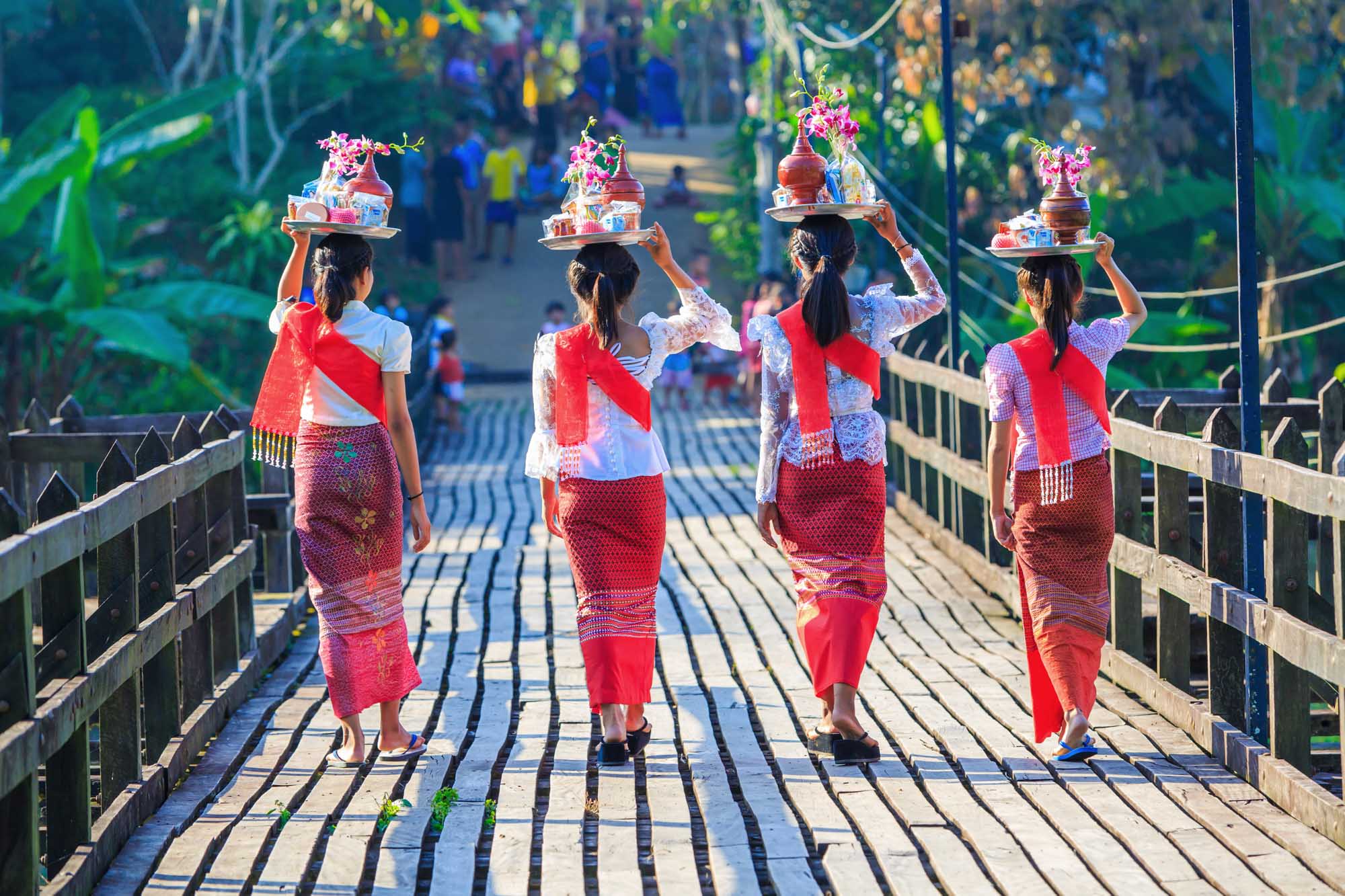
Mon girls walk on the wooden Mon bridge, the longest wooden bridge in Mon village, Sangklaburi, Kanchanaburi, Thailand
How many days do you need?
Most travelers find 2-3 days in Kanchanaburi work well within a wider Thailand itinerary. This allows time to see key World War II sites, take a scenic train ride, and enjoy at least one relaxed evening by the river. With just 1 night, you can fit in a highlights tour, but the pace will be tighter, and you will have less flexibility for detours or downtime.
Longer stays of 3-4 nights suit travelers who want more time in nature, such as visiting waterfalls in Erawan or Sai Yok National Parks, or adding a full-day guided history tour with unhurried museum visits.
Stay shorter if your trip is brief and you prioritize Bangkok or the islands; stay longer if you value slower travel, quieter settings, and deeper historical context.
| Days | Recommended focus |
|---|---|
| 1-2 days | Essential WWII sites, River Kwai bridge area, riverside evening |
| 3 days | WWII history plus one nature-focused excursion or train journey |
| 4+ days | Slower pace with additional waterfalls, caves, or countryside explorations |
Best region combinations
Bangkok and Kanchanaburi pair naturally: travel overland from Bangkok (around 2.5-3 hours by road or train), spend 2-3 nights by the river, then return to the capital or continue south. This works for first-time visitors who want a balance of city energy and quieter scenery.
Kanchanaburi can also link with Ayutthaya, routing Bangkok-Ayutthaya-Kanchanaburi-Bangkok in about a week for history-focused travelers. For longer trips heading north, some itineraries run Bangkok-Kanchanaburi-Ayutthaya-Sukhothai-Chiang Mai, suiting culturally curious guests who prefer overland journeys.
Travelers combining beaches often follow Bangkok-Kanchanaburi-Hua Hin or Bangkok-Kanchanaburi-Bangkok-Phuket or Krabi, using the city as a hub. A local expert can fine-tune these combinations to match your pace, interests, and available travel time.
When is the best time to visit Kanchanaburi?
The best time to visit Thailand for comfortable outdoor activities in Kanchanaburi is generally from November to February, when days are warm but less humid and evenings by the river feel cooler than in Bangkok. This period suits visits to waterfalls, cemeteries, and museums without the most intense heat, though it is also the busiest and should be planned well in advance.
March to May brings higher temperatures; local experts may suggest earlier starts, shaded routes, and more time on the water. The June to October rainy season brings greener landscapes and fewer crowds, but heavier showers can affect hiking and river conditions. Itineraries are often built with flexible days and backup indoor visits to museums or memorials.
Sai Yok, Kanchanaburi, Thailand
Experiences to include in Kanchanaburi
The experiences below focus on the most worthwhile ways to enjoy Kanchanaburi’s landscapes and history, helping you choose what to prioritize instead of listing every attraction.
Stay in a riverside lodge
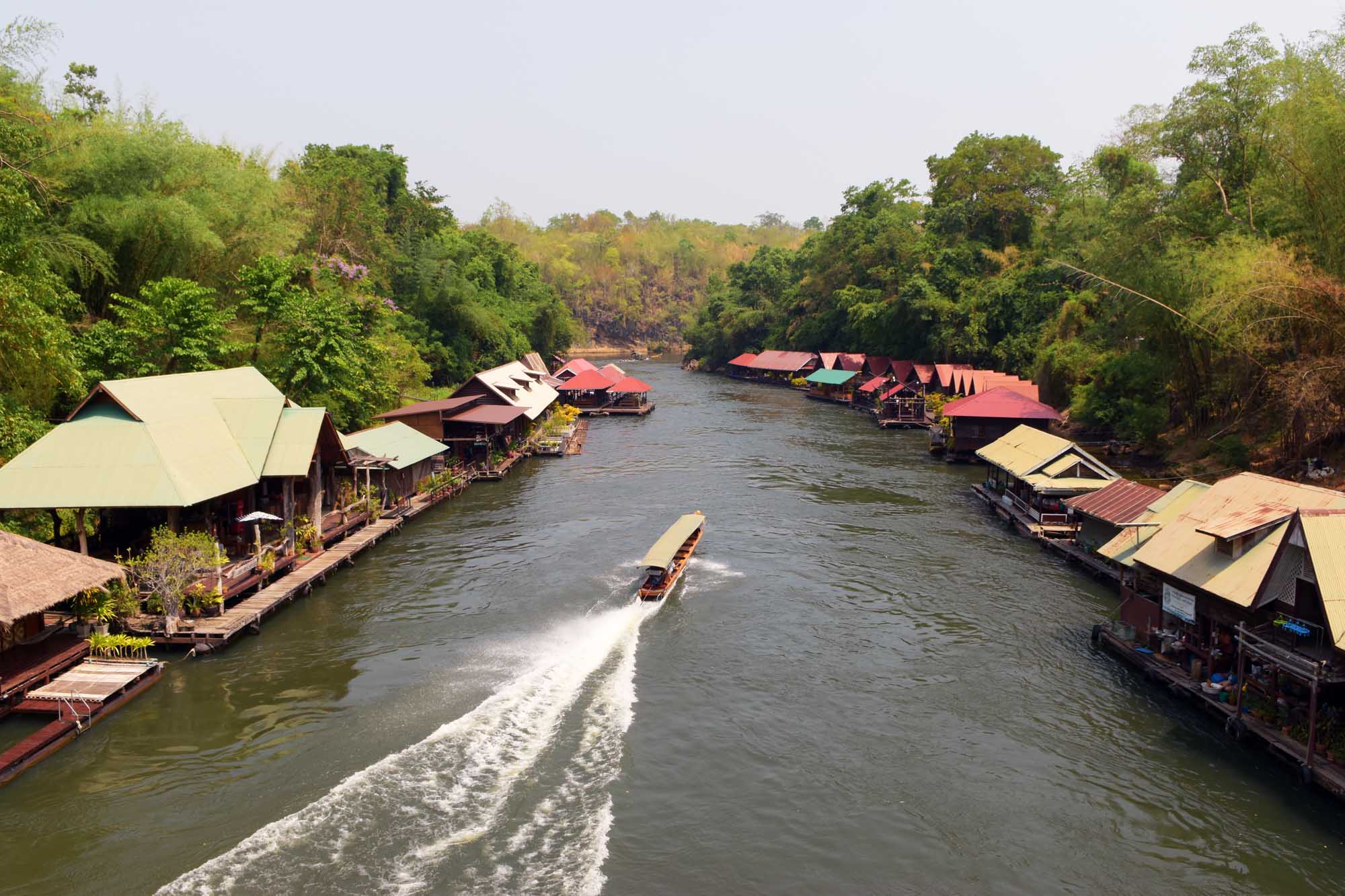
Spending at least one or two nights in a riverside lodge lets you experience Kanchanaburi’s calmer pace, with sunsets, slow breakfasts, and evening views over the water. It suits couples and friends who value atmosphere and downtime as much as daytime sightseeing.
Ride the Death Railway through the countryside
A half-day train ride along the historic railway offers a different perspective on the top attractions in Thailand, adding movement and changing scenery to your visit. River views and rural stops provide a contrast to museum-based learning, while the journey is suitable for most travelers who are comfortable with simple trains and unhurried schedules.
Visit Hellfire Pass with a guide
A guided visit to Hellfire Pass deepens understanding of the landscape and stories behind the wartime railway. Allow half a day for the museum and walking trail, which best suits adults and older teens interested in context as well as views.
Swim at waterfalls in Erawan National Park
Allow most of a day to walk between tiers, swim, and relax at Erawan’s turquoise pools. Paths can be uneven and humid, so it suits reasonably fit travelers who enjoy light hiking, cool-off swims, and a more active balance to history-focused time.
Explore caves and limestone scenery
Short cave walks and scenic limestone viewpoints offer variety beyond river and railway sites. These half-day trips work well for travelers who like gentle adventure without technical climbing, adding a different side of the landscape to an otherwise history-led itinerary.
Join a small-group or private history tour
Booking a structured half- or full-day history tour helps connect dispersed cemeteries, bridges, and museums into a coherent story. It suits culturally curious visitors who prefer clear logistics, pre-arranged transport, and expert explanations over navigating multiple sites independently.
Planning Kanchanaburi with local expert tips
Kanchanaburi combines Second World War history, river scenery and forested countryside west of Bangkok, giving it a character quite different from Thailand’s ancient capitals and major cities. A local expert can balance the historic sites around town with journeys into the surrounding province, deciding where an overnight outside Kanchanaburi itself adds something worthwhile.
Where to stay in Kanchanaburi
Staying near the River Kwai gives you convenient access to restaurants and the principal historic sites, with a broad choice of hotels and guesthouses along the river. Properties farther into the countryside offer a quieter setting and can work particularly well when nature and river scenery matter as much as the town’s wartime history.
If Erawan National Park is high on your list, accommodation outside central Kanchanaburi may also reduce some road travel. The choice is therefore less about hotel category than about how you want to divide your time between history and the surrounding landscapes.
Your local expert can keep you near town for a shorter visit or select a more secluded riverside property when you want a slower stay away from Bangkok.
How transportation can be arranged
Kanchanaburi can be reached from Bangkok by road or rail, with the train offering a slower journey that can form part of the experience.
Within the province, private transportation provides useful flexibility because Erawan National Park, historic sites, and rural areas are spread across considerable distances. Selected rail journeys along the historic route can also be incorporated without requiring you to use the train for every transfer.
Since Kanchanaburi lies west of Bangkok rather than on the main northbound corridor, its place in a wider Thailand itinerary deserves careful planning. Your expert can arrange the visit between two Bangkok stays or connect it with your next destination by road, adjusting the route around the historical sites and countryside you most want to explore.