Central Thailand is a practical choice if you want to balance Bangkok's urban energy with easy access to historic cities and quieter provinces on a longer trip to Thailand. Distances are manageable, connections are frequent, and you can build varied days without losing time in transit.
Working with a vetted local expert helps you decide how many nights to spend in Bangkok versus places like Ayutthaya or Kanchanaburi, which routes fit your dates, and what to prioritise within your budget. They turn a broad idea of seeing central Thailand thoroughly into a clear, bookable multi-day plan you can confirm with confidence.
Why visit Central Thailand?
Central Thailand is where Thailand's modern heartbeat and historic soul meet. Bangkok's temples, markets, and riverfront show the country's energy today, while nearby ancient capitals and riverside towns reflect centuries of royal power and trade.
It is worth making time for because so many everyday scenes here feel distinctly Thai: monks on dawn alms rounds, street food cooked to order on busy corners, and boats moving along canals and the Chao Phraya River.
Within a wider trip, Central Thailand gives you a reference point for Thai culture, helping what you see in other regions feel more connected. You tend to leave with sensory memories of golden roofs against a dense skyline, spicy noodles eaten by the water, and the feeling of having experienced Thailand at close range.
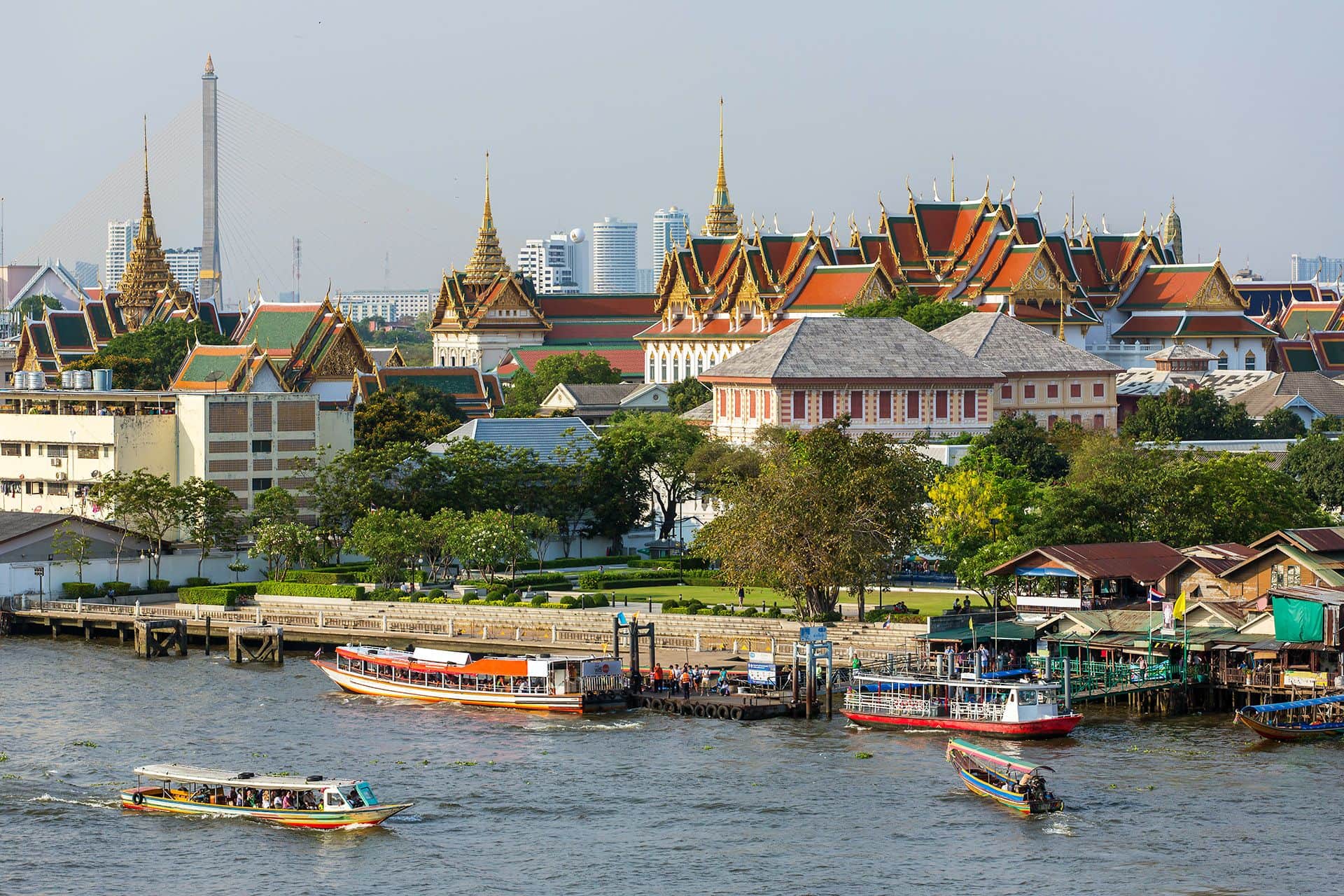
Grand Palace in Bangkok, Thailand
Who is Central Thailand best for?
You will probably enjoy Central Thailand if you like mixing different kinds of experiences in a short time frame. It suits first-time visitors who want an accessible introduction to Thailand without complex logistics, as well as couples and friends who enjoy combining food, nightlife, and calmer cultural days.
Families often appreciate the relatively short travel distances between stops, while culturally curious travelers can build itineraries around temples, local markets, and guided day trips tailored to their interests. Premium and boutique stays are easy to include for travelers who value comfort and service as much as sightseeing.
You may prefer another destination if your main goal is long, uninterrupted beach time or remote nature escapes. Travelers focused on multi-day trekking, diving-based itineraries, or very quiet islands are usually better off basing themselves in the islands or the far north, using Central Thailand only as a short stopover rather than the core focus of their tailor-made trip.
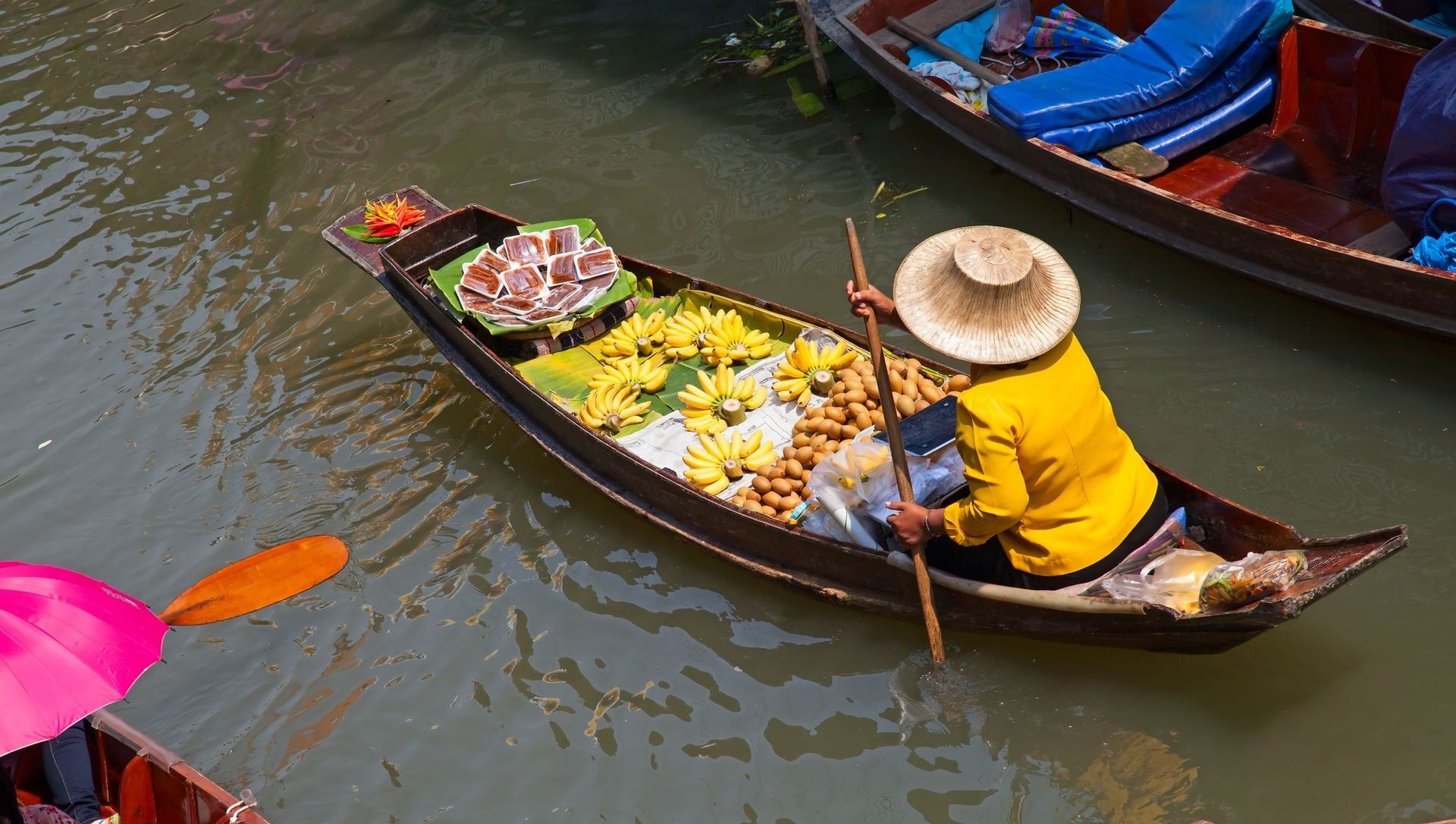
Damnoen Saduak floating market in Ratchaburi near Bangkok, Thailand
How does Central Thailand fit into an itinerary?
Central Thailand often anchors a tailor-made trip to Thailand, with many travelers flying in and out of Bangkok and building the rest of the journey around this region. It works well at the beginning of an itinerary, giving time to adjust to the country before heading to the islands, the north, or quieter rural areas. Some travelers also finish here for last-night dining and easy airport access.
Central Thailand combines naturally with the southern beaches, Chiang Mai, and the north, or shorter side trips to other nearby regions. Including it usually means a more dynamic overall pace, with denser days here balanced by slower days elsewhere.
Trips that include Central Thailand
The Northern Thailand and Koh Samui | Thailand trip explores Ayutthaya's Bang Pa In Summer Palace, Wat Phanan Choeng, and Wat Yai Chai Mongkhon, with time in the UNESCO-listed Historical Park before continuing north and then to Koh Samui.
The Tailor-made River Kwai tour explores Amphawa's canals, Wat Bang Kung, and Baan Benjarong's chinaware museum. A taxi boat ride through Damnoen Saduak Floating Market precedes a stay at Hin Tok River Camp.
The Tailor-made Thailand tour: temples and beach escape visits Kanchanaburi's Hellfire Pass Museum, takes in River Kwai views from Krasae Cave, and crosses the famous bridge before heading north and eventually to Phuket.
In Amphawa, our local experts can make room for a longer canal boat ride or an evening firefly cruise, giving you more time to experience life along the waterways.

The world’s most fascinating streets: Khao San road in Bangkok, Thailand.
How many days do you need?
Central Thailand rewards at least a few full days, especially if you want to see more than Bangkok. Use this table as a guide:
| Days | Recommended focus |
|---|---|
| 2-3 days | Stay mostly in Bangkok for key temples, canals, and street food, with perhaps one short half-day excursion. |
| 4-5 days | Combine Bangkok with a full-day trip to Ayutthaya or the floating markets, keeping travel times to a minimum. |
| 6-7 days | Add overnight stays in Ayutthaya, Kanchanaburi, or another riverside town for a slower pace and more local experiences. |
Stay shorter if Central Thailand is just a gateway before the beaches or the far north. Stay longer if you enjoy in-depth food tours, multiple temple districts, and time to relax in boutique hotels rather than rushing between sights.
Best region combinations
A classic route is Bangkok - Ayutthaya - Chiang Mai, flying between Bangkok and Chiang Mai. It suits first-timers who want culture and easy logistics, with Ayutthaya as a step between the big city and the northern hills.
Bangkok - Kanchanaburi - Hua Hin works well for travelers who like history and light outdoor time before relaxing by the sea. Transfers are typically 2-3 hours by road between each stop, keeping the trip relaxed.
For food-focused travelers, combine Bangkok with Chiang Mai and Chiang Rai, using Bangkok as both entry and exit, and fitting in day trips to Ayutthaya or nearby markets rather than changing hotels too often.
Families often enjoy Bangkok - Kanchanaburi - the islands of Koh Samui or Phuket, mixing soft adventure, wildlife experiences, and straightforward beach time, with flights linking Bangkok to the south.
When is the best time to visit Central Thailand?
The best time to visit Thailand, particularly the central region, is during the cool, drier season from roughly November to February, when heat and humidity are lower and city sightseeing feels easier. These months are also the busiest, so temples, markets, and boat tours can be crowded and prices higher.
March to May brings intense heat in Bangkok and the plains. You can still visit, but plan more indoor visits, evening walks, and stays at hotels with good pools. The rainy season, roughly June to October, means regular showers and the chance of heavy downpours, yet the countryside and riversides are lush and crowds thin out.
Local experts may shift more activities to early morning and night, suggest covered boat trips or malls during the midday heat, and build in flexible days during the wettest weeks so excursions can be swapped if the weather turns.
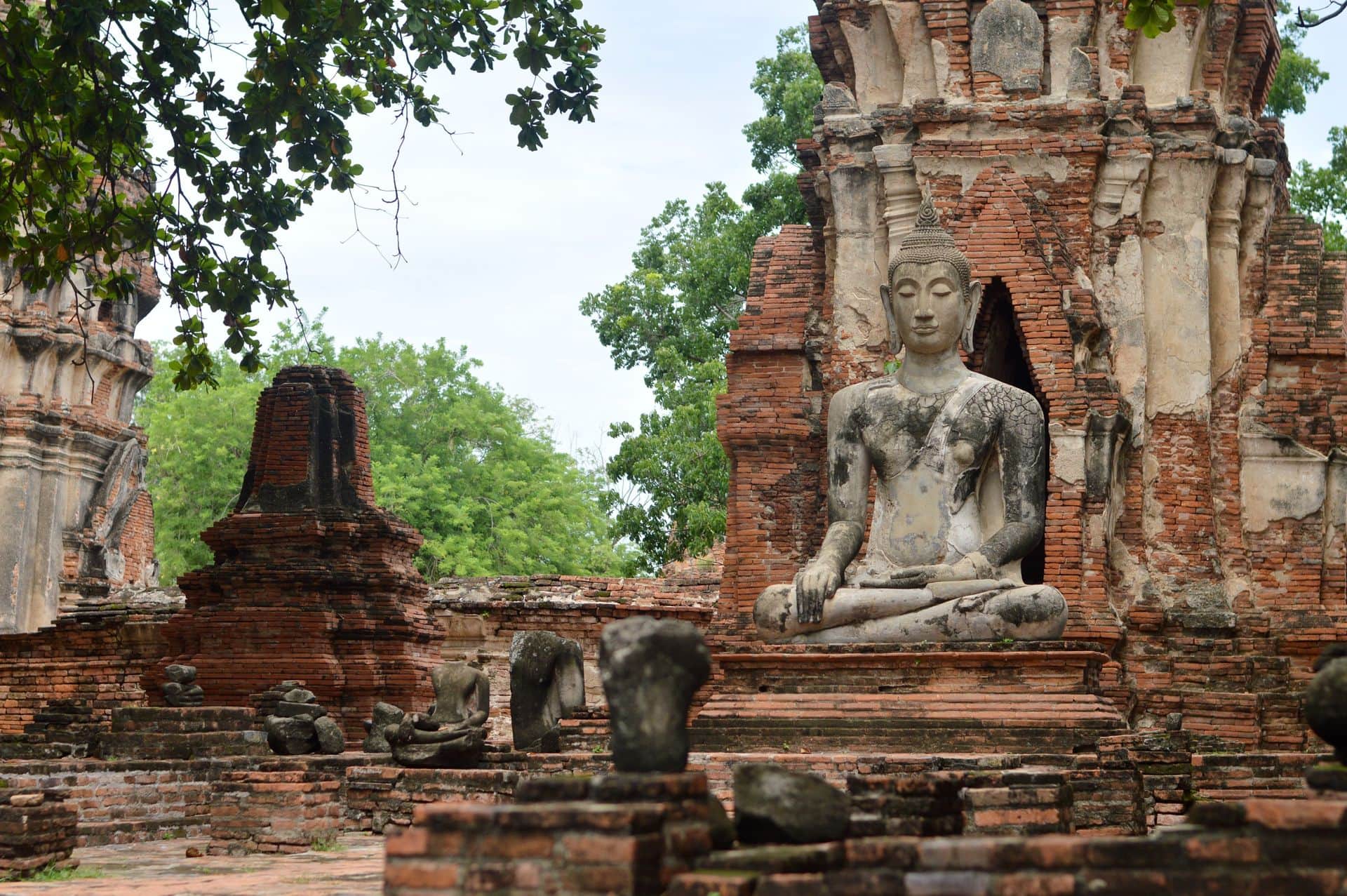
Ayutthaya
Experiences to include in Central Thailand
The experiences below highlight the most rewarding ways to spend your time in Central Thailand, helping you choose what truly adds value to your itinerary rather than listing every possible attraction.
Explore Bangkok's neighborhoods beyond the main sights
Venture into Bangkok's smaller districts to complement the top attractions in Thailand with a glimpse of everyday city life. Allow at least half a day per area for walking, cafés, and street food. This suits curious travelers who enjoy people-watching, browsing markets, and discovering quieter corners away from the main tourist routes.
Take a rivers and canals experience
Seeing Central Thailand from the water offers a calmer perspective on busy cities and towns. Plan a half or full day for a Chao Phraya cruise or longtail boat ride through historic canals. It suits couples, families, and photographers who like gentle sightseeing with regular stops.
Join a hands-on food experience
Cooking classes, market-to-table tours, and guided street food walks turn Thailand's cuisine into a deeper cultural experience. Set aside half a day to shop, cook, and taste. This particularly suits food lovers and social travelers keen to understand ingredients, customs, and everyday eating habits.
Visit an ancient capital or historic town
Central Thailand's former capitals and old towns add context to what you see in Bangkok, with ruined temples, city walls, and museums. Plan either a full-day excursion or an overnight stay. History-minded travelers and photographers especially appreciate the mix of open-air ruins and living communities.
Experience nature and soft adventure close to the city
Rivers, forests, and national parks within reach of Central Thailand offer light hiking, viewpoints, and sometimes waterfalls or caves. Allow a full day or more for comfortable travel and exploration. This suits families and active visitors who want fresh air without committing to remote trekking.
Unwind in a boutique or riverside stay
Spending unstructured time at a characterful hotel, especially by the river, can be as rewarding as sightseeing. Plan at least one slower afternoon or evening to enjoy the setting, pool, or spa. It suits couples and anyone wanting a more relaxed, premium-feeling trip.
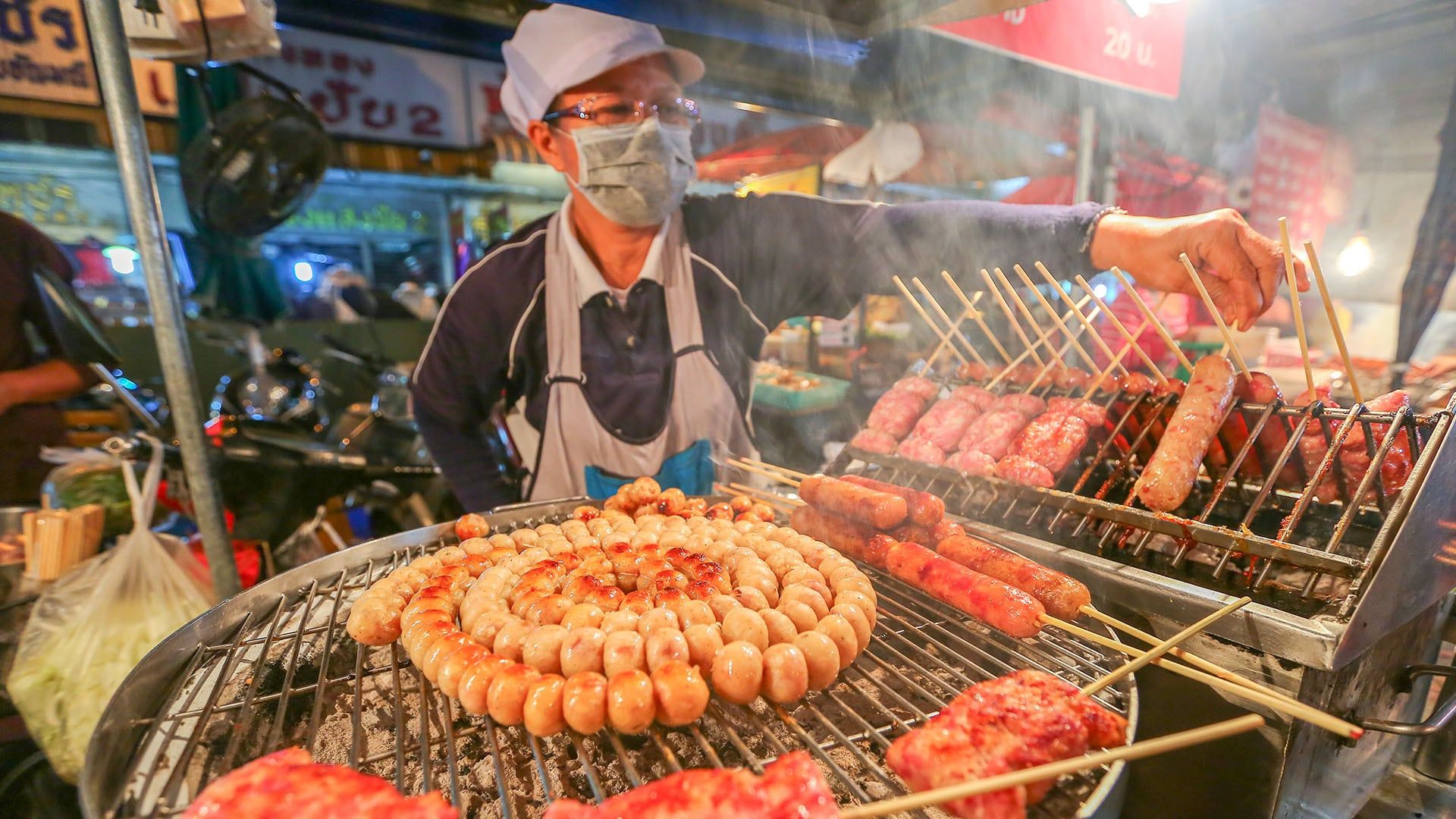
Bangkok street food
Planning Central Thailand with local expert tips
Central Thailand extends beyond Bangkok through ancient capitals, river landscapes, rural communities and historic sites that reveal a quieter side of the country. Local experts can decide which places deserve an overnight and which fit naturally into a journey north or west, avoiding repeated returns to Bangkok when a continuous route works better.
Where to stay in Central Thailand
Ayutthaya is one of the most useful overnight bases, particularly if you want to explore its temple ruins before or after the busiest daytime hours. Kanchanaburi provides a very different setting beside the River Kwai and works well for visits to historic sites and the surrounding countryside. Smaller riverside or rural properties can add atmosphere, but including too many one-night stops quickly fragments the journey.
Bangkok can still serve as a base for shorter excursions when your schedule is limited. Your local expert can choose an overnight in Ayutthaya when archaeology and history are priorities, or devote more time to Kanchanaburi when you want countryside and river scenery to provide a stronger contrast with the capital.
How transportation can be arranged
Rail services connect Bangkok with both Ayutthaya and Kanchanaburi, although private road transportation offers more freedom to combine historic sites and rural stops that lie away from the stations. Ayutthaya can be incorporated naturally into a northbound journey toward Chiang Mai rather than visited as a return excursion from Bangkok.
Kanchanaburi lies in a different direction, so adding it requires more deliberate routing. Local boats can also be useful for experiencing selected river areas. Your expert can arrange the region according to your wider Thailand itinerary, perhaps taking you from Bangkok to Kanchanaburi before returning through a different route, or placing Ayutthaya between Bangkok and your onward train north.