Northern Thailand is a smart choice if you want to balance Thailand’s headline sights with quieter, culturally rich landscapes. It fits naturally into a longer trip to Thailand, for example, after a few days in Bangkok or the islands, giving you a contrasting experience of mountains, cooler weather, and slower-paced cities like Chiang Mai or Chiang Rai.
Working with a vetted local expert helps you decide how many days to allocate here, which routes make logistical sense, and whether to prioritise temples, nature, food, or village life. Instead of piecing it together alone, you can compare tailored trip ideas and confirm the option that best matches your budget, pace, and interests.
Why visit Northern Thailand?
Northern Thailand rewards the time it takes to get there with a very different side of the country. Misty mountains, forested hills and fertile valleys frame historic cities and quiet towns where daily life still feels closely tied to tradition. Instead of bright lights and beaches, you find teak houses, night markets, and temple spires rising above old city walls.
Within a wider Thailand trip, the north acts as a calmer, more reflective chapter. The pace slows, the air cools, and there is more space to notice small details: incense curling in temple courtyards, the rhythm of monks' chants, the depth of flavors in a simple bowl of noodles.
You tend to leave with a stronger sense of Thailand's roots and regional diversity, and with memories shaped more by atmosphere and encounters than by headline sights.
Who is Northern Thailand best for?
You'll probably enjoy Northern Thailand if you like slower-paced, thoughtful travel and value meaningful local encounters over ticking off famous sights. It tends to suit couples and friends interested in food, crafts, and everyday culture, as well as repeat visitors to Thailand who have already explored Bangkok and the islands.
It also works well for active travelers who are happy with walks, light hikes, cycling, and village visits rather than intense adrenaline sports. Families who enjoy markets, animals, and informal learning experiences often find plenty to keep everyone engaged, especially with a local expert tailoring activities to children's ages and energy levels.
You may prefer another destination if your ideal trip is built around beaches, parties, or big theme parks, or if you want a resort where you rarely leave the pool. Travelers focused mainly on high-end shopping, rooftop bars, and dense urban nightlife might be happier spending more time in Bangkok or the southern islands, treating the north as a short side trip rather than the core of their itinerary.

Wat Phra That Doi Suthep Temple, Chiang Mai, Thailand © Shutterstock
How does Northern Thailand fit into an itinerary?
Northern Thailand usually slots into a longer Thailand journey as a distinct chapter with its own rhythm, often after time in Bangkok or central Thailand. Many tailor-made trips place it in the middle of the itinerary, using a flight or overland route to transition from urban or beach time into slower-paced days up north. It combines naturally with the southern islands, creating a north-south contrast in one trip.
A local expert can help you balance internal travel time with the number of nights in each stop so the shift in region feels deliberate rather than rushed. A typical flow is arrival city, then the north, then the coast, with each move designed to gradually ease the pace of the trip.
Trips that include Northern Thailand
The Northern Thailand and Koh Samui | Thailand trip visits Wat Chantaram in Uthai Thani, climbs Khao Sakae Krang, and explores Sawan Park in Nakhon Sawan. A stop at Wat Phra Si Rattana Mahathat in Phitsanulok adds another cultural highlight before the journey continues towards Koh Samui.
The Northern Thailand trip: Chiang Mai and Chiang Rai explores ancient temple ruins in Kamphaeng Phet and Aranyik, stays at Sukhothai Treasure Resort, and visits the historic temples of Sukhothai Historical Park.
The Authentic off-the-beaten-path Thailand trip climbs Khao Sakae Krang to Wat Sangkat Rattana Khiri, visits Wat Chantaram to admire murals depicting the Buddha's life, and explores Sawan Park in Nakhon Sawan.
For a closer look at northern Thailand's traditional crafts, our local experts can set aside more time for artisan workshops in San Kamphaeng, where local makers demonstrate their skills.
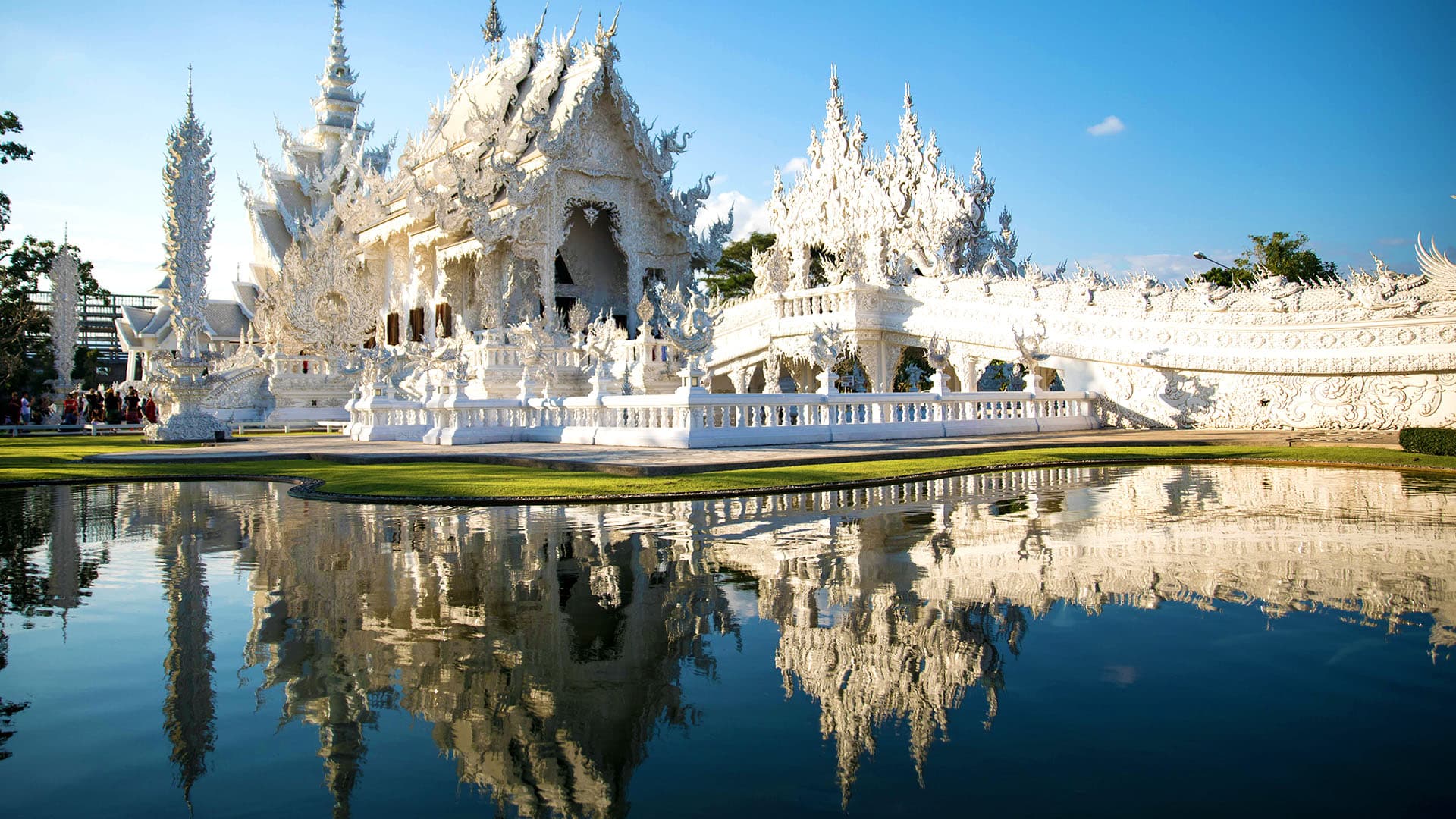
White Temple in Chiang Rai
How many days do you need?
Most travelers allow 3-5 days in Northern Thailand to balance city time with nearby countryside. In 2-3 days, you can focus on one base, usually Chiang Mai, exploring its old city, temples, markets, and perhaps a half-day cooking class or gentle bike ride.
With 4-5 days, you can add a side trip to Doi Suthep, artisan villages, or a night in the hills. A week or more lets you combine Chiang Mai with Chiang Rai, Mae Rim, or Mae Hong Son for more varied scenery and village experiences.
| Days | Recommended focus |
|---|---|
| 2-3 days | Chiang Mai highlights, temples, markets, and one short excursion |
| 4-5 days | City plus countryside: day trips, light hikes, cooking or craft experiences |
| 6-8 days | Multi-stop route including Chiang Rai or mountain towns |
Stay shorter if Northern Thailand is a contrast within a busy, multi-region trip; stay longer if you value slower days, hands-on activities, and scenic detours.
Best region combinations
Chiang Mai pairs naturally with Chiang Rai, linked by a scenic road journey of around 3-4 hours. Starting in Chiang Mai gives you time to adjust and enjoy markets and temples before heading to Chiang Rai's quieter riverfront and countryside. This combination suits travelers who want culture, gentle exploration, and a calmer feel throughout.
Another classic route is Bangkok - Chiang Mai - Pai. Fly from Bangkok to Chiang Mai for a few days, then continue overland to Pai for hot springs, relaxed cafes, and valley views. This works well for younger couples or friends who like informal, bohemian towns and do not mind winding mountain roads.
Families and first-timers often enjoy Bangkok - Chiang Mai - Krabi or Bangkok - Chiang Mai - Phuket. You move from capital city energy to Northern Thailand's cooler pace, then end with beach time in the south. These combinations balance culture, light adventure, and downtime, with short domestic flights keeping travel days manageable.
When is the best time to visit Northern Thailand?
The best time to visit Thailand for exploring the north is roughly November to February, when days are cooler and drier, making conditions well suited to walking city streets, browsing night markets, and taking light hikes. This is also the busiest time, so a Local Expert will often book characterful guesthouses and key experiences well ahead and suggest earlier starts to avoid crowds at popular temples.
March and April can be hot and, in some years, affected by regional haze. Local Experts may then emphasise more indoor activities, rural stays with cooling breezes, or routes that minimise time in affected areas. From May to October, tropical showers bring greener rice fields and fuller waterfalls, while crowds thin out. Itineraries at this time often build in flexible days, nearby alternatives if rain closes trails, and a mix of city, countryside, and cooking or craft workshops that work in any weather.

Elephants in Chiang Mai's Elephant Nature Park, Thailand © Shutterstock
Experiences to include in Northern Thailand
The activities below highlight the most worthwhile experiences in Northern Thailand, from hands-on cultural encounters to time in the hills and countryside. They are flexible building blocks your local expert can combine into an itinerary that fits you.
Wander Chiang Mai's temples and old city lanes
Spending unhurried time among Chiang Mai's temples and backstreets offers a more intimate perspective on the top attractions in Thailand, revealing everyday northern life beyond any single landmark. Allow at least half a day, ideally split between morning and evening. It suits culture lovers, photographers, and first-time visitors who enjoy walking and casual discovery.
Sample regional flavors at night markets
Night markets across Northern Thailand are an easy way to explore Lanna-style dishes, snacks, and sweets without formal restaurants. Plan an evening here for relaxed grazing and people-watching. It suits curious eaters, families, and budget-conscious travelers who like informal, sociable atmospheres.
Join a Thai cooking or craft workshop
Hands-on classes turn local ingredients and traditions into skills you can take home. Cooking, textile, or craft workshops typically fill half a day, combining market visits or garden tours with relaxed teaching. They suit couples, friends, and families who enjoy practical, creative experiences.
Spend a day in the surrounding hills and villages
A guided day into the countryside adds scenery and context you will not get by staying in town. Expect light walks, village visits, and viewpoints rather than intense trekking. Allow a full day. It suits active travelers and families comfortable with simple rural settings.
Visit Doi Suthep and nearby viewpoints at off-peak times
Visiting Doi Suthep outside the busiest hours offers cooler air, softer light, and a calmer atmosphere for the temple and city views. Plan a half-day, often early morning or late afternoon. It suits photographers, reflective travelers, and anyone happy with short climbs and stairs.
Unwind with slow days in a mountain town
Adding a night or two in a small mountain town shifts your trip into a slower rhythm of cafes, short walks, and valley views. It suits repeat visitors, digital nomads, and laid-back travelers who value atmosphere over sights. Allow at least two nights to feel the difference.
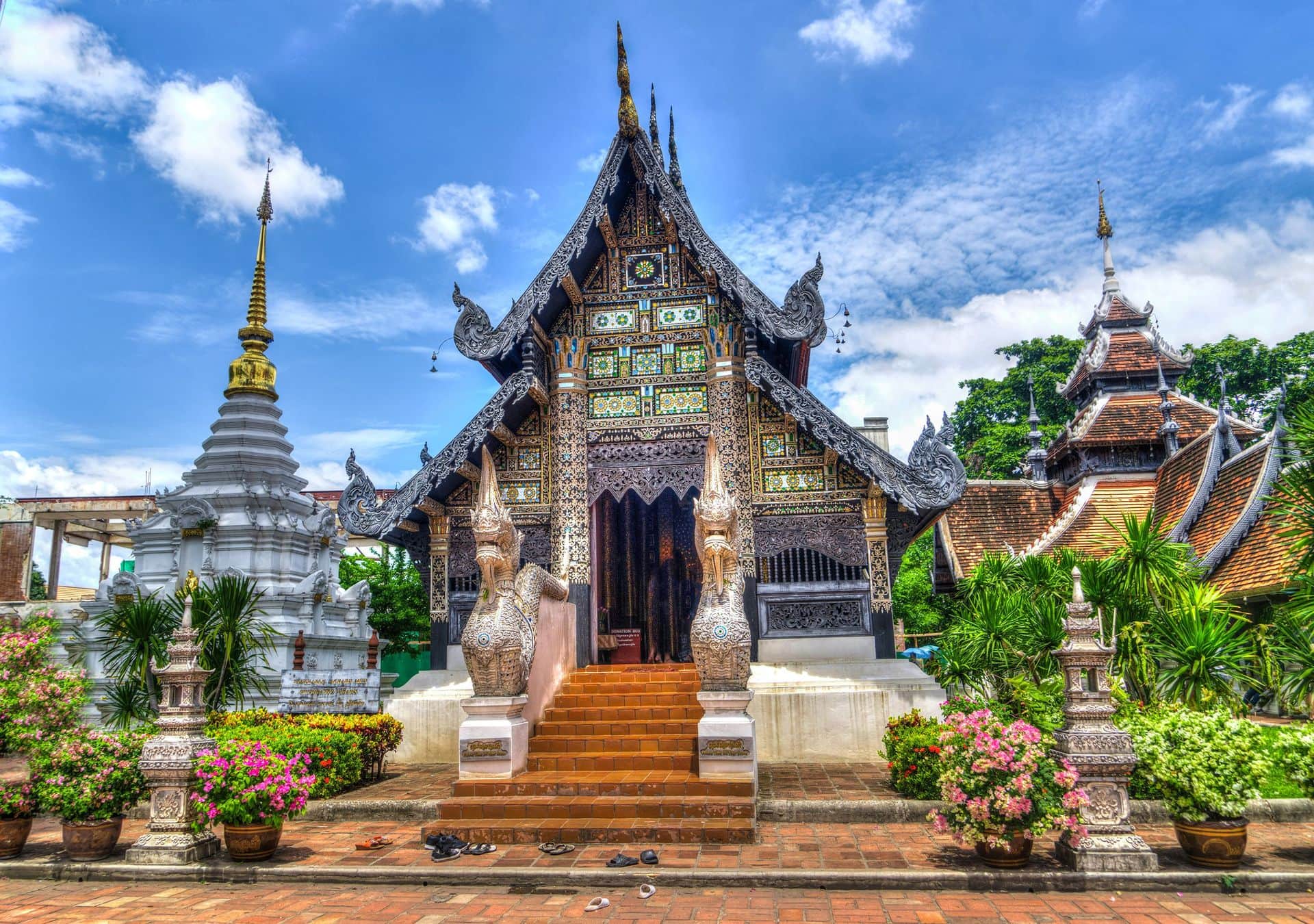
Chiang Mai temples
Planning Northern Thailand with local expert tips
Northern Thailand combines historic cities, forested mountains, temple towns and rural landscapes shaped by the cultures of communities across the region. A local expert can build the journey around a few contrasting bases, using Chiang Mai as a gateway while deciding whether Chiang Rai, smaller towns or mountain areas deserve additional nights.
Where to stay in Northern Thailand
Chiang Mai provides the broadest choice of accommodation and makes a natural first base, with the Old City convenient for temples and walking, and the riverside offering a quieter setting. Chiang Rai is worth a separate stay when you want to explore the far north rather than attempting a long return excursion from Chiang Mai.
Smaller places such as Mae Hong Son or mountain communities can add a more rural dimension, but reaching them requires additional travel time. Including too many bases can leave little opportunity to enjoy the region at a relaxed pace.
Your local expert can concentrate on Chiang Mai and Chiang Rai for a shorter journey, or reduce city time when mountain scenery and rural stays are higher priorities.
How transportation can be arranged
Chiang Mai is connected with Bangkok by air and rail, while regional flights can shorten journeys to selected destinations farther north. Private road transportation is particularly useful beyond the main cities, where mountain roads and scattered sights make fixed public transport less convenient. Chiang Rai can be reached overland from Chiang Mai, with stops incorporated along the route when they genuinely add to the journey.
More remote mountain areas require realistic travel times because winding roads can make relatively short distances slow. Your expert can arrange a route that begins in Chiang Mai, continues through the northern countryside and finishes in Chiang Rai, then coordinate your onward flight or road journey around your preferred pace and the areas you most want to explore.