Hue stands out in Vietnam for its imperial history and slower pace, offering a clear contrast to the country’s larger, more hectic cities. As the former royal capital, it combines compact sightseeing around the Citadel and royal tombs with accessible countryside, lagoon, and coastal landscapes nearby.
This makes Hue a good choice for travelers who want culture and history without sacrificing time in their itinerary to long transfers. It usually works well as a two- or three-night stop on a north-south route between Hanoi and Hoi An or Da Nang, giving enough time for key sites plus a half-day trip along the Perfume River or into the surrounding hills.
Why visit Hue?
Hue offers a quieter, more introspective side of Vietnam, where everyday life still moves to the rhythm of the Perfume River and the legacy of the Nguyen emperors. Rather than overwhelming you with noise and pace, the city invites you to slow down: linger over bowls of delicately spiced local dishes developed for royal kitchens, drift past riverside pagodas in the soft evening light, or cycle along narrow lanes lined with traditional garden houses hidden behind mossy walls.
Misty mornings often soften the outlines of the surrounding hills and tomb complexes, giving excursions an almost dreamlike quality. Buddhist chants, the scent of incense, and the muted colors of weathered imperial buildings combine into a mood you will not find in Hanoi, Ho Chi Minh City, or the beach hubs. Time in Hue leaves you with a lingering sense of Vietnam's inner life rather than a checklist of landmarks.

Hai Van Pass, Vietnam
Who is Hue best for?
You'll probably enjoy Hue if you prefer an unhurried pace and like to spend time at a few well-chosen sites each day rather than ticking off a long list. Travelers who enjoy lingering over regional dishes, adding gentle activities such as short river cruises or countryside bike rides, and having space for reflection tend to connect with Hue.
This works particularly well if you are interested in Vietnam's imperial history and spirituality, enjoy photographing atmospheric places, or are planning a north-south itinerary and want a calmer pause between larger cities. Couples, culture-focused friends, and families with older children who are curious about the past often find Hue especially rewarding.
You may prefer another destination if you want a beach-centric holiday with extensive resort facilities, late-night entertainment, or days packed with high-energy adventure activities. Travelers on a very short first trip to Vietnam who want an immediate hit of big-city buzz might feel more at home starting in Hanoi or Ho Chi Minh City, then considering Hue for a longer or return journey.
How does Hue fit into an itinerary?
Hue usually sits in the middle of a north-south route through Vietnam, working best as a calm pause between Hanoi in the north and coastal centers such as Da Nang or Hoi An in the south. It is rarely used as the first or final stop, as most travelers fly into larger gateways and then connect to Hue by short domestic flight, train, or a scenic overland drive.
Two or three nights are common, giving space to explore without rushing and avoiding a string of single-night stops. Hue also works well as a base for day trips, so you can see nearby areas while keeping one hotel and minimizing packing and unpacking.
Adding Hue to your plans softens the overall rhythm of your journey, breaking up busier city time and longer travel days and helping your itinerary feel more balanced and manageable.
Trips that include Hue
The Tailor-made Vietnam culinary discovery trip explores Thuy Bieu Village, cruises the Huong River, and cycles to the Tiger Arena and elephants' temple. The day ends with dinner at Tha Om Garden or a cyclo tour sampling Hue's local cuisine.
The Vietnam trip: Culture, coast, and island calm visits Hue's Imperial Citadel beside the Perfume River before cycling to Phu Mong village for green tea and local stories at Xuan Vien Tieu Cung, then continues towards Hoi An.
The Traditional arts and crafts Vietnam trip combines visits to Hue's Imperial Citadel and Khai Dinh Royal Tomb with hands-on bamboo paper-making and a Hue-style macramé workshop.
For more time exploring Hue's traditional crafts, our local experts can extend your macramé session at Ms. Nau's garden house, leaving room to enjoy the experience at a relaxed pace.

Dragon Boat in Hue
How many days do you need?
Hue rewards at least two full days so you can balance imperial landmarks with slower moments along the Perfume River and in the nearby countryside. A one-night stop allows a focused visit to the Imperial Citadel and a single tomb or pagoda, useful on a tight north-south schedule.
With two days, you can see core historic sites, try a few local dishes at relaxed restaurants, and add a short river cruise or gentle cycling. A three-night stay suits travelers who enjoy unhurried exploration, leaving time for quieter corners of the Citadel, village visits, or a lagoon sunset.
Longer stays work best if you use Hue as a base for day trips to coastal areas or rural communities rather than adding more rush between cities.
| Days | Recommended focus |
|---|---|
| 1 day / 1 night | Imperial Citadel plus one key tomb or pagoda |
| 2 days | Main historic sites with time for a river cruise or countryside ride |
| 3 days | Deeper exploration of quieter temples, markets, and village lanes |
| 4+ days | Using Hue as a calm base for day trips to coast and countryside |
Best region combinations
Hue combines naturally with the coastal city of Da Nang and the heritage town of Hoi An. Traveling south via the Hai Van Pass creates a scenic contrast: imperial history in Hue, ocean views around Da Nang, and lantern-lit streets in Hoi An.
This route works well over five to eight days, starting in Hue, continuing to Da Nang for a night or two, then ending with slower days in Hoi An. It suits travelers who enjoy a mix of culture, gentle activity, and varied food, without long internal flights.
Adding Hanoi at the start or Ho Chi Minh City at the end builds a classic north-south journey, with Hue as the reflective mid-trip pause between busier urban centers.
When is the best time to visit Hue?
When considering the best time to visit Vietnam, Hue is most comfortable from February to April, when temperatures are warm but not extreme and rainfall is usually lighter. These months work well for full days at outdoor sites such as the Citadel and royal tombs, as well as relaxed cycling and river trips, though you should still expect some humidity and light showers.
From May to August, heat and sun are stronger, so itineraries often shift toward earlier starts, shaded pagodas, and air-conditioned breaks in cafes. September to January brings heavier rain and occasional storms, which can affect river levels and travel plans; this period suits travelers who prioritize atmosphere over clear skies.

Vietnam, ancient Tu Duc royal tomb near Hue
Experiences to include in Hue
Hue rewards travelers who slow down. Beyond its imperial landmarks, the city offers river journeys, countryside rides, evocative tomb landscapes, and intimate food and craft experiences that add texture and balance to a wider Vietnam itinerary.
Drift along the Perfume River between Thien Mu Pagoda and village jetties
A Perfume River cruise ranks among the top attractions in Vietnam for experiencing Hue’s quieter side, passing Thien Mu Pagoda, village jetties, low hills and small temples. Allow half a day for a slow, scenic journey well suited to photographers and couples.
Cycle quiet lanes through Thanh Toan village and rice paddies
Cycling from the city edge to Thanh Toan village leads through rice fields, small shrines, and farmsteads, ending at the tiled-roof Thanh Toan Bridge. A half-day ride works well for active travelers seeking soft adventure, rural scenery, and everyday Central Vietnam life.
Explore the tomb landscapes around Minh Mang and Khai Dinh
The tomb complexes of Minh Mang and Khai Dinh combine landscaped lakes, pine-covered hills, and richly decorated terraces, rewarding unhurried walks between courtyards and viewpoints. Devote at least half a day and linger beyond the main gateways to absorb their atmosphere.
Sample Hue specialties in Dong Ba Market and riverside eateries
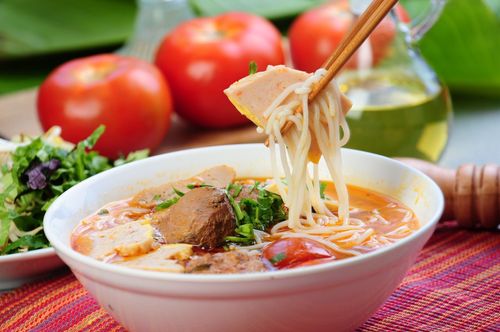
Tasting bun bo Hue, banh beo, and other local dishes in Dong Ba Market and small riverside eateries introduces the city's lighter, nuanced cooking. A morning or evening food-focused wander suits curious eaters keen to explore Vietnam's regional flavors beyond generic menus.
Stroll evening streets around the Trang Tien Bridge waterfront
An evening walk along the waterfront near Trang Tien Bridge reveals a softer side of Hue, with locals gathering, simple food stalls, and reflections on the Perfume River. Spend one or two hours; it is ideal for people-watching and relaxed, low-key city time.
Combine Lang Co Bay and the Hai Van Pass as a scenic day trip
A day trip south to Lang Co Bay and over the Hai Van Pass adds sweeping sea views, forested ridges, and a sense of journey between Hue and Da Nang. It suits travelers who enjoy scenic drives and want a memorable link between regions.

Hue, Vietnam
Planning Hue with local expert tips
Hue is shaped by its imperial past, with the Citadel, royal tombs, pagodas and Perfume River giving the city a distinctly different character from Hoi An and Da Nang. Local experts can organize these sights in a logical sequence while leaving room to experience Hue’s gardens, neighborhoods and celebrated regional cuisine.
Where to stay in Hue
The area south of the Perfume River offers a convenient selection of hotels and restaurants, with straightforward access to the riverfront and the historic center. Staying closer to the Citadel gives the visit a more atmospheric feel, particularly if you want to explore the old imperial quarter before the main sightseeing period begins.
More secluded properties on the outskirts can offer gardens and a quieter setting, although they require more transportation for evening meals and sightseeing. For most visits, changing accommodation within Hue adds little value. Your local expert can instead select a location that suits your pace, whether you want to spend most of your time around the imperial monuments or prefer a quieter retreat between excursions.
How transportation can be arranged
Hue can be reached by air, rail, or road, and its position makes it a natural stop on a journey through Central Vietnam. The railway provides connections north and south, while road travel toward Da Nang crosses the mountains and can incorporate the Hai Van Pass before continuing to Hoi An.
Within Hue, private transportation is particularly useful for visiting the royal tombs and other sites spread beyond the center, while walking works well for selected riverside and Citadel areas. Boats on the Perfume River can also form part of a day’s sightseeing. Your expert can arrange Hue as the northern end of a Central Vietnam route, then continue south by road to Hoi An with worthwhile stops incorporated into the journey.