Central Vietnam is one of Vietnam's key regions, with a compact mix of imperial sites, historic towns, and beaches that differs from the big-city focus of Hanoi or Ho Chi Minh City. It earns a place in a multi-day itinerary if you want varied experiences without long internal flights.
This stretch is most often used to connect the north and south, with practical bases in Hue, Da Nang, and Hoi An. It suits journeys that prioritize history, food, and coastal downtime over remote trekking, and typically sits between earlier days in the north and later stops in the south.
Why visit central Vietnam?
Central Vietnam stands out for the way imperial history, war-era sites, and centuries-old trading heritage sit within easy reach of quiet beaches and rural lagoons. Nowhere else in Vietnam brings together the Nguyen Dynasty citadel and riverside tombs in Hue, the lantern-lit streets and merchant houses of Hoi An, and the coastal climb of the Hai Van Pass in such a compact stretch.
You might spend a morning tracing royal rituals at pagodas, drift along the Perfume River past jungle-covered hills, then return to the coast in time to watch fishing boats head out at dusk.
The region also has a distinct culinary character, from intricate Hue specialties to simple seafood grilled beside the surf. You leave with a sense of Vietnam's layered history, experienced at a slower, more intimate pace than in the major cities.

Pine forest in Da Lat, Vietnam
Who is central Vietnam best for?
You will probably enjoy central Vietnam if you like mixing gentle exploration with downtime rather than rushing between big cities. It works well for first-time visitors who want a manageable slice of Vietnam without tackling long journeys every few days.
Families often appreciate the balance of low-key sightseeing and beach time, while couples tend to enjoy slower evenings, good food, and walkable historic districts. This region also suits travelers who are curious about local cuisine and happy to build days around markets, street food, and relaxed wandering instead of ticking off headline sights.
You may prefer another destination if you are seeking dramatic trekking, remote mountains, or intensive nature-focused travel, which are stronger in northern Vietnam. Travelers who want a pure beach resort escape with large-scale nightlife might feel better matched with southern coastal hubs.
If you only have a very short stay and want one iconic city experience, concentrating time in Hanoi or Ho Chi Minh City could make more sense than splitting days across central stops.
How does central Vietnam fit into an itinerary?
Central Vietnam usually forms the middle stretch of a longer route linking the north and south of the country. Many travelers arrive from Hanoi, Ninh Binh, or Ha Long, then spend several nights split between two bases such as Hue and Hoi An or Da Nang before continuing south toward Nha Trang or Ho Chi Minh City. This part of your itinerary often shifts the pace from intensive city sightseeing to a calmer rhythm, with more time in each stop and fewer hotel changes.
For most tailor-made trips, dedicating roughly a third of your holiday to central Vietnam is enough to balance travel days with unhurried evenings. Your route typically follows a simple north-south line using short domestic flights to Da Nang combined with train or driver transfers along the coast. The region works best as part of a road trip-style journey, using two or three well-chosen bases for day trips rather than trying to stay in every town you pass through.
Trips that include Central Vietnam
The Tailor-made Vietnam nature escape travels by overnight train to Dong Hoi before visiting Phong Nha Cave, where a boat journey reveals stalactites and stalagmites, followed by a walk along sandy riverbanks inside the cave.
The Untamed Vietnam trip | Raw culture and local nights features jungle trekking in Phong Nha, lunch with local hosts in Doong Village, and an overnight camping experience inside Hang En Cave before continuing to Hue.
The Tailor-made Vietnam culinary discovery trip explores Thuy Bieu Village in Hue and cruises the Huong River, with a choice of dinner at Tha Om Garden or a cyclo tour sampling local specialties.
In Hue, our local experts can balance a cyclo food tour with time on the Huong River, tailoring the schedule to your interests.
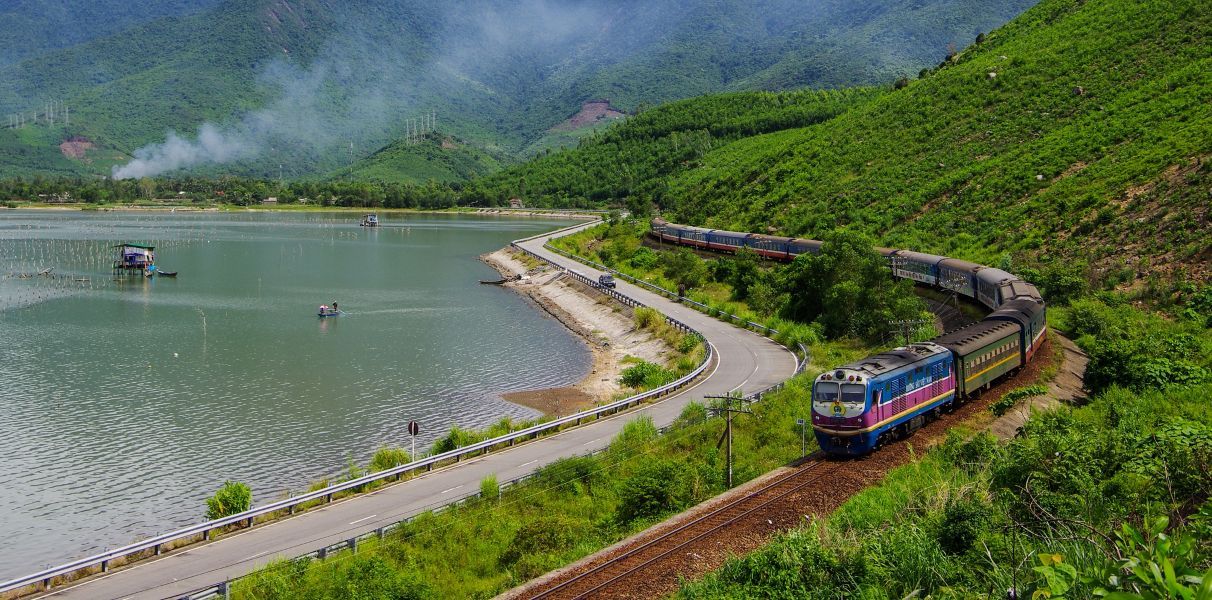
Train from Hue to Da Nang
How many days do you need?
Most travelers spend 3-6 days moving between Hue, Da Nang, and Hoi An rather than staying in a single spot. That allows time to balance major sights with quiet beach or riverside hours and a couple of flexible half-days for markets or food-focused wandering.
Shorter stays work if central Vietnam is a brief pause in a longer north-south journey, while longer trips suit those who prefer slower evenings and more time in smaller villages or on the water.
| Days | Suggested route | Ideal pace |
|---|---|---|
| 3 days | Da Nang and Hoi An | Snapshot of coast and an evening in the old town |
| 4-5 days | Hue - Hai Van Pass - Hoi An | Balanced mix of history, coastal scenery, and free time |
| 6-7 days | Hue - Da Nang - Hoi An plus rural or beach day trips | Unhurried, with space for extra countryside or lagoon visits |
Each additional day lets you add side trips to tombs, lagoons, or fishing communities, or simply enjoy slower mornings and longer meals.
Best region combinations
Central Vietnam pairs naturally with Hanoi and Ha Long Bay to the north and Ho Chi Minh City and the Mekong Delta to the south, creating a classic north-south route that suits first-time visitors who want Vietnam's key contrasts in one trip.
Hue, Hoi An, and Da Nang also combine well with beach destinations such as Quy Nhon or Nha Trang for travelers who value several days of sea views after gentle sightseeing.
Those interested in cooler air and coffee culture might link Hoi An with the Central Highlands around Kon Tum or Buon Ma Thuot, traveling overland or via short flights.
More food-focused itineraries often run from Hanoi through central Vietnam to Ho Chi Minh City, with each stop showcasing different regional dishes.
Couples and families who prefer a slower pace can stretch the journey by adding extra nights in Hoi An or on a quieter stretch of coast near Da Nang.
When is the best time to visit central Vietnam?
February to August is generally the best time to visit Vietnam for travelers exploring Central Vietnam, with warm, mostly dry weather for city walks, cultural sights and beach time. March to May is especially comfortable, while June to August is hotter and busier but well suited to family trips.
From September to January, heavier rain, occasional storms and rougher seas can affect Hue, Hoi An and Da Nang. Sightseeing remains possible, but flexible plans and more time for museums, royal tombs and indoor attractions help manage unsettled weather.
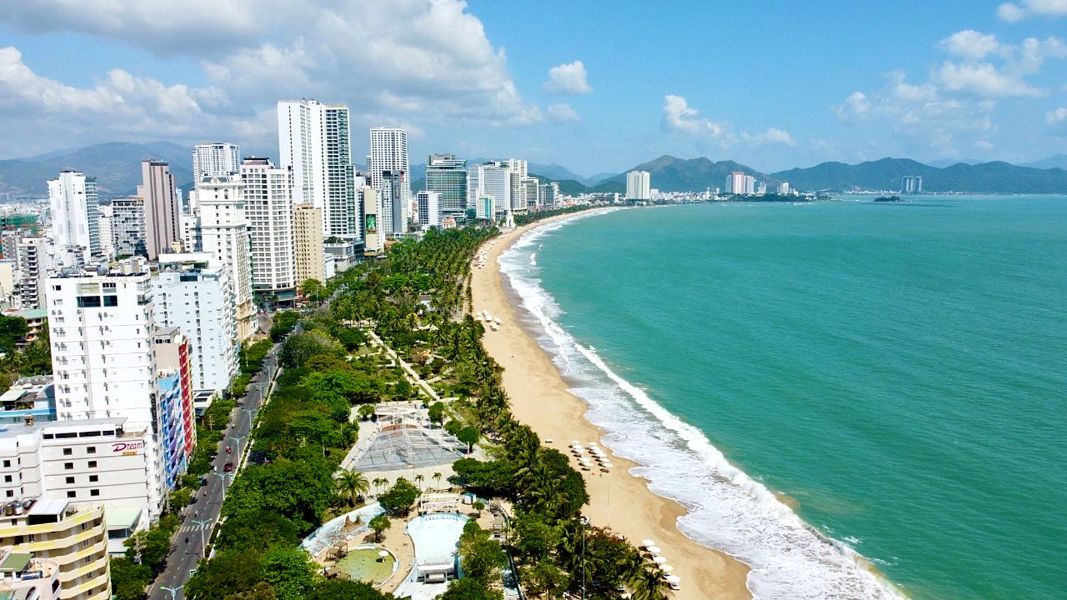
Nha Trang Beach
Experiences to include in Central Vietnam
Central Vietnam brings together imperial heritage, historic trading towns, sandy beaches and dramatic caves. Visitors can explore Hue’s royal sites, Hoi An’s lantern-lit streets, Da Nang’s coastline and the natural landscapes around Phong Nha.
Cross the Hai Van Pass between Hue and Da Nang
Driving or riding over the Hai Van Pass turns a simple transfer into a highlight, with ocean views, misty hills, and quiet stopping points overlooking Lang Co Bay. Allow half a day so you can pause for photos and a relaxed coffee stop.
Wander Hoi An's lantern-lit streets after dark
Hoi An’s Ancient Town ranks among the top attractions in Vietnam, especially after dark when lanterns illuminate the Japanese Covered Bridge and Thu Bon River. Allow at least one unhurried evening for strolling, browsing shops and enjoying a riverside dinner.
Explore imperial history along the Perfume River in Hue
Spending a day between Hue's Imperial City and the royal tombs of Minh Mang or Khai Dinh along the Perfume River gives depth to any Vietnam itinerary. A boat ride or driver makes it easy to link several sites without rushing.
Balance city and sea around My Khe Beach in Da Nang
Staying near My Khe Beach in Da Nang lets you pair relaxed mornings by the water with afternoon visits to the Marble Mountains or Son Tra Peninsula. Two or three nights here suit families and couples wanting easy beach time without isolation.
Take a countryside ride from Hoi An to Tra Que and Cam Thanh
A half-day by bicycle or scooter through Tra Que Vegetable Village and the coconut palms of Cam Thanh contrasts with town life in Hoi An. Gentle routes, local snacks, and short boat rides make it accessible for most travelers, including families.
Discover caves and karst landscapes at Phong Nha-Ke Bang
Adding one or two nights in Phong Nha-Ke Bang National Park brings jungle scenery and vast caves like Paradise Cave or Phong Nha Cave into a central Vietnam route. It rewards active travelers who appreciate nature alongside coastal and cultural stops.
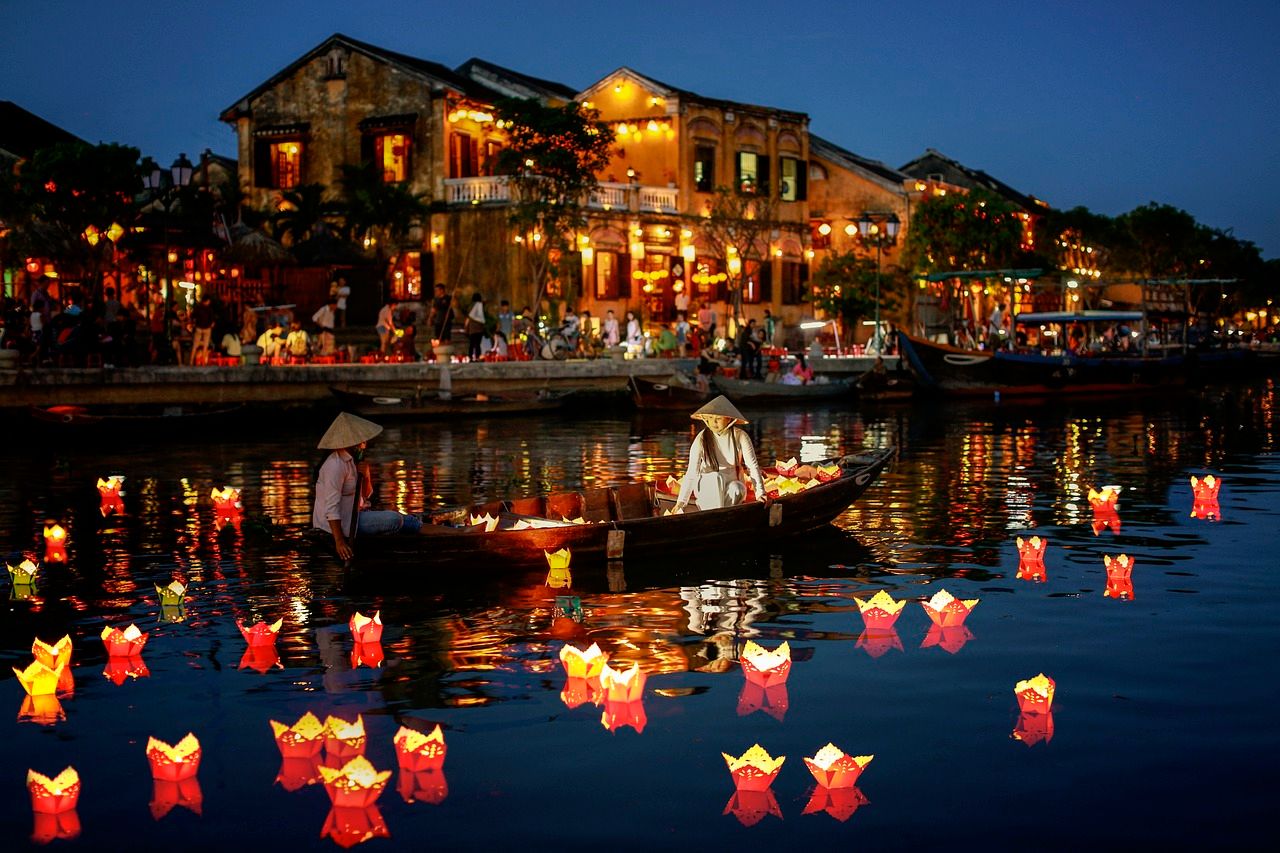
Hoi An
Planning Central Vietnam with local expert tips
Central Vietnam brings together the imperial heritage of Hue, the historic streets of Hoi An, the beaches around Da Nang, and a landscape of lagoons, mountains, and coastline. Local experts can shape the route around the experiences that interest you most, rather than giving equal time to every stop along the coast.
Where to stay in Central Vietnam
Hue is the natural base for exploring the former imperial capital, particularly if the Citadel, royal tombs and historic sites are priorities. Farther south, Hoi An offers a contrasting atmosphere, with its preserved old town, riverside setting and easy access to nearby beaches.
Da Nang has a broader choice of contemporary hotels and beachfront resorts and can be convenient for travelers who value modern facilities or straightforward airport access.
Staying in both Hue and the Hoi An or Da Nang area usually makes more sense than repeatedly traveling between them. Your local expert can divide your nights according to whether you want more time for history, food, and local culture or a slower finish beside the sea.
How transportation can be arranged
Da Nang International Airport is the principal air gateway for Hoi An and the surrounding coast, while Hue also has its own airport. Hue, Da Nang, and other cities along the central corridor are connected by rail, with the journey across the Hai Van Pass offering particularly scenic coastal and mountain views. Private road transfers provide more flexibility and can turn the journey between Hue and Hoi An into part of the trip rather than simply a transfer.
Hoi An itself has no railway station or airport, so connections normally run through Da Nang. Your expert can arrange an arrival in Hue and departure from Da Nang, or the reverse, creating a continuous route through Central Vietnam without unnecessary backtracking.