Mindanao stands out within the Philippines for its quieter shorelines, diverse cultures, and relatively undeveloped coastal areas rather than classic resort strips. Compared with Visayas or Luzon beach hubs, it has a more low-key, less commercial feel, with easy access to both diving and inland landscapes on the same route.
This region works best for travelers comfortable with longer internal journeys who want to combine beaches with nature, culture, and everyday local life. It usually fits into the middle or later part of a wider Philippines itinerary, after gateway cities and more established islands, when travelers are ready for a slower pace and more time in fewer places.
Why visit Mindanao?
Mindanao reveals a side of the Philippines where indigenous traditions, Muslim heritage, and Christian influences meet in everyday life, from mosque spires and sea-facing markets to ancestral weaving and brasswork. Along its coasts, you can still find fishing villages launching colorful outrigger boats at dawn, with fresh catch grilled on the beach instead of in large resort complexes.
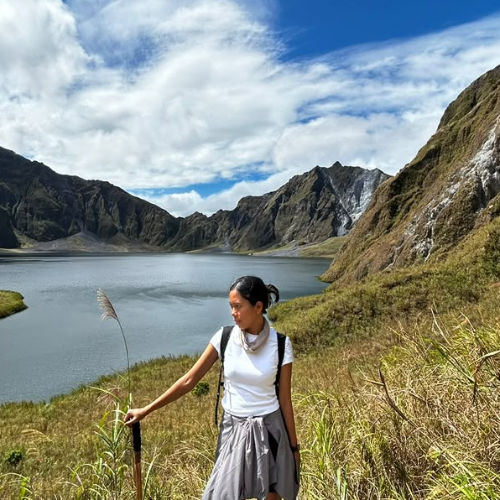
Inland, volcanoes, waterfalls, and highland farms feel wilder and less manicured than in other regions, with experiences shaped by local routines rather than fixed tour timetables. You might share a jeepney with farmers bringing produce to town, hear kulintang gongs carry across a lakeshore, or join a small banca heading to an unmarked snorkeling spot known only to residents.
This immediacy of sea-to-table life and living, layered cultures is what you would miss by choosing a more polished coastal destination elsewhere in the country.

Dahican Beach, Davao, Mindanao, Philippines @ Shutterstock
Who is Mindanao best for?
You'll probably enjoy Mindanao if you are a repeat visitor to the Philippines or a confident independent traveler who values immersion over sightseeing checklists. It works particularly well if you are happy with simpler stays, can handle longer travel days, and prefer spending more time in fewer places to get to know daily life.
Curious cultural travelers, photographers, and food-focused visitors who like local markets and unfussy seafood spots often get the most from time here. Active travelers who do not need high-end infrastructure, and flexible couples or small groups who are comfortable adjusting plans as they go, also tend to settle in well.
You may prefer another destination if you are on a first-time, short, or once-in-a-lifetime Philippines trip and want easy logistics, a wide choice of polished resorts, and quick transfers. Honeymooners seeking glamorous beachfront hotels, families needing kids clubs and structured activities, or luxury travelers who expect seamless service and extensive amenities might be happier focusing on places like Palawan or central Visayas instead.
How does Mindanao fit into an itinerary?
Mindanao usually works best as a dedicated chapter of your trip rather than a quick add-on, because distances are longer and the pace on the ground is slower. Many travelers fly into Davao or Cagayan de Oro from Manila or Cebu, then build a loop that combines one coastal base with one or two inland stops before flying back to Luzon or the Visayas.
It often suits the middle or latter part of your route, once you are ready to settle into fewer places and stay longer in each. Stays of five to seven nights in Mindanao are common, allowing time for overland transfers without rushing.
Including Mindanao generally shifts your itinerary toward a more relaxed rhythm, with fewer hotel changes and more time anchored in local communities, giving your holiday a calmer contrast to busier gateways like Manila, Cebu, or central-island hubs.
How many days do you need?
Mindanao rewards travelers who slow down. With distances between coastal and inland areas, most visitors find three to five nights in one sub-region ideal, then repeat that pattern elsewhere on the island. This allows time for a beach base, a day or two of activities such as snorkeling or market visits, plus overland travel days that inevitably eat into sightseeing.
| Time | Recommended focus |
|---|---|
| One day | Sample one city's markets and waterfront promenades, without long transfers. |
| Two nights | Settle into a single coastal town, add a half-day boat or countryside trip. |
| Four-five nights | Combine a beach base with an inland side trip, leaving room for slower travel. |
| Seven nights+ | Link two different coasts or a city-mountain-beach trio for deeper immersion. |
Each extra night mainly buys flexibility: space to react to weather, follow local tips, and avoid rushing long road or ferry journeys.
Best region combinations
- Davao City and Samal Island work well together, pairing urban markets and food with relaxed beaches a short boat ride away. Start in Davao City, then transfer by ferry to Samal for one to three nights; crossings usually take under an hour. Samal functions best as an overnight base rather than a quick stop.
- Cagayan de Oro and Camiguin combine rafting and city energy with volcanic hot springs and small-island life. Travel from Cagayan de Oro to Balingoan by road (around two to three hours), then continue by ferry to Camiguin (about one hour). Camiguin merits at least three nights.
- General Santos and Lake Sebu suit travelers interested in fishing culture and highland traditions. Drive from General Santos to Lake Sebu in roughly three to four hours, staying two or more nights in Lake Sebu to appreciate lakeside walks and cultural visits.
- Iligan City and northern Mindanao waterfalls can anchor a short loop focused on nature. Use Iligan as a one- or two-night hub, then add day trips to surrounding waterfalls and viewpoints by car over one to two hours each way.
- Butuan and Siargao (reached via connecting flights or overland plus ferry) link river history with surfing and lagoons; Siargao works best as a multi-night stay at the end of a broader Mindanao route.
When is the best time to visit Mindanao?
February to May is generally the best time to visit the Philippines for travelers exploring Mindanao, with calmer seas, clearer underwater visibility and fewer disruptions to ferries and small-boat services. Warm temperatures make swimming possible year-round, but this drier period is especially suitable for snorkeling, diving and multi-stop coastal itineraries.
From June to October, heavier rain and occasional tropical systems can affect the eastern coasts, bringing choppier water, reduced visibility and possible ferry delays. November to January is often a quieter transition period, with mixed showers, fewer visitors and better availability in small guesthouses.

Siargao Island, Philippines © Adel Newman/Shutterstock
Experiences to include in Mindanao
The experiences below highlight Mindanao's most rewarding coastal routes, highland landscapes, and cultural villages, helping you choose a few memorable stops rather than chasing every attraction across this large southern island.
Road-trip the Davao Gulf and unwind on Samal Island
Follow the coastal road south from Davao City around Davao Gulf before settling into slower days on Samal Island's beaches such as Kaputian and Canibad. Allow two to four days. This suits food-focused travelers and relaxed couples who like combining market-hopping in the city with simple boat rides, snorkeling, and low-key beachfront meals.
Chase waterfalls around Iligan and Maria Cristina Falls
Base in Iligan City and spend a day or two visiting Maria Cristina Falls, Tinago Falls, and smaller cascades in the surrounding valleys. This area suits active visitors who enjoy short hikes, cool swim spots, and photography. Expect basic roadside eateries, simple public transport, and some walking on uneven paths to reach viewpoints and pools.
Explore volcanic springs and slow island life on Camiguin
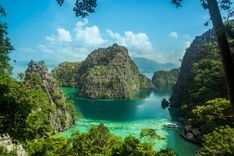
Among the top attractions in the Philippines, Camiguin combines hot springs, waterfalls, quiet beaches and the White Island sandbar along an easy coastal circuit. Stay at least three nights to explore at a relaxed pace by scooter, with flexible days shaped by the weather and stops at modest guesthouses and family-run eateries.
Raft the Cagayan de Oro River and sample city markets
Use Cagayan de Oro as a two- to three-night base to combine whitewater rafting on the Cagayan de Oro River with evening strolls through Cogon Market and the Divisoria area. This suits adventurous small groups and active couples comfortable with early starts, wet gear, and simple post-rafting meals in unfussy local spots.
Experience T'boli culture around Lake Sebu
Spend one or two nights in Lake Sebu's lakeside lodges, visiting T'boli weaving centers and viewpoints like Hikong Bente Falls. This region suits culturally curious travelers who value homely accommodation and guided walks over polished museums. Expect cool mornings, simple food, and steep village paths with occasional muddy sections after rain.
Surf and lagoon-hop around General Luna and Sugba Lagoon
Base for at least four nights in General Luna on Siargao Island to balance surfing at Cloud 9 with boat trips to Sugba Lagoon and nearby islets like Guyam Island. This suits active travelers comfortable with variable weather, shared bangka boats, and flexible daily plans shaped around tides and wave conditions.

Cagayan de Oro river rafting, Philippines © Shutterstock
Planning Mindanao with local expert tips
Mindanao covers a vast part of the southern Philippines, with major cities, mountain landscapes, agricultural highlands, and extensive coastlines separated by considerable distances. A local expert can focus the journey on a realistic part of the island, using domestic flights for longer connections and allowing more time for the places that match your interests.
Where to stay in Mindanao
Davao City is one of Mindanao’s most practical bases, with a wide range of accommodation and good connections to surrounding areas. Travelers exploring northern Mindanao may instead use Cagayan de Oro as a gateway, while Camiguin offers a smaller island setting with volcanic scenery and beaches.
General Santos can be useful for itineraries focused on the south. Rather than linking distant cities simply to cover more of Mindanao, it often makes sense to concentrate on one region and add a contrasting second base. Local conditions and travel advice can also influence which areas are suitable to include.
Your expert can shape the accommodation plan around the places you want to explore and avoid adding long overland journeys that contribute little to the experience.
How transportation can be arranged
Domestic flights are particularly valuable in Mindanao because of the island’s scale, with Davao, Cagayan de Oro, and other regional airports providing connections to Manila, Cebu, and selected Philippine destinations. Private road transportation works well for excursions and journeys within a defined region, while ferries and smaller boats are needed for some offshore destinations, including Camiguin.
Road travel can take longer than expected in mountainous or rural areas, so realistic scheduling is important. Current local conditions should be checked when arranging more remote routes. If your priorities are Davao and Camiguin, for example, your expert can compare available flight, road, and ferry connections and build the sequence around your dates rather than turning the trip into a lengthy circuit across Mindanao.