Mae Hong Son in Thailand's northwest suits travelers who want a quieter region within a longer multi-day trip. It can slot into a loop with Chiang Mai and Pai, adding mountain scenery and small-town routines without trying to cover too many major hubs at once.
A Thailand-based local expert helps you decide if the extra driving time is worthwhile for your schedule, which sections to fly or drive, and where to break the journey. They can propose specific overnight stops, village visits, and viewpoints that match your pace and comfort level so you can commit to a realistic, well-structured plan.
Why visit Mae Hong Son?
Mae Hong Son rewards the effort of reaching it with a sense of remoteness that is increasingly rare in Thailand. Mist often hangs over forested mountains, temple spires glint above the treeline, and the pace of daily life feels unhurried. This is a place to slow down, breathe cooler air and notice the quiet details: monks collecting alms at dawn, wooden houses edging the lake, and evening markets where conversation matters as much as the food.
Within a wider trip, Mae Hong Son offers a reflective counterpoint to the country’s busier cities and beach resorts, grounding your journey in landscapes and traditions that feel rooted and enduring. You are likely to leave with memories of winding mountain roads, soft light over the hills, and the sense of having encountered an older, gentler Thailand.

Winding roads on the Mae Hong Son loop, Mae Hong Son, Thailand
Who is Mae Hong Son best for?
You’ll probably enjoy Mae Hong Son if you like unhurried travel and don’t mind extra overland journeys to reach quieter corners of Thailand. It often suits repeat visitors who have already seen the main highlights and want a gentler rhythm, as well as couples or solo travelers interested in reflective time, local markets, and relaxed evenings rather than nightlife.
Patient families with older children who handle winding roads and simple comforts usually appreciate the sense of discovery. Travelers who enjoy photography, rural walks, and low-key cultural experiences also tend to find it rewarding.
You may prefer another destination if you’re a first-time visitor focused on Thailand’s greatest hits with limited time, or if you want a beach holiday, big-resort facilities, or a dense list of attractions within a small radius.
Families with very young children, travelers prone to motion sickness, or anyone needing fast-paced entertainment and shopping might be better matched with somewhere like Chiang Mai, Phuket, or Krabi.
How does Mae Hong Son fit into an itinerary?
Mae Hong Son usually slots into a longer northern Thailand journey that already includes hubs like Chiang Mai or Pai. Because of the travel time and winding roads, it often works best in the middle of a trip, once you are acclimatised and comfortable with overland travel, rather than straight after an international flight.
Many travelers build a loop: arriving in Bangkok, flying or taking the train north to Chiang Mai, then continuing overland through Pai and Mae Hong Son before returning to Chiang Mai or flying onward to the south. A local expert can advise whether to slow the itinerary with two- or three-night stops or keep a slightly faster pace, and how to balance quieter days here with more active time in cities or on the coast.

Scenery on the Mae Hong Son loop, Thailand
How many days do you need?
Mae Hong Son rewards travelers who can spare at least two to three nights, usually as part of a wider northern Thailand journey. Use the table below as a insight guides, then fine-tune with a local expert based on your pace, interests, and route.
| Days | Recommended focus |
|---|---|
| 1 day | Brief stop on the Mae Hong Son loop: a lakefront stroll, central temples, and the evening market before moving on. |
| 2-3 days | Best for most: town wandering, viewpoints, surrounding villages, and a slower feel for local life. |
| 4-5 days | Deeper exploration: extra day trips into the hills, more walking, and time to sit with the scenery. |
Choose a shorter stay if your overall itinerary is tight or you are sensitive to long road journeys. Stay longer if you enjoy unhurried travel, want time for photography and village visits, or are building a loop with multiple mountain stops.
Best region combinations
Mae Hong Son combines naturally with Chiang Mai, Pai, and other northern towns. A classic circuit runs Chiang Mai - Pai - Mae Hong Son - Mae Sariang - Chiang Mai over about five to seven days and suits travelers who enjoy scenic drives and changing landscapes.
For a gentler version, Chiang Mai - Pai - Mae Hong Son works well over three to five days, ideal for couples and photographers who prefer fewer hotel changes.
Time-poor visitors might focus on Chiang Mai - Mae Hong Son - Chiang Mai, flying one way and driving the other to balance comfort and scenery.
Repeat visitors often link Mae Hong Son with Chiang Rai via Chiang Mai, creating a broader northern arc before flying south to the islands. Local experts can advise which legs are best driven, flown, or skipped for your timeframe.
When is the best time to visit Mae Hong Son?
The best time to visit Thailand for exploring Mae Hong Son is generally during the cool, dry season from November to February, when skies are clearer, temperatures are milder, and conditions are well suited to enjoying the region's mountain scenery. This is also when the town and surrounding roads can feel busiest, although Mae Hong Son remains calmer than Thailand's major tourist centres.
The green season, usually from June to October, brings lush hillsides and fewer visitors, but heavier showers can affect mountain views and slow overland journeys. March to May is hotter, while regional haze can reduce visibility and obscure long-distance vistas.
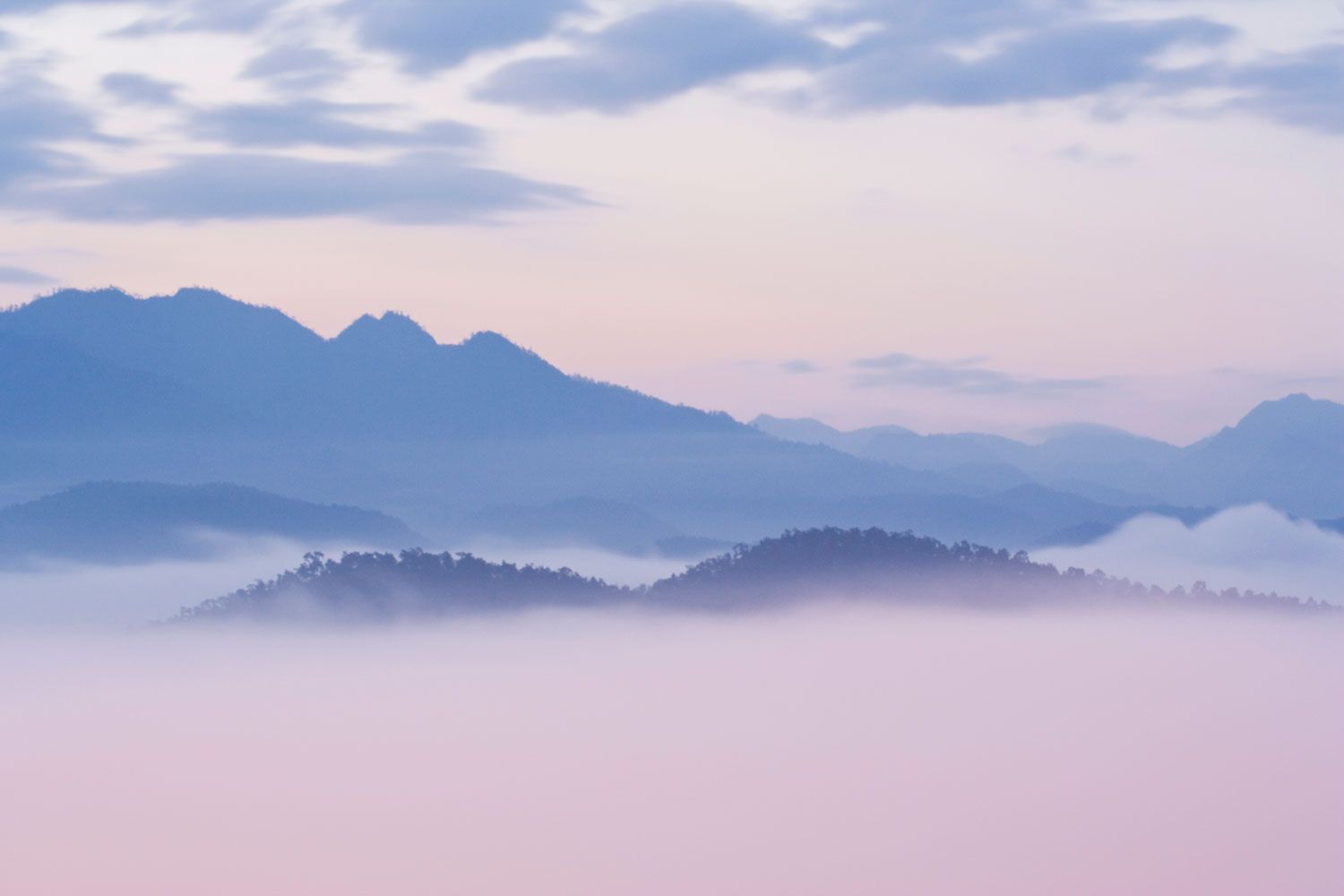
Morning mist on the Mae Hong Son loop, Thailand
Experiences to include in Mae Hong Son
The activities below highlight the most rewarding ways to enjoy Mae Hong Son's scenery, culture, and slow pace without trying to list every possible sight.
Wander Mae Hong Son's lakeside temples and streets
Spend an unhurried half-day exploring the compact town centre, circling the lake, and visiting tranquil temples set against forested hills. It offers a quieter contrast to the top attractions in Thailand and suits couples, solo travellers, and photographers who prefer peaceful atmospheres to checklist sightseeing. Expect relaxed walking, soft evening light, and a glimpse of low-key local life.
Drive scenic mountain roads between hill viewpoints
Allow at least half a day to a full day for winding drives to viewpoints above Mae Hong Son, stopping for photos and short walks. This suits travelers who enjoy scenic journeys and do not mind hairpin bends. Expect slow progress, changing light, and frequent picture stops.
Browse evening markets and sample local snacks
Set aside an evening to stroll through small local markets, trying simple grilled snacks and sweets while watching town life unfold. This relaxed experience suits most travelers, including families with older children. Expect basic stalls rather than designer shops, and a friendly but low-key atmosphere.
Take gentle countryside walks near rural villages
Spend half a day on easy walks through nearby countryside, following small roads or trails past fields, streams, and hill views. This suits travelers who like fresh air and informal exploration more than strenuous trekking. Expect simple paths, changing scenery, and occasional village encounters.
Pause for quiet reflection at hilltop viewpoints
Dedicate an early morning or late afternoon to a hilltop temple or viewpoint overlooking Mae Hong Son. It is ideal for travelers who appreciate stillness, photography, and soft mountain light. Expect steps or short climbs, cooler air, and time simply to sit and take in the landscape.
Build in slow days between more active stops
Plan at least one largely unscheduled day in Mae Hong Son to rest between busier city or beach stays. Read by the lake, spend time in small cafes, or wander without a fixed agenda. This suits slow-travel enthusiasts and anyone needing a pause in a packed Thailand itinerary.

Karen vendor, Woman selling Karen hill tribe designs, Pai, Mae Hong Son, Thailand
Planning Mae Hong Son with local expert tips
Mae Hong Son lies among the mountains of northwestern Thailand, with forested landscapes, temples and communities influenced by cultures on both sides of the nearby Myanmar border. A local expert can make the journey part of the experience, choosing a route that allows for the region’s winding roads rather than treating Mae Hong Son as a simple extension of Chiang Mai.
Where to stay in Mae Hong Son
Mae Hong Son town is the most practical base, with accommodation close to Jong Kham Lake, local restaurants, and the temples around the center. Properties outside town offer quieter surroundings and mountain views, but having private transportation becomes more important.
Pai can also form part of a wider journey through Mae Hong Son Province, although its atmosphere is quite different and it deserves its own stay rather than a hurried stop.
The long mountain roads make frequent hotel changes tiring, so choosing fewer bases generally works better. Your local expert can give Mae Hong Son additional time when temples, rural landscapes, and quieter surroundings are priorities, or divide the journey between Mae Hong Son and Pai when you want more variety.
How transportation can be arranged
Road travel from Chiang Mai takes you through mountainous terrain with numerous bends, so journey times need to remain realistic, and regular stops can make the route more enjoyable. Private transportation provides flexibility for viewpoints, villages and places outside Mae Hong Son town, while regional air services may offer an alternative when suitable flights are operating.
Travelers following the wider Mae Hong Son Loop can continue through Pai rather than retracing the same road. Your expert can arrange the journey in stages, selecting overnight stops according to how much mountain driving you are comfortable with. If Chiang Mai is both your starting and finishing point, they can create a circular route that gives each section of the province a distinct role in the trip.