Sukhothai is ideal if you want a focused, historically rich stop within a longer, tailor-made journey through Thailand. Rather than trying to plan everything independently, a local expert can help you decide how many days to dedicate here, how to balance time between the UNESCO-listed Sukhothai Historical Park and nearby rural communities, and whether to link it with Bangkok, Ayutthaya, or Chiang Mai.
They design a realistic multi-day route, organize transfers and accommodation, and schedule guided visits at cooler, quieter times of day. This decision-led approach helps you use limited days in Thailand efficiently, fitting Sukhothai neatly into your wider itinerary.
Why visit Sukhothai?
Sukhothai rewards the time it takes to reach it with a powerful sense of stepping back to the beginnings of Thai culture. Walking or cycling among serene Buddha statues, lotus-filled ponds, and crumbling laterite stupas, you see the outlines of a former royal capital rather than a single, isolated temple.
The atmosphere is calm and spacious, inviting you to slow down and notice detail: the curve of a Buddha's hand, the play of light on brick, the silhouettes of chedis at sunset. Within a wider journey through Thailand, Sukhothai acts as a quiet, reflective pause between busier cities and beaches, where history feels tangible but not overwhelming.
You are likely to leave with a clearer picture of how the Thai state, language, and artistic style took shape, and with vivid impressions of ruins and landscapes that stay with you long after you move on.
Who is Sukhothai best for?
You'll probably enjoy Sukhothai if you are a culturally minded traveler who values history, art, and quieter settings over nightlife and shopping. It suits couples and solo travelers who like to move at a slower pace, photograph atmospheric sites, and reflect rather than rush.
Curious first-time visitors to Thailand who want more than beaches and big cities often appreciate adding Sukhothai to balance their itinerary. Older travelers, or anyone who prefers gentle walks and relaxed cycling to more strenuous treks, also tend to find it rewarding, especially with a local expert planning logistics.
You may prefer another destination if your main priorities are beaches, parties, or high-end dining and shopping. Families with small children who need lots of varied activities, resort facilities, and entertainment might find other Thai destinations easier.
Dedicated adventure travelers looking for intensive jungle trekking, diving, or mountain activities will usually be better served in places like Chiang Mai, the Andaman coast, or the Gulf islands.
How does Sukhothai fit into an itinerary?
Sukhothai usually works best as a short, focused segment within a wider tailor-made journey through Thailand, rather than the main base. Travelers often route it between central Thailand and the north, using it as a transition point between Bangkok or Ayutthaya and Chiang Mai or the Golden Triangle.
It fits most naturally in the middle of a trip, creating a calmer section between busier urban or beach stays. A local expert can advise whether to arrive overland or by a short flight, how many nights to allocate, and how to balance time here with other central and northern regions so the overall itinerary feels unhurried yet efficient.
Trips that include Sukhothai
The Northern Thailand trip: Chiang Mai and Chiang Rai includes a stay at Sukhothai Treasure Resort and a guided visit to Sukhothai Historical Park, exploring Wat Mahathat and Wat Si Sawai before continuing to Lampang.
The Northern Thailand and Koh Samui | Thailand trip explores Sukhothai Historical Park by bicycle, stopping at Wat Mahathat, Wat Sri Sawai, and Wat Sra Sri before heading towards Lampang and, later, Koh Samui.
The Tailor-made Thailand tour: temples and beach escape discovers Sukhothai's Buddha statues, lotus ponds, and ancient temples before visiting Sri Satchanalai Historical Park for cycling and photography. The journey continues through Lampang towards Phuket.
For more time among Sukhothai's historic ruins, our local experts can extend the cycling route through the Historical Park, allowing for leisurely stops at its temples and monuments.

Sukhothai Wat Mahathat Buddha, Thailand © Shutterstock
How many days do you need?
Most travelers find 1-2 full days in Sukhothai enough to explore the Historical Park and get a feel for the old capital. With 3 days, you can add countryside cycling, village visits, or extra time at less-visited temple zones without feeling rushed. Stays longer than 3 days tend to suit travelers who enjoy very slow travel or want time for rest between cultural visits.
| Days | Recommended focus |
|---|---|
| 1 day | Core temples in Sukhothai Historical Park, sunset at a viewpoint, simple overview of the former capital. |
| 2 days | Different temple zones by bicycle or tram, plus a more relaxed second visit or a museum stop. |
| 3 days | Historical Park plus nearby rural areas, handicraft villages, or extra photography time at quieter sites. |
Stay shorter if you are on a tight schedule and mainly want highlights. Stay longer if you value slower exploration, photography, and time in the surrounding countryside; a local expert can shape the rhythm to your wider route.
Best region combinations
Sukhothai combines naturally with Ayutthaya and Bangkok for a journey through Thailand's royal capitals. A common route is Bangkok - Ayutthaya - Sukhothai - Chiang Mai, using trains, private transfers, or a short flight where helpful. This suits culturally curious travelers who want a clear historical narrative before continuing to nature or beach regions.
Another effective combination is Sukhothai with Lampang and Chiang Mai. Traveling Sukhothai - Lampang - Chiang Mai overland gives a gradual transition from archaeological ruins to living temples and northern markets, ideal for those who prefer fewer flight connections and enjoy varied but not overly busy towns.
For beach time, many travelers pair Sukhothai with Krabi or Phuket, typically routing Bangkok - Sukhothai - Chiang Mai - Krabi/Phuket. This works well for first-time visitors seeking both culture and coastal relaxation, with Sukhothai as a calm midpoint.
When is the best time to visit Sukhothai?
The best time to visit Thailand for exploring Sukhothai is generally during the cool, dry season from November to February, when milder daytime temperatures make discovering the ancient ruins on foot or by bicycle more comfortable. This is also peak visitor season, so a Local Expert may time visits for early morning or late afternoon to avoid the busiest periods and midday heat.
March to May is hotter but still manageable if sightseeing is divided into shorter sessions, with air-conditioned breaks and time in shaded areas. From June to October, rain showers are common, yet the landscape turns lush and green, while Sukhothai Historical Park can feel quieter and more atmospheric.

The Old Temple in Sukhothai's ancient city © Hilton Yip
Experiences to include in Sukhothai
The activities below highlight the most rewarding ways to experience Sukhothai, adding depth and variety to a wider Thailand itinerary rather than listing every temple or viewpoint.
Explore Sukhothai Historical Park by bicycle
Pedaling between lotus ponds, towering Buddha images, and crumbling chedis offers an active way to experience some of the top attractions in Thailand while appreciating the scale and serenity of the old capital at your own pace.
Allow half to a full day, pausing for photos and shaded breaks along the way. It suits culture lovers, photographers, and active travellers comfortable with light cycling on mostly flat terrain.
Experience sunrise or sunset among the ruins
Soft early or late light brings out brick textures, reflects in ponds, and creates a tranquil mood as the park is at its quietest. Devote one morning or evening to slow wandering and contemplative photography. This suits photographers, couples, and anyone wanting a more atmospheric, less crowded experience.
Visit village workshops and local markets
Nearby villages and markets reveal daily life beyond the ruins, from ceramic kilns to food stalls and small family-run shops. Set aside half a day with a guide to translate and introduce artisans. It is ideal for travelers interested in local crafts, food culture, and personal encounters rather than souvenir strips.
Cycle or drive through the surrounding countryside
Rice fields, canals, and quiet backroads offer a gentle rural backdrop to the historical core. A half-day ride or drive lets you see farmers at work, small shrines, and tree-lined lanes, often with very light traffic. This suits travelers who enjoy slow, scenic exploration and want a fuller picture of the region.
Include the Ramkhamhaeng National Museum
The museum's statues, inscriptions, and artifacts provide context that deepens what you see among the ruins, especially around art styles and the rise of Thai script. Allocate one to two hours, ideally paired with a park visit. It works well for curious travelers who like background stories and cooler indoor time between outdoor sights.
Experience Sukhothai by night during festivals
On certain nights and festivals, especially Loy Krathong, illuminated ruins, water lanterns, and cultural performances transform parts of the park. If your dates align, spend an evening here to see the monuments in a different light. It suits travelers comfortable with some crowds who enjoy traditional performances and atmospheric photography.
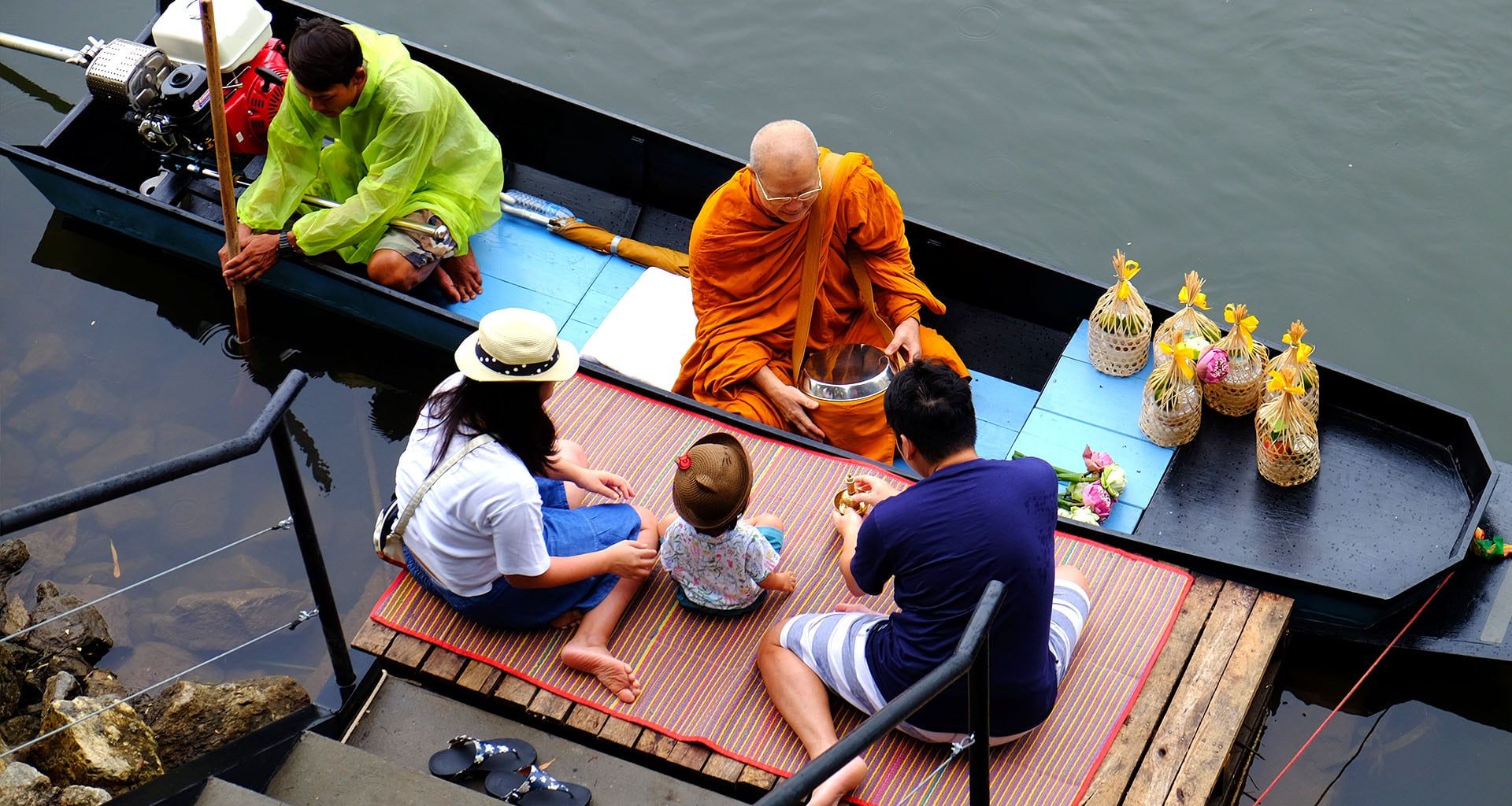
Sukhothai, Thailand, family tour
Planning Sukhothai with local expert tips
Sukhothai preserves the temples, Buddha images and monuments of Thailand’s first major kingdom within a spacious historical park surrounded by countryside. A local expert can give the ancient capital a natural place between Bangkok and Northern Thailand, allowing you to explore at a quieter pace rather than squeezing the ruins into a long travel day.
Where to stay in Sukhothai
Accommodation near Sukhothai Historical Park is the most convenient choice when the ancient city is your main reason for visiting. Staying here makes an early start simple and allows you to return to your hotel easily during the hotter part of the day. New Sukhothai, farther east, has more everyday services and a greater sense of contemporary local life, but requires transportation to reach the ruins.
For most heritage-focused itineraries, changing between the two areas offers little advantage. Your local expert can choose a property near the historical park and devote additional time to the ruins if archaeology and photography are priorities, or keep the stay concise when Sukhothai forms a cultural stop on the journey toward Chiang Mai.
How transportation can be arranged
Sukhothai sits away from Thailand’s principal northbound railway, so reaching it requires more planning than visiting Ayutthaya. Road transportation is particularly useful when arriving from central Thailand or continuing north, while regional flights may suit some itineraries depending on current schedules.
Within the historical park, bicycles are a pleasant way to move between many of the monuments, with private transportation useful for more distant temple groups.
Your expert can incorporate Sukhothai into an overland journey without requiring a return to Bangkok. For example, they can arrange your arrival from Ayutthaya or another central stop, leave a full morning for the historical park, then continue toward Chiang Mai at your preferred pace.