Hoi An is a compact, walkable town in central Vietnam, known for its well-preserved historic center, riverside setting, and easy access to nearby beaches and countryside. It makes a useful contrast to larger cities such as Hanoi and Ho Chi Minh City, adding a slower-paced stop to a wider Vietnam trip.
For most itineraries, Hoi An works best as a short stay of two to three nights. This allows you to see the Old Town at different times of day, arrange simple tailoring if needed, and add a countryside ride or beach visit, without disrupting the overall pace of a route through Vietnam.
Why visit Hoi An?
Hoi An offers a rare sense of time standing still, with lantern-lit evenings, low-rise merchant houses, and a riverside setting that feels more like a lived-in museum than a modern city. What sets it apart within Vietnam is how closely everyday life still revolves around traditional skills: tailors cutting fabric in open-front shops, lantern makers shaping bamboo frames, and boat builders working along the riverbank.
Within a short walk, you move from centuries-old assembly halls to bustling markets and narrow alleys scented with incense and street food. This density of intact heritage, hands-on craftsmanship, and intimate streetscapes in such a compact space is unusual in Vietnam.
Spending time here leaves you with a sensory picture of a historic trading port still functioning as a real town, rather than as a preserved monument.
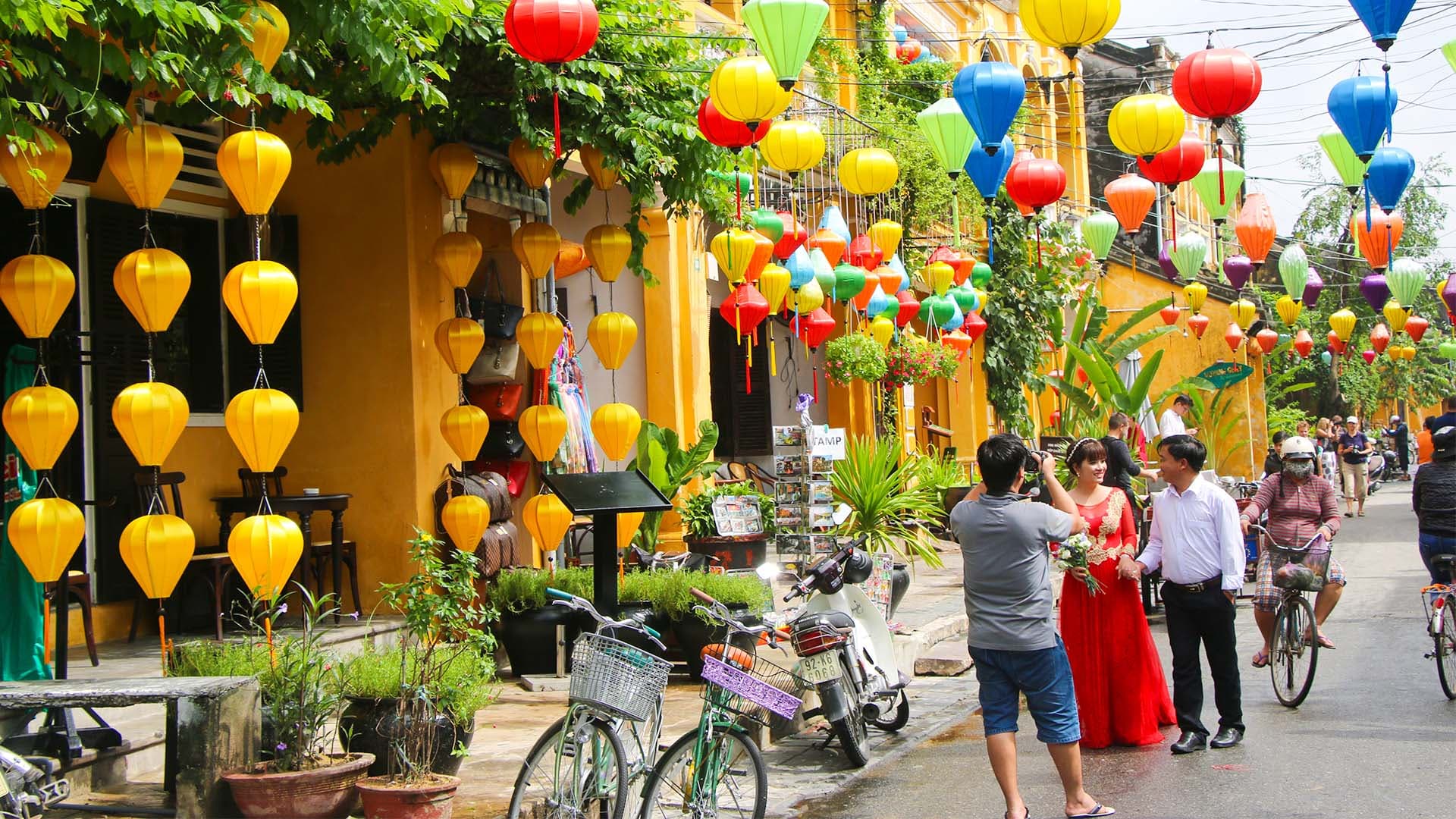
Hoi An, Vietnam
Who is Hoi An best for?
You'll probably enjoy Hoi An if you like to slow your pace a little and spend time on simple pleasures: wandering on foot, lingering over meals, or browsing small independent shops. It works particularly well for couples looking for a gentler few days within a longer Vietnam route, and for friends who enjoy food-focused travel, cooking classes, and cafe hopping more than nightlife.
Families with school-age children often appreciate the manageable size and low-key atmosphere, especially if they value hands-on activities such as lantern-making or cycling rather than big-ticket attractions. First-time visitors to Vietnam often find it an easy place to adjust to the country, especially when paired with more intense cities.
You may prefer another destination if your priority is high-energy nightlife, extensive resort facilities, or a very busy sightseeing schedule. Travelers who dislike crowds in compact historic areas might feel restless here after a short stay, and those focused mainly on trekking, dramatic landscapes, or adventure sports may want to keep Hoi An as a brief stop.
In these cases, a day trip from nearby beach resorts or Da Nang can be enough to get a taste without devoting multiple nights.
How does Hoi An fit into an itinerary?
Hoi An typically serves as a gentle mid-trip pause on a longer route through Vietnam, often following time in busier hubs like Hanoi, Ho Chi Minh City, or Da Nang. Most travelers arrive via the short road transfer from Da Nang, slotting Hoi An between major city stays or coastal stops such as Hue, Quy Nhon, or Nha Trang. It works best as an overnight stay of two or three nights rather than a day trip, because that window lets you unpack, adjust your pace, and keep your daily plans light.
In itinerary design, Hoi An is where you shorten travel days and build in recovery time after flights, train journeys, or intensive sightseeing. Adding it to your route naturally slows the rhythm of your holiday, with shorter transfers and more flexible blocks in your schedule before you continue south along the coast or return north toward Hue and beyond.
Trips that include Hoi An
The Vietnam trip: Culture, coast, and island calm explores Hoi An Ancient Town, visiting the Japanese Covered Bridge and Tan Ky House, with time for tea or coffee at Reaching Out Teahouse before continuing towards Phu Quoc.
The Classic Vietnam trip discovers Hoi An's historic streets, including the Japanese Covered Bridge and Tan Ky House, before cycling across Cam Kim Bridge to visit traditional carpentry workshops.
The Tailor-made Vietnam culinary discovery trip begins its Hoi An cooking experience at Hai Scout Café, followed by a river cruise to Red Bridge Cooking School for cooking and food carving lessons. The itinerary also includes a visit to Tan Ky Old House.
To discover Hoi An's traditional crafts, our local experts can include extra time for a bamboo-and-silk lantern-making workshop, where you can create your own lantern.
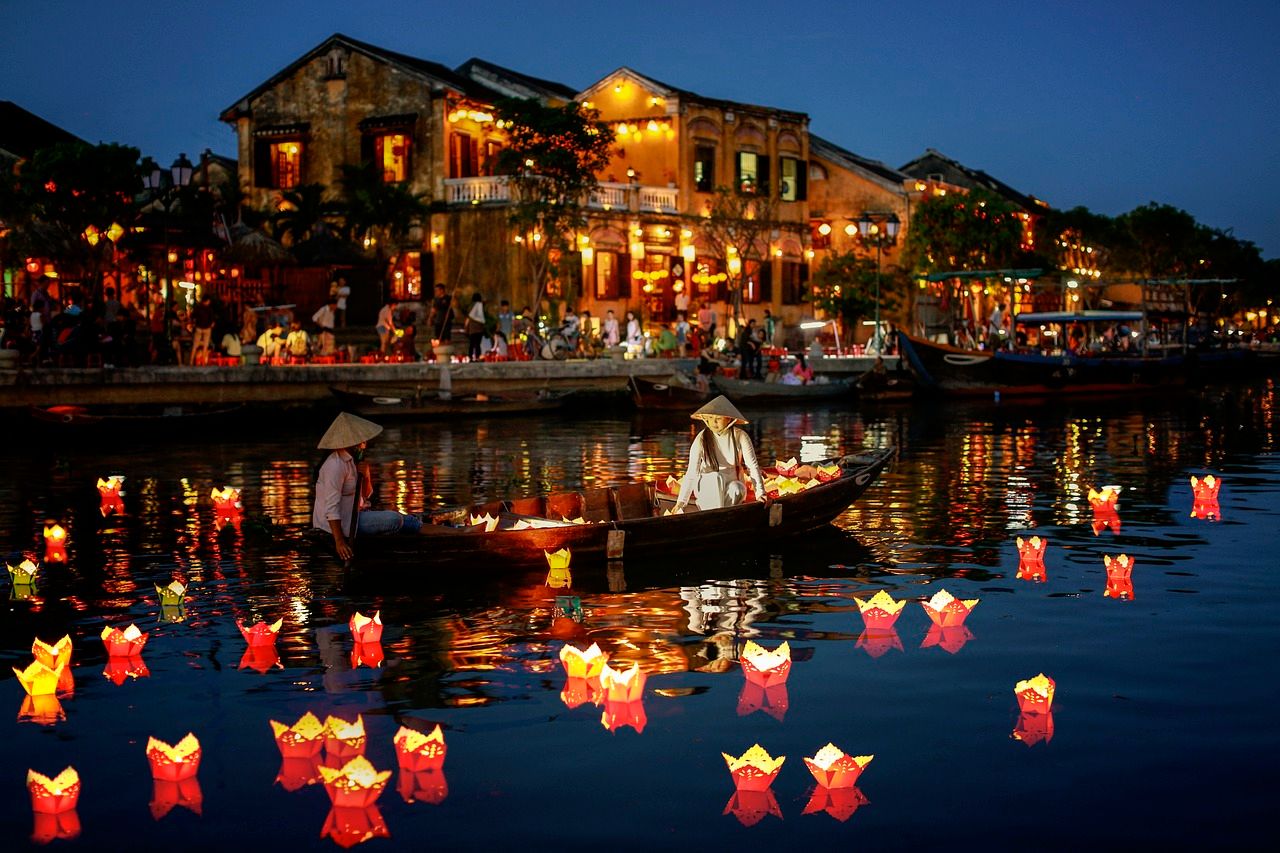
Hoi An
How many days do you need?
Hoi An rewards at least two nights so you can enjoy the Old Town at different times of day, fit in tailoring, and allow for a beach or countryside trip without rushing. A single full day lets you see the lantern-lit streets and main sights, but you may feel pressed for time.
Adding extra nights is most valuable if you want slower mornings, pool or beach time, or multiple fittings for custom clothes.
| Time | Recommended focus |
|---|---|
| Half day | Quick wander through Old Town and riverside, coffee and photos |
| One day | Main historic sights, evening lanterns, simple boat ride or cycling |
| One night | Evening atmosphere plus a relaxed morning in cafés and markets |
| Two nights | Tailoring, countryside ride, An Bang Beach, plus unhurried wandering |
| Three nights | Workshops, food experiences, and buffer time for weather or fittings |
Each extra night adds flexibility for weather changes, last-minute ideas, and a more restful rhythm between longer travel days.
Best region combinations
Hoi An pairs naturally with Da Nang, Hue, Quy Nhon, Nha Trang, and Ho Chi Minh City. A common route is Da Nang - Hoi An - Ho Chi Minh City: fly into Da Nang, transfer 45 minutes by car to Hoi An for two or three nights, then fly south.
Another option is Hue - Hoi An - Quy Nhon, driving the scenic Hai Van Pass between Hue and Hoi An (about 3-4 hours) before continuing down the coast to Quy Nhon by train or car; Hoi An works best here as a 2-3-night stop.
Travelers focused on beaches often follow Da Nang - Hoi An - Nha Trang, using Hoi An as a slower-paced base between larger resorts.
For shorter itineraries, Hoi An can sit between Hanoi and Ho Chi Minh City, reached via flights in and out of Da Nang with at least one overnight stay.
When is the best time to visit Hoi An?
February to May is generally the best time to visit Vietnam for travelers exploring Hoi An, with warm temperatures, moderate humidity and manageable rainfall. These conditions suit walking through the Old Town, cycling in the countryside and taking boat trips along the river.
June to August is hotter and busier, making early starts, beach time and indoor breaks especially useful. From September to January, heavier rain and occasional flooding can disrupt walking routes and boat activities, though the riverside setting often feels particularly atmospheric.

Hoi An Town
Experiences to include in Hoi An
These experiences capture the essence of Hoi An, from riverfront heritage to nearby countryside and coast. They are the highlights most travelers should prioritise during a short stay, and can be combined to build flexible, rewarding days.
Wander Hoi An Ancient Town and the Thu Bon Riverfront
Hoi An’s Japanese Covered Bridge, Tan Ky Old House and lantern-lit Thu Bon River rank among the top attractions in Vietnam, revealing the town’s trading-port heritage. Allow half a day into the evening, with time for tailoring fittings or a short boat ride.
Cycle through the rice fields to Tra Que Vegetable Village
A gentle bike ride from Hoi An Ancient Town to Tra Que Vegetable Village showcases everyday rural life and emerald rice paddies. Allow three to four hours. It fits well into a day that starts with tailoring and ends with riverside dining.
Spend a relaxed afternoon at An Bang Beach
An Bang Beach offers an easy coastal escape, with seafood shacks and loungers an inexpensive taxi or bike ride from Hoi An Ancient Town. Allow a half day. Many travelers pair a beach afternoon with an Old Town evening and lanterns.
Take a sunset boat trip on the Thu Bon River
Drifting along the Thu Bon River at sunset frames Hoi An Ancient Town and its lanterns from the water, giving a different feel than walking the streets. Allow one to two hours. It pairs naturally with pre- or post-cruise dinners nearby.
Join a cooking class at Hoi An Market and a local kitchen
Starting at Hoi An Market then moving to a countryside kitchen, many cooking classes teach central Vietnamese dishes and shopping habits. Allow a half day. You can still fit in Old Town wandering or beach time before or after the class.
Visit My Son Sanctuary on a half-day trip
My Son Sanctuary, a Cham temple complex an easy drive from Hoi An, adds historical depth beyond the Old Town's merchant houses. Allow a half day, often in the cool early morning, leaving time for cafés, tailoring, or riverfront strolling later.

Hoi An
Planning Hoi An with local expert tips
Hoi An pairs a remarkably preserved historic center with riverside scenery, surrounding countryside and easy access to the coast. Local experts can help decide whether to stay among the old streets or closer to the beach, while building quieter moments into a visit to one of Central Vietnam’s most popular destinations.
Where to stay in Hoi An
Staying near the Ancient Town puts temples, historic houses, markets, and riverside restaurants within easy walking distance, particularly useful if you want to explore early in the morning or after day visitors leave. Properties between the center and the coast offer more space and a quieter setting among rice fields and residential areas.
For travelers primarily seeking downtime, the beaches east of Hoi An provide resort accommodation while keeping the old town within reach by road. Changing hotels is rarely necessary because the distances are manageable.
Your local expert can instead choose one base that reflects your priorities, whether that means stepping outside into the historic center each morning or returning to a quieter coastal setting after sightseeing.
How transportation can be arranged
Hoi An has no airport or railway station, so most travelers arrive through nearby Da Nang. Da Nang International Airport and the city’s railway station are both connected to Hoi An by road, making private transfers a straightforward option. Within the historic center, walking is the most rewarding way to explore, while bicycles are useful for nearby countryside and short journeys toward the coast.
Private vehicles can be arranged for places farther afield and for the onward journey north to Hue, often traveling via the scenic Hai Van Pass. Your expert can time a Hoi An stay between an arrival in Da Nang and a transfer to Hue, turning that northbound journey into a sightseeing day rather than using another day for a separate excursion.