Marrakech is Morocco's main hub for combining city culture with easy access to the Atlas Mountains and desert landscapes. Unlike coastal cities such as Casablanca or Tangier, it offers a dense historic medina, busy souks and riads within walking distance, plus straightforward road links to the High Atlas and the Sahara.
This region suits travelers who want a practical base for a few days of sightseeing, shopping, and dining, then day trips or short overnights to nearby valleys and kasbahs. It typically slots into a wider route as one of the main regional stops, for example, between an arrival in Casablanca or Fez and onward travel to the desert or the Atlantic coast.
Why visit Marrakech?
Marrakech offers an intensity of color, sound, and scent that feels distinctly different from Morocco's other cities. In the medina, you move from hushed riad courtyards scented with orange blossom straight into alleys ringing with metalworkers' hammers and storytellers' voices on Jemaa el-Fna as dusk falls. Even everyday moments, like bargaining for handwoven rugs or watching bread slide into a neighborhood oven, feel theatrically vivid here.
What stands out is how the city blurs the line between daily life and spectacle. Lantern-lit rooftops give you views of pink ramparts and, on clear days, snow-dusted Atlas peaks glowing at sunset.
Traditional hammams and hidden gardens sit close to dense souks and neighborhood bakeries, so you leave with the sense of having stepped inside a living stage set rather than simply ticking off historic sights.
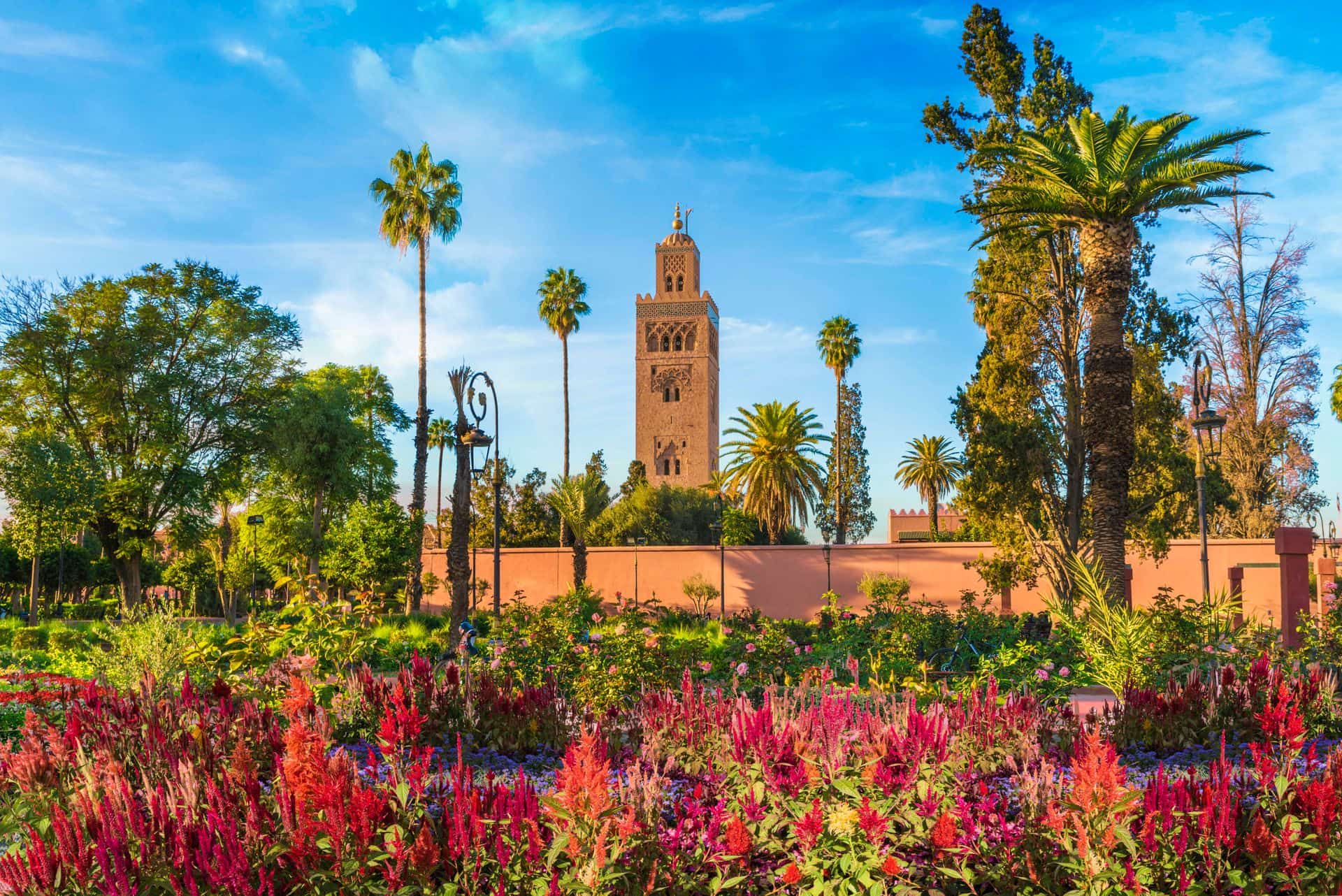
Marrakech
Who is Marrakech best for?
You'll probably enjoy Marrakech if you are energized by busy, characterful cities and do not mind some sensory overload. Curious first-time visitors to Morocco who want a vivid introduction to the local rhythm often find it rewarding.
It works particularly well if you like mixing independent exploring with occasional guided experiences, prefer browsing markets to mall-style shopping, and are happy in intimate riads or guesthouses rather than large resorts.
Food lovers, couples seeking atmospheric evenings on rooftops, and culture-focused travelers interested in crafts, design, and traditional performances tend to get the most from it.
You may prefer another destination if you mainly want a low-effort, beach-focused holiday with minimal planning or negotiation. Travelers who dislike noise, crowds, or occasional hassle might feel more relaxed in quieter coastal towns or smaller inland cities.
Those needing resort-style facilities, very short transfers and a familiar, Western-style environment may be happier choosing a different Moroccan base or a straightforward beach destination elsewhere.
How does Marrakech fit into an itinerary?
Marrakech usually sits near the middle of a tailor-made trip through Morocco, linking international gateway cities with the mountains, desert, and coast. Many travelers arrive first in Casablanca or Rabat, then move on to Marrakech once they have adjusted to the country's rhythm. Others fly directly into Marrakech, spend a few days settling into medina life, then continue towards the Sahara or Atlantic towns. It often acts as a hinge between more historic, introspective cities and the open landscapes that follow.
Most visitors stay three to four nights, long enough to absorb the city's pace while still leaving time for the wider route. Marrakech works well as a base for day trips or a one-night escape to nearby valleys and kasbahs, so you can sample different landscapes without constantly packing and unpacking. Placing it mid-journey helps balance busy urban days with quieter stops before and after, creating a natural rise and fall in energy across your itinerary.
Trips that include Marrakech
The Morocco hiking tour with High Atlas and desert trails includes a visit to Marrakech on Day 6, where travelers explore the Majorelle Gardens and embark on a guided medina walking circuit. The itinerary continues with a full day of exploration in Marrakech on Day 7, navigating the historic medina and its vibrant souks. Another trip, the Authentic culture and desert Morocco trip, arrives in Marrakech on Day 7 after traveling through the Dades Valley and Ouarzazate. Day 8 is dedicated to a city tour of Marrakech, visiting landmarks such as the Menara Gardens and the Koutoubia Mosque. These itineraries highlight Marrakech's cultural and historical significance within Morocco.
Local experts can adjust these routes to include lesser-known artisan workshops and hidden culinary gems in Marrakech.
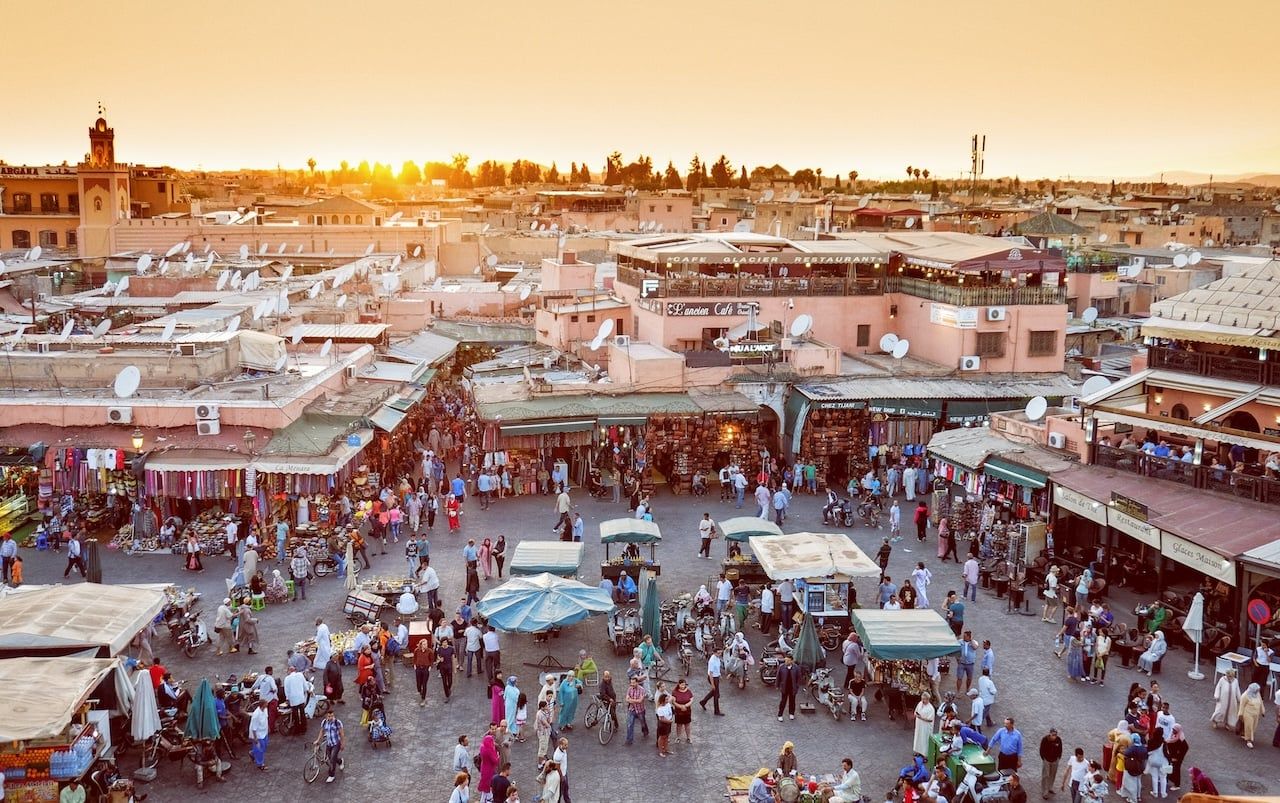
Marrakech, Morocco
How many days do you need?
Marrakech rewards an unhurried pace. One full day lets you focus on the medina's core sights and a single evening in Jemaa el-Fna, useful if you are in transit or adding a brief city stop.
In two days, you can balance time in the souks with a slower afternoon in a garden or hammam, and still enjoy dinners on different rooftops.
Three days allow you to settle into the city's rhythm, explore lesser-known neighborhoods or museums, and add a short excursion to nearby palm groves or viewpoints.
With four or more days, Marrakech becomes a comfortable base for day trips into the nearby Atlas foothills while still leaving time to return to favorite cafes and shops.
| Days | Recommended focus |
|---|---|
| 1 day | Historic medina highlights and one evening in Jemaa el-Fna |
| 2 days | Souks, key monuments, and a slower afternoon in a garden or hammam |
| 3 days | Deeper neighborhood exploration plus time for quieter museums or cafes |
| 4+ days | Use Marrakech as a base for nearby Atlas foothill or palm grove excursions |
Best region combinations
Marrakech combines naturally with the High Atlas, the Sahara, and the Atlantic coast. A classic route is Marrakech - High Atlas - Sahara - Marrakech, starting with a short drive into the mountains before continuing via passes and oases toward desert camps, then returning to the city by road. This creates a journey that moves from dense urban energy to remote landscapes and back.
Another option is Marrakech - Essaouira - Marrakech, with around a three-hour drive each way, pairing medina life with a relaxed coastal town for a softer finish to your trip.
You can also link Marrakech with Agadir or Taghazout for longer beach time, or with Casablanca and Rabat if you want a contrast between an imperial city, Atlantic capitals, and nearby mountain or desert scenery.
When is the best time to visit Marrakech?
Spring from March to May and fall from late September to November are generally the best time to visit Morocco for a stay in Marrakech. Warm days, cooler evenings, and comfortable conditions make it easier to explore the medina and spend time outdoors.
Summer brings intense heat, so sightseeing is best planned for early morning and after sunset, with the middle of the day reserved for poolside breaks or air-conditioned museums. Winter is cooler and can be rainy, but the medina is quieter, and rooftop views of the snow-capped Atlas Mountains can be especially striking.
Local experts can adapt the route to the season, adding higher-altitude Atlas walks in spring and fall, shifting more time to the coast in midsummer, or planning desert nights carefully in winter when temperatures drop sharply.

Marrakech, Morocco, Jemaa el Fna © Shutterstock
Experiences to include in Marrakech
Marrakech rewards visitors who balance its high-energy medina with time in gardens, hammams, and nearby countryside. These experiences work best across two to four days, adding texture and breathing space to a wider Morocco itinerary that also includes mountains, desert, or coast.
Lose yourself in the souks around Jemaa el-Fna
Dedicate half a day to wandering the souks off Jemaa el-Fna, moving from spice stalls near Rahba Kedima to metalworkers around Souk Haddadine. This suits travelers who like immersive street life, bargaining and photography, especially late afternoon as the light softens.
Unwind in Marrakech's riads and traditional hammams
Built in slow time around your riad courtyard and at a traditional hammam such as Hammam de la Rose or Les Bains de Marrakech. These quiet, steamy spaces balance busy medina walks, suiting couples and tired city explorers. Allow a relaxed morning or evening.
Explore palaces and medina landmarks in the Kasbah
Set aside a half day for the Kasbah district, linking the Saadian Tombs with El Badi Palace and the gates near Bab Agnaou. The area layers dynastic history with daily life, ideal for culture-focused travelers who like walking between sites rather than ticking quick photo stops.
Seek greenery in Jardin Majorelle and the modern city
When the medina streets feel intense, escape to Jardin Majorelle, one of the top attractions in Morocco, and explore the surrounding Gueliz neighborhood. The cobalt-blue garden and shaded paths contrast with the old town, while nearby cafes and boutiques introduce Marrakech’s contemporary design scene. Allow a few unhurried hours, including a coffee stop.
Ride into the Palmeraie and surrounding villages
Use a spare afternoon or evening to leave the walls for the Palmeraie, joining a camel or quad-bike ride among palms and small villages. Views back to the city and the Atlas foothills help you understand Marrakech's wider setting and appeal to families or active travelers.
Sample street food and rooftop dinners after dark
Devote at least one evening to trying kefta, harira, and fresh orange juice on and around Jemaa el-Fna, then retreat to a rooftop terrace overlooking the Koutoubia Mosque. Nighttime food-hopping suits adventurous eaters and turns dinner into one of the trip's most vivid memories.

Marrakech Djema El Fna square © Shutterstock
Planning Marrakech with local expert tips
Marrakech can be the starting point for the mountains, desert or Atlantic coast, which makes the direction of your wider Morocco journey important from the outset. A local expert can plan the city stay around those onward routes, while also making sure airport transfers, guided visits and accommodation access work smoothly within the medina.
Where to stay in Marrakech
A riad in the medina puts you close to the old city, but choosing one involves more than comparing rooms. Many streets are inaccessible to cars, and some properties are a considerable walk from the nearest drop off point. Your local expert can check exactly how a riad is reached, arrange help with luggage and consider whether its location suits your daily plans.
Hivernage and Gueliz offer a different setup, with hotels that generally have easier road access and may suit travelers who prefer not to navigate the medina every time they leave their accommodation.
There is no need to change hotels simply to experience both sides of Marrakech. If you are leaving early for the High Atlas, your expert can choose a riad near an accessible gate or a hotel that allows a straightforward morning pickup.
How transportation can be arranged
Marrakech connects easily with other major Moroccan cities by rail and road, but private transport becomes particularly useful when the journey turns toward the High Atlas, Essaouira or routes farther south. Your local expert can decide whether a train or driver makes more sense for each leg instead of using the same type of transport throughout the trip. Within Marrakech, a driver can handle journeys beyond the medina, while guided exploration of the old city is generally done on foot.
Where you meet the vehicle therefore needs to be agreed in advance if your riad cannot be reached by car. The wider route can also prevent unnecessary returns to Marrakech. If Essaouira and Agadir come next, for example, your expert can arrange a one way journey to the coast and continue south from there instead of bringing you back to Marrakech between stays.


