Tangier, in northern Morocco, offers a distinct alternative to the country’s imperial cities and desert regions. As a compact coastal hub at the meeting point of the Atlantic Ocean and Mediterranean Sea, it suits travelers who prioritize short transfers, walkable sightseeing, and straightforward links to Spain by ferry or to other Moroccan cities by rail.
It fits best into multi-day itineraries as an entry or exit point, or as a short coastal segment between inland stays, giving you a practical base for one or two nights before continuing to places like Chefchaouen, Fez, Rabat, or Casablanca.
Why visit Tangier?
Tangier offers a mood you will not find elsewhere in Morocco: a city that looks outwards, shaped as much by the sea and Europe across the water as by its own hillside medina. Sitting in a cafe on the grand boulevards, you feel the steady rhythm of ships sliding through the Strait while the call to prayer drifts up from the old town below.
In the medina's lanes, faded Art Deco facades sit beside traditional townhouses, hinting at Tangier's literary, bohemian past without turning it into a museum piece. Evenings often revolve around the waterfront, where locals stroll, snack, and watch the light change over two continents.
You leave with the sense of a threshold city: neither just a beach resort nor a historic medina, but a place defined by crossing, waiting, and watching the world move past.
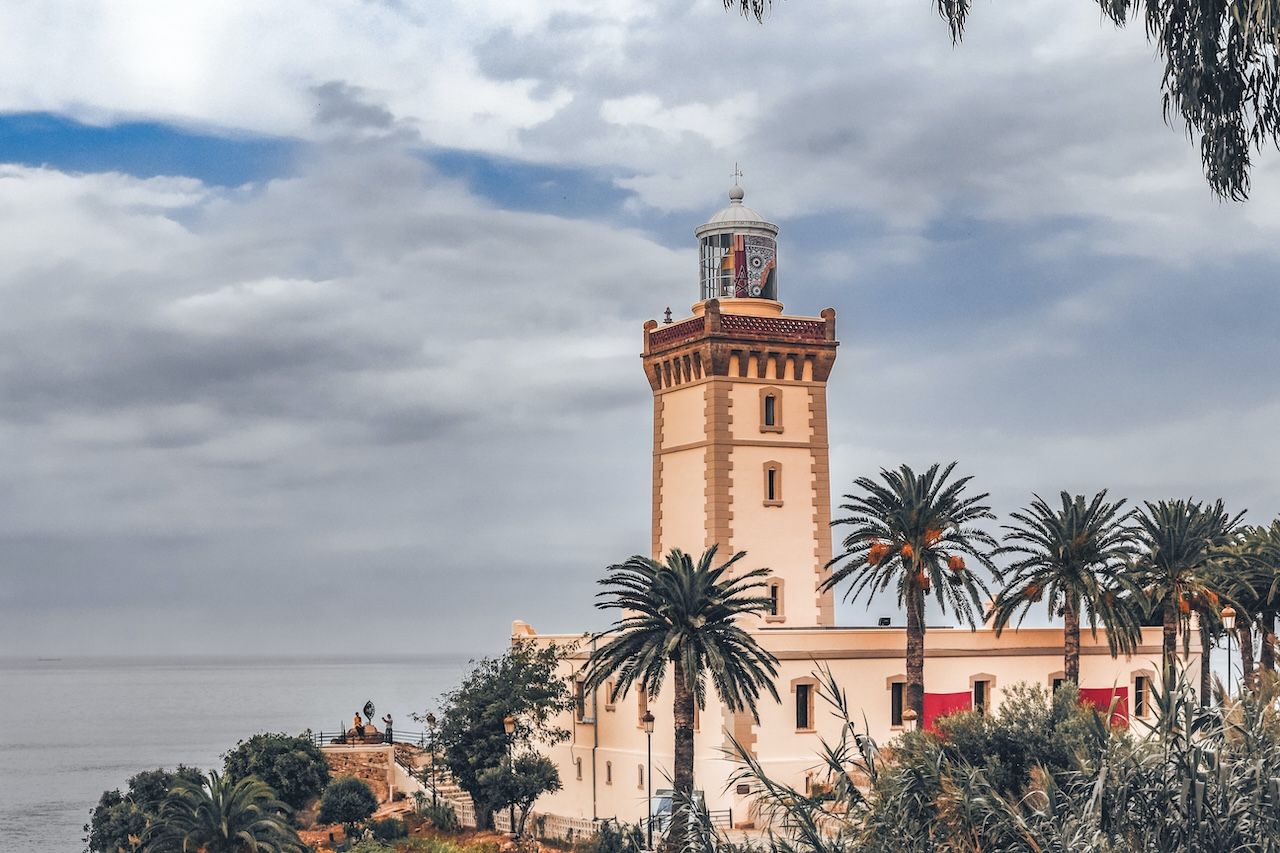
Tangier, Morocco
Who is Tangier best for?
You'll probably enjoy Tangier if you like to mix short city breaks with easy onward travel. It works well for travelers who want a gentle introduction to Morocco without long internal journeys, especially if you are combining it with Spain or planning to continue by train to other cities.
Independent visitors who enjoy people-watching from cafés, strolling seafront promenades, and dipping into compact medinas tend to get the most from a stay here. It can also suit couples or friends looking for a few atmospheric evenings in a place that feels culturally rich but not overwhelming in scale.
You may prefer another destination if your priority is long days on wide beaches, multi-night desert adventures, or an immersion in historic monuments. Families needing resort-style pools and activities, or travelers seeking high-energy nightlife, might find other Moroccan cities or coastal towns a better fit.
If your main goal is ticking off landmark sights or spending most of your time in the Sahara, Tangier is usually best kept as a short stop at the beginning or end of a wider journey.
How does Tangier fit into an itinerary?
On a tailor-made trip through Morocco, Tangier usually works best as an entry or exit point rather than the centerpiece. Its ferry and flight connections make it a natural arrival hub from Spain and Europe, with one or two nights giving you space to settle in before heading inland.
Many routes start here and then move on to Chefchaouen and Fez, so your journey shifts gradually from a coastal city to mountain landscapes and then to larger historic centers. Others end in Tangier after a circuit through the imperial and Atlantic cities, easing the tempo in the final days of your holiday.
Tangier can also act as a calm mid-trip base that slows the pace of your route. Spending two or three nights allows you to explore nearby areas on day trips while keeping hotel changes to a minimum. Used this way, the city becomes a pause in your itinerary, breaking up longer transfers and balancing more intensive sightseeing elsewhere.
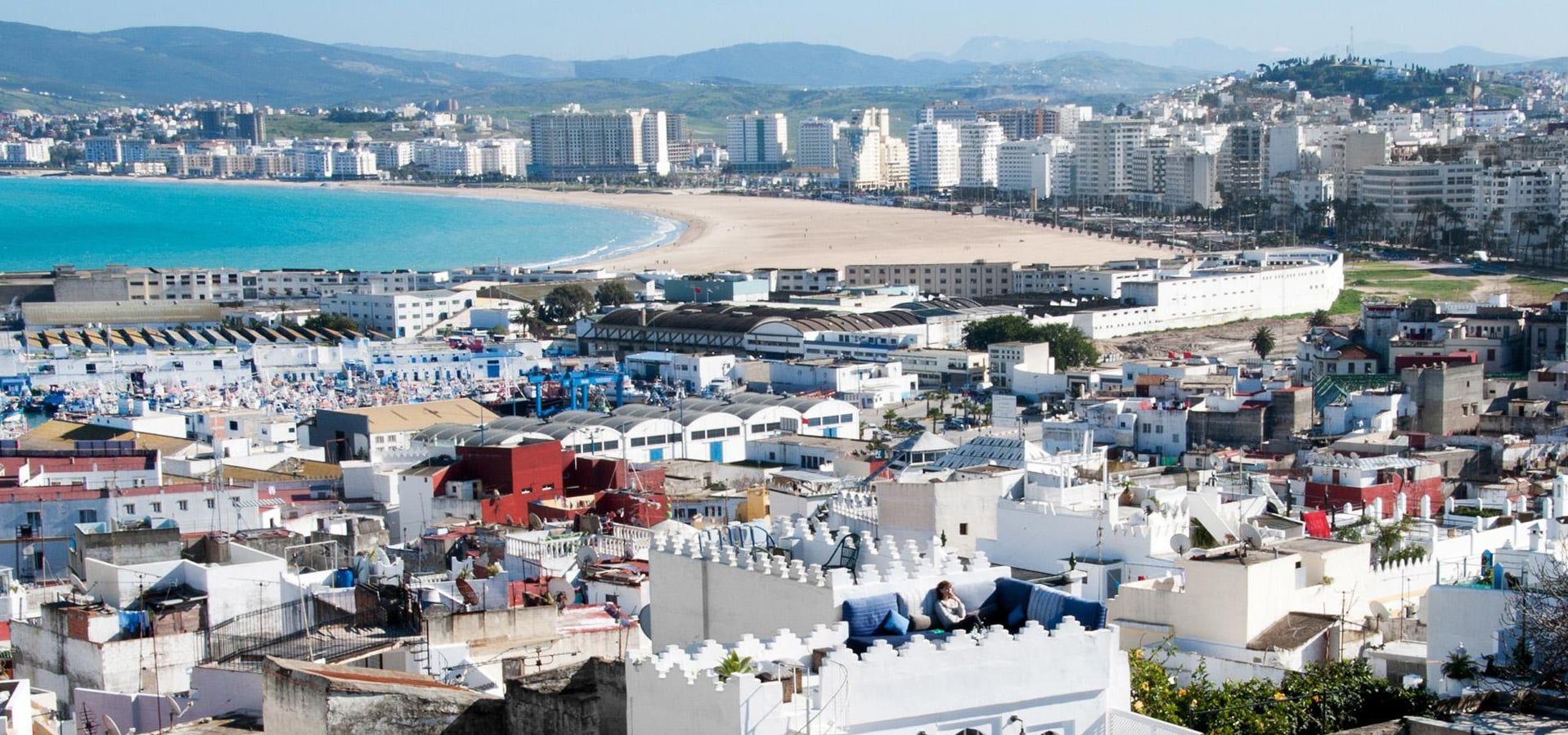
Tangier, Morocco
How many days do you need?
Tangier is compact enough for a brief stay, but adding time changes the feel of your trip. In one night, you can stroll the seafront, dip into the medina, and get a first taste of northern Morocco before moving on.
Two nights allow a full day to linger in cafés, explore different corners of the old town, and adjust after a ferry or flight.
Three nights or more work well if you want an unhurried base with space for a day trip into the Rif or simply to pause between more intensive travel days elsewhere in Morocco.
| Days | Recommended focus |
|---|---|
| 1 day / 1 night | Quick coastal stop to walk the seafront and sample the medina before onward travel. |
| 2 days | Relaxed city break with time for cafés, viewpoints, and a more atmospheric evening in town. |
| 3 days | Slower pace with room for a short excursion into the surrounding hills or coastline. |
| 4+ days | Unhurried base at the Strait of Gibraltar, ideal for combining city wandering with regional day trips. |
Best region combinations
Tangier links naturally with northern and Atlantic Morocco, and with Spain across the water. A classic route is Tangier-Chefchaouen-Fez: start with sea air and soft city exploring, continue to the blue lanes of Chefchaouen in about 2.5 hours by road, then head on to Fez for deeper immersion in traditional Morocco.
Another option is Tangier-Rabat-Casablanca, following the Atlantic rail line south for an urban trip that balances history, coastal promenades, and contemporary city life.
Travelers arriving from Spain often reverse the order, beginning in Andalusia and crossing by ferry to Tangier before turning inland.
With more time, Tangier can also precede a longer loop that adds Meknes or the Middle Atlas, creating a varied journey from breezy waterfront to medina-rich highland cities without overly long driving days.
When is the best time to visit Tangier?
Spring from March to May and fall from late September to November are generally the best time to visit Morocco for a stay in Tangier. Comfortable temperatures make it easy to explore the medina, walk along the seafront and enjoy long evenings outdoors without summer heat or winter rain.
Summer brings warmer, brighter days and a livelier promenade, but ferries are busier and sea-view rooms are in higher demand. Winter is cooler and more changeable, yet it suits travelers who prefer quieter streets and lower crowd levels over guaranteed beach weather.
Local experts can adjust the itinerary to the season, planning earlier walking tours in hotter months, timing coastal drives for clearer weather and adding more cafe time when Atlantic rain is likely.
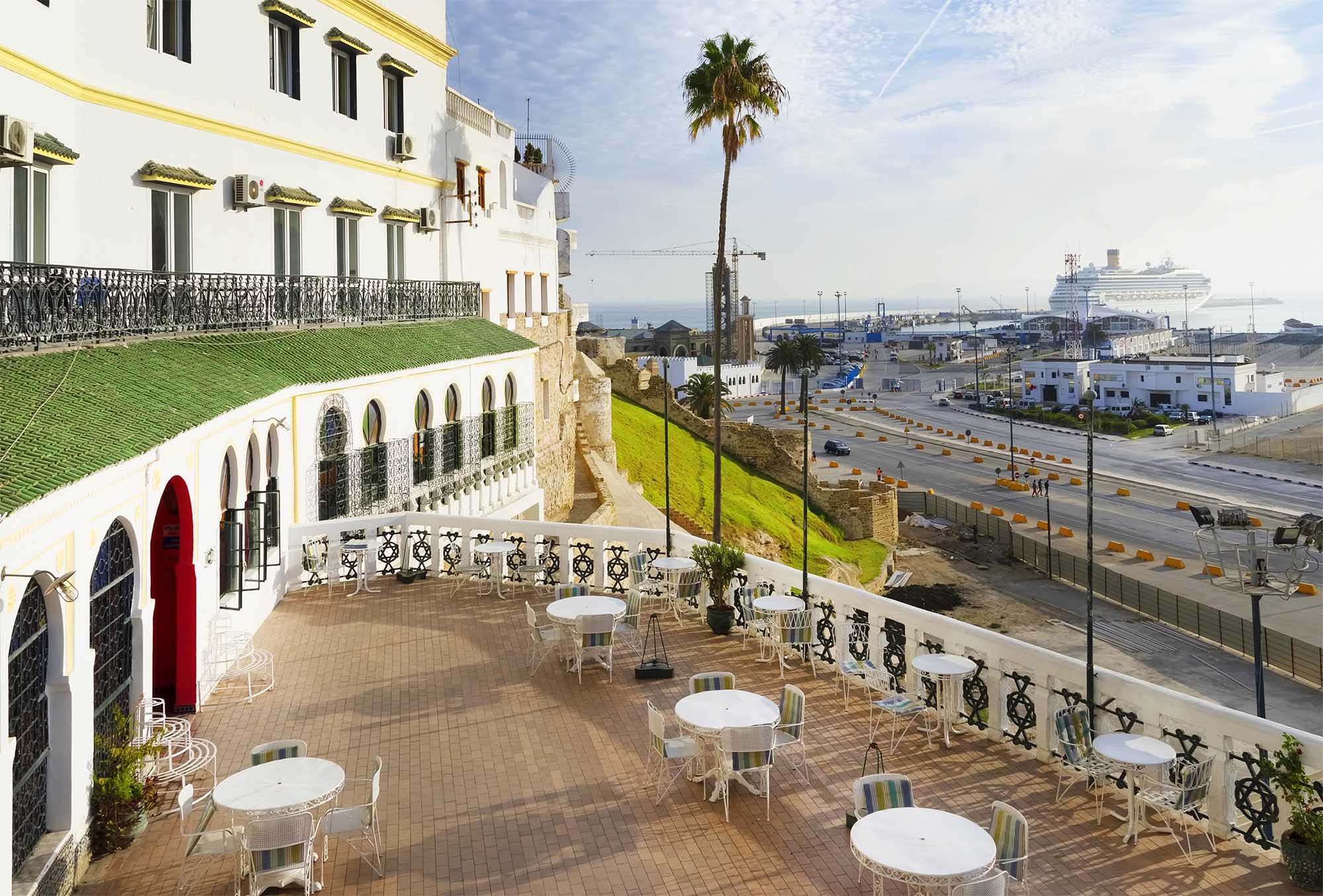
Tangier city and port, coastal landscape, Morocco, Africa
Best things to do in Tangier
Tangier combines historic medina streets, Atlantic and Mediterranean views, literary heritage, and a lively coastal atmosphere. The best things to do in Tangier include exploring the kasbah, walking through the old medina, visiting the American Legation, and taking in the views from Cap Spartel. The city also works well as a gateway to northern Morocco and nearby coastal towns.
Stroll the corniche and Tangier Bay
Following the seafront promenade from the modern marina to Playa de Tangier gives a clear sense of the city’s coastal setting and daily rhythm. Allow a few unhurried hours near sunset, when families gather, cafés fill, and the light softens over the Strait.
Wander the Kasbah and hillside medina
Climbing through the Kasbah above Place du 9 Avril reveals one of the top attractions in Morocco, with layered views across Tangier’s port and whitewashed lanes. Allow half a day to explore its atmospheric streets, small galleries and cafes, pausing between short walks through the hillside neighborhood.
Trace Tangier’s literary and café culture
Spending time around Grand Socco, the Cinémathèque de Tanger, and Café de Paris links a wider Morocco trip with Tangier’s bohemian, international past. This suits culturally curious travelers who enjoy lingering over coffee and noticing Art Deco facades mixed with traditional townhouses.
Take a coastal drive to Cap Spartel and the Caves of Hercules
A half-day drive west to Cap Spartel and the Caves of Hercules adds Atlantic cliffs and open sea views to an otherwise urban stay. It works well for couples or friends wanting breezy walks, easy photo stops, and a sense of the wider coastline.
Escape to the hills around Parc Perdicaris
Heading to Parc Perdicaris and the surrounding hills north of Tangier offers shaded forest paths and viewpoints back over the Strait of Gibraltar. Allow a few hours for gentle walking and picnics, ideal between city days or as a reset after international travel.
Join a day trip to Chefchaouen
Using Tangier as a base for a day trip to Chefchaouen lets you experience the blue-painted lanes of the Rif Mountains without changing hotels. It suits travelers on shorter itineraries, adding mountain scenery and small-town atmosphere to a largely coastal or city-focused route.
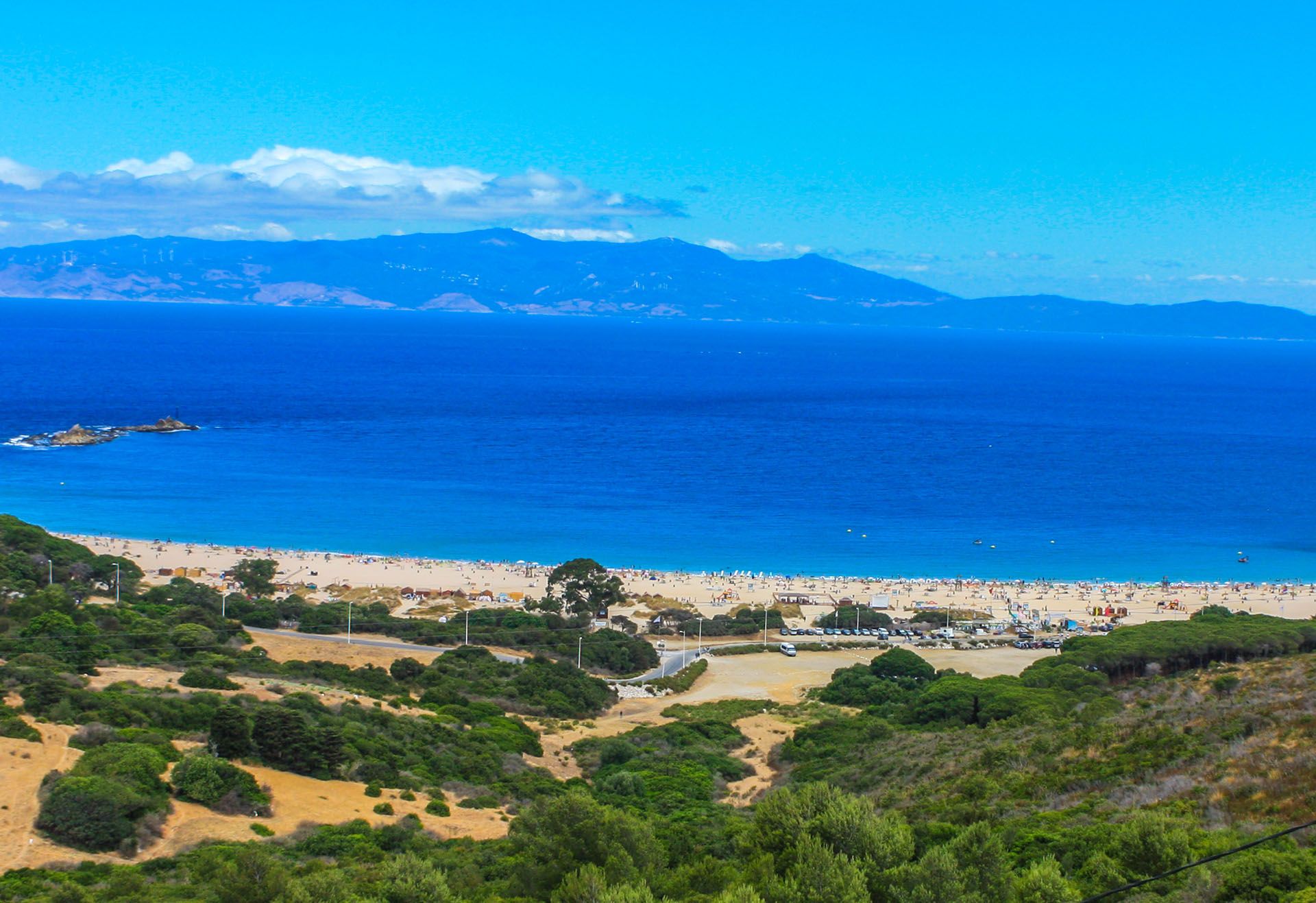
Panoramic view from the Daliyya (Dalia) Beach on the Strait of Gibraltar, Tangier, Morocco © Shutterstock
Practical planning tips
Build Tangier into your trip as a short, low-stress stop with flexible timing. Factor in ferry or flight schedules, hills between the port and medina, and changeable coastal weather. Prebook key transfers, limit bulky luggage for easier walks through lanes, and check which cards or apps are widely accepted.
Where to stay in Tangier
For first-time visitors, the Kasbah and upper medina offer characterful riads and views, with quick access to main sights but many steps and slopes. Travelers who value walking access and cafés often stay near the marina, the Corniche, or around Grand Socco, where broader streets simplify arrival and departure.
Families and light sleepers may prefer the quieter, modern districts uphill from the seafront, trading immediacy for more space and calmer nights. Nightlife clusters along the corniche and in parts of the city center, so staying nearby suits those who prioritize late-opening bars and restaurants.
Luxury-focused travelers tend to choose seafront hotels or restored properties close to the Kasbah, gaining views and straightforward logistics for private transfers. Wherever you stay, check walking distances and gradients in advance, as short routes on the map can feel longer on Tangier's hills.
Getting around
Tangier's central districts are compact enough for regular walking, but expect hills between the port, medina, and newer neighborhoods. Many visitors explore the medina and Kasbah on foot, then use taxis for longer or steeper stretches, especially in the midday heat or with luggage.
There is no metro or tram. City buses operate on main arteries but are less convenient for short visits unless you already know the routes. For most travelers, metered petit taxis handle cross-town journeys cheaply and quickly, while private drivers are often arranged for airport, train station, or ferry transfers and coastal excursions.
Cycling is not especially practical in central areas because of gradients, traffic patterns, and limited bike lanes. A rental car is usually unnecessary if you are focusing on Tangier or joining organized day trips, as parking takes time and local drivers are accustomed to navigating busy, narrow streets.
Plan your trip with a Local Expert
Using Tangier as a gateway or a slower pause works best when your route reflects how you like to travel. Local trip planners refine city time, day trips, and onward connections so your stay fits the rest of your journey through Morocco. In summer, they often move walks to cooler hours and focus on sea breezes, shaded parks, and evening promenades, while in spring and autumn they may include more rooftop terraces and longer strolls along the corniche.
Routes also shift with travel style, from café-centered city breaks and cultural stops to more active outings in nearby hills or along the coast. The number of days matters too: with one or two nights, plans stay compact and walkable; with a longer stay, they can add varied regional excursions without turning Tangier into a series of long drives.


